Topical Corticosteroid Contact Allergy: 10.7% Cases, Diagnosis
Understanding allergic reactions to topical steroids: diagnosis, risk factors, and clinical management.
Topical Corticosteroid Contact Allergy
Topical corticosteroid sensitivity produces classic allergic contact dermatitis reactions. This condition represents a significant clinical challenge because it often presents as a failure to improve or worsening of an existing dermatitis that is being treated with corticosteroids. Corticosteroids were declared the Contact Allergen of the Year for 2005 by the American Contact Dermatitis Society (ACDS), highlighting the clinical importance of this often under-recognized condition. Understanding the nuances of topical corticosteroid allergy is essential for dermatologists and healthcare providers to ensure appropriate patient care and prevent unnecessary complications.
Clinical Presentation and Recognition
The clinical features of contact allergy to topical corticosteroids are often subtle and challenging to identify. Most cases do not present with spectacular or distinctive features because topical corticosteroid allergy typically produces the same symptoms as the original dermatosis being treated, including erythema, scaling, oozing, and variable pruritus. This similarity makes early detection particularly difficult and requires a high index of clinical suspicion.
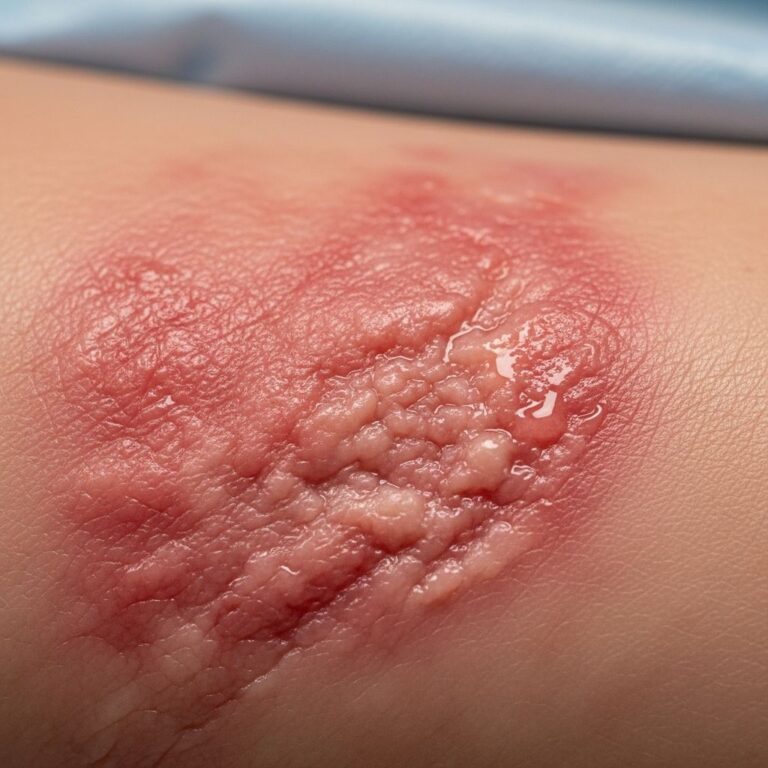
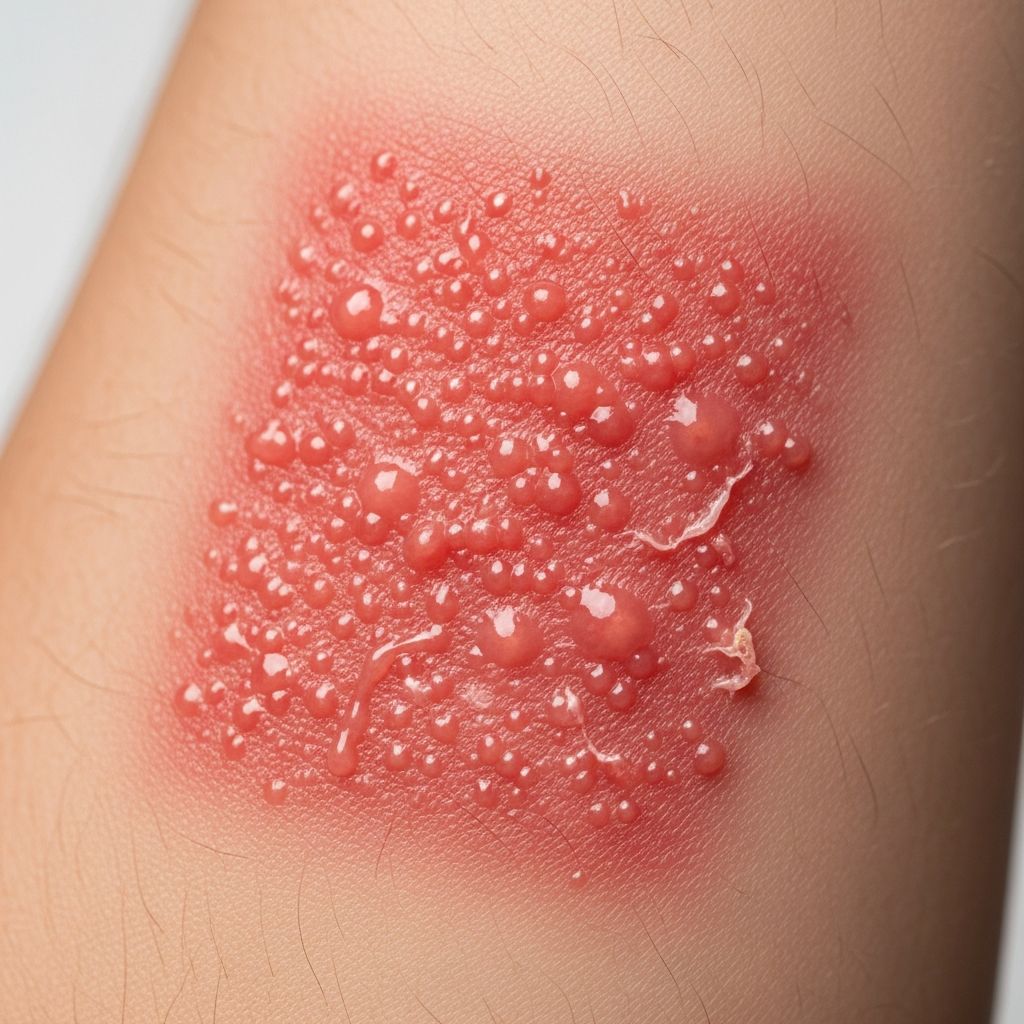
A common clinical scenario involves patients who present with prominent local adverse effects of topical corticosteroids, often resulting in the use of progressively stronger products in response to a lack of therapeutic response in what should be a steroid-responsive dermatosis. Lesions are usually papulovesicles with variable erythema corresponding to the application site of the topical corticosteroid product. When this pattern emerges, vigorous attempts to investigate topical corticosteroid contact allergy should be undertaken.
The presentation of topical corticosteroid allergy can vary significantly between patients. Acute weeping dermatitis with severe edema, id-like eruptions, erythema multiforme-like lesions at distant sites, and angioedema have all been reported in cases of topical corticosteroid-induced contact dermatitis. The eruption is initially localized to the site of application but dissemination can occur later. Very rarely, severe allergy to a topical corticosteroid is associated with allergy to oral or injected corticosteroids.
In various epidemiological studies, most patients with topical corticosteroid contact allergy had underlying chronic dermatological conditions including stasis dermatitis, atopic dermatitis, or allergic or irritant hand dermatitis. Systemic contact dermatitis to topical corticosteroids is also well-recognized, presenting as urticaria, exanthematous rash, or purpura in previously-sensitized patients after administration of oral or inhaled corticosteroids.
Distinguishing Contact Allergy from Withdrawal Syndrome
It is important to distinguish contact allergy to topical steroids from erythematous rash that develops in patients who have used topical corticosteroids frequently over long periods of time and may develop topical corticosteroid withdrawal syndrome. While both conditions involve adverse reactions to corticosteroids, they represent different pathological mechanisms. Contact allergy involves an immune-mediated sensitization process, whereas withdrawal syndrome is a distinct phenomenon related to sudden discontinuation of prolonged corticosteroid use.
Diagnostic Evaluation
Corticosteroid allergy is diagnosed by performing special allergy tests, primarily patch tests, and in some cases intradermal tests. Allergic sensitivity to a topical corticosteroid is usually only identified when an eczematous dermatitis being treated with a topical corticosteroid fails to respond to treatment or worsens. In cases of persistent or exacerbating dermatitis treated with corticosteroid preparations, corticosteroid sensitivity should be considered as a differential diagnosis.
Patch testing can help identify the culprit agents in allergic contact dermatitis, though early diagnosis depends on clinical suspicion. There are many topical corticosteroid preparations available, and allergy may arise to one or more of these products. Positive patch test reactions to budesonide and tixocortol-21-pivalate are good indicators of corticosteroid allergy. These two corticosteroids are often included in the standard patch testing panel. When these two indicator corticosteroids test positive, further testing with other corticosteroids should be performed to establish the full extent of sensitization.
Related Stories



It is important to note that allergic sensitivity may also result from components other than the active corticosteroid itself. Preservatives, lanolin, ethylenediamine, quaternium-15, and the antibacterial agent neomycin are all known to be potent sensitizers that may be present in topical corticosteroid formulations.
Risk Factors and Epidemiology
Several factors increase the risk of developing contact allergy to topical corticosteroids. The main risk factors include:
- Presence of previous chronic dermatoses requiring long-term corticosteroid treatment
- Use of corticosteroids without medical supervision or follow-up
- Genetic susceptibility and familial predisposition
- Female gender (with female-to-male ratio of approximately 3:1)
- Age above 40 years
- Thin skin areas, flexures, and use under occlusion
- Extended or self-medication with unsupervised on-and-off use patterns
Occlusion deserves special attention as a risk factor because it may increase the pH of the skin and potentially enhance degradation of corticosteroids into aldehydes, which may act as contact allergens. Environmental and genetic predisposition have also been postulated as contributing factors to the development of corticosteroid sensitivity.
In retrospective studies examining patch testing outcomes, approximately 10.7% of patients tested with corticosteroids demonstrated allergic reactions to at least one corticosteroid, while multiple corticosteroid sensitivity was observed in 4.7% of patients. This demonstrates that patients may develop allergies to single or multiple corticosteroids, with varying patterns of cross-reactivity based on corticosteroid molecular structure.
Pathomechanism of Corticosteroid Contact Allergy
The exact pathomechanism of corticosteroid contact allergy remains incompletely understood, though research has provided important insights. One proposed mechanism involves the formation of a highly reactive product called corticosteroid-glyoxal through aldehyde formation. This product is a potent hapten that specifically combines with several protein residues to form allergens. The most potent antigenic complex is formed when the corticosteroid-glyoxal combines with the guanidyl residue of the amino acid arginine, and the strength of this bonding largely determines the allergenicity of the corticosteroid molecule.
Based on observed cross-reaction patterns, sensitization in contact dermatitis exhibits cross-reactivity patterns based on corticosteroid structure. The immunogenicity variations in different corticosteroid molecules explain why some corticosteroids are more allergenic than others. Notably, halogenated steroids such as betamethasone are less allergenic despite their extensive clinical use, likely due to reduced ability to form the reactive hapten complex.
The anti-inflammatory and immunosuppressive properties of corticosteroids make it difficult to identify and prove contact sensitivity, as these medications suppress the very immune response necessary to manifest allergic contact dermatitis symptoms. This presents a diagnostic paradox where the therapeutic properties of the medication obscure the allergic reaction.
Local and Systemic Adverse Effects
Beyond contact allergy, prolonged topical corticosteroid use or application under occlusion can produce various local adverse effects, including:
- Skin atrophy and hypopigmentation
- Telangiectasia and striae (stretch marks)
- Acneiform eruptions and hypertrichosis
- Perioral dermatitis
- Bacterial and fungal infections
- Miliaria and vesiculations
- Burning, stinging, and irritation
- Itching and erythema
Although side effects commonly experienced with topical corticosteroid use include burning and stinging, irritation, itching, erythema, dryness, and occasional worsening of the primary dermatosis, the occurrence of corticosteroid-induced allergic contact dermatitis remains under-recognized.
The potency of topical corticosteroids depends on the lipophilicity of the compound and the extent of absorption into the deeper skin layers. These pharmacological characteristics influence both therapeutic efficacy and the risk of adverse effects including sensitization.
Special Clinical Presentations
Topical corticosteroid allergy can present in specific body areas with unique manifestations. In ophthalmic formulations, corticosteroids can cause periocular dermatitis and edema, conjunctival congestion, itching, burning, pain, and smarting of the eyes. Nasal formulations containing corticosteroids may produce mucosal symptoms including worsening of rhinitis, nasal congestion, nasal burning and pruritus, and soreness in the nostrils.
Inhaled corticosteroids for respiratory use have been associated with pruritus, dryness, erythema and edema of the mouth, dry cough, and odynophagia (painful swallowing). Eczematous reactions may also occur at injection sites from injected corticosteroids. Distant ipsilateral exacerbation of toxicoderma-like eruptions over the trunk has been observed with repeated use of certain corticosteroids such as budesonide in sensitive patients.
Management and Treatment Considerations
The management of topical corticosteroid contact allergy requires a comprehensive approach. Once the diagnosis is confirmed through patch testing, the primary intervention involves identifying and avoiding the specific corticosteroid that provoked the allergic reaction. In many cases, alternative corticosteroids that do not cross-react with the offending agent can be substituted if continued corticosteroid therapy is needed for the underlying dermatosis.
The choice of alternative corticosteroid should be guided by the patch testing results and awareness of cross-reactivity patterns among different corticosteroid classes. Some patients may tolerate alternative corticosteroids without adverse reactions, while others may require non-corticosteroid treatments or alternative therapeutic approaches.
For patients with suspected corticosteroid contact allergy, discontinuation of the offending agent and initiation of appropriate patch testing is essential. Healthcare providers should carefully document the patient’s corticosteroid exposure history and any temporal relationship between corticosteroid application and dermatitis exacerbation. Close clinical follow-up is warranted to assess response to alternative treatments and to ensure resolution of the allergic reaction.
Frequently Asked Questions
Q: How common is allergic contact dermatitis to topical corticosteroids?
A: Based on patch testing studies, approximately 10.7% of patients patch tested with corticosteroids demonstrate allergic reactions to at least one corticosteroid, with multiple corticosteroid sensitivity occurring in about 4.7% of patients.
Q: Can someone be allergic to multiple topical corticosteroids?
A: Yes, cross-reactivity patterns exist based on corticosteroid molecular structure. Some patients may react to multiple corticosteroids, while others may only react to specific agents. Comprehensive patch testing can help identify which products are safe for use.
Q: What should I do if I suspect corticosteroid allergy?
A: If persistent or worsening dermatitis occurs despite corticosteroid treatment, consult a dermatologist who can perform patch testing to identify the specific corticosteroid causing the allergic reaction. Do not discontinue treatment without professional guidance, as this may lead to withdrawal syndrome.
Q: Are some corticosteroids less likely to cause allergic reactions?
A: Yes, halogenated steroids such as betamethasone are less allergenic despite widespread use, due to reduced ability to form the reactive hapten complex responsible for sensitization.
Q: Can allergic reactions to topical corticosteroids affect oral or injected steroids?
A: While rare, severe allergy to topical corticosteroids may be associated with allergy to oral or injected corticosteroids, particularly presenting as systemic contact dermatitis. However, this is uncommon, and many patients can tolerate other corticosteroid formulations.
References
- Allergic contact dermatitis caused by topical corticosteroids: a review for clinicoepidemiological presentation, evaluation, and management aspects — Cosmoderma. 2023. https://cosmoderma.org/allergic-contact-dermatitis-caused-by-topical-corticosteroids
- Topical corticosteroid contact allergy — DermNet. 2024. https://dermnetnz.org/topics/allergy-to-topical-corticosteroid
- Contact allergy to topical corticosteroids and sunscreens — Indian Journal of Dermatology, Venereology and Leprology. 2018. https://ijdvl.com/contact-allergy-to-topical-corticosteroids-and-sunscreens/
- Allergic contact dermatitis to corticosteroids: experience of a referral center — National Center for Biotechnology Information. 2022. https://pmc.ncbi.nlm.nih.gov/articles/PMC9133237/
Similar Articles








Read full bio of Sneha Tete