Topical Corticosteroids in Dermatitis Management
Safe and effective corticosteroid use for dermatitis: Benefits, risks, and clinical best practices.
Introduction to Topical Corticosteroids in Dermatitis
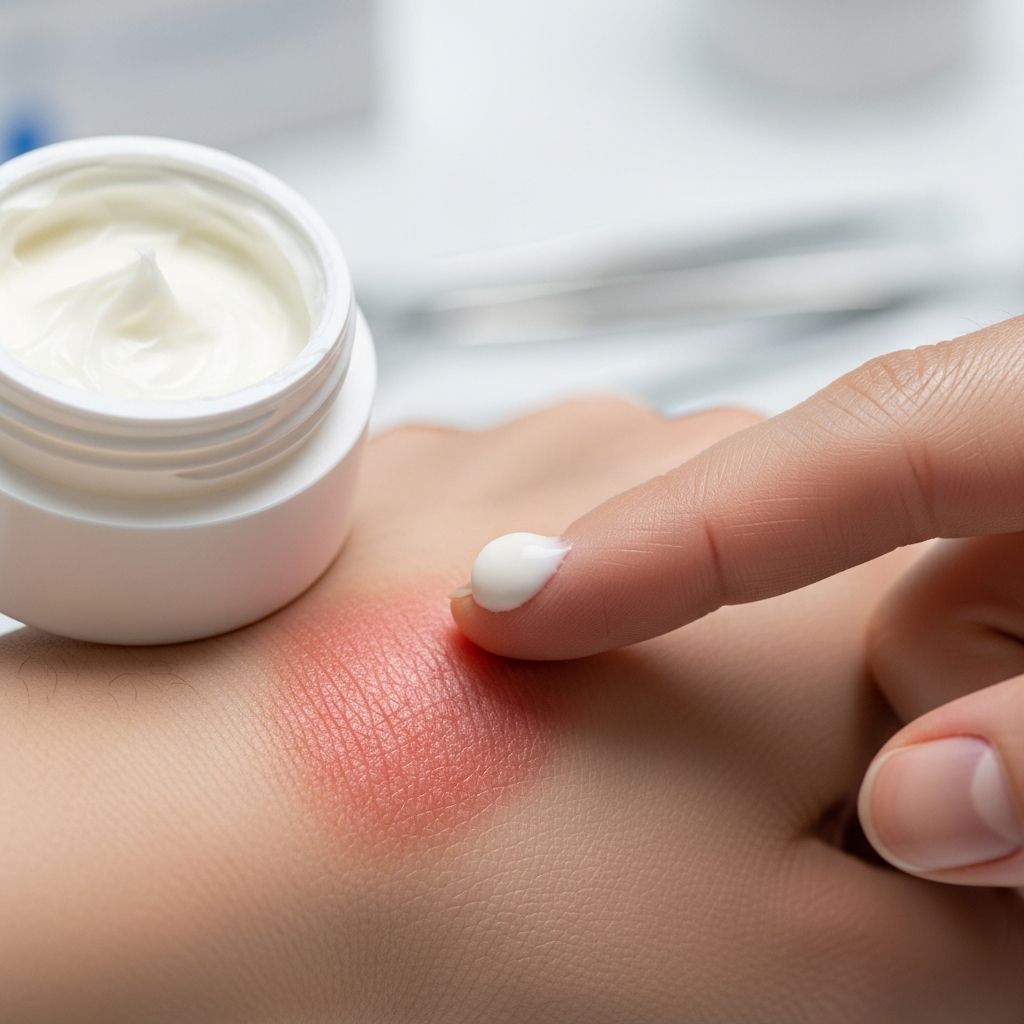
Topical corticosteroids represent a cornerstone of modern dermatological therapy, offering potent anti-inflammatory and antiproliferative effects for managing various skin conditions, particularly dermatitis. Since their introduction, these medications have transformed the treatment landscape for inflammatory skin diseases, enabling clinicians to manage previously resistant dermatoses effectively. However, their therapeutic power requires careful consideration of dosage, frequency, duration, and patient-specific factors to minimize adverse effects while maximizing clinical benefit.
Classification and Potency of Topical Corticosteroids
Topical corticosteroids are classified by potency level, ranging from low to super-potent formulations. This classification system helps clinicians select appropriate agents based on the severity of the condition, anatomical location, and individual patient factors. Understanding potency classification is essential for safe and effective prescribing, as higher-potency corticosteroids carry increased risk of adverse effects, particularly with prolonged use or application to sensitive areas such as the face or intertriginous zones.
The potency of a topical corticosteroid depends on multiple factors, including the intrinsic activity of the parent molecule, the vehicle formulation (cream, ointment, lotion), and the concentration of the active ingredient. Different strengths are available to match specific clinical needs and anatomical considerations, allowing healthcare providers to tailor treatment intensity to individual patient requirements.
Therapeutic Role in Dermatitis Management
Topical corticosteroids remain the mainstay of treatment for both adults and children with atopic dermatitis, according to treatment guidelines developed in Europe, Asia, and the United States. These medications are recommended when patients have not responded adequately to a consistent eczema skin care regimen that includes regular moisturizer use (emollients), appropriate antibacterial measures, and identification and elimination of potential allergens.
In severe cases, topical corticosteroids may be used in combination with systemic therapies to achieve optimal disease control. The anti-inflammatory properties of these agents make them particularly valuable for acute flares and chronic maintenance therapy. However, treatment should always incorporate comprehensive skin care strategies, as corticosteroids are most effective when combined with appropriate emollient use and environmental management.
Cutaneous Adverse Effects
Although topical corticosteroids are generally well-tolerated when used appropriately, they can cause both cutaneous and systemic adverse effects. The risk of adverse effects increases with several factors: larger area of application, higher potency formulations, prolonged duration of use, and application to thin-skinned areas. Children and individuals with naturally thin skin on the face and intertriginous areas are particularly susceptible to local adverse effects.
Common cutaneous adverse effects include:
- Atrophy (skin thinning) – appearing translucent with visible tiny blood vessels
- Striae (stretch marks)
- Perioral dermatitis – red rash around the mouth, particularly with facial use
- Acneiform eruption
- Purpura and easy bruising
- Rosacea-like reactions
- Telangiectasias (dilated blood vessels)
- Hypopigmentation (skin lightening)
- Hypertrichosis (increased hair growth)
Additional cutaneous complications include folliculitis, periocular dermatitis, delayed wound healing, secondary infections, contact dermatitis, and fungal overgrowth (tinea incognito – masking of dermatophyte infections). When corticosteroids are applied around the eyes, special precautions are necessary, as prolonged use can lead to glaucoma or cataracts through transepidermal penetration.
Importantly, side effects are rarely reported with low to mid-potency topical corticosteroids when used appropriately. Many of these adverse effects typically require weeks to months of overuse to develop and are largely preventable through proper prescribing practices and patient education.
Related Stories



Systemic Adverse Effects
While less common than cutaneous effects, systemic adverse effects can occur with topical corticosteroid use, particularly in vulnerable populations. Children are more susceptible to systemic adverse effects due to their enhanced percutaneous absorption through thinner, more permeable skin. Systemic side effects include hypothalamic-pituitary-adrenal (HPA) axis suppression, which can lead to iatrogenic Cushing’s syndrome in severe cases.
Cushing’s syndrome, a rare but serious complication of inappropriate topical corticosteroid use, presents with characteristic features including a red, puffy, rounded face, high blood pressure, weight gain, stretch marks, slower wound healing, acne, excessive facial and body hair, muscle weakness, fatigue, and emotional disturbances such as anxiety, irritability, and depression. Additional manifestations include frequent infections, irregular menstrual periods in women, erectile dysfunction or loss of sexual interest in men, and growth retardation in children.
Historical data demonstrates that over 40 documented cases of iatrogenic Cushing’s syndrome have been reported in the medical literature. Among children, infants represented 86% of affected cases, with diaper dermatitis being the most common primary condition leading to overuse. In adults, psoriasis was the most frequent indication (71%), followed by intertrigo and eczematous dermatitis. The median duration of application was significantly longer in adults (18 months) compared to children (2.75 months).
Other systemic effects of overuse include adrenal suppression resulting in low blood pressure, dizziness, and fainting. Rare but severe complications have included disseminated cytomegalovirus infection in immunocompromised infants exposed to potent corticosteroids.
Topical Steroid Withdrawal Syndrome
Topical steroid withdrawal syndrome, sometimes colloquially termed “topical steroid addiction” or “Red Skin Syndrome,” represents a clinical adverse effect occurring after inappropriate use or overuse of topical corticosteroids, followed by abrupt discontinuation. This syndrome typically results from prolonged, frequent, inappropriate use of moderate to high potency corticosteroids, particularly when applied to the face and genital areas, though it is not limited to these sites.
Clinical Presentation: The typical features of topical steroid withdrawal include intense burning, stinging, and bright red skin developing within days to weeks after corticosteroid discontinuation. Other manifestations include intense itching, scaling, swelling, skin sensitivity, and sleep disturbance. A flare of the pre-treatment skin disorder (particularly atopic dermatitis) may occur, along with secondary cutaneous infections and potential psychological effects including depression.
Two Distinct Subtypes: Research has identified two clinical variants of topical steroid withdrawal with somewhat different presentations:
Erythematoedematous type: This variant predominantly affects patients with underlying eczema-like conditions such as atopic or seborrheic dermatitis. Patients experience swelling, redness, burning, and heightened skin sensitivity, typically appearing within 1-2 weeks of steroid cessation. This subtype is more common and generally resolves gradually with supportive care.
Papulopustular variant: This form is more frequently associated with corticosteroid use for cosmetic purposes or acne-related disorders. It is differentiated by the presence of papules (pimple-like bumps), nodules, pustules, and redness, with less frequent burning and stinging compared to the erythematoedematous type. This variant is more often associated with previous inappropriate daily use of mid- to high-potency corticosteroids for cosmetic indications.
Both subtypes primarily affect the face of adult females and are predominantly associated with inappropriate daily use of mid- to high-potency corticosteroids for more than 12 months. The prevalence of topical corticosteroid withdrawal reactions remains unknown, though awareness among dermatologists has increased significantly in recent years.
Diagnostic Considerations: Distinguishing topical steroid withdrawal from a true eczema flare or other dermatological conditions is crucial, as misidentification can lead to inappropriate management. Healthcare providers must rule out alternative diagnoses such as allergic contact dermatitis, bacterial or fungal skin infections, and genuine eczema exacerbation. Confusing withdrawal symptoms with an eczema flare could result in unnecessary under-treatment of the underlying inflammatory condition.
Prevention and Management: Topical steroid withdrawal syndrome is preventable through appropriate prescribing practices, including limiting treatment duration, using the lowest effective potency, and gradual tapering rather than abrupt cessation. When withdrawal occurs, consultation with a healthcare provider is essential to develop a safe management strategy that may include gradual corticosteroid reduction, barrier repair with emollients, and supportive care until skin barrier function normalizes.
Risk Factors for Adverse Effects
Several factors significantly increase the likelihood of adverse effects from topical corticosteroid use:
- High potency formulations
- Prolonged duration of use (particularly exceeding 12 months of daily application)
- Large surface area of application
- Application to thin-skinned areas (face, intertriginous zones, genital areas, eyelids)
- Use in children and infants
- Occluded application (under dressings or wrappings)
- Use in patients with compromised skin barrier function
- Application under systemic conditions that enhance percutaneous absorption
Appropriate Use and Monitoring Guidelines
When topical corticosteroids are used with proper dosage, appropriate frequency, suitable duration, and close physician monitoring, they carry very low risk of causing systemic problems or skin thinning. Healthcare providers should follow evidence-based prescribing principles to maximize therapeutic benefit while minimizing harm.
Key principles for safe corticosteroid use include:
- Select the lowest potency corticosteroid effective for the specific condition and anatomical location
- Limit treatment duration; avoid open-ended prescriptions for chronic application
- Reduce application frequency when clinical improvement is achieved
- Avoid high-potency corticosteroids on thin-skinned areas
- Use barrier repair and emollient therapy as foundational treatment
- Provide clear patient education regarding appropriate use and duration
- Monitor for signs of adverse effects at regular clinical visits
- Consider gradual tapering rather than abrupt discontinuation for long-term users
- Reassess diagnosis periodically to ensure corticosteroid therapy remains appropriate
The potential benefits of topical corticosteroids for treating chronic inflammatory skin disease significantly outweigh the risks of adverse effects, including withdrawal syndrome, when medications are used appropriately according to evidence-based guidelines. Concern about potential side effects should not prevent proper management of patients with dermatitis and other inflammatory skin conditions.
Frequently Asked Questions (FAQs)
Q: Can I use topical corticosteroids long-term for dermatitis?
A: Long-term use of topical corticosteroids should be supervised by a healthcare provider. For maintenance therapy, lower-potency formulations are typically used at the lowest effective dose and frequency. High-potency corticosteroids should generally not be used continuously for extended periods without medical oversight to minimize adverse effects.
Q: What should I do if I develop red, burning skin after stopping topical steroids?
A: Consult your healthcare provider immediately. These symptoms may indicate topical steroid withdrawal syndrome. Your doctor will rule out other conditions such as infection or eczema flare and develop an appropriate management plan, which may include gradual corticosteroid tapering and supportive skin care.
Q: Are topical corticosteroids safe for children?
A: Yes, when used appropriately. However, children have thinner skin and greater percutaneous absorption, making them more susceptible to both cutaneous and systemic adverse effects. Healthcare providers should use lower-potency formulations, shorter treatment durations, and careful monitoring in pediatric patients.
Q: Can topical steroids thin my skin permanently?
A: Skin atrophy from topical corticosteroids can occur but is often reversible when use is discontinued, particularly if overuse was not prolonged. However, preventing atrophy through appropriate use is preferable to managing its consequences. Use the lowest effective potency and avoid unnecessary prolonged application.
Q: How do I know if I’m using topical steroids correctly?
A: Follow your healthcare provider’s specific instructions regarding potency, frequency, and duration of use. Generally, use the lowest potency effective for your condition, apply to affected areas only, reduce frequency as improvement occurs, and never extend treatment duration beyond what was prescribed without consulting your doctor.
References
- Topical Corticosteroids: Choice and Application — American Academy of Family Physicians (AAFP). 2021-03-15. https://www.aafp.org/pubs/afp/issues/2021/0315/p337.html
- Systemic Side-Effects of Topical Corticosteroids — National Center for Biotechnology Information (NCBI/PMC). 2012. https://pmc.ncbi.nlm.nih.gov/articles/PMC4171913/
- Topical Steroid Withdrawal — DermNet NZ. https://dermnetnz.org/topics/topical-corticosteroid-withdrawal
- Topical corticosteroids and withdrawal reactions — UK Medicines and Healthcare Products Regulatory Agency (MHRA). https://www.gov.uk/guidance/topical-corticosteroids-and-withdrawal-reactions
- Warnings for Topical Steroids in Eczema — National Eczema Association. https://nationaleczema.org/blog/warnings-for-topical-steroids-eczema/
Similar Articles








Read full bio of medha deb