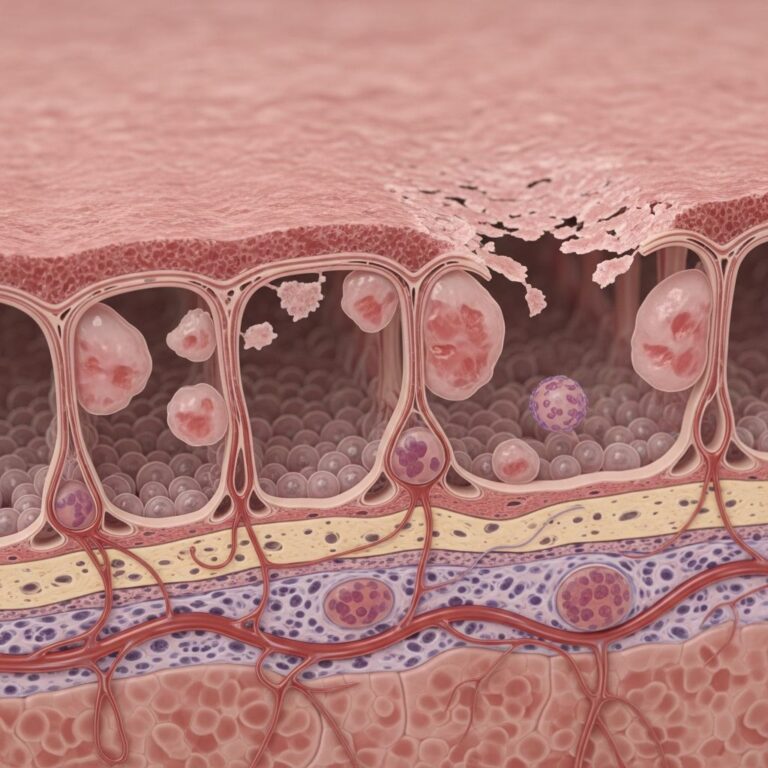
Topical Medications: 5 Essential Treatments For Skin
Comprehensive guide to topical treatments for acne, eczema, fungal infections, and more skin disorders.
Topical medications are applied directly to the skin to treat a wide range of dermatological issues, from acne and eczema to fungal infections and hyperpigmentation. These formulations, including creams, gels, ointments, lotions, and solutions, deliver active ingredients locally to reduce inflammation, kill pathogens, or promote skin cell turnover. Selecting the right topical treatment depends on the condition, skin type, and severity, often requiring dermatologist guidance for optimal results.
What are Topical Medications?
Topical medications are pharmaceutical preparations designed for external application to the skin. They come in various vehicles such as creams (emollient base for dry skin), ointments (occlusive for enhanced penetration), gels (non-greasy for oily skin), lotions (light for hairy areas), foams, solutions, and sprays. The choice of formulation influences absorption, efficacy, and patient compliance. For instance, ointments are ideal for dry, scaly conditions, while lotions suit wet or oozing skin.
These treatments target specific pathophysiological processes: keratolytics exfoliate dead skin, antimicrobials combat infections, anti-inflammatories reduce redness and itching, and depigmenting agents address hyperpigmentation. Many are available over-the-counter (OTC), but prescription-strength options exist for severe cases.
Common Types of Topical Medications
Topical Retinoids
**Topical retinoids**, derived from vitamin A, are cornerstone treatments for acne, photoaging, and hyperpigmentation. Key agents include adapalene, tretinoin, isotretinoin, tazarotene, and trifarotene, available as gels, creams, or foams. Applied nightly to the face, they normalize keratinization, reduce comedones, and exert anti-inflammatory effects, showing improvement in mild to moderate acne after 12 weeks.
Benefits extend to reducing fine wrinkles, solar lentigines, actinic keratoses, and post-inflammatory hyperpigmentation, especially in skin of colour by inhibiting melanosome transfer. They are also used for melasma (combined with bleaching agents), Darier disease, and localized ichthyosis. Retinoids bind to nuclear receptors (RAR and RXR), modulating keratinocyte gene expression for cellular turnover.
- Adapalene: Mildest, least irritating, comedolytic.
- Tretinoin: Potent for anti-aging and acne scarring prevention.
- Tazarotene: Stronger for psoriasis plaques.
Disadvantages include initial irritation (retinoid dermatitis: redness, peeling), sun sensitivity, and dryness, mitigated by starting low-frequency application, using moisturizers, and daily sunscreen. Contraindications: pregnancy (teratogenic), eczema.
Topical Corticosteroids (Steroids)
**Topical corticosteroids** are anti-inflammatory agents for eczema, psoriasis, dermatitis, and lichen planus. Classified by potency (mild: hydrocortisone; potent: betamethasone; very potent: clobetasol), they are formulated as creams, ointments, gels, or solutions.
Use the weakest effective steroid for the shortest duration. Ointments penetrate better under occlusion; creams suit moist areas. Combinations with antibiotics or antifungals are for infected eczema but limited to short-term to avoid resistance.
| Potency Class | Examples | Uses |
|---|---|---|
| Mild | Hydrocortisone 1% | Face, flexures, children |
| Moderate | Clobetasone 0.05% | Trunk, limbs |
| Potent | Betamethasone 0.1% | Thick plaques |
| Very Potent | Clobetasol 0.05% | Short-term for severe cases |
Side effects from prolonged potent use: skin atrophy, striae, telangiectasia, perioral dermatitis, steroid rosacea, and rarely systemic absorption. Topical steroid withdrawal (TSW) features burning, erythema after discontinuation in overuse cases, though rare[10].
Topical Antifungals
**Topical antifungals** treat dermatophyte (tinea), candidiasis, and pityriasis versicolor infections via creams, lotions, powders, gels, sprays, or lacquers. Broad-spectrum agents like clotrimazole, miconazole, terbinafine suit most; others target specific fungi.
Related Stories



Apply twice daily for 2-4 weeks, extending 1-2 weeks post-clearance, including a 2-3 cm margin. Antifungal shampoos (ketoconazole, ciclopirox) aid scalp conditions like seborrheic dermatitis or tinea capitis.
- Azoles (clotrimazole, ketoconazole): Yeast and dermatophytes.
- Allylamines (terbinafine): Dermatophytes primarily.
- Others: Ciclopirox, tolnaftate.
Avoid strong steroid combinations to prevent tinea incognito. Resistance is rising, especially in endemic areas; culture-guided therapy may be needed for recalcitrant cases.
Topical Antibiotics and Antiseptics
**Topical antibiotics** like clindamycin, erythromycin, and fusidic acid target bacterial infections such as impetigo or infected acne. Often combined with benzoyl peroxide to prevent resistance. Antiseptics (chlorhexidine, povidone-iodine) suit minor wounds or infected eczema in children, reducing antibiotic overuse.
Benzoyl peroxide (2.5-10%) is antibacterial, keratolytic, and comedolytic for acne. Avoid in very sensitive skin.
Other Topical Agents
- Azelaic acid: For acne, rosacea, melasma (antibacterial, anti-inflammatory, depigmenting).
- Alpha hydroxy acids (AHAs): Keratolytics for photoaging, warts.
- Calcineurin inhibitors (tacrolimus, pimecrolimus): Steroid-sparing for eczema.
- Salicylic acid: Keratolytic for warts, psoriasis.
- Coal tar, anthralin: Psoriasis.
Formulations and Application Tips
Match formulation to skin type: ointments for dry skin, gels for oily; lotions for hairy areas. Cleanse gently before application; thin layer suffices (fingertip unit rule: 0.5g covers two adult hands). Nighttime application minimizes photosensitivity. Moisturize to counter dryness; sunscreen essential for retinoids.
Side Effects and Precautions
Common issues: irritation, dryness, allergy. Potent agents risk atrophy, pigmentation changes, infections. Pregnancy categories vary (retinoids contraindicated). Monitor for resistance, withdrawal. Consult dermatologist for non-responders.
Frequently Asked Questions (FAQs)
Q: How long do topical retinoids take to work for acne?
A: Improvement typically seen after 12 weeks of nightly use; initial worsening (purging) is common.
Q: Can topical steroids be used on the face long-term?
A: No, limit potent steroids to 1-2 weeks on face; use mild or calcineurin inhibitors for maintenance.
Q: What if a fungal infection doesn’t clear with topical antifungals?
A: Extend treatment, check compliance, or escalate to oral antifungals; test for resistance.
Q: Are topical antibiotics safe for children with infected eczema?
A: Prefer antiseptics or short oral courses; topical fusidic acid viable for localized lesions.
Q: What is topical steroid withdrawal?
A: Rare rebound with burning, redness after stopping prolonged potent steroid use[10].
References
- Topical retinoids (vitamin A creams) — DermNet NZ. 2023. https://dermnetnz.org/topics/topical-retinoids
- Topical steroids (corticosteroid creams) — DermNet NZ. 2023. https://dermnetnz.org/topics/topical-steroid
- Topical treatment for acne — DermNet NZ. 2023. https://dermnetnz.org/topics/topical-treatment-for-acne
- Topical antifungal medications — DermNet NZ. 2023. https://dermnetnz.org/topics/topical-antifungal-medication
- Reviewing the Evidence Base for Topical Steroid Withdrawal — JMIR. 2024-01-15. https://www.jmir.org/2024/1/e57687/
- Topical antiseptic cream instead of a topical antibiotic — bpac.org.nz. 2015-06-01. https://bpac.org.nz/bpj/2015/june/topical.aspx
Similar Articles








Read full bio of medha deb