Topical Pain Relief: Best Creams, Gels, And Patches
Discover effective topical treatments for muscle, joint, and nerve pain with expert insights on types, uses, and safety.
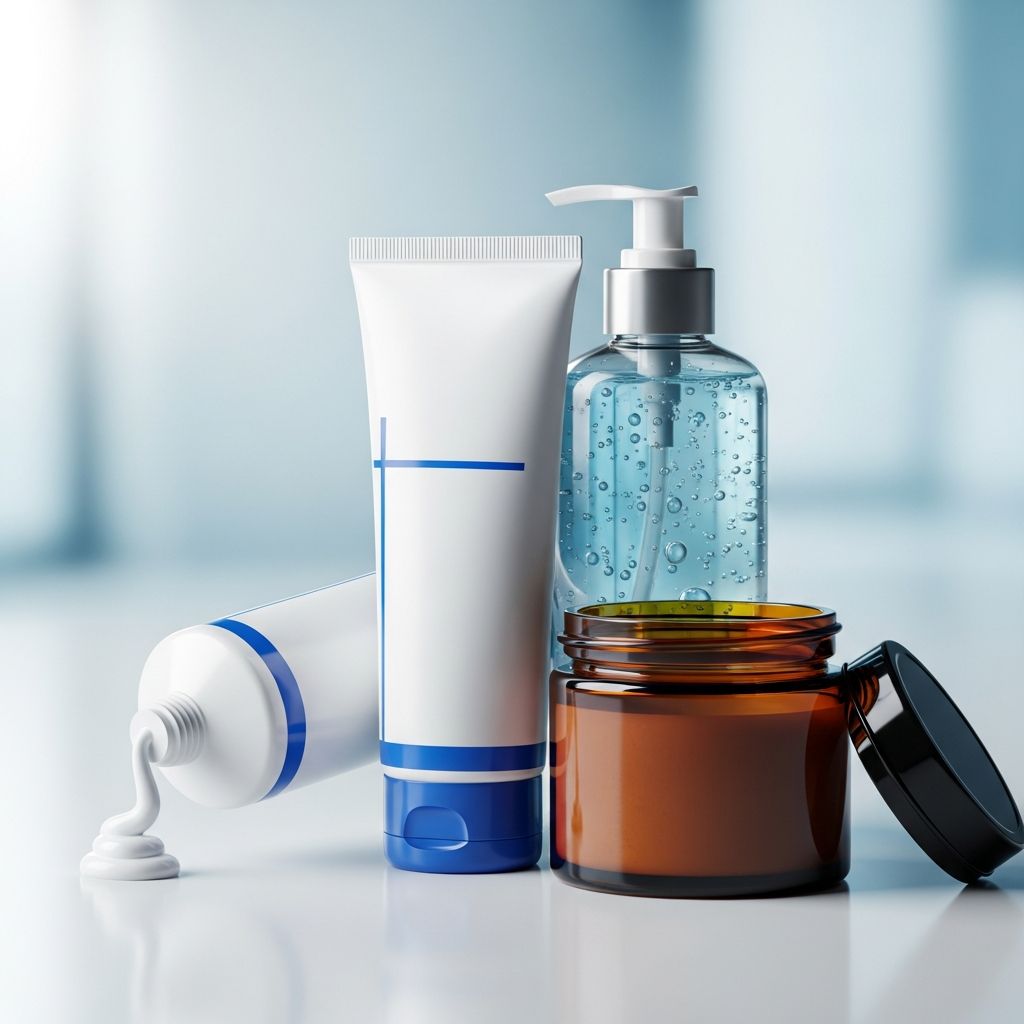
Topical pain relief products offer a targeted approach to managing discomfort from muscles, joints, and nerves by delivering active ingredients directly to the affected area. These formulations, including creams, gels, rubs, and patches, minimize systemic side effects compared to oral medications, making them suitable for localized acute and chronic pain conditions such as sprains, osteoarthritis, and neuropathic issues.
Why Choose Topical Analgesics?
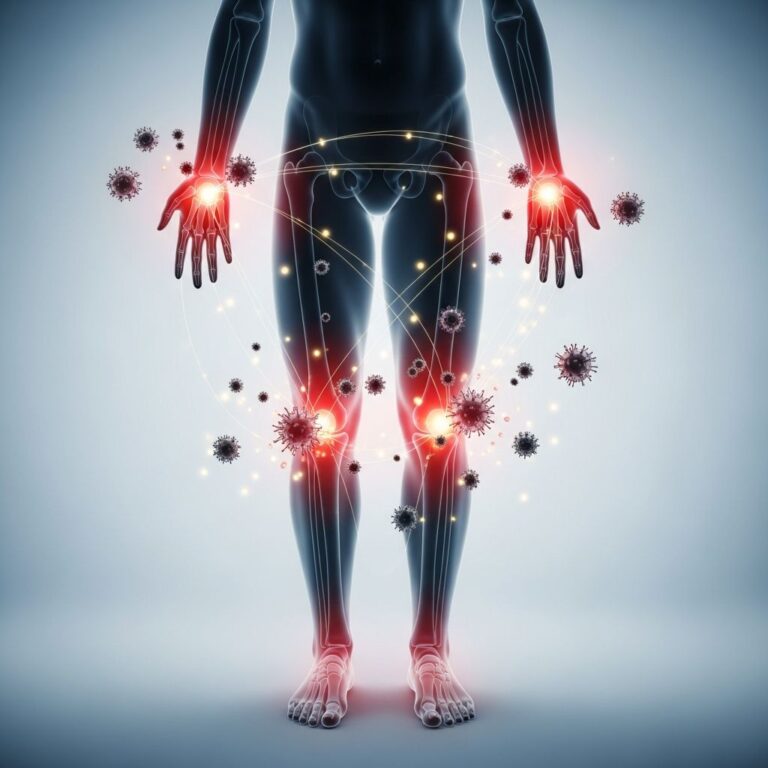
Topical analgesics work by penetrating the skin to act locally on pain receptors, reducing inflammation or numbing sensations without significant absorption into the bloodstream. This localized action is particularly beneficial for conditions like strains, sprains, tendinopathy, muscle aches, hand or knee osteoarthritis, and certain neuropathic pains. Clinical evidence supports their efficacy, with formulations like diclofenac and ketoprofen gels showing pain reduction comparable to oral NSAIDs for short-term use in acute musculoskeletal (MSK) injuries.
Key advantages include rapid onset—often within minutes for sensory types—and lower risk of gastrointestinal issues common with pills. They are ideal for patients seeking convenience, such as athletes recovering from strains or individuals with arthritis managing daily activities.
Common Types of Topical Pain Relievers
Diverse categories exist, each targeting pain through unique mechanisms. Understanding these helps select the right product.
- Nonsteroidal Anti-Inflammatory Drugs (NSAIDs): Gels, creams, or patches with diclofenac, ibuprofen, or ketoprofen reduce inflammation and pain in acute MSK conditions like sprains, strains, and osteoarthritis. Diclofenac gel is highly effective for hand, wrist, elbow, foot, ankle, or knee osteoarthritis, providing relief similar to oral versions.
- Lidocaine-Based Products: Available as creams, gels, patches, or sprays, lidocaine numbs the skin by blocking nerve signals. Effective for postherpetic neuralgia (PHN), minor irritations, shingles, and postoperative pain. Patches are convenient for 12-hour wear.
- Capsaicin Formulations: Derived from chili peppers, low-concentration creams (0.025%-0.075%) treat chronic pains like PHN, diabetic neuropathy, and arthritis via repeated application. High-concentration patches offer longer relief for PHN.
- Counterirritants and Rubefacients: Ingredients like menthol, camphor, methyl salicylate create cooling/warming sensations to distract from pain. Useful for general muscle aches, back pain, and sprains.
- Salicylate Rubs: Contain methyl salicylate for mild anti-inflammatory effects, often combined with menthol in rubs for muscle soreness.
Best Options for Specific Pain Conditions
Matching the product to the pain type optimizes results. Here’s a breakdown:
| Condition | Recommended Topicals | Efficacy Evidence |
|---|---|---|
| Sprains & Strains | Diclofenac Emulgel, ketoprofen gel, piroxicam gel | Reduce pain by 50% in 1 in 2-5 people over 1 week |
| Osteoarthritis (Hand/Knee) | Diclofenac gel, ketoprofen | Halves pain in 1 in 5-10 over 6-12 weeks |
| Postherpetic Neuralgia | High-concentration capsaicin patch, lidocaine patch | 50% relief in 1 in 12 for 8-12 weeks |
| Muscle Aches & Back Pain | Menthol/camphor rubs, topical NSAIDs | Fast sensory relief up to 8 hours |
| Rotator Cuff Pain | Nitroglycerin patches | Effective for prolonged use in daily activities |
Note: Diclofenac shows limited efficacy for back/neck pain compared to placebo.
How Topical Products Work
Each type employs distinct mechanisms:
- NSAIDs inhibit COX enzymes locally, curbing prostaglandin production that causes inflammation and pain. Minimal systemic uptake suits superficial joint/muscle issues.
- Lidocaine dampens nociceptor sensitization and protects against mechanical allodynia, ideal for nerve-related pain.
- Capsaicin depletes substance P, a pain transmitter, initially causing warmth but leading to desensitization over time.
- Counterirritants like menthol activate TRPM8 receptors for cooling, while capsaicin in rubs stimulates TRPV1 for warmth, competing with pain signals.
Safe Application Guidelines
Proper use maximizes benefits and minimizes risks:
- Clean and dry the skin before applying.
- Use the recommended dose—typically a pea-sized amount for gels, rubbed gently for 30-60 seconds.
- Wash hands after application; avoid eyes, mouth, mucous membranes.
- For patches, cut to fit the pain area and wear up to 12 hours.
- Do not cover with bandages unless specified, to prevent excessive absorption.
- Start with short-term use (1-2 weeks for acute pain); consult a doctor for chronic conditions.
Related Stories



Store in cool, dry places away from children. Discard if skin irritation occurs.
Potential Side Effects and Precautions
While safer than orals, side effects include local skin reactions like redness, itching, or burning—more common with capsaicin (NNH 16). Topical diclofenac may cause mild local events (NNH 16). Rare systemic effects occur with overuse.
- Avoid if: Allergic to ingredients, broken skin, or pregnancy (consult doctor).
- Interactions: NSAIDs with blood thinners; capsaicin with heat therapy.
- Special Groups: Elderly or those with kidney issues prefer topicals over orals. Children under 12: limited data.
Serious events are rare (very low-quality evidence). Discontinue if rash or swelling develops.
Comparing Popular Formulations
| Product Type | Active Ingredients | Duration | Best For |
|---|---|---|---|
| NSAID Gel | Diclofenac 1-2% | Up to 12 hours | OA, strains |
| Lidocaine Patch | Lidocaine 5% | 12 hours/day | Neuralgia |
| Capsaicin Cream | 0.025-0.075% | Repeated apps | Chronic nerve pain |
| Counterirritant Rub | Menthol, camphor | 4-8 hours | Muscle aches |
Evidence from Clinical Studies
Systematic reviews confirm topical NSAIDs excel for acute MSK pain, with gels outperforming placebos. For chronic OA, consistent 6-12 week application yields modest but significant relief. Alternative options like cabbage leaf wraps or Traumeel show promise (SORT B level) for MSK injuries, comparable to diclofenac in some trials, though manufacturer-funded.
Frequently Asked Questions (FAQs)
Can topical creams replace oral painkillers?
They are effective alternatives for localized pain, reducing systemic risks, but not for widespread conditions.
How long until I feel relief?
Sensory rubs act in minutes; NSAIDs in 30-60 minutes; capsaicin builds over days.
Are they safe for daily use?
Short-term yes; monitor skin and consult for prolonged use, especially with comorbidities.
What if I’m pregnant?
Limited data; avoid NSAIDs in third trimester and consult healthcare provider.
Do they work on all skin types?
Generally yes, but test patch for sensitivity; hydration tech in some prevents dryness.
When to See a Doctor
Seek professional advice if pain persists >2 weeks, worsens, accompanies swelling/fever, or follows injury. Topicals complement but don’t replace medical evaluation for underlying issues.
References
- Making Sense of Topical Pain Relief Options — PubMed Central. 2024. https://pmc.ncbi.nlm.nih.gov/articles/PMC11556579/
- Types of Topical Pain Relief Creams for Patients — Haleon Health Partner. 2023. https://www.haleonhealthpartner.com/en-us/patient-care-resources/types-of-topical-pain-relief-creams/
- Topical Nonprescription Pain Medications for Adults — JAMA Network. 2023. https://jamanetwork.com/journals/jama/fullarticle/2811624
- Topical analgesics for acute and chronic pain in adults — PubMed Central. 2019 (updated relevance for guidelines). https://pmc.ncbi.nlm.nih.gov/articles/PMC6481750/
- Why Use Topical Analgesic Creams? — Tylenol. 2024. https://www.tylenol.com/adult-relief/muscles/benefits-of-topicals
- Topical Pain Relief: Creams, Gels, and Rubs — WebMD. 2024. https://www.webmd.com/pain-management/topical-pain-relievers
Similar Articles








Read full bio of Sneha Tete