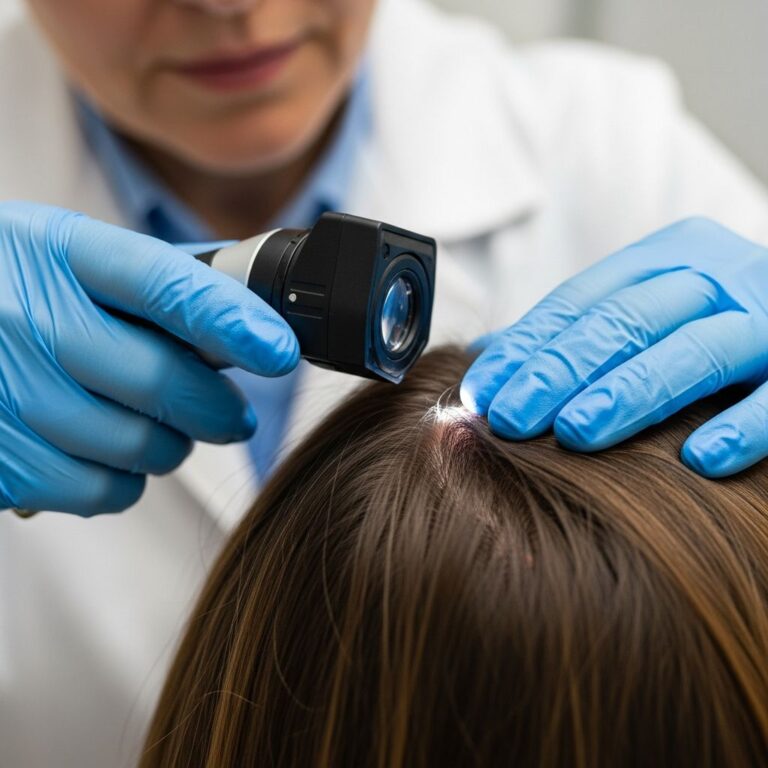
Topical Psoriasis Treatments: Expert Guide To Effective Options
Discover effective topical therapies for managing psoriasis symptoms, from corticosteroids to innovative non-steroid options for mild to moderate cases.
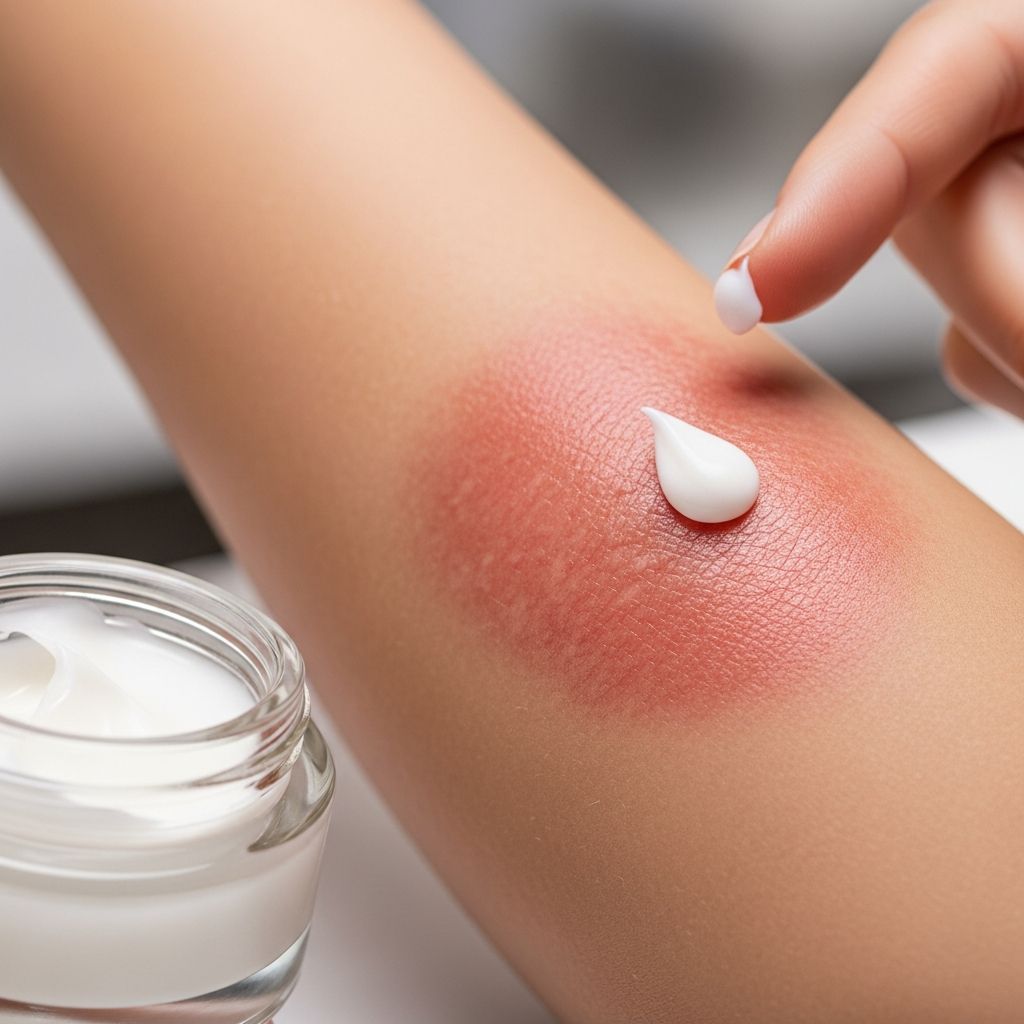
Psoriasis manifests as chronic inflamed skin patches due to rapid cell turnover, and topical therapies serve as the primary approach for mild to moderate cases affecting less than 10% of body surface area. These treatments directly target lesions to reduce scaling, redness, and itching while minimizing systemic risks.
Understanding Psoriasis and the Role of Topicals
Psoriasis involves immune-mediated hyperproliferation of keratinocytes, leading to thick plaques. Topical agents address this by modulating inflammation, normalizing cell growth, and softening scales. They excel for localized disease, scalp involvement, nails, sensitive regions like face and genitals, and as adjuncts in broader cases.
Patients often start with these due to ease of use, rapid onset, and favorable safety profile compared to oral or injectable options. Selection depends on plaque thickness, location, patient age, and comorbidities.
Key Categories of Topical Therapies
Corticosteroids: The Foundation of Treatment
Corticosteroids remain the most potent and commonly prescribed topicals for psoriasis, reducing inflammation and suppressing immune responses in plaques. Available in varying potencies—from mild (e.g., hydrocortisone) for face and folds to super-potent (e.g., clobetasol) for thick plaques on elbows or knees—they come as creams, ointments, gels, foams, or sprays.
Guidelines recommend potent formulations as first-line for cost-effectiveness and efficacy, often combined with other agents for superior results. Apply once daily during flares, tapering to weekends for maintenance to prevent rebound.
- Mild: Hydrocortisone 1% for sensitive areas.
- Moderate: Betamethasone valerate for body plaques.
- Potent: Mometasone furoate for scalp and extremities.
Short-term use yields clear skin in weeks, but prolonged application risks skin atrophy, striae, or tachyphylaxis (reduced response). Rotation with non-steroids mitigates this.
Vitamin D Analogs: Regulating Skin Cell Growth
These synthetic vitamin D derivatives, like calcipotriene and tacalcitol, inhibit keratinocyte proliferation and enhance differentiation without steroid side effects. Calcipotriene ointment or solution is highly effective for plaques, especially in combination with corticosteroids for faster clearance.
Tacalcitol offers good tolerability for long-term use on sensitive skin, outperforming monotherapy but less potent alone. Apply twice daily; combinations like calcipotriene-betamethasone foam simplify regimens and boost adherence.
| Analog | Strength | Best Use | Notes |
|---|---|---|---|
| Calcipotriene | 0.005% | Plaques, scalp | Combine with steroids |
| Tacalcitol | 4 mcg/g | Chronic plaques | Safe long-term |
Calcineurin Inhibitors: Steroid Alternatives for Delicate Areas
Tacrolimus (0.1%) and pimecrolimus (1%) block T-cell activation, curbing inflammation ideal for face, genitals, intertrigs, and inverse psoriasis. Used off-label for psoriasis despite eczema approval, they serve as steroid-sparing agents or rescue therapies.
Less potent than corticosteroids or vitamin D analogs but safer for prolonged use without atrophy risk. Newer formulations may enhance efficacy.
Retinoids: Targeting Cell Turnover
Tazarotene (0.05-0.1% gel/cream), a vitamin A derivative, normalizes differentiation and reduces plaques, particularly nails under occlusion. Often paired with corticosteroids or calcipotriene to offset irritation; effective maintenance option.
Related Stories



Apply nightly; photosensitivity and peeling are common, so use sunscreen.
Emerging Non-Steroidal Options
Innovations like tapinarof (Vtama, 1% cream), an aryl hydrocarbon receptor agonist, and roflumilast (Zoryve) offer once-daily application for moderate-severe plaques, safe for sensitive areas and long-term. These steroid-free choices expand options for rotation.
Application Strategies and Combinations
Maximize efficacy with tailored techniques:
- Prep skin: Soak and gently remove scales with salicylic acid (2-6%) shampoos or creams to enhance penetration.
- Occlusion: Wrap with plastic for thicker plaques or nails.
- Combinations: Steroid + vitamin D (e.g., fixed calcipotriene-clobetasol) clears 70-80% faster than monotherapy.
- Scalp: Foams or solutions; part hair for coverage.
Emollients like petrolatum hydrate and soothe, amplifying all topicals.
Managing Side Effects and Safety
While safe, monitor for:
| Treatment | Common Side Effects | Prevention |
|---|---|---|
| Corticosteroids | Thinning, telangiectasia | Pulse dosing, low-potency on face |
| Vitamin D | Irritation, hypercalcemia (rare) | Limit to 100g/week |
| Retinoids | Redness, burning | Start low strength, moisturize |
| Calcineurin | Burning, cancer risk (black box) | Short-term, avoid sun |
Pediatric and pregnant patients favor milder agents. Consult dermatologists for personalization.
Over-the-Counter Supports
OTC aids include salicylic acid for desquamation, coal tar shampoos for scalp, and thick moisturizers to barrier-repair. These complement prescriptions.
When Topicals Fall Short
For >10% BSA or refractory cases, combine with phototherapy or systemics. Track progress; switch if no improvement in 4-6 weeks.
Frequently Asked Questions
What is the most effective topical for psoriasis?
Corticosteroids and vitamin D analogs top the list for efficacy and tolerability in most cases.
Can I use topicals on my face or genitals?
Yes, opt for mild steroids, calcineurin inhibitors, or tacalcitol.
How long until I see results?
1-2 weeks for steroids; 4-8 weeks for others. Consistency matters.
Are topicals safe for children?
Yes, with mild formulations and monitoring.
Do topicals cure psoriasis?
No, they control symptoms; flares may recur.
Patient Tips for Success
- Apply thinly post-bath.
- Moisturize frequently.
- Avoid triggers like stress, alcohol.
- Adhere to regimens; use apps for reminders.
Topicals empower psoriasis management, offering accessible relief with strategic use.
References
- Topical Therapy in Psoriasis – PMC – NIH — National Library of Medicine. 2023-10-01. https://pmc.ncbi.nlm.nih.gov/articles/PMC10564191/
- 10 Best Psoriasis Creams, Ointments, and Lotions – GoodRx — GoodRx. 2024-01-15. https://www.goodrx.com/conditions/psoriasis/best-psoriasis-cream
- Topical Creams and Lotions to Treat Psoriasis – WebMD — WebMD. 2025-02-10. https://www.webmd.com/skin-problems-and-treatments/psoriasis/topical-treatments-psoriasis
- Psoriasis – Diagnosis and treatment – Mayo Clinic — Mayo Clinic. 2025-11-20. https://www.mayoclinic.org/diseases-conditions/psoriasis/diagnosis-treatment/drc-20355845
- Psoriasis – Treatment – NHS — NHS. 2024-05-12. https://www.nhs.uk/conditions/psoriasis/treatment/
- Psoriasis: an update on topical and systemic therapies — Australian Prescriber. 2023-08-01. https://australianprescriber.tg.org.au/articles/psoriasis-an-update-on-topical-and-systemic-therapies.html
Similar Articles








Read full bio of Sneha Tete