Topical Silver Therapy: What You Need To Know For Wound Care
Explore the antimicrobial benefits, efficacy, side effects, and clinical applications of silver-based topical treatments for wounds and burns.
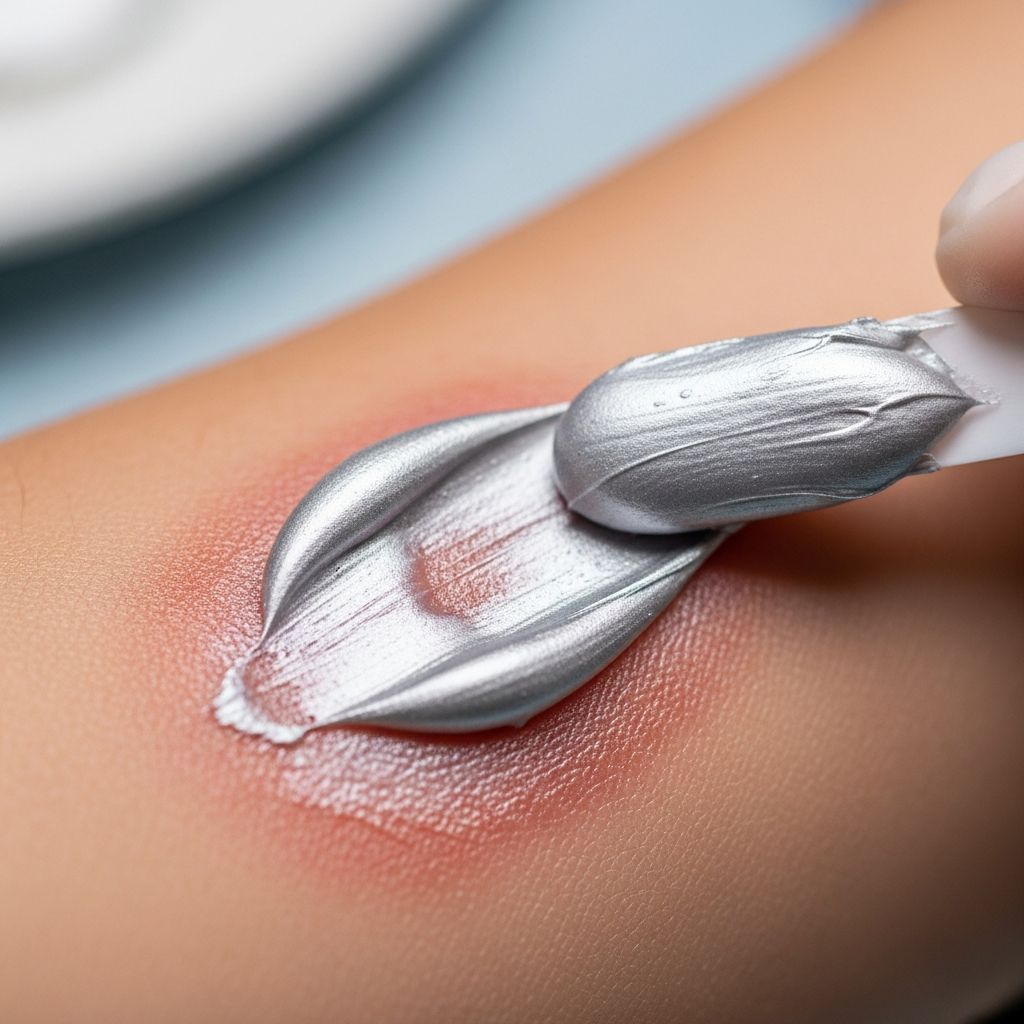
Topical silver therapy involves the application of silver-containing preparations directly to the skin or wounds to leverage silver’s broad-spectrum antimicrobial properties. These treatments are particularly valuable for managing acute thermal burns, contaminated or infected wounds, and chronic ulcers, where they help prevent infections and support healing processes.
What is topical silver therapy?
Topical silver therapy refers to the use of silver in various topical formulations applied to the skin, including creams, ointments, and advanced wound dressings coated or impregnated with silver. Silver has a long history in medicine, dating back to around 4000 BC, when it was first recognized for its ability to prevent infection transmission. Modern applications capitalize on silver’s ion form (Ag+), which exhibits potent antiseptic effects by binding to bacterial cell walls, disrupting cell division, and interfering with DNA replication.
The most commonly employed preparations include silver sulfadiazine cream (e.g., Silvadene, Flamazine), silver nitrate solutions, and innovative nanocrystalline silver dressings such as Acticoat, Aquacel Ag, and PolyMem Silver. Nanocrystalline silver dressings are engineered for sustained release of silver ions, minimizing the need for frequent changes and reducing patient discomfort.
- Silver sulfadiazine (SSD): A hydrophilic cream widely used for burns.
- Silver nitrate: Applied as a solution for cauterization or moist dressings.
- Nanocrystalline silver: Embedded in dressings for prolonged antimicrobial action.
- Other forms: Colloidal silver, silver-impregnated foams, and hydrofibers.
How it works
Silver ions (Ag+) are the active antimicrobial agents in topical silver therapy. They exert a broad-spectrum effect against Gram-positive and Gram-negative bacteria, fungi, and even some viruses. The mechanism involves silver ions penetrating bacterial cell membranes, where they bind to proteins, enzymes, and DNA, thereby halting essential cellular processes like respiration, replication, and division.
Recent research highlights additional benefits beyond antibiosis. Silver nanoparticles, a key component in many modern dressings, demonstrate anti-inflammatory properties by modulating cytokines such as IL-6 and TGF-β1. They promote keratinocyte proliferation and migration, enhance fibroblast differentiation into myofibroblasts for wound contraction, and reduce matrix metalloproteinases (MMPs) that can impede healing. In animal models, silver treatments have shortened inflammatory and granulation phases while accelerating epidermal repair.
Silver uptake varies by formulation: nanocrystalline dressings provide controlled release, depositing silver locally as silver sulfide in superficial skin layers without deep penetration. This sustained action maintains low but effective concentrations at the wound site, minimizing toxicity risks.
Skin conditions treated
Topical silver therapy is indicated for a range of skin conditions prone to infection or delayed healing:
- Acute thermal burns: First- and second-degree burns benefit from infection prevention.
- Contaminated or infected wounds: Surgical wounds, traumatic injuries, and abrasions.
- Chronic ulcers: Venous, diabetic, and pressure ulcers with bacterial overgrowth.
- Other applications: Donor sites, split-skin graft sites, and abrasions in high-risk patients.
Related Stories



While primarily for infected or high-risk wounds, silver is not routinely recommended for clean, healing wounds due to lack of superior outcomes over standard care.
Efficacy
Clinical evidence on topical silver’s efficacy is mixed. Silver preparations effectively reduce bacterial burden, but they do not consistently outperform non-silver alternatives in healing time or antibiotic needs.
| Condition | Silver Type | Efficacy Highlights | Evidence |
|---|---|---|---|
| Thermal burns | Nanocrystalline dressings | Superior to SSD in reducing infections, pain, and costs; faster healing. | Randomized trials show lower infection rates. |
| Thermal burns | Silver sulfadiazine | May delay healing, increase pain; higher infection risk vs. nanocrystalline. | Meta-analyses confirm drawbacks. |
| Chronic ulcers | Silver dressings | Short-term ulcer size reduction; lowers bacterial load. | Some studies show benefits; no long-term healing acceleration. |
| Infected wounds | Various silver | Reduces bioburden; no evidence of shorter healing or less antibiotics. | Cochrane reviews. |
In rat models, 0.1-1.0% silver nitrate and SSD accelerated suture exteriorization, wound closure, and scab loss by day 4, reducing inflammation and enhancing epidermal repair. Silver nanoparticles in dressings outperformed traditional antimicrobials like nitrofurazone in epithelialization speed, with lower toxicity.
Chitosan-nanocrystalline silver dressings achieved 89% healing rates in burns versus 68% for SSD, depositing less silver and reducing argyria risk. Overall, silver excels in bioburden control but lacks superiority in cost-effectiveness or healing speed for most wounds.
Side effects
Topical silver is generally well-tolerated, but side effects include:
- Local stinging or burning: Common with SSD application.
- Staining: Black discoloration of skin or dressings from silver nitrate; temporary with modern dressings.
- Maculopapular rash: Rare allergic reactions.
- Delayed healing: SSD may slow epithelialization due to sulfa component toxicity to fibroblasts.
- Cytotoxicity: High doses can damage keratinocytes; mitigated by nanocrystalline forms.
Studies confirm minimal penetration with sustained-release dressings, limiting systemic effects.
Toxicity
Systemic toxicity is rare with proper use. Argyria (blue-gray skin discoloration) occurs with prolonged, excessive exposure, primarily from silver nitrate or colloidal silver ingestion—not typical topical use. Nanocrystalline silver shows low absorption, with silver levels normalizing post-treatment.
Silver alters skin zinc and calcium: zinc dips during inflammation then rebounds, while calcium stays elevated. No deep tissue deposition observed in wounds. Nanoparticles reduce fibroblast toxicity compared to ionic silver.
How to use
Guidelines for safe, effective use:
- Assess wound: Reserve for infected/high-risk cases; debride first.
- Select product: Nanocrystalline for burns; SSD for partial-thickness.
- Apply: Thin layer of cream or non-adherent dressing; change every 3-7 days or if saturated.
- Monitor: Signs of infection, pain, allergy; discontinue if no improvement in 7-14 days.
- Combine: With moist wound healing; avoid in sulfa-allergic patients.
For nanocrystalline dressings like Acticoat, wet with sterile water, apply, and secure; reapply every 7 days. Avoid silver with enzymes or iodide dressings due to inactivation.
Frequently Asked Questions
What wounds benefit most from topical silver?
Burns, infected wounds, and chronic ulcers with heavy bacterial load; not for clean, granulating wounds.
Is silver better than antibiotics topically?
Silver has broad-spectrum action with low resistance risk but doesn’t speed overall healing beyond bioburden control.
Can silver cause permanent skin discoloration?
Argyria is rare with approved topical use; temporary staining is more common.
How do nanocrystalline dressings compare to creams?
They offer sustained release, less pain, fewer changes, and better outcomes in burns.
Is topical silver safe for children and elderly?
Yes, with standard precautions; monitor for sensitivity.
References
- Topical silver therapy — DermNet NZ. 2023. https://dermnetnz.org/topics/topical-silver-therapy
- Silver aids healing in the sterile skin wound — British Journal of Dermatology (Oxford Academic). 1997-11-01. https://academic.oup.com/bjd/article/137/5/728/6682351
- Silver Nanoparticles as Real Topical Bullets for Wound Healing — National Center for Biotechnology Information (PMC). 2013-10-15. https://pmc.ncbi.nlm.nih.gov/articles/PMC3921230/
- Silver dressings: their role in wound management — National Center for Biotechnology Information (PMC). 2021. https://pmc.ncbi.nlm.nih.gov/articles/PMC7951582/
- Silver dressings: their role in wound management — National Center for Biotechnology Information (PMC). 2021. https://pmc.ncbi.nlm.nih.gov/articles/PMC7951582/
Similar Articles








Read full bio of medha deb