Topical Steroid Risks for Eczema Treatment
Understand the essential warnings, side effects, and safe usage guidelines for topical steroids in managing eczema effectively.
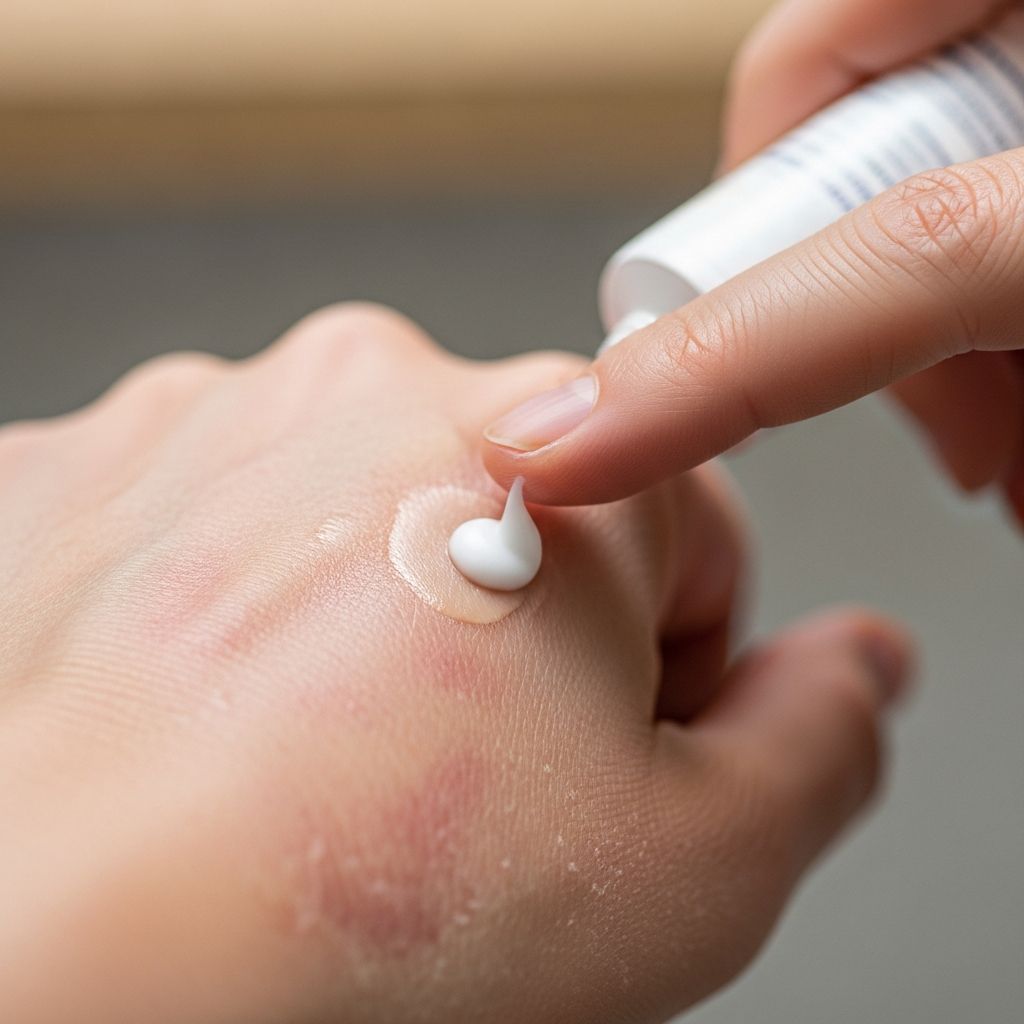
Topical corticosteroids remain a cornerstone in eczema management, offering rapid relief from inflammation and itching. However, their prolonged or improper use can lead to significant adverse effects, including topical steroid withdrawal (TSW), skin atrophy, and rebound flares. This article delves into these risks, drawing from authoritative medical reviews and guidelines to empower patients and caregivers with knowledge for safer treatment.
Understanding Topical Corticosteroids in Eczema Care
Topical steroids work by mimicking the body’s natural cortisol to reduce inflammation, suppress immune responses in the skin, and alleviate symptoms like redness, swelling, and pruritus associated with eczema. Available in potencies ranging from mild (e.g., hydrocortisone) to super-potent (e.g., clobetasol), they are prescribed based on the severity and location of eczema lesions.
While short-term use is generally safe and effective, the skin’s vulnerability—especially in children, on the face, or genitals—necessitates caution. Regulatory bodies emphasize adherence to prescribed durations to prevent complications.
Common Local Side Effects of Prolonged Use
Local adverse reactions arise primarily from extended application, high potency, and sensitive sites. These effects stem from steroids’ impact on skin structure, including dermal thinning and vascular changes.
- Skin Atrophy: Repeated use depletes mucopolysaccharides in the dermis, leading to thin, shiny, wrinkled skin with visible veins.
- Striae: Stretch marks form due to collagen breakdown, particularly on flexural areas.
- Rosacea and Perioral Dermatitis: Facial application in middle-aged women or children can trigger papules, pustules, and erythema around the mouth.
- Acneiform Eruptions: Steroids promote bacterial overgrowth, mimicking acne or folliculitis.
- Hypertrichosis and Pigmentation Changes: Excess hair growth or hypopigmentation occurs less frequently but is noticeable.
Table 1 summarizes key local side effects, risk factors, and mechanisms:
| Side Effect | Risk Factors | Mechanism |
|---|---|---|
| Skin Atrophy | High potency, prolonged use, occlusion | Dermal mucopolysaccharide resorption |
| Striae | Flexural areas, children | Connective tissue weakening |
| Rosacea/Perioral Dermatitis | Facial use, potent steroids | Vascular rebound, folliculitis |
| Acne/Purpura | Face/genitals, long-term | Bacterial proliferation, vessel fragility |
Sources confirm these effects are dose- and site-dependent, with facial skin most susceptible due to higher absorption.
Topical Steroid Withdrawal: A Severe Complication
TSW, also termed red skin syndrome or steroid addiction, manifests after chronic daily use, often of potent formulations. Symptoms emerge shortly after discontinuation: intense burning, stinging, widespread erythema, and oozing, sometimes eclipsing original eczema severity.
The UK MHRA’s national review linked long-term use to these reactions, urging patients to consult professionals before resuming steroids upon symptom onset. Unlike routine flares, TSW involves dependency, with skin hypersensitive and prone to pustules or papules.
Risk Factors Amplifying TSW and Side Effects
Certain practices heighten vulnerability:
- High-potency steroids over months without breaks.
- Application to thin-skinned areas like eyelids or groin.
- Daily, unmonitored use leading to tachyphylaxis (reduced response).
- Occlusive dressings or extensive body coverage.
Children face amplified risks due to greater absorption ratios, potentially affecting growth or immunity long-term.
Systemic Absorption and Broader Health Impacts
Though rare with topical use, systemic effects occur via absorption, especially under occlusion or on large areas. These include HPA axis suppression, growth delays in pediatrics, osteoporosis, and glaucoma.
Related Stories



One study noted elevated lymphoma risk with both high- and low-potency use in atopic dermatitis cohorts, though causality requires further scrutiny. Infections may worsen, as steroids mask tinea or bacterial overgrowth.
Safe Application Strategies to Minimize Risks
To harness benefits while curbing harms:
- Follow Prescriptions Precisely: Use lowest effective potency for shortest duration; taper off gradually.
- Finger-Tip Units (FTU): Measure doses accurately—one FTU covers two adult hands.
- Site-Specific Guidelines: Mild steroids for face/genitals; avoid occlusion unless directed.
- Regular Monitoring: Consult dermatologists for non-responders or prolonged needs; integrate non-steroidal options like calcineurin inhibitors or moisturizers.
- Patient Education: MHRA leaflets highlight withdrawal signs for early intervention.
Table 2 outlines potency selection by site:
| Body Area | Recommended Potency | Max Duration |
|---|---|---|
| Face, Genitals, Flexures | Mild (e.g., 1% Hydrocortisone) | 7-14 days |
| Trunk, Limbs | Moderate | 2-4 weeks |
| Palms/Soles | Potent | 2-4 weeks with breaks |
Vehicle-Related Concerns and Alternatives
Steroid vehicles (creams, ointments) can irritate or enhance penetration, exacerbating effects. Ointments occlude more, risking higher absorption; alcohols in lotions may sting.
Alternatives include wet wraps for short bursts, emollients for barrier repair, and biologics like dupilumab for severe cases. Proactive twice-weekly application post-clearance prevents flares without daily risks.
Addressing Parental and Patient Fears
Fears of thinning, addiction, or cancer are common, often amplified online. Evidence shows proper use yields low incidence; misuse drives issues. Open discussions with providers build confidence.
Frequently Asked Questions (FAQs)
What are early signs of topical steroid withdrawal?
Burning, redness worse than baseline eczema, occurring days to weeks post-stoppage.
Can children safely use topical steroids?
Yes, with mild potencies, limited durations, and monitoring; risks rise with potency/duration.
How long is ‘long-term’ use?
Varies; daily for months, especially potent ones, heightens TSW risk.
What if side effects appear?
Stop and seek medical advice; do not restart without guidance.
Are there steroid-free eczema options?
Yes: moisturizers, topical calcineurin inhibitors, phototherapy, systemic therapies.
Balancing efficacy and safety requires informed, guided use. Patients experiencing unusual symptoms post-use should promptly consult healthcare providers to tailor management.
References
- Long-term continual use of topical steroids linked to skin withdrawal side effects — Medicines and Healthcare products Regulatory Agency (MHRA), UK Government. 2023-10-18. https://www.gov.uk/government/news/long-term-continual-use-of-topical-steroids-linked-to-skin-withdrawal-side-effects
- Side-effects of topical steroids: A long overdue revisit — PMC (PubMed Central). 2014-10-01. https://pmc.ncbi.nlm.nih.gov/articles/PMC4228634/
- Topical Steroid Withdrawal and Eczema — National Eczema Association. Accessed 2026. https://nationaleczema.org/treatments/topical-steroid-withdrawal/
- Topical Corticosteroids: Choice and Application — American Academy of Family Physicians (AAFP). 2021-03-15. https://www.aafp.org/pubs/afp/issues/2021/0315/p337.html
- The long‐term safety of topical corticosteroids in atopic dermatitis — PMC (PubMed Central). 2023-10-01. https://pmc.ncbi.nlm.nih.gov/articles/PMC10549798/
- Topical Steroid Concerns in Atopic Dermatitis — Happy Skin Dermatology. 2025-04-18. https://www.happyskindermatology.com/2025/04/18/topical-steroid-concerns-in-atopic-dermatitis/
Similar Articles








Read full bio of medha deb