Topical Steroid Use in Atopic Dermatitis
Expert guidelines on safe and effective topical steroid application for managing atopic dermatitis symptoms in adults and children.
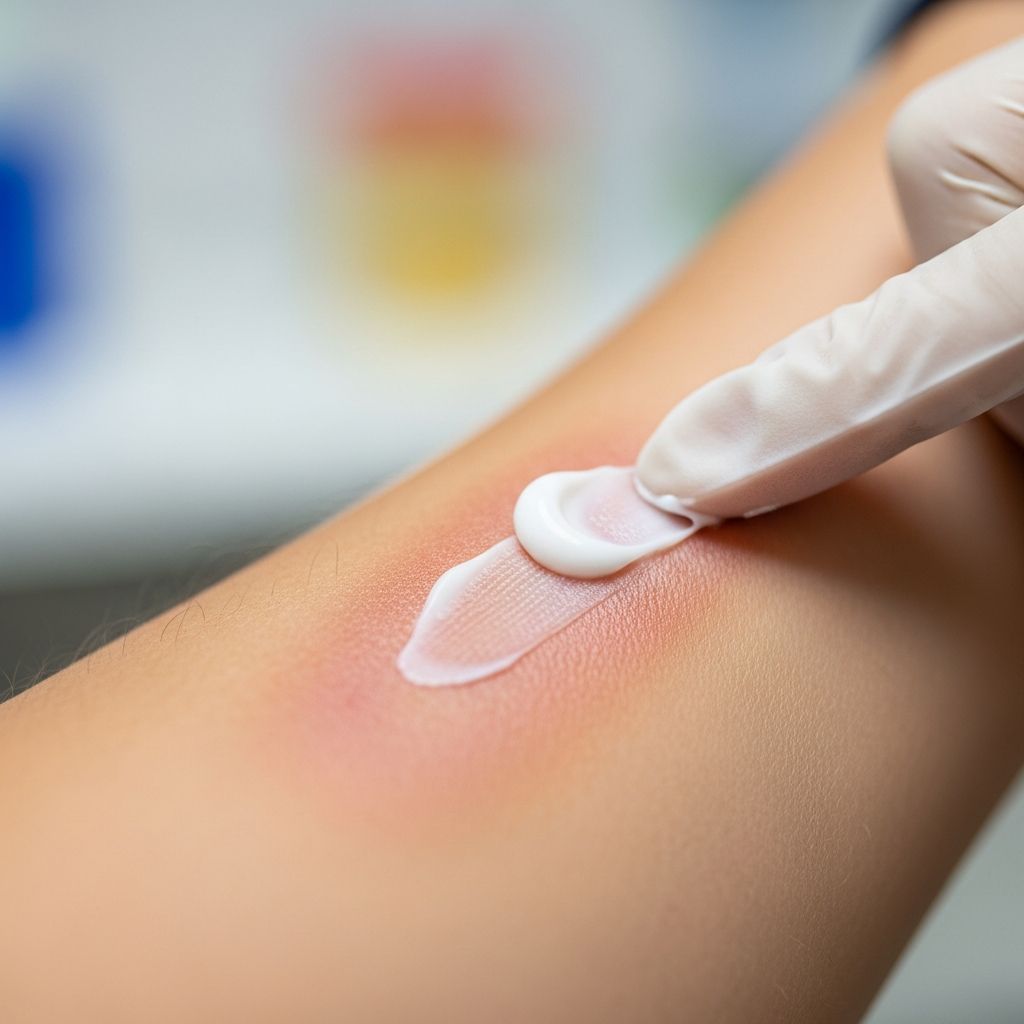
Topical corticosteroids serve as the cornerstone therapy for controlling inflammation during atopic dermatitis flares, offering rapid relief when applied correctly. These medications reduce redness, itching, and swelling by mimicking the body’s natural anti-inflammatory hormones, but their potency and duration must be tailored to the patient’s age, affected body area, and disease severity to minimize risks.
Understanding Potency Levels and Selection
Topical steroids are classified into seven potency tiers, from super-high to low, guiding their use based on skin thickness and location. Low-potency options like hydrocortisone 1% suit sensitive areas such as the face, neck, armpits, groin, and flexural surfaces, where skin is thinner and more prone to atrophy. For trunk and limbs in moderate cases, moderate-potency steroids like desonide 0.05% or mometasone 0.1% provide effective control without excessive risk when limited to short courses.
Selection hinges on clinical severity: mild inflammation warrants low-potency agents, while thick, lichenified plaques may initially require potent steroids for 1-2 weeks before stepping down. In children, age influences choice; super-high potency is rarely needed and should never exceed 3 weeks, whereas low-potency types have no strict duration limits.
| Potency Level | Examples | Recommended Use | Max Duration |
|---|---|---|---|
| Low | Hydrocortisone 1% | Face, folds, infants | No limit |
| Moderate | Desonide 0.05%, Triamcinolone 0.1% | Trunk, limbs (mild-moderate) | Up to 12 weeks |
| High/Potent | Mometasone 0.1%, Betamethasone 0.05% | Severe flares, thick plaques | 2-3 weeks |
| Super-High | Clobetasol 0.05% | Short-term severe cases | 3 weeks max |
This table summarizes key potencies per AAFP and AAP guidelines, emphasizing lowest effective strength for shortest time.
Application Techniques for Optimal Results
Apply steroids twice daily to affected areas until significant improvement, typically within days to 2-3 weeks. Use ointments over creams for drier skin or active flares, as they penetrate better and cause less stinging, though creams suit weepy lesions or humid climates. A practical measure is the fingertip unit (FTU): one FTU from an adult finger covers two adult palm-sized areas, ensuring adequate but not excessive dosing.
- Cleanse gently with lukewarm water and fragrance-free cleanser before application.
- Apply a thin layer; rubbing excessively can increase absorption and side effects.
- Follow with emollients 10-15 minutes later to lock in moisture and enhance barrier repair.
- For children, involve families in education to avoid under- or over-application.
Proactive maintenance—once or twice-weekly applications to previously flared sites after clearance—prolongs remission and reduces relapse frequency.
Safety Profile and Potential Side Effects
When used judiciously, topical steroids boast a strong safety record, with most adverse effects reversible upon discontinuation.Common issues include skin thinning (atrophy), stretch marks (striae), visible blood vessels (telangiectasia), pigmentation changes, and acne-like eruptions, primarily from high-potency, prolonged use on thin skin. Systemic absorption rarely suppresses the hypothalamic-pituitary-adrenal (HPA) axis with mild/moderate agents; monitoring via cortisol tests is reserved for concerns.
Steroid phobia, or corticophobia, stems from misinformation; education counters this by highlighting benefits outweigh risks in controlled use. Avoid during eczema herpeticum acute phase, opting for antivirals and cultures for secondary infections like Staphylococcus aureus.
Related Stories



Alternatives and Adjunctive Therapies
Topical calcineurin inhibitors (TCIs) like tacrolimus (Protopic) and pimecrolimus (Elidel) offer steroid-sparing options for facial/flexural areas or steroid-phobic patients, safe from age 2 and usable long-term without atrophy risk. Apply twice daily, transitioning to maintenance 2-3 times weekly.
Phosphodiesterase-4 (PDE-4) inhibitor crisaborole (Eucrisa) treats mild-moderate cases twice daily, resolving lesions faster than some controls, though cost limits access. Emerging topical JAK inhibitors and PDE-4 agents receive conditional AAD endorsements alongside moisturizers. For refractory cases, systemic options like dupilumab or cyclosporine apply, but guidelines advise against routine oral steroids due to rebound flares.
Special Considerations for Children and Sensitive Areas
Pediatric atopic dermatitis demands caution: low-potency for face/folds (e.g., hydrocortisone 1% once daily for 14-21 days), moderate for body up to resolution. No cancer link exists with TCIs in children. Pityriasis alba, a hypopigmented variant, responds to low-potency steroids plus sun protection.
Multidisciplinary care, including education, addresses treatment failure from suboptimal potency, poor adherence, or infection.
Daily Skincare Integration
Emollients form the foundation: apply liberally twice daily, especially post-bath, to restore the skin barrier. Wet wrap therapy conditionally aids severe flares by enhancing absorption under occlusion. Avoid irritants, antimicrobials unless infected, and antihistamines lacking evidence.
Frequently Asked Questions (FAQs)
How long should I use topical steroids for a flare?
Typically 2-3 weeks or until 48 hours post-clearance; taper to proactive use thereafter.
Can I use steroids on my child’s face?
Yes, low-potency only, once daily for up to 3 weeks.
What if my eczema doesn’t improve?
Check for infection, wrong potency, or adherence; consult a dermatologist.
Are topical steroids addictive?
No, but abrupt stops can cause rebound; follow guidelines for safe tapering.
What’s the difference between creams and ointments?
Ointments hydrate better for dry skin; creams for oozing or greasy preference.
Long-Term Management Strategies
Sustained control blends daily emollients, flare-triggered steroids, and maintenance therapy. Guidelines stress patient education to combat fears, ensuring adherence yields better quality of life. For widespread disease, phototherapy or biologics like dupilumab offer escalation paths.
References
- Atopic Dermatitis: Diagnosis and Treatment — American Academy of Family Physicians (AAFP). 2020-05-15. https://www.aafp.org/pubs/afp/issues/2020/0515/p590.html
- Treatment of Atopic Dermatitis — American Academy of Pediatrics (AAP). Accessed 2026. https://www.aap.org/en/patient-care/atopic-dermatitis/treatment-of-atopic-dermatitis/
- Atopic Dermatitis — Montreal Children’s Hospital. 2021-09. https://montrealchildrenshospital.ca/wp-content/uploads/2021/09/atopic_dermatitis_md_2021.pdf
- Atopic Dermatitis Clinical Guideline — American Academy of Dermatology (AAD). Accessed 2026. https://www.aad.org/member/clinical-quality/guidelines/atopic-dermatitis
- Treating Atopic Dermatitis — Eczema Society of Canada. Accessed 2026. https://eczemahelp.ca/about-eczema/treating-atopic-dermatitis/
Similar Articles








Read full bio of medha deb