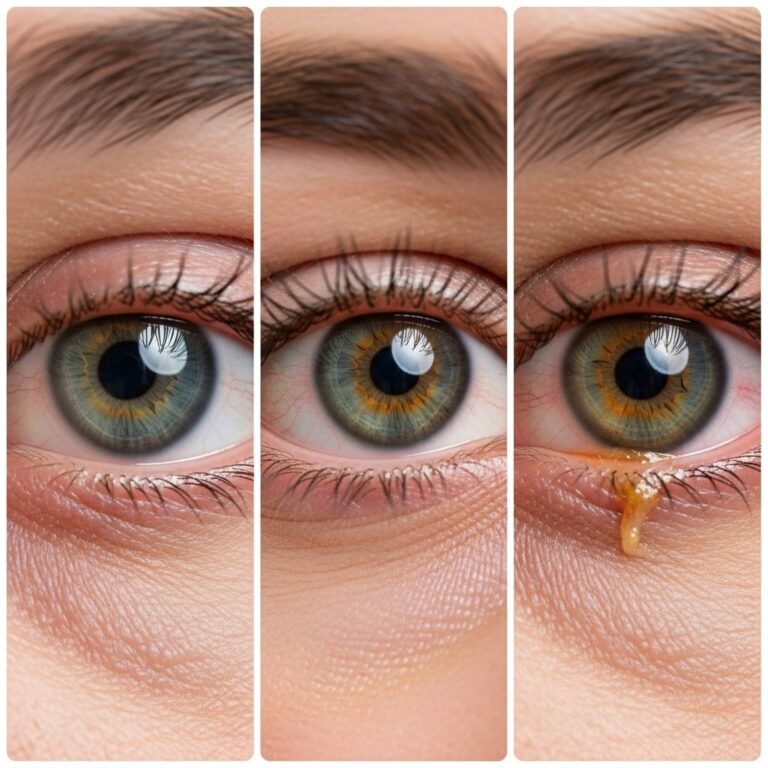
Topical Steroid Withdrawal: Causes, Symptoms & Treatment
Understanding topical steroid withdrawal: Clinical features, diagnosis, and evidence-based management strategies.
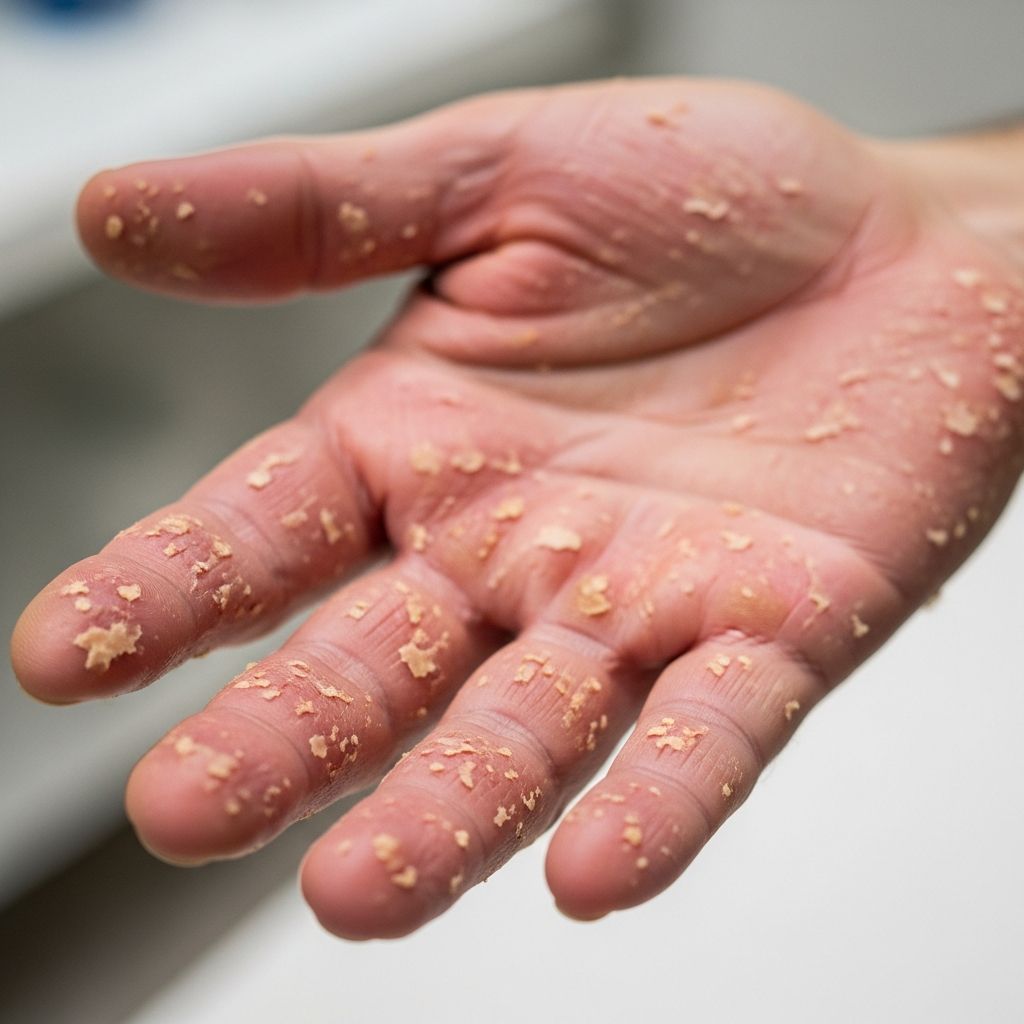
Topical Steroid Withdrawal: Understanding Red Skin Syndrome
Topical steroid withdrawal (TSW), also known as red skin syndrome, is an adverse reaction that occurs when topical corticosteroids are abruptly discontinued after prolonged use. This condition develops as a result of the skin’s dependence on topical steroids following extended application, leading to a cascade of inflammatory responses when the medication is withdrawn. TSW manifests as burning pain, severe itching, and widespread erythema that can persist for days to months. Understanding this condition is crucial for both patients and healthcare providers to ensure appropriate management and prevent unnecessary suffering.
What Causes Topical Steroid Withdrawal?
Topical steroid withdrawal emerges from inappropriate and excessive use of topical corticosteroids, typically occurring when these medications are used without medical supervision, without a prescription, or for unrecognized indications. Several factors contribute to the development of TSW:
- Prolonged and frequent application of topical steroids on sensitive areas such as the face, genitalia, and skin folds
- Use of high-potency steroids in vulnerable populations, including children and elderly individuals
- Application to unsuitable body areas where absorption is higher
- Continuous use leading to tachyphylaxis, or diminished response to the medication over time
- Over-the-counter availability of low-potency hydrocortisone creams leading to unsupervised, extended use
The underlying mechanism involves dysregulation of glucocorticoid receptors, impaired cortisol production by keratinocytes, rebound vasodilation, and rebound cytokine cascade secondary to topical steroid-induced barrier impairment. When steroids are discontinued, the skin cannot immediately restore normal inflammatory regulation, resulting in exaggerated inflammatory responses.
Clinical Features and Symptoms
Topical steroid withdrawal presents with distinctive clinical features that vary in severity among individuals. Erythema and burning pain are the two most consistent symptoms across all patients. These symptoms typically manifest within days to weeks after discontinuing topical corticosteroids.
Primary Symptoms
- Burning sensation: Intense, often described as severe burning pain that may indicate neurogenic inflammation
- Erythema: Widespread redness that may spread beyond the initial treatment areas
- Severe pruritus: Intense itching that can severely disrupt sleep and daily activities
- Skin sensitivity: Heightened sensitivity to touch, temperature changes, and common skincare products
- Insomnia: Sleep disturbances caused by intense itching and discomfort
- Low mood: Psychological impact from chronic symptoms and prolonged recovery
- Desquamation and exfoliation: Peeling and flaking of skin
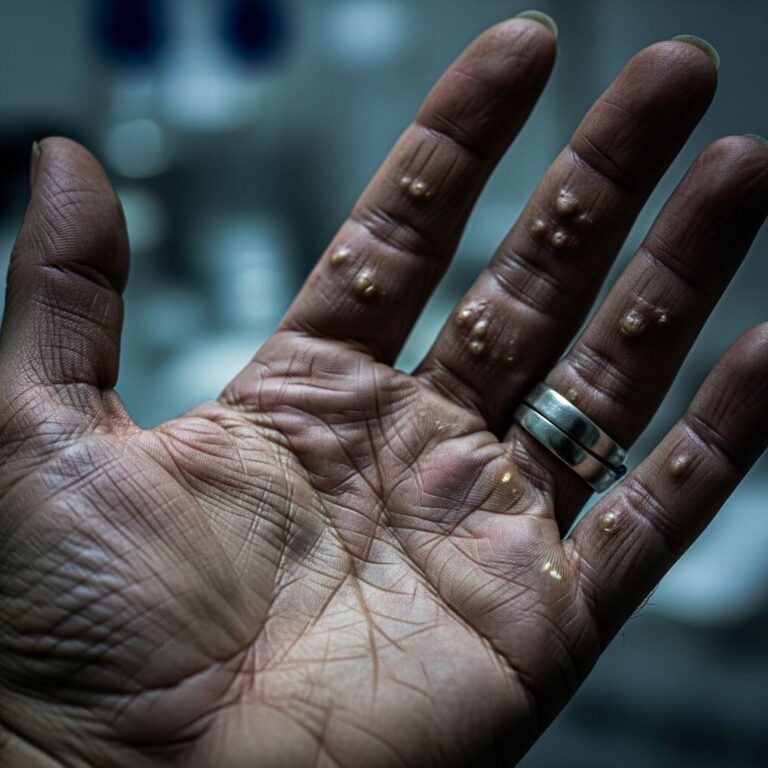
- Oozing and crusting: Weeping skin with crust formation
- Emollient intolerance: Inability to tolerate standard moisturizers, which may worsen symptoms
The erythema may initially appear at the original eczematous site but frequently spreads to areas never previously affected by eczema, confusing both patients and clinicians. The rash often presents as diffuse desquamation with a rosacea-like pattern.
Diagnosis of Topical Steroid Withdrawal
Diagnosis of topical steroid withdrawal remains challenging due to the lack of consensus on diagnostic criteria and similarities with other skin conditions, including contact dermatitis, atopic dermatitis, and rosacea. However, recent literature has identified key diagnostic features that clinicians should consider:
Diagnostic Criteria
- History of prolonged and frequent use of topical steroids on initial eruption areas or sensitive sites such as the face and genitalia
- Personal history of atopy, particularly atopic dermatitis
- Previous use of oral prednisone for skin symptoms
- Rapid development of skin burning or itchiness with widespread redness days to weeks after stopping topical steroids
- Presence of oozing, crusting, and exfoliation
- Poor response to standard treatments for atopic dermatitis or contact dermatitis
Related Stories



Medical professionals should obtain a detailed history of topical steroid use, including potency levels, duration, frequency, and body areas treated. A thorough examination and elimination of other diagnoses are essential for accurate diagnosis.
Duration and Resolution
The timeline for recovery from topical steroid withdrawal varies considerably among individuals. There are currently no specific treatments that clearly reduce the time to resolution, which can range from 72 hours to several months. Research indicates that the majority of patients, approximately 77%, recover within three months. However, some individuals experience prolonged symptoms lasting significantly longer, requiring patience and consistent management strategies.
Treatment and Management Strategies
Topical steroid withdrawal poses a significant challenge in clinical management due to the absence of definitive treatment protocols. Many different treatments are available; however, they are not associated with a reduced time to resolution. Therapeutic interventions are varied and demonstrate limited evidence in reducing the duration of withdrawal symptoms. Management should ideally occur under medical supervision, with healthcare providers offering alternative treatments to manage symptoms while the skin gradually normalizes.
Conservative Management Approaches
- Emollients and moisturizers: Application of fragrance-free, hypoallergenic moisturizers to support skin barrier function
- Cold compresses and ice: Application of cool or cold compresses to reduce burning sensation and erythema
- Gentle cleansing: Use of lukewarm water and mild, non-irritating cleansers
- Avoiding irritants: Discontinuation of cosmetics, fragrances, and potentially sensitizing products
- Stress reduction: Implementation of stress-management techniques, as stress can exacerbate symptoms
Pharmacological Treatments
- Antihistamines: Oral antihistamines to address pruritus and redness, with options for topical antihistamine application up to four times daily
- Gabapentin: Effective for managing burning pain and neurogenic inflammation symptoms
- Analgesics: Simple over-the-counter pain relievers to mitigate burning sensations
- Doxepin: Topical or oral doxepin to address pruritus and provide antiinflammatory effects
- Oral antibiotics: Doxycycline or other antibiotics for antiinflammatory effects if secondary infection is present
- Immunosuppressants: Systemic immunosuppressant medications such as cyclosporine for severe cases
- JAK inhibitors: Emerging evidence supports the use of topical JAK inhibitors such as ruxolitinib for managing TSW, with potential to minimize rebound cytokine cascades.
- Biologic medications: Newer biologic medications can be valuable for severe TSW management
Tapering Strategy
Rather than abrupt cessation, medical professionals often recommend a gradual tapering approach to minimize severe withdrawal reactions. A typical tapering schedule involves gradually reducing the frequency and potency of topical steroid application over several weeks to months, allowing the skin’s own steroid production to gradually normalize.
Psychological Support
Psychological support plays a crucial role in managing the psychosocial impact of topical steroid withdrawal. The chronic nature of symptoms, extended recovery period, and impact on quality of life can significantly affect mental health. Healthcare providers should offer counseling, support groups, or referrals to mental health professionals as needed.
Management of Specific Complications
Severe Pruritus and Sleep Disturbances
Patients withdrawing from topical corticosteroids often experience intense itching that severely disrupts sleep. Management may include higher-dose antihistamines before bedtime, prescription-strength topical treatments, or temporary use of systemic corticosteroids under medical supervision to manage the acute phase.
Exacerbation of Original Skin Conditions
Abrupt discontinuation of topical corticosteroid therapy can significantly worsen initial skin disorders such as atopic dermatitis, resulting in increased flare-ups. Gradual tapering and simultaneous introduction of alternative treatments can help prevent this rebound phenomenon.
Secondary Skin Infections
The compromised skin barrier and inflammatory state can predispose patients to bacterial or fungal infections. Signs of infection require prompt antibiotic or antifungal treatment.
Prevention of Topical Steroid Withdrawal
Prevention is substantially more effective than treatment. Healthcare providers should implement the following strategies to reduce TSW risk:
- Educate patients about appropriate topical steroid use, including potency, duration, and body areas suitable for application
- Recommend the use of lowest effective potency for the shortest duration necessary
- Avoid prolonged use on the face, neck, genitalia, and skin folds
- Establish regular follow-up appointments to monitor therapy effectiveness and adjust treatment as needed
- Provide written instructions for topical steroid use
- Consider alternative treatments such as topical calcineurin inhibitors or emollients for chronic conditions
- Ensure that over-the-counter products are used only as directed and under appropriate circumstances
- Gradually reduce and discontinue topical steroids under medical supervision
When to Seek Medical Attention
Patients should seek medical care if they experience:
- Severe burning pain unrelieved by home remedies
- Widespread erythema after discontinuing topical steroids
- Signs of secondary infection such as increased warmth, pus, or spreading redness
- Significant sleep disruption affecting daily functioning
- Severe psychological distress or mood changes
- Symptoms persisting beyond three months
Important Clinical Considerations
Concerns about the risk of topical corticosteroid withdrawal should not prevent adequate treatment of atopic dermatitis and other skin conditions, as far more people respond to appropriate topical steroid use than develop withdrawal. Appropriate use of topical corticosteroids under medical guidance remains an essential and effective treatment modality. The benefits of proper steroid therapy typically far outweigh the withdrawal risks when medications are used appropriately.
Current Research and Emerging Treatments
Recent case reports demonstrate promising results with JAK inhibitors, particularly ruxolitinib cream, for treating refractory topical steroid withdrawal. These medications may work by minimizing the rebound cytokine cascade, a potential mechanism in TSW pathogenesis. As research continues, additional treatment options may become available to reduce symptom severity and duration.
Frequently Asked Questions (FAQs)
Q: Is topical steroid withdrawal a true addiction?
A: Topical steroid withdrawal is described as a type of drug dependence rather than addiction. It represents a physiological response to prolonged corticosteroid use rather than psychological dependence. However, the cycle of withdrawal symptoms driving continued use can create behavioral patterns similar to addiction.
Q: Can I prevent topical steroid withdrawal by using steroids correctly?
A: Yes. Following prescribed guidelines regarding potency, duration, frequency, and body area application substantially reduces TSW risk. Using the lowest effective potency for the shortest necessary duration and avoiding prolonged facial or genital application are key preventive measures.
Q: Should I stop topical steroids immediately or gradually?
A: Gradual tapering under medical supervision is generally preferred to abrupt cessation. This approach allows the skin’s own steroid production to normalize gradually and reduces the severity of withdrawal symptoms. However, individual circumstances may vary, and medical professionals should guide this decision.
Q: How long does topical steroid withdrawal typically last?
A: Recovery time ranges from 72 hours to several months, with approximately 77% of patients recovering within three months. Duration varies significantly based on individual factors, the extent of prior steroid use, and treatment approaches implemented.
Q: Are there effective treatments that speed up recovery?
A: Currently, no specific treatments have been proven to reduce the time to resolution. Available treatments focus on symptom management and support rather than accelerating healing. Management should be individualized and include medical supervision.
Q: Should I be afraid to use topical steroids for my skin condition?
A: No. When used appropriately under medical guidance, topical corticosteroids are safe and highly effective for treating various skin conditions. The vast majority of people using topical steroids do not develop withdrawal syndrome. Proper use following healthcare provider instructions carries minimal withdrawal risk while providing significant therapeutic benefits.
References
- Topical Steroid Withdrawal (Red Skin Syndrome) — StatPearls, National Center for Biotechnology Information (NCBI). 2024. https://www.ncbi.nlm.nih.gov/books/NBK603718/
- Topical Steroid Withdrawal Treated with Ruxolitinib Cream — PMC, National Institutes of Health. 2024. https://pmc.ncbi.nlm.nih.gov/articles/PMC11091456/
- Topical Steroid Withdrawal — DermNet. Accessed January 2026. https://dermnetnz.org/topics/topical-corticosteroid-withdrawal
- Breaking the Cycle: A Comprehensive Exploration of Topical Steroid Withdrawal — Frontiers in Allergy. January 2025. https://www.frontiersin.org/journals/allergy/articles/10.3389/falgy.2025.1547923/full
- Topical Steroid Withdrawal (TSW) — National Eczema Society. https://eczema.org/information-and-advice/topical-steroid-withdrawal-tsw/
- Topical Steroid Withdrawal — Eczema Society of Canada. https://eczemahelp.ca/topical-steroid-withdrawal/
Similar Articles








Read full bio of medha deb