Topical Steroids: 6 Serious Side Effects And Safe Use Tips
Explore the dual nature of topical steroids in treating skin conditions while uncovering the hidden risks of misuse and long-term dependency.
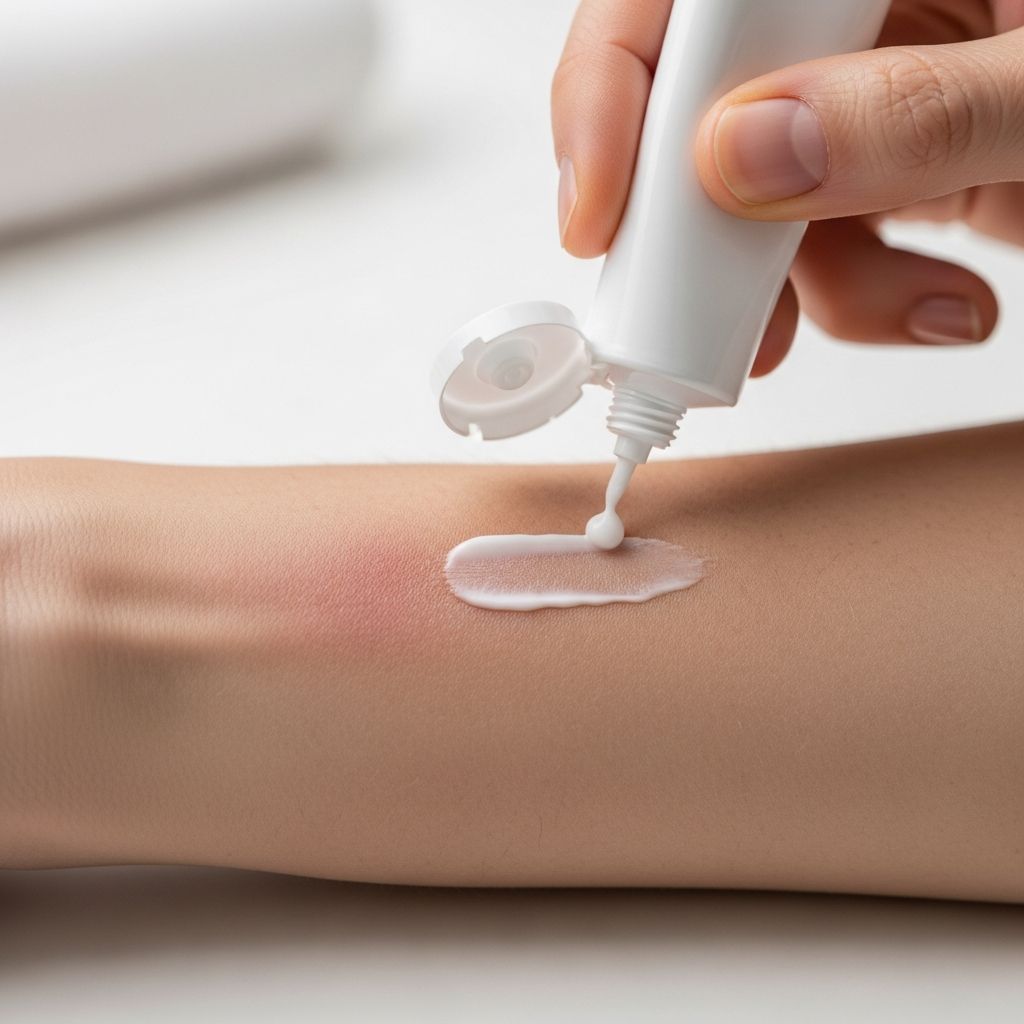
Topical steroids represent a cornerstone in managing inflammatory skin disorders, offering rapid relief from symptoms like itching and redness. However, their prolonged or improper use can trigger severe adverse effects, including skin thinning and dependency syndromes.
Understanding How Topical Steroids Function
These medications mimic the body’s natural cortisol, suppressing inflammation by inhibiting phospholipase A2 through lipocortin production. This blocks arachidonic acid release, curtailing inflammatory mediators and reducing swelling, redness, and itch.
In conditions such as atopic dermatitis, they swiftly calm flare-ups, but their mechanism also impacts cell growth and tissue maintenance, laying the groundwork for potential complications with extended application.
Primary Therapeutic Applications
Topical steroids excel in treating eczema, where they diminish redness and prevent scratching-induced damage. For psoriasis, they manage plaque buildup in mild cases, while contact dermatitis from irritants like poison ivy responds well to short courses.
- Eczema: Reduces acute inflammation and supports barrier repair.
- Psoriasis: Targets localized plaques effectively.
- Lichen Planus: Alleviates itchy, purple lesions.
Guidelines emphasize short-term use under medical supervision to maximize benefits while minimizing harm.
Mechanisms Behind Skin Atrophy
Skin atrophy arises from steroids’ suppression of keratinocyte proliferation in the epidermis and collagen types I and III synthesis in the dermis. Fibroblast inhibition further depletes hyaluronic acid, causing tissue thinning.
Initially, epidermal cells shrink due to lowered metabolism, followed by layer reduction and stratum corneum weakening. Dermal changes include mucopolysaccharide resorption, leading to fragile, shiny skin with visible vessels.
| Risk Factor | Impact on Atrophy |
|---|---|
| High potency | Accelerates thinning |
| Intertriginous areas | Increased absorption due to moisture |
| Prolonged use | Irreversible striae possible |
| Occlusion | Enhances penetration |
Atrophy is often reversible upon cessation, though recovery may span months.
Steroid-Induced Acne and Follicular Issues
Topical steroids promote acne by degrading follicular epithelium, extruding contents and fostering comedone formation. Elevated free fatty acids and bacterial overgrowth in pilosebaceous units exacerbate this.
Predisposing elements include high concentrations, occlusion, youth under 30, and application to acne-prone facial or back regions. This ‘steroid acne’ differs from typical acne, often lacking deep cysts.
Rosacea-Like Dermatitis from Steroids
Chronic facial use proliferates Propionibacterium acnes and Demodex folliculorum, mimicking rosacea within months. Known as steroid rosacea or iatrosacea, it features persistent erythema and papules.
Withdrawal intensifies redness, underscoring the dependency cycle. Intertriginous susceptibility heightens risks in folds.
Vascular Fragility and Purpura
Protein degradation erodes dermal support around vessels, causing purpura, stellate pseudoscars, and easy bruising. Thinned skin heightens ulceration risk, especially post-procedure.
Telangiectasia and erythema emerge from lost connective tissue, with prominence in atrophied areas.
Pigmentation Disruptions
Hypopigmentation stems from melanocyte dysfunction, more evident in darker skin types (IV-VI). It’s often reversible, unlike hyperpigmentation from intralesional injections.
Steroids suppress melanin synthesis without destroying melanocytes, leading to patchy lightening.
Steroid Withdrawal and Rebound Phenomena
Discontinuation after chronic use triggers topical steroid withdrawal (TSW), marked by burning, intense erythema, and peeling. Eczema patients experience flares around eyes within days.
Related Stories



Rebound inflammation exceeds original symptoms, complicating management. Status cosmeticus involves burning post-cosmetics, resolving slowly post-withdrawal.
Conditions Contraindicating Steroid Use
Avoid in fungal, viral, or bacterial infections, as steroids suppress immunity, worsening outbreaks. Acne, rosacea, and perioral dermatitis deteriorate with application.
- Viral: Herpes, warts – risk dissemination.
- Fungal: Candidiasis – promotes spread.
- Perioral Dermatitis: Triggers flares.
Guidelines for Safe Usage
Employ the lowest potency for shortest duration. Facial use limited to 1-2 weeks; avoid occlusion unless directed. Monitor for early atrophy signs like transparency.
Alternate with non-steroidal options like calcineurin inhibitors for maintenance. Taper gradually to avert withdrawal.
Recognizing and Managing Side Effects
Early detection of thinning, striae, or rosacea prompts cessation. Supportive care includes emollients and cool compresses for TSW. Severe cases may need oral agents temporarily.
Patient education on potency classes prevents misuse:
| Class | Potency | Typical Use |
|---|---|---|
| I | Super high | Thick plaques, short-term |
| VII | Low | Face, children, maintenance |
Patient Stories and Lessons Learned
Many with eczema report initial relief turning to dependency, with faces burning post-stoppage. One common narrative involves years of facial application leading to red, papular skin, resolving only after months of abstinence.
These experiences highlight education’s role: understanding risks empowers informed decisions.
Alternatives to Topical Steroids
Non-steroidal topicals like tacrolimus suit sensitive areas. Phototherapy aids psoriasis; biologics target severe eczema. Wet wraps with emollients soothe without chemicals.
FAQs
What duration is safe for topical steroids on the face?
Limit to 7-14 days; consult a dermatologist for longer needs.
Can skin recover from steroid-induced thinning?
Yes, most cases reverse within months, though striae may persist.
Is steroid withdrawal permanent?
No, symptoms peak then subside, often within weeks to months with proper care.
Who is at highest risk for side effects?
Children, elderly, and those using high-potency on thin skin areas.
Should I stop steroids abruptly if side effects appear?
Taper under guidance to minimize rebound.
References
- Topical Steroid-Damaged Skin — PMC – NIH. 2014-09-26. https://pmc.ncbi.nlm.nih.gov/articles/PMC4171912/
- Side-effects of topical steroids: A long overdue revisit — PMC. 2014-10-14. https://pmc.ncbi.nlm.nih.gov/articles/PMC4228634/
- The Role of Topical Steroids in Dermatology: Benefits & Risks — Natural Image Skin Center. 2023-01-01. https://naturalimageskincenter.com/the-role-of-topical-steroids-in-dermatology-benefits-and-risks/
- Topical steroids — National Eczema Society. 2024-01-01. https://eczema.org/information-and-advice/treatments-for-eczema/topical-corticosteroids/
- Prednisone and other corticosteroids — Mayo Clinic. 2024-01-01. https://www.mayoclinic.org/tests-procedures/cortisone-shots/in-depth/steroids/art-20045692
Similar Articles








Read full bio of medha deb