Topical Sunscreen Agents: Complete Guide For Photoprotection
Comprehensive guide to topical sunscreens: types, ingredients, protection, application, benefits, and safety considerations for optimal UV protection.
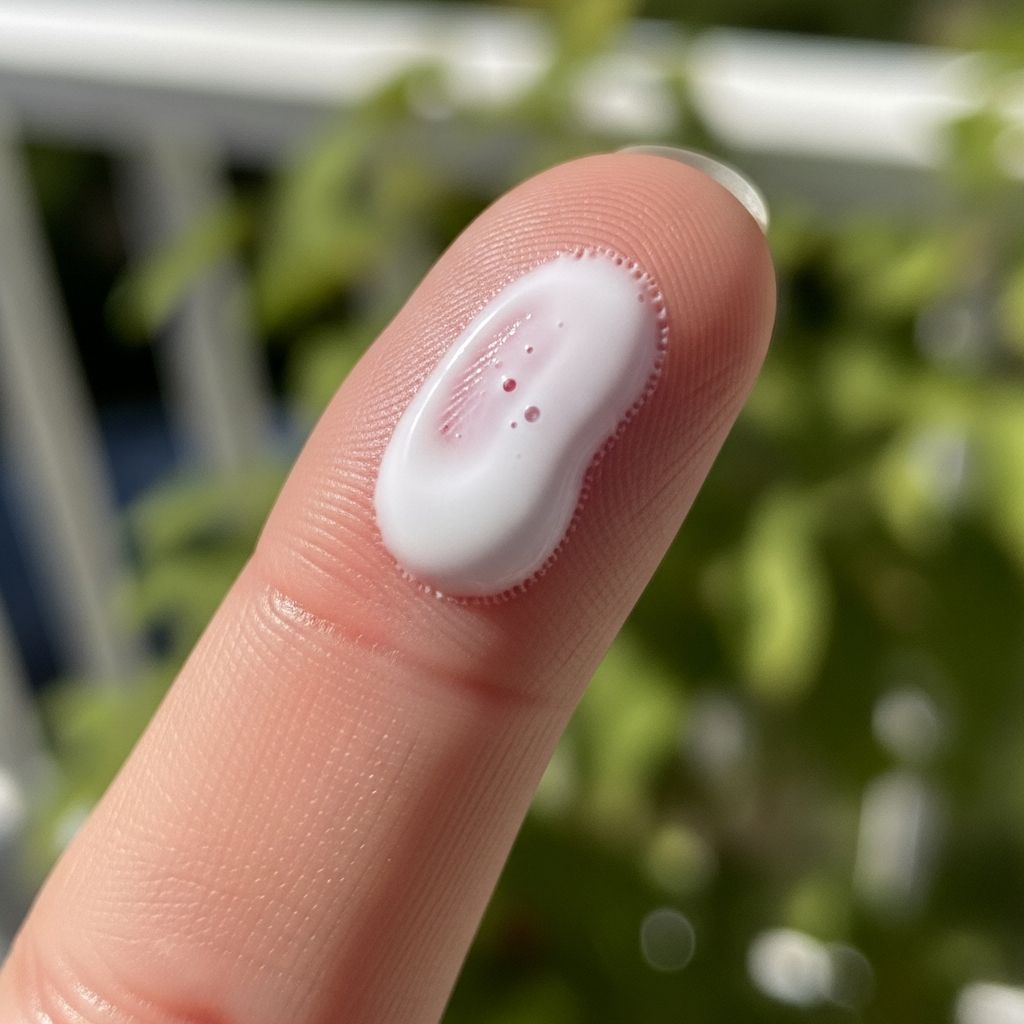
Sunscreens are topical agents applied to the skin to protect against ultraviolet (UV) radiation from the sun, helping prevent sunburn, skin ageing, and skin cancer.
Introduction
Exposure to ultraviolet radiation (UVR) from sunlight is a major cause of skin damage, including sunburn, photoageing, and various skin cancers such as melanoma and non-melanoma skin cancers. Topical sunscreens serve as a primary defence by creating a barrier on the skin that either absorbs, reflects, or scatters UV rays, reducing penetration into deeper skin layers. Developed over decades, modern sunscreens have evolved from simple formulations to sophisticated products offering broad-spectrum protection against both UVB and UVA rays. UVB rays (290–320 nm) are primarily responsible for sunburn and contribute to skin cancer, while UVA rays (320–400 nm) penetrate deeper, causing photoageing and also playing a role in carcinogenesis. Regular use of sunscreens is recommended by dermatological societies worldwide as part of a comprehensive sun protection strategy, alongside seeking shade, wearing protective clothing, and avoiding peak sun hours.
Uses
Topical sunscreens are used daily for photoprotection in individuals at risk of UV-induced skin damage. Key applications include preventing sunburn during outdoor activities, protecting fair-skinned individuals prone to burning, managing photosensitive disorders such as lupus erythematosus, polymorphous light eruption, solar urticaria, and porphyrias, and reducing photocarcinogenesis in those with a history of skin cancer or actinic keratoses. They are also essential for children over six months of age and in preventing drug-induced photosensitivity from medications like tetracyclines, NSAIDs, or retinoids. In clinical settings, sunscreens aid in treating hyperpigmentation conditions like melasma by blocking UV triggers.
How They Work
Sunscreens function through two primary mechanisms: absorption and physical blocking. Chemical sunscreens contain organic compounds that absorb UV photons, converting them into heat energy released harmlessly from the skin. Physical sunscreens, or mineral blockers, use inorganic particles like titanium dioxide and zinc oxide to reflect, scatter, and absorb UV radiation. Broad-spectrum sunscreens protect against both UVA and UVB. Some formulations include antioxidants to neutralize free radicals generated by UV exposure, enhancing cellular protection.
Types
Sunscreens are classified into chemical (organic) absorbers and physical (inorganic) blockers. Chemical sunscreens include UVB absorbers like octyl methoxycinnamate and oxybenzone, UVA absorbers like avobenzone, and broad-spectrum agents like bemotrizinol. Physical sunscreens primarily feature titanium dioxide (UVB, UVA, some visible light) and zinc oxide (broad-spectrum including visible light). Hybrid formulations combine both for optimal coverage. Nanoparticles of titanium dioxide and zinc oxide improve aesthetics by reducing the white cast while maintaining efficacy. Water-resistant sunscreens maintain protection during swimming or sweating for specified durations.
Ingredients
Common chemical UV filters include:
- UVB: Octyl methoxycinnamate, octocrylene, ethylhexyl salicylate, padimate O, phenylbenzimidazole sulfonic acid, triethanolamine salicylate.
- UVA: Avobenzone, ecamsule, menthyl anthranilate.
- Broad-spectrum: Oxybenzone, sulisobenzone, bemotrizinol, bisoctrizole.
Physical blockers: Titanium dioxide, zinc oxide. Antioxidants and cellular protectors such as L-ascorbic acid (vitamin C), nicotinamide, epigallocatechin gallate (green tea extract), tocopherol (vitamin E), and N-acetyl cysteine may enhance protection, though evidence varies. Vehicles include lotions, creams, gels, sprays, and sticks, tailored for different skin types and body areas.
Protection Ratings
Sun Protection Factor (SPF) measures UVB protection: SPF 15 blocks ~93% of UVB, SPF 30 ~97%, SPF 50 ~98%. Higher SPFs offer marginal additional protection. UVA Protection Factor (UVA-PF) or Persistent Pigment Darkening (PPD) rates UVA coverage. Broad-spectrum indicates UVA protection meeting standards like critical wavelength ≥370 nm. Water resistance is timed (e.g., 40 or 80 minutes).
Related Stories



Accumulating sun-burning dose (%) over time with different SPF sunscreens (assumes 2 mg/cm² application):
| SPF value | 10 mins | 30 mins | 150 mins |
|---|---|---|---|
| 1 (no protection) | 100% | 100% | 100% |
| 15 | 6.7% | 20% | 100% |
| 30 | 3.3% | 10% | 50% |
| 50 | 2% | 6% | 30% |
Labelling by region:
| Region | UVB | UVA | Water resistance |
|---|---|---|---|
| Australia/New Zealand | SPF (min 4, max 50+) | Broad spectrum (UVA-PF ≥1/3 SPF, crit wavelength ≥370 nm) | Qualified duration (max 4h) |
| Europe | SPF | UVA circle (UVA-PF ≥1/3 SPF) | Water/sweat resistant |
| USA | SPF | Broad spectrum (critical wavelength ≥370 nm) | Water resistant 40/80 min |
Testing
SPF is tested on human volunteers with UV lamps, measuring minimal erythema dose (MED) with and without sunscreen. UVA testing uses in vivo (PPD) or in vitro methods. Water resistance involves standardized water immersion. Testing assumes 2 mg/cm² application, a quantity often under-applied in practice.
Labelling
Labels indicate SPF, broad-spectrum status, water resistance, active ingredients, expiry date, and usage instructions. Warnings cover risks for children under 6 months and photosensitivity. Eco-labels note reef-safe formulations avoiding oxybenzone and octinoxate.
Selection
Choose broad-spectrum SPF 30+ for daily use, higher for prolonged exposure. Prefer mineral-based for sensitive skin or children. Tinted sunscreens for visible light protection in melasma or photodermatoses. Consider texture: gels for oily skin, creams for dry. Reef-safe options avoid coral-harming chemicals.
Application
Apply 2 mg/cm² (1 teaspoon per body area: face, 1 oz for adult body) 15-30 minutes before sun exposure. Reapply every 2 hours, after swimming/sweating. Use sufficient amount; under-application halves protection.
Benefits
Sunscreens reduce sunburn, photoageing (wrinkles, pigmentation), actinic keratoses, and skin cancer risk. Studies show regular use decreases melanoma by 50% and squamous cell carcinoma significantly. They improve outcomes in photosensitive diseases and protect against drug photosensitivity.
Disadvantages
Potential for poor cosmesis (greasy, white cast), high cost, need for frequent reapplication, and incomplete visible light protection unless tinted. Some chemical filters may disrupt coral reefs. Nanoparticles raise theoretical concerns, but no proven risks.
Side Effects and Risks
Common: Irritant contact dermatitis (stinging, burning). Less common: Allergic contact dermatitis or photocontact dermatitis to ingredients like benzophenones, cinnamates, avobenzone, PABA. Acne from comedogenic vehicles. Rare systemic absorption concerns with chemical filters.
Other Safety Considerations
Nanoparticles show no dermal toxicity; benefits outweigh risks. Avoid sprays near inhalation. Not for infants under 6 months—use clothing/shade. Environmental impact: Some chemicals (oxybenzone) linked to coral bleaching; opt for mineral-based.
Contraindications
Absolute: Known allergy to ingredients. Relative: Very sensitive skin (patch test), infants <6 months. Caution in rosacea or acne-prone skin with comedogenic bases.
Frequently Asked Questions (FAQs)
What SPF should I use daily?
SPF 30 broad-spectrum for everyday; SPF 50+ for extended outdoor exposure.
Are mineral sunscreens safer?
Yes for sensitive skin, less irritating, reef-friendly.
How much sunscreen per application?
2 mg/cm² or 1 oz (30 ml) for adult body.
Do sunscreens protect against visible light?
Standard ones no; use tinted with iron oxides.
Can sunscreens cause allergies?
Yes, photocontact dermatitis to chemicals like avobenzone.
References
- Topical Sunscreen Agents — DermNet NZ. 2023. https://dermnetnz.org/topics/topical-sunscreen-agents
- Topical Treatment of Photodamage — DermNet NZ. 2023. https://dermnetnz.org/cme/lesions/topical-treatment-of-photodamage
- Influence of Anatomical Site and Topical Formulation on Skin Penetration — National Library of Medicine (PMC). 2001-04-27. https://pmc.ncbi.nlm.nih.gov/articles/PMC1661631/
- Sun Protection — DermNet NZ. 2023. https://dermnetnz.org/topics/sun-protection
- Adverse Reactions to Sunscreen Agents — SAGE Journals (Dermatitis). 2010. https://journals.sagepub.com/doi/10.1097/DER.0000000000000079
Similar Articles








Read full bio of medha deb