Topical Photodamage Treatments: Expert Skin Rejuvenation Guide
Comprehensive guide to topical therapies for reversing sun-induced skin damage, wrinkles, and pigmentation.
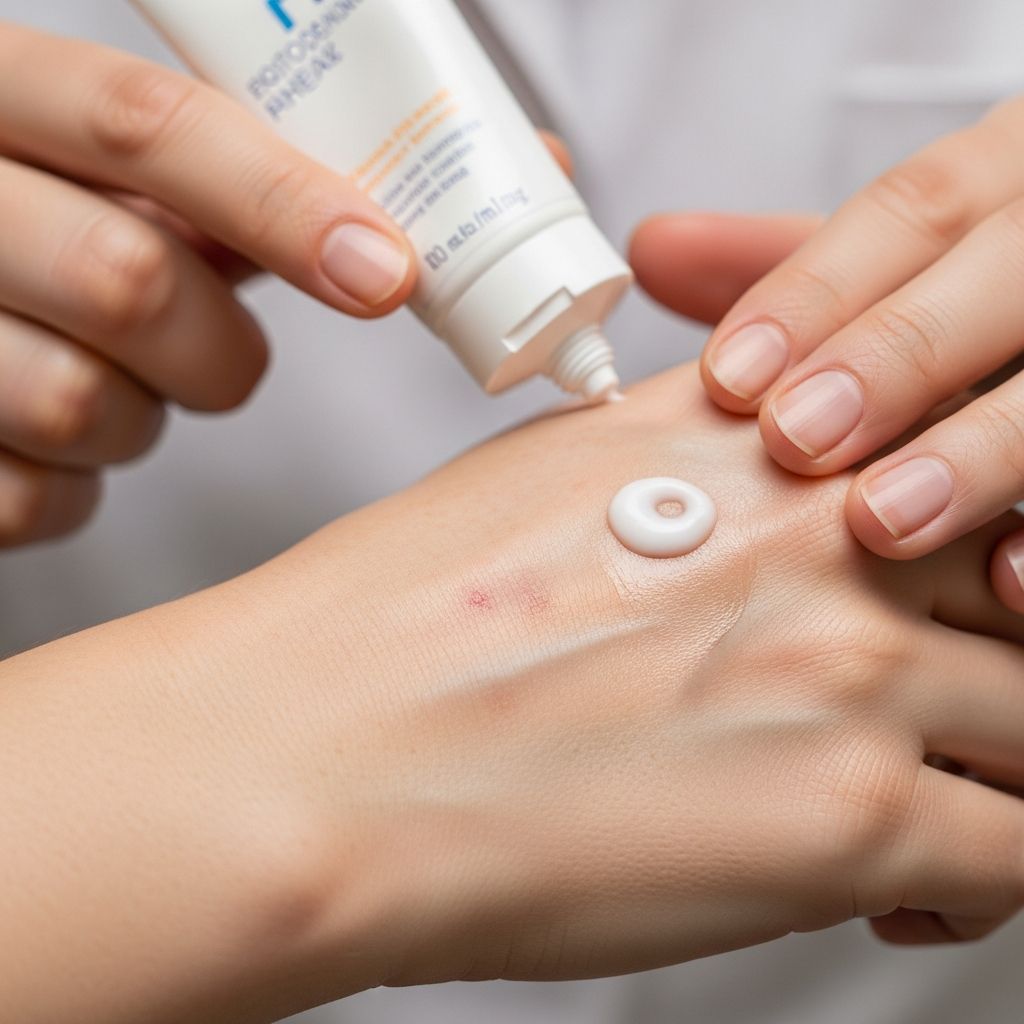
Photodamage, also known as photoaging, results from chronic ultraviolet (UV) radiation exposure, leading to clinical changes such as fine and coarse wrinkles, dyspigmentation, telangiectasia, laxity, roughness, and actinic keratoses. Topical treatments offer a non-invasive approach to mitigate these effects by promoting collagen synthesis, epidermal renewal, and pigment correction. This article reviews key topical agents, their mechanisms, efficacy, and practical use.
Clinical Features of Photodamage
Chronic sun exposure induces distinct skin changes differentiated from intrinsic aging.
Fine wrinkles
appear as shallow lines from epidermal thinning, whilecoarse wrinkles
stem from dermal matrix degradation.Solar lentigines
are hyperpigmented macules, andactinic keratoses
represent precancerous lesions. Other signs includetelangiectasias
(dilated vessels),solar purpura
(easy bruising), andsolar elastosis
(yellowish thickening). Histologically, photodamaged skin shows compact hyperkeratosis, basal atypia, and disorganized collagen in the dermis.Pathophysiology of Photodamage
UVA and UVB penetrate skin, generating reactive oxygen species (ROS) that damage DNA, proteins, and lipids. This activates matrix metalloproteinases (MMPs), degrading collagen and elastin, while inhibiting procollagen synthesis. Cumulative damage leads to Glogau type II-IV photoaging. Topical therapies target these pathways by enhancing repair mechanisms and antioxidants neutralize ROS.
Retinoids
**Retinoids**, vitamin A derivatives, are cornerstone treatments for photodamage.
Tretinoin
(0.025-0.1%) applied nightly increases epidermal thickness, reduces stratum corneum compaction, and boosts type I collagen by 80% after 12 months. Studies show significant improvement in fine wrinkles and mottled pigmentation in Japanese patients after 6 months, though irritation is common.**Tazarotene** (0.045-0.1%) offers faster results, reducing photoaging severity in 12-week trials.
Adapalene
(0.1-0.3%) is less irritating, effective for mild cases. Newertrifarotene
targets retinoid receptors selectively. Start low-dose, titrate up; use moisturizers to minimize erythema, peeling, and burning. Efficacy peaks at 6-12 months with continued use >2 years for maximal reversal.Mechanism of Retinoids
- Bind retinoic acid receptors (RAR), modulating gene transcription.
- Induce epidermal hyperplasia and glycosaminoglycan production.
- Inhibit MMPs, stimulate fibroblasts for neocollagenesis.
- Disperse melanin, fading lentigines.
Antioxidants
Antioxidants scavenge ROS to prevent further damage.
Vitamin C
(5-20% L-ascorbic acid) stabilizes collagen and inhibits tyrosinase for depigmentation.Vitamin E
(tocopherol) andferulic acid
enhance stability.Coenzyme Q10
andidebenone
protect mitochondria. Daily application complements sunscreens; clinical improvement in roughness and tone seen after 12 weeks.Bleaching Agents
For hyperpigmentation,
hydroquinone
(2-4%) inhibits melanogenesis but risks ochronosis with prolonged use.Azelaic acid
(15-20%) andkojic acid
are gentler alternatives.Niacinamide
(4-5%) reduces melanosome transfer. Combinations like hydroquinone-tretinoin-fluocinolone (Tri-Luma) accelerate lentigo fading in 8 weeks. Monitor for irritation in darker skin types.Other Topical Agents
**Fluorouracil** (5% cream) treats actinic keratoses but shows limited photoaging improvement in trials; no significant wrinkle reduction at 6-18 months despite inflammation.
Imiquimod
targets precancers via immune modulation.Peptides
(e.g., palmitoyl pentapeptide) mimic growth factors for collagen stimulation.Hyaluronic acid
hydrates and plumps skin.| Agent | Concentration | Primary Effect | Onset | Side Effects |
|---|---|---|---|---|
| Tretinoin | 0.025-0.1% | Wrinkle reduction, collagen | 3-6 months | Irritation, peeling |
| Tazarotene | 0.045-0.1% | Photoaging severity | 4-12 weeks | High irritation |
| Hydroquinone | 2-4% | Hyperpigmentation | 4-8 weeks | Ochronosis (rare) |
| 5-FU | 5% | Actinic keratoses | 2-4 weeks | Erythema, crusting |
| Vitamin C | 10-20% | Antioxidant, brightening | 12 weeks | Minimal |
Related Stories



Practical Treatment Regimens
Initiate with
short-contact therapy
: apply retinoid 1-2 hours, wash off. Progress to overnight use every other night. Combine with moisturizers containing niacinamide or ceramides. Broad-spectrumSPF 50+ sunscreen
is mandatory daytime. For severe cases, layer tretinoin with hydroquinone at night, vitamin C morning. Expect 20-50% wrinkle improvement; full effects in 1 year.Patient Selection and Expectations
Ideal candidates: Glogau II-III, fair skin (Fitzpatrick I-III). Counsel on initial worsening (retinoid purge), compliance (6+ months), and sun avoidance. Darker skins risk post-inflammatory hyperpigmentation; use adapalene. Monitor for allergies or rosacea exacerbation.
Adverse Effects and Management
- Retinoid dermatitis: Reduce frequency, buffer with moisturizer.
- Hyperpigmentation: Add bleaching agents.
- Photosensitivity: Strict photoprotection.
Combination Therapies
Enhance outcomes with chemical peels (glycolic acid), microneedling, or lasers post-topical priming. Retinoids improve peel penetration and laser results.
Prevention
Daily sunscreen, protective clothing, and antioxidants prevent progression. Start topicals prophylactically in 30s.
Frequently Asked Questions (FAQs)
What is the best topical for wrinkles?
Tretinoin 0.05% nightly offers proven collagen induction and fine line reduction after 6 months.
Do retinoids work on all skin types?
Effective across types but start low-dose in Fitzpatrick IV-VI to avoid irritation and PIH.
How long until I see results?
Subtle changes at 3 months, peak at 12 months with consistent use.
Can I use retinoids while pregnant?
No; category C/D, avoid conception during treatment.
Is 5-FU effective for photoaging?
Limited for wrinkles; better for actinic damage but no significant photodamage score improvement.
Conclusion
Topical retinoids remain gold standard for reversing photodamage, supported by decades of evidence. Combine with antioxidants and photoprotection for optimal rejuvenation.
References
- The effect of topical tretinoin on the photodamaged skin of the Japanese — PubMed/Griffiths et al. 1993-10-01. https://pubmed.ncbi.nlm.nih.gov/8236244/
- Effect of topical fluorouracil cream on photodamage: secondary analysis of a randomized clinical trial — JAMA Dermatology/Korgavkar K et al. 2017-09-06. https://www.dermatologyadvisor.com/news/effect-of-fluorouracil-cream-treatment-on-photodamage-improvement/
- Topical retinoids (vitamin A creams) — DermNet NZ. 2023. https://dermnetnz.org/topics/topical-retinoids
- Topical Treatments for Photoaged Skin — JDDonline. 2023. https://jddonline.com/articles/topical-treatments-for-photoaged-skin-S1545961623P0867X/
- Sun-damaged Skin: Photoaging, Signs, Causes & Treatment — Cleveland Clinic. 2023. https://my.clevelandclinic.org/health/diseases/5240-sun-damage-protecting-yourself
Similar Articles








Read full bio of medha deb