Torasemide Tablets (Torem): Uses, Dosage, And Side Effects Guide
Comprehensive guide to torasemide tablets: uses, dosage, side effects, and essential patient information for safe use.

Torasemide is a ‘water tablet’ (a diuretic) that helps your kidneys remove excess fluid from your body through urine. It is best taken in the morning to avoid nighttime urination. Side effects are usually mild but can include nausea or dizziness.
About torasemide tablets
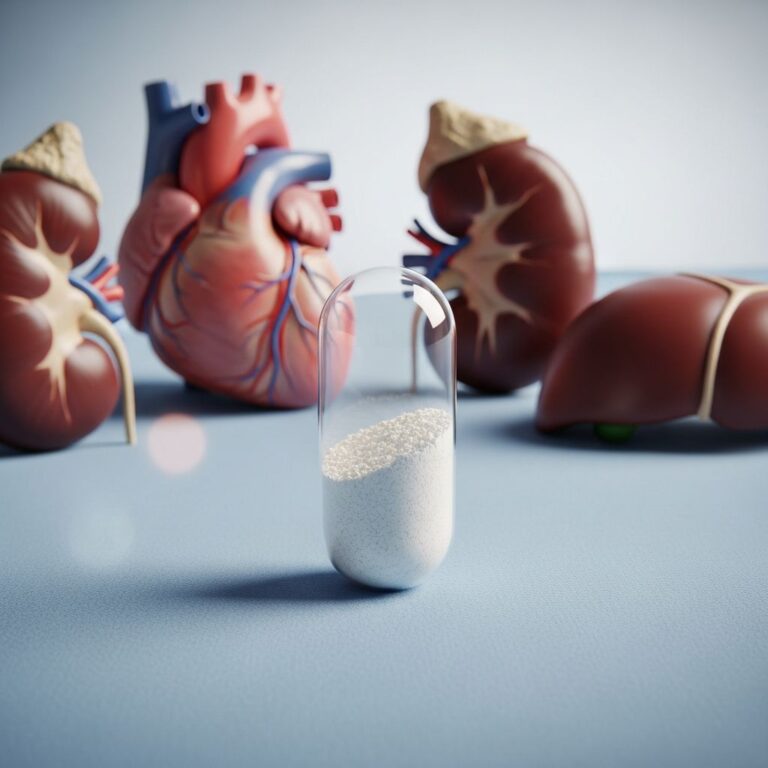
Torasemide, also known as Torem, belongs to a group of medicines called loop diuretics. These medications work by inhibiting the reabsorption of sodium and chloride in the kidneys’ loop of Henle, promoting the excretion of water, sodium, potassium, and chloride. This reduces fluid buildup (edema) and lowers blood pressure.
Common brand names include Toremifene, Soaanz, and generics. It is available in tablet strengths such as 2.5 mg, 5 mg, 10 mg, 20 mg, 60 mg, and 100 mg. Torasemide has high oral bioavailability, over 80% even in chronic kidney disease, with peak serum levels reached in about 1 hour. Food does not significantly affect absorption.
Torasemide is indicated for edema associated with congestive heart failure, renal disease, hepatic cirrhosis, and hypertension, either alone or combined with other antihypertensives. It is particularly effective in renal failure cases.
Before taking torasemide
Before starting torasemide, inform your doctor or pharmacist about your medical history and current medications to ensure safety. Some conditions require extra monitoring or adjustments.
- Pregnancy or breastfeeding: Not recommended unless benefits outweigh risks. It may pass into breast milk.
- Kidney problems or difficulty urinating: Use with caution; may worsen these conditions.
- Dehydration or low fluid levels: Risk of further fluid loss.
- Prostate or liver problems: Can affect drug processing or urination.
- Unusual heart rhythm (arrhythmias): May exacerbate electrolyte imbalances.
- Gout or diabetes: Diuretics can increase uric acid levels or affect blood sugar.
- Low sodium or potassium in blood: Regular monitoring needed as torasemide can deplete these electrolytes.
- Other medicines: Including over-the-counter, herbal, or supplements. Interactions possible with NSAIDs, lithium, digoxin, or other diuretics.
- Allergies: Especially to sulfonamides or other diuretics.
Tell your doctor about all medications, as torasemide may require dose changes or monitoring for interactions.
How to take torasemide tablets
Always follow the manufacturer’s leaflet and your doctor’s instructions. Torasemide is typically taken once daily, preferably in the morning.
- Dosage: For hypertension, usually 2.5 mg daily. Higher for edema (e.g., 5-20 mg or more based on condition). Dose printed on pack label.
- Timing: Morning preferred to avoid sleep disruption from increased urination. Can take up to mid-afternoon if needed. Swallow with water, with or without food.
- Missed dose: Take as soon as remembered unless after 6 pm—then skip and resume next day. Never double dose.
For long-term hypertension treatment, continue even if feeling well to prevent heart attack, stroke, or kidney damage. Monitor blood pressure regularly. If diabetic, check blood sugar as it may fluctuate. Inform surgeons or dentists about torasemide before procedures.
| Condition | Typical Starting Dose | Max Daily Dose |
|---|---|---|
| Hypertension | 2.5-5 mg | 10 mg |
| Edema (Heart Failure) | 10-20 mg | 200 mg |
| Edema (Renal) | 20 mg | 200 mg |
| Edema (Hepatic) | 5-10 mg | 40 mg |
Dosages adjusted per patient response and condition.
Getting the most from your treatment
To maximize benefits and minimize risks:
- Diet: May need low-salt diet. Ask about fluid intake. Potassium-rich foods or supplements if levels low.
- Monitoring: Regular blood tests for electrolytes, kidney function, blood sugar, uric acid.
- Lifestyle: Combine with exercise, weight management for hypertension. Avoid excessive alcohol.
- Other meds: Check with pharmacist before new purchases.
Related Stories



Avoid self-treating coughs/colds/pain without advice, as some raise blood pressure.
Side-effects
Most side effects are mild and temporary. Common ones include:
| Side Effect | How to Manage |
|---|---|
| Feeling sick (nausea), stomach upset | Take after food |
| Dizziness (low blood pressure) | Stand slowly; avoid driving until adjusted |
| Dry mouth | Chew sugar-free gum or sweets |
| Increased urination | Normal effect; plan timing |
| Low potassium (muscle cramps, weakness) | Doctor may prescribe supplements |
Rare but serious: severe allergic reactions, hearing issues, severe dehydration, gout flares, high blood sugar. Seek immediate medical help for chest pain, irregular heartbeat, swelling, or confusion. Report persistent symptoms to your doctor.
Torasemide may cause photosensitivity; use sunscreen.
Frequently Asked Questions (FAQs)
Q: Can I take torasemide if pregnant?
A: Only if advised by your doctor; discuss risks.
Q: Does torasemide affect blood sugar?
A: Yes, especially in diabetes; monitor levels regularly.
Q: What if I miss a dose after 6 pm?
A: Skip it and take the next dose as usual; do not double up.
Q: Is torasemide safe for long-term use?
A: Yes for hypertension with monitoring; benefits outweigh risks for many.
Q: Can I drink alcohol on torasemide?
A: Limit intake; alcohol can worsen dizziness and dehydration.
Date of last review
Last updated: 21 November 2022. Information based on peer-reviewed sources and guidelines.
References
- Torasemide tablets – Patient.info — Patient.info. 2022-11-21. https://patient.info/medicine/torasemide-tablets-torem
- Torasemide: Uses, Interactions, Mechanism of Action — DrugBank Online. 2024-01-01. https://go.drugbank.com/drugs/DB00214
- Torsemide: MedlinePlus Drug Information — MedlinePlus (NIH). 2023-05-15. https://medlineplus.gov/druginfo/meds/a601212.html
- Torsemide Oral Tablets — Cleveland Clinic. 2024-02-10. https://my.clevelandclinic.org/health/drugs/18138-torsemide-tablets
- Torsemide (Demadex): Uses, Side Effects, Dosage — GoodRx. 2024-06-20. https://www.goodrx.com/torsemide/what-is
Similar Articles








Read full bio of medha deb