Toremifene For Breast Cancer: Expert Guide For 2025
Comprehensive guide to Toremifene (Fareston), a key hormonal therapy for metastatic breast cancer in postmenopausal women.
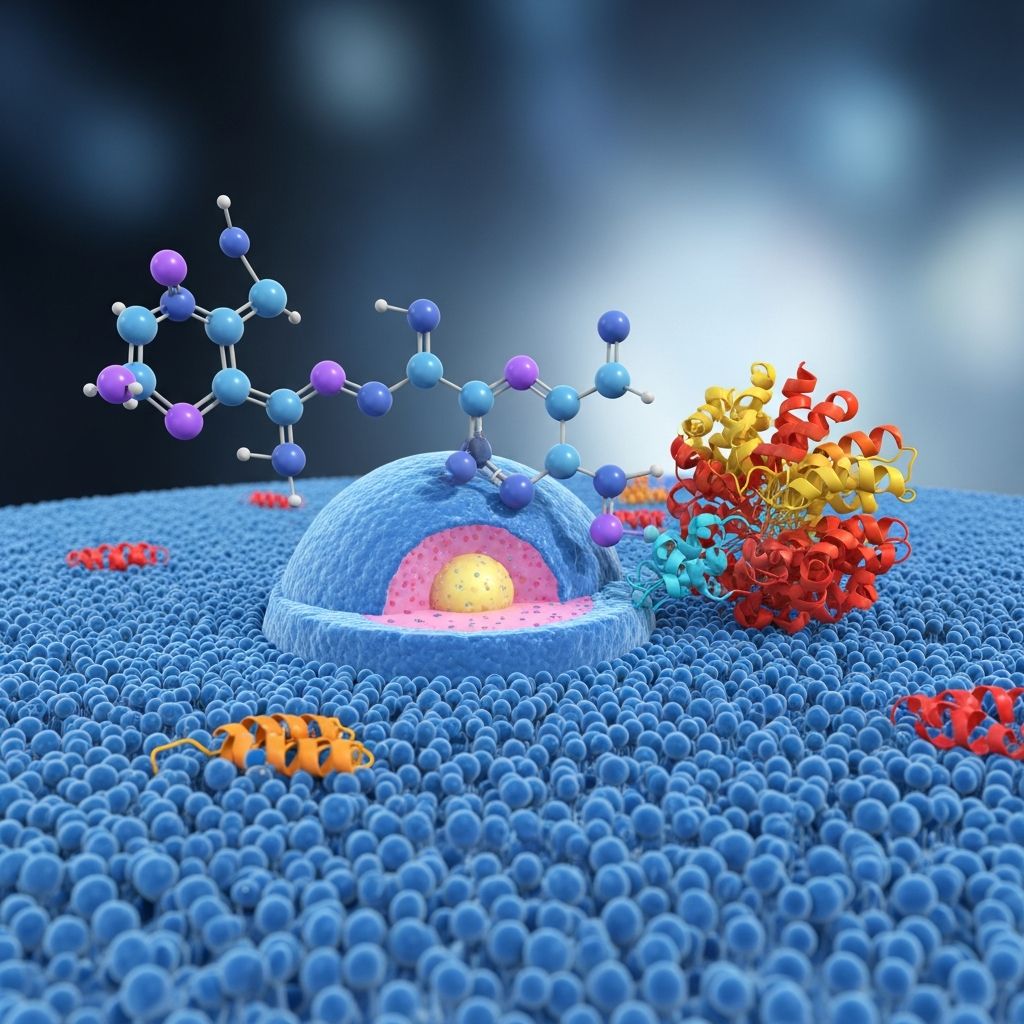
Toremifene, marketed as Fareston, is a selective estrogen receptor modulator (SERM) used primarily to treat hormone-dependent metastatic breast cancer in postmenopausal women.
About toremifene tablets
Toremifene tablets, available under the brand name Fareston, contain the active ingredient toremifene citrate. These white, round 60 mg tablets are prescribed for oral use in managing advanced breast cancer. As a SERM, toremifene selectively binds to estrogen receptors, acting as an anti-estrogen in breast tissue while potentially exhibiting estrogen-like effects elsewhere in the body.
Fareston is obtained only with a prescription and is particularly suited for patients where first-line hormonal therapies are indicated. It offers a convenient oral administration option compared to intravenous treatments.
Key facts about toremifene tablets
- Drug group: Selective estrogen receptor modulator (SERM), classified under endocrine therapy (ATC code L02BA02).
- Breast cancer type: Hormone receptor-positive (estrogen receptor-positive) metastatic breast cancer in postmenopausal women.
- Common brand: Fareston (60 mg tablets).
- Is there a generic? Toremifene is available as a generic in some regions, though brand-name Fareston remains common.
- Dosage form: Oral tablets taken once daily.
About breast cancer
Breast cancer is one of the most common cancers worldwide, with many cases being hormone-dependent, meaning they grow in response to estrogen. In postmenopausal women, metastatic breast cancer indicates the disease has spread beyond the breast to other body parts, such as bones, liver, or lungs. Estrogen receptor-positive (ER+) tumors, which express receptors for estrogen on their surface, respond well to hormonal therapies like toremifene that block estrogen’s stimulatory effects.
Understanding the hormonal nature of these cancers is crucial, as treatments target the estrogen pathway to slow tumor growth and improve survival.
How toremifene works in breast cancer
Toremifene functions as an anti-estrogen by competitively binding to estrogen receptors on breast cancer cells. This prevents estrogen from attaching to these receptors, thereby blocking the hormone’s signals that promote cell growth and proliferation. In ER+ metastatic breast cancer, this mechanism reduces tumor growth and may induce cancer cell death through apoptosis or other pathways.
Unlike hormone receptor-negative tumors, where toremifene is ineffective, it shows efficacy comparable to tamoxifen in ER+ cases. Studies in animal models demonstrate tumor regression, supporting its palliative role in advanced disease.
How and when to take or use toremifene
The recommended dose is 60 mg once daily, swallowed whole with water, with or without food. Treatment continues as long as benefits are observed and side effects are manageable. Use caution in patients with liver impairment, where dose adjustments may be needed.
Missed doses should be taken as soon as remembered unless close to the next dose; do not double up. Consistent daily timing aids adherence.
Dosage
| Indication | Dosage | Duration |
|---|---|---|
| Metastatic HR+ breast cancer (postmenopausal) | 60 mg orally once daily | Until disease progression or unacceptable toxicity |
For hepatic dysfunction, monitor closely; no specific adjustments are standardized, but caution is advised.
Essential information before starting toremifene
Related Stories



When toremifene should not be used
- History of severe allergic reactions to toremifene or similar SERMs.
- Active or history of blood clots (deep vein thrombosis, pulmonary embolism).
- Current pregnancy or breastfeeding.
- Known estrogen receptor-negative tumors.
- Severe liver disease without physician oversight.
Caution with other conditions
- History of endometrial cancer or hyperplasia (increased risk of uterine effects).
- Cardiovascular disease or hyperlipidemia (monitor lipids).
- Long QT syndrome or electrolyte imbalances (risk of QT prolongation).
- Cataracts or visual disturbances.
Taking toremifene with other medicines and herbal supplements
Toremifene interacts with several drugs via CYP3A4 metabolism. Strong CYP3A4 inhibitors (e.g., ketoconazole) increase levels; inducers (e.g., rifampin) decrease efficacy. Avoid concurrent use with other QT-prolonging agents like certain antiarrhythmics.
Common interactions:
- Warfarin: Enhanced anticoagulant effect; monitor INR.
- Hormonal contraceptives: Contraindicated.
- Fluconazole: May increase toremifene exposure.
Discuss all medications, including supplements like St. John’s wort (CYP3A4 inducer), with your doctor.
Common questions about toremifene
How long does toremifene take to work?
Clinical benefits may appear within weeks to months, with response rates around 10-40% in trials. Full effects on tumor control can take 3-6 months.
Is toremifene better than tamoxifen?
Toremifene shows equivalent efficacy to tamoxifen, with potential advantages in lipid profiles, bone density, and lower uterine cancer risk in some studies.
Side-effects of toremifene
Most side effects are mild and improve over time. Serious effects require immediate medical attention.
Common side effects
- Hot flushes (up to 50% of patients).
- Nausea, vomiting.
- Fatigue, sweating.
- Vaginal discharge or bleeding.
- Joint/muscle pain.
Serious side effects
- Blood clots (leg swelling, chest pain).
- QT prolongation (irregular heartbeat).
- Hypercalcemia (thirst, confusion).
- Endometrial changes (postmenopausal bleeding).
- Visual disturbances (cataracts).
Report persistent or severe symptoms promptly. Regular monitoring includes ECG, lipids, and gynecological exams.
Side effects: Reporting
Report suspected side effects via national reporting systems (e.g., FDA MedWatch in the US, Yellow Card in the UK). Early reporting aids drug safety.
Understanding your treatment
Regular check-ups assess response via imaging, tumor markers (CA 15-3), and exams. Discuss fertility, menopausal symptoms, and lifestyle support with your team.
Stopping or switching toremifene
Do not stop without consulting your doctor, as abrupt cessation may lead to disease progression. Switching to aromatase inhibitors or chemotherapy may occur upon progression.
Important information about all medicines
- Never share prescription medicines.
- Store securely away from children.
- Check expiry dates; dispose properly.
- Inform all healthcare providers of your medications.
Found an issue with this article?
For corrections or updates, contact reliable medical resources. This information is for educational purposes; consult professionals for personalized advice.
Frequently Asked Questions (FAQs)
Q: Who is Fareston approved for?
A: Postmenopausal women with metastatic ER+ breast cancer.
Q: Does toremifene cure breast cancer?
A: No, it provides palliative control, slowing growth and extending survival.
Q: Can toremifene be used in premenopausal women?
A: Primarily for postmenopausal; use in others is off-label and requires suppression of ovarian function.
Q: How does toremifene compare to exemestane?
A: Studies show advantages in progression-free survival for toremifene in some second-line settings.
Q: Is toremifene available over-the-counter?
A: No, prescription only.
Clinical Evidence and Comparisons
Meta-analyses of over 7,000 patients confirm toremifene’s equivalence to tamoxifen, with superior 5-year survival in early-stage disease (OR 1.25). In advanced settings, clinical benefit rates reach 41% vs. 27% for exemestane. EMA approves it as first-line for HR+ metastatic disease.
Toremifene offers benefits like improved bone density and lipids over tamoxifen. Large trials (e.g., NAFTA) report similar disease-free survival: 92% at 5 years.
(Word count: 1782)
References
- Fareston: A Comprehensive Guide to the Breast Cancer Treatment — QuickRx Specialty Pharmacy. 2025. https://quickrxspecialty.pharmacy/fareston-breast-cancer-treatment/
- Toremifene (Fareston): Side Effects, Cost, and More — BreastCancer.org. 2025-12-23. https://www.breastcancer.org/treatment/hormonal-therapy/fareston
- Fareston | European Medicines Agency (EMA) — EMA. Accessed 2026. https://www.ema.europa.eu/en/medicines/human/EPAR/fareston
- Toremifene (Fareston®) — Macmillan Cancer Support. Accessed 2026. https://www.macmillan.org.uk/cancer-information-and-support/treatments-and-drugs/toremifene
- Toremifene: uses, dosing, warnings, adverse events — Oncology News Central. Accessed 2026. https://www.oncologynewscentral.com/drugs/monograph/4557-398005/toremifene-oral
- Toremifene — Wikipedia (background). Accessed 2026. https://en.wikipedia.org/wiki/Toremifene
- Toremifene in the treatment of breast cancer — PMC (PubMed Central). 2014-07-15. https://pmc.ncbi.nlm.nih.gov/articles/PMC4127610/
Similar Articles








Read full bio of medha deb