Torticollis (Wryneck): Causes, Symptoms & Treatment
Complete guide to torticollis: Understanding wryneck symptoms, causes, and effective treatment options.
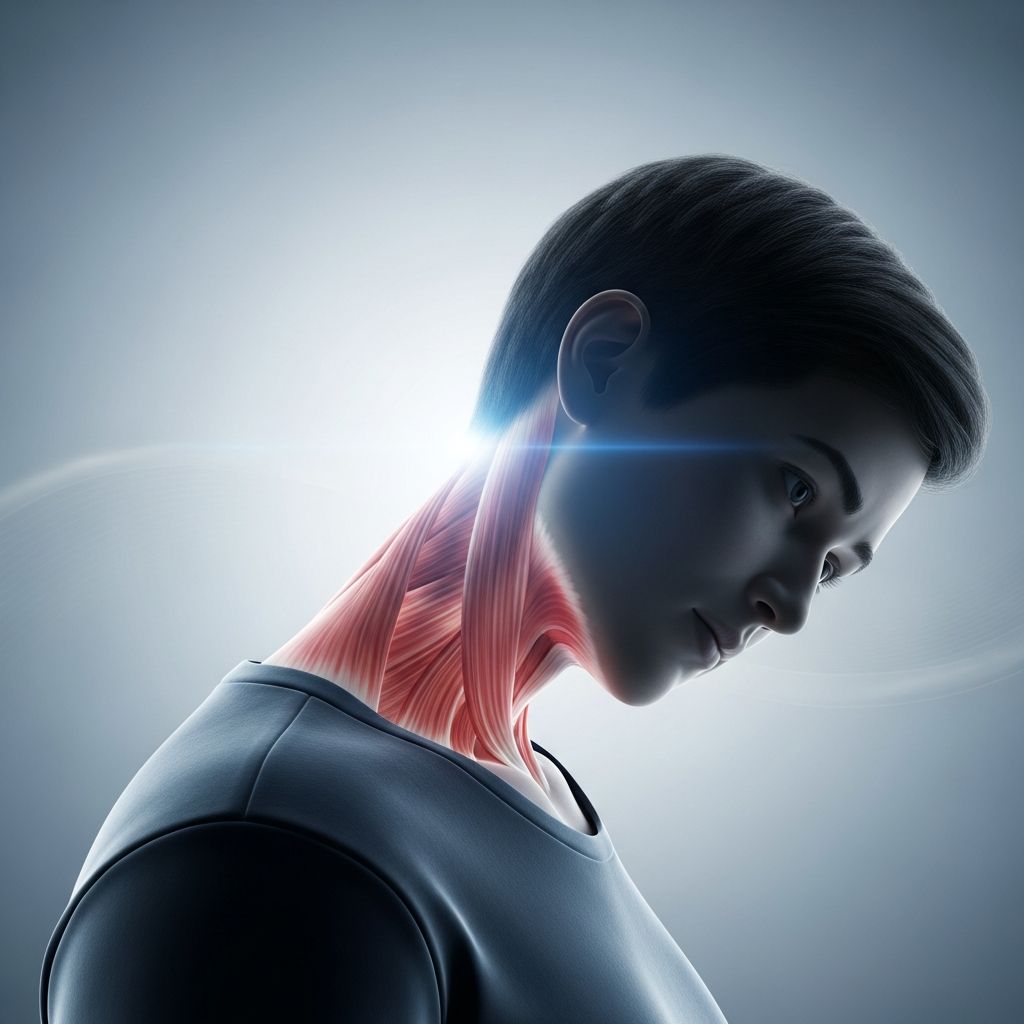
Understanding Torticollis (Wryneck)
Torticollis, commonly known as wryneck, is a condition characterized by abnormal twisting and tilting of the head to one side due to involuntary muscle contractions in the neck. The term “torticollis” is derived from the Latin words “tortus” (twisted) and “collum” (neck), accurately describing the physical manifestation of this condition. When the neck muscles spasm or contract abnormally, they cause the head to rotate and assume an unnatural position, which can range from mildly uncomfortable to severely painful depending on the underlying cause and severity of the condition.
This condition affects individuals across all age groups, though it is particularly common in infants and young children. Torticollis can develop suddenly or gradually, and its impact varies significantly based on whether it is congenital (present at birth) or acquired (developed after birth). Understanding the nature of torticollis is essential for recognizing symptoms early and seeking appropriate treatment to prevent long-term complications.
Types of Torticollis
Congenital Muscular Torticollis
Congenital muscular torticollis occurs when an infant is born with the condition, typically resulting from injury or trauma to the neck muscles during delivery or intrauterine positioning. This form of torticollis usually involves tightening and shortening of the sternocleidomastoid muscle, which runs along the side of the neck. Infants with congenital torticollis often present with a head tilt to one side and difficulty turning their head to the opposite side. The condition is often detected shortly after birth when parents notice their baby’s head consistently turned to one side.
Acquired Torticollis
Acquired torticollis develops after birth due to various triggering factors. This category includes both sudden-onset acute torticollis and chronic conditions. Acute torticollis frequently occurs because of swelling in the child’s throat or surrounding tissues, which causes the cervical ligaments to loosen and allows vertebrae to move out of their normal position, triggering neck muscle spasms. The swelling may result from an infection, injury, or sometimes an unknown cause.
Spasmodic Torticollis (Cervical Dystonia)
Spasmodic torticollis, also known as cervical dystonia, is a neurological movement disorder that typically affects adults. This condition causes involuntary and sustained contractions of the neck muscles, resulting in the head twisting painfully to one side, or tilting forward or backward uncontrollably. Unlike congenital forms, spasmodic torticollis has no cure, though symptoms can be managed with various treatment options including botulinum toxin injections.
Causes of Torticollis
Causes in Infants
In newborns and infants, congenital torticollis typically results from birth-related trauma or intrauterine positioning. The sternocleidomastoid muscle may become injured during difficult deliveries or prolonged abnormal positioning in the womb. Additionally, breech presentations and multiple pregnancies increase the risk of developing congenital torticollis. Some cases develop without a clear identifiable cause but resolve naturally within weeks to months.
Causes in Children and Adults
Acquired torticollis in older children and adults stems from various sources. These include minor muscle sprains, irritation of neck ligaments, sleeping in awkward positions, or viral infections that cause throat and lymph gland swelling. Other potential causes include burn injuries, injuries causing significant scarring, herniated discs, slipped vertebral facets, and certain medications such as phenothiazines that can trigger neck muscle spasms as a side effect.
Related Stories



Symptoms and Diagnosis
Common Symptoms
The primary symptom of torticollis is visible tilting or twisting of the head to one side. Additional symptoms may include stiffness and swelling of the neck muscles, pain on one side of the neck (particularly in adults), and difficulty straightening the neck. Infants with torticollis typically do not experience pain, but the cosmetic concern and potential for developmental complications warrant early intervention.
In acute torticollis, symptoms appear suddenly, often upon waking, and individuals may experience significant pain and restricted neck movement. Chronic forms like cervical dystonia may involve intermittent spasms or continuous abnormal positioning.
When to Seek Medical Attention
Certain symptoms indicate a more serious underlying cause requiring urgent medical evaluation. These warning signs include fever, increased drooling, sore throat, difficulty swallowing, visual changes, and changes in sensation or limb mobility. Parents noticing their infant’s head consistently tilted to one side should contact their pediatrician for evaluation.
Diagnostic Process
Diagnosis of torticollis typically begins with a thorough medical history and physical examination. Healthcare providers assess neck range of motion, muscle strength, and the degree of head deviation. Imaging studies such as X-rays and MRI may be ordered to rule out underlying skeletal abnormalities, infections, or other conditions affecting the spine and surrounding tissues. Ultrasound may help evaluate muscle inflammation in infants.
Treatment Approaches
Nonsurgical Treatment
The majority of torticollis cases respond well to conservative treatment methods. The standard treatment for congenital muscular torticollis consists of a targeted exercise program to stretch the sternocleidomastoid muscle. Stretching exercises include turning the baby’s neck side to side so the chin touches each shoulder and gently tilting the head to bring the ear on the unaffected side down to the shoulder. Parents should practice these stretches several times daily, gradually increasing the range of motion over time.
Sleep positioning modifications are equally important for infants with congenital torticollis. By positioning the baby to encourage turning their head away from the contracted muscle, parents can promote gradual lengthening and correction of the deformity. Some cases may benefit from specially fitted corrective helmets to prevent head flattening.
Symptomatic Relief Measures
For acute torticollis and temporary cases, several comfort measures can alleviate symptoms. Applying heat packs to the affected neck muscles helps ease muscle tightness and promote relaxation. Gentle massage of the neck muscles can reduce pain and stiffness. Pain relief medications such as paracetamol or non-steroidal anti-inflammatory drugs (NSAIDs) like ibuprofen are often effective for managing discomfort.
Physical Therapy
Physical therapy plays a crucial role in treating various forms of torticollis. Therapists design customized stretching and strengthening programs to increase neck flexibility, reduce muscle spasms, and restore normal head positioning. Congenital muscular torticollis responds particularly well to physical therapy, especially when started early, with most cases showing significant improvement within several months.
Medical Management
Depending on the underlying cause, additional medical interventions may be necessary. Antibiotics treat torticollis caused by infections. Muscle relaxant medications such as diazepam may be prescribed for short-term use when muscle stiffness is severe. For spasmodic torticollis, regular botulinum toxin injections are the most effective treatment, paralyzing affected muscles to prevent spasms.
Surgical Intervention
When nonsurgical treatments have not proven successful after an adequate trial period, surgical options may be considered. Surgery typically involves lengthening the contracted sternocleidomastoid muscle to restore normal head positioning. Surgical intervention is rarely needed in congenital cases but may be required in some instances of severe, treatment-resistant torticollis in older children or adults.
Prognosis and Recovery Timeline
The outlook for torticollis varies depending on the type and how quickly treatment begins. Temporary acute torticollis typically resolves completely within 7 to 10 days with conservative management. Congenital muscular torticollis shows excellent response to early physical therapy and positioning changes, with most infants experiencing improvement within weeks to months. When treatment starts early, children typically develop without long-term issues or complications.
Spasmodic torticollis in adults requires ongoing management, as the condition has no cure. However, regular botulinum toxin injections and physical therapy can effectively manage symptoms and improve quality of life. Prognosis improves significantly when patients maintain consistent treatment and follow recommended therapeutic protocols.
Prevention and Home Care
While not all cases of torticollis can be prevented, certain measures may reduce risk. Varying infant sleep positions and alternating which side the baby faces during feeding promotes symmetric neck muscle development. During tummy time, caregivers should encourage babies to turn their head both directions equally.
For adults, maintaining good posture, avoiding prolonged positions that strain the neck, and using proper pillow support during sleep help prevent acute torticollis. Prompt treatment of throat infections and careful attention to neck health can minimize acquired torticollis risk.
Frequently Asked Questions
Q: Can torticollis cause permanent damage if left untreated?
A: Untreated congenital torticollis may lead to cosmetic concerns and developmental complications, but early intervention typically prevents permanent damage. Temporary acute torticollis usually resolves on its own.
Q: How long does it take to see improvement with stretching exercises?
A: Most infants show noticeable improvement within several weeks of consistent stretching exercises performed multiple times daily. Significant correction typically occurs within 3 to 6 months of starting therapy.
Q: Is torticollis painful for infants?
A: Congenital torticollis typically does not cause infants pain, though they may have limited neck movement. Adults and children with acquired forms may experience varying degrees of pain and discomfort.
Q: Can torticollis recur after successful treatment?
A: Recurrence of congenital torticollis after successful treatment is uncommon. However, spasmodic torticollis in adults may require ongoing management to prevent symptom recurrence.
Q: What is the success rate of botulinum toxin for spasmodic torticollis?
A: Botulinum toxin injections are highly effective for managing spasmodic torticollis symptoms in most adults, significantly reducing muscle spasms and improving head positioning when administered regularly by specialists.
References
- Torticollis (Wryneck): Symptoms, Causes & Treatment — Cleveland Clinic. 2024. https://my.clevelandclinic.org/health/diseases/22430-torticollis
- Torticollis – treatments, symptoms, causes and prevention — healthdirect. Australian Department of Health. 2024. https://www.healthdirect.gov.au/torticollis
- Torticollis (Wry Neck) — UMass Memorial Health. 2024. https://www.ummhealth.org/health-library/torticollis-wry-neck
- Infant Torticollis: Causes, Symptoms, and Treatment — Childbirth Injuries Center. 2024. https://www.childbirthinjuries.com/birth-injury/torticollis/
- Torticollis (Wry Neck): Causes, Symptoms, and Treatment — Patient.info. 2024. https://patient.info/bones-joints-muscles/neck-pain/torticollis-twisted-neck
- Congenital Muscular Torticollis (Twisted Neck) — American Academy of Orthopaedic Surgeons (AAOS). 2024. https://orthoinfo.aaos.org/en/diseases–conditions/congenital-muscular-torticollis-twisted-neck
- What causes torticollis? — University of Rochester Medical Center. 2024. https://www.urmc.rochester.edu/encyclopedia/content?contenttypeid=85&contentid=p01389
Similar Articles








Read full bio of medha deb