Total Iron-Binding Capacity (TIBC) Test: Purpose and Results
Complete guide to TIBC testing: Understanding iron metabolism and diagnostic interpretation.
Total Iron-Binding Capacity (TIBC) Test: Understanding Your Results
The Total Iron-Binding Capacity (TIBC) test is a blood test that measures your body’s ability to transport iron through your bloodstream. This diagnostic test plays a crucial role in evaluating iron metabolism and identifying conditions related to iron deficiency or iron overload. By understanding what TIBC measures and what your results mean, you can work with your healthcare provider to maintain optimal iron levels and overall health.
What Is Total Iron-Binding Capacity (TIBC)?
Total Iron-Binding Capacity represents the maximum amount of iron that can be transported by transferrin, a protein in your blood responsible for carrying iron throughout your body. Think of transferrin as a delivery vehicle, and TIBC as its total carrying capacity. The test measures the total number of binding sites available on transferrin molecules to carry iron molecules from your digestive system to cells throughout your body.
TIBC is an indirect measurement of transferrin levels in your blood. When your body needs more iron or has lower iron stores, it produces more transferrin to improve iron absorption and transport. Conversely, when iron stores are adequate or elevated, transferrin production decreases. By measuring TIBC, healthcare providers can assess your body’s iron transport capacity and identify potential iron-related disorders.
Why Is TIBC Testing Ordered?
Your healthcare provider may order a TIBC test for several important reasons:
Diagnosis of Iron-Related Disorders
TIBC testing is primarily used to identify individuals with either iron deficiency or iron overload. The test helps distinguish between different types of anemia and determines whether low hemoglobin levels result from iron deficiency or other causes. When combined with serum iron measurements and ferritin levels, TIBC provides a comprehensive picture of your iron metabolism.
Evaluation of Anemia
If you experience symptoms such as fatigue, weakness, shortness of breath, or pale skin, your provider may order TIBC testing as part of an iron panel to investigate the underlying cause. This is particularly important for patients with microcytic anemia, where red blood cells are smaller than normal, often indicating iron deficiency.
Monitoring Iron Status
For patients with known iron disorders or those undergoing treatment for iron deficiency, periodic TIBC testing helps monitor treatment effectiveness and assess whether iron supplementation or dietary modifications are working appropriately.
Normal TIBC Range and Reference Values
Understanding what constitutes a normal TIBC result is essential for interpreting your test results. Normal ranges can vary slightly between laboratories depending on their testing methods and reference populations.
| Parameter | Normal Range | Unit |
|---|---|---|
| Total Iron-Binding Capacity (TIBC) | 232–386 (general reference) or 250–425 (age 20+) | mcg/dL |
| Serum Iron | 41–186 (general reference) or 50–195 (age 20–29) | mcg/dL |
| Transferrin Saturation | 15–57 | Percent (%) |
These reference ranges may differ based on age, sex, and individual laboratory standards. Your healthcare provider will interpret your results based on the specific reference range used by your testing facility. Always consult with your doctor to understand what your individual results mean in the context of your health status.
Related Stories



Understanding High TIBC Results
Elevated TIBC typically indicates that your body has an increased capacity to bind iron, suggesting that fewer iron molecules are saturating the available transferrin binding sites. This often reflects a state where the body needs more iron.
Common Causes of High TIBC
Iron Deficiency
The most common cause of elevated TIBC is iron deficiency. When your body detects insufficient iron stores, it compensates by increasing transferrin production to enhance iron absorption from dietary sources and improve iron transport to cells. Iron deficiency can result from chronic bleeding (such as gastrointestinal bleeding or heavy menstrual periods), inadequate dietary intake (particularly common in vegetarians and vegans), or malabsorption disorders including celiac disease, Crohn’s disease, or post-bariatric surgery conditions.
Pregnancy
Pregnant women often experience elevated TIBC as their bodies demand increased iron to support blood volume expansion and fetal development. This physiological adaptation is normal and typically resolves postpartum.
Oral Contraceptive Use
Some women taking birth control pills may show elevated TIBC as a result of hormonal influences on iron metabolism and transferrin regulation.
Clinical Significance of Elevated TIBC
When TIBC is high alongside low serum iron and low ferritin levels, this pattern strongly suggests iron deficiency anemia. Your healthcare provider will likely recommend dietary modifications, iron supplementation, or further investigation to identify and address the underlying cause of iron loss or inadequate intake.
Understanding Low TIBC Results
Decreased TIBC indicates a reduced capacity to bind iron, suggesting either adequate or excessive iron stores. When iron levels are sufficient, your body produces less transferrin, resulting in lower TIBC values.
Common Causes of Low TIBC
Iron Overload
Low TIBC often accompanies elevated serum iron levels, indicating iron overload or hemochromatosis. In this condition, the body stores excess iron in organs including the heart, liver, and pancreas, potentially causing damage.
Chronic Liver Disease
The liver produces transferrin, so liver dysfunction or cirrhosis can result in decreased transferrin production and lower TIBC levels.
Inflammation and Infection
Chronic inflammatory conditions, infections, and malignancy can suppress transferrin production, leading to decreased TIBC.
Malnutrition
Severe malnutrition or protein deficiency impairs the body’s ability to synthesize transferrin, resulting in lower TIBC values.
Clinical Significance of Low TIBC
Low TIBC requires further evaluation to identify the underlying cause. When combined with elevated serum iron and transferrin saturation, it suggests iron overload requiring treatment to prevent organ damage. In other contexts, low TIBC may reflect systemic illness requiring separate management.
The Relationship Between TIBC and Other Iron Studies
TIBC is rarely interpreted in isolation. Healthcare providers typically order a comprehensive iron panel that includes multiple related tests:
Serum Iron
Measures the amount of iron circulating in your blood at the time of testing. Combined with TIBC, serum iron helps assess iron status and calculate transferrin saturation.
Ferritin
Reflects your body’s total iron stores. Low ferritin with high TIBC confirms iron deficiency, while high ferritin with low TIBC suggests iron overload.
Transferrin Saturation
Calculated by dividing serum iron by TIBC and multiplying by 100, this percentage indicates how much of your transferrin capacity is actually occupied by iron. Normal transferrin saturation ranges from 20 to 50 percent. Low saturation suggests iron deficiency, while elevated saturation may indicate iron overload.
Complete Blood Count (CBC)
Provides information about red blood cells, white blood cells, and platelets. When anemia is present, specific CBC parameters like hemoglobin, hematocrit, and mean corpuscular volume help characterize the type of anemia and suggest whether iron deficiency is the cause.
How the TIBC Test Is Performed
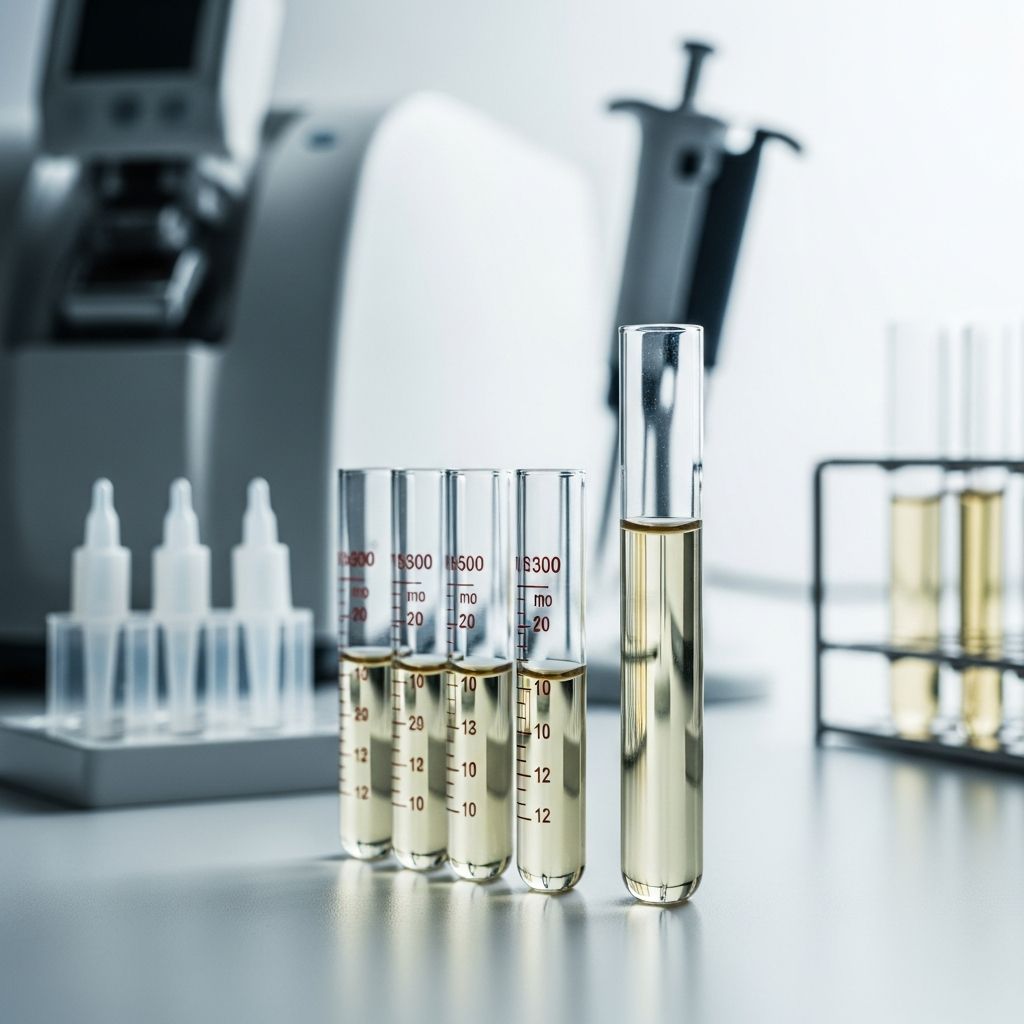
The TIBC test is a straightforward blood test requiring a simple blood draw. Your healthcare provider will typically request that you fast overnight or for several hours before the test, as iron values can decrease significantly throughout the day and food can interfere with accurate measurement.
Test Procedure
A healthcare professional will clean an area of your arm with an antiseptic solution and insert a needle into a vein, usually in your inner elbow. A small amount of blood is collected into a tube, which is then sent to a laboratory for analysis. The entire process typically takes just a few minutes. Most people experience minimal discomfort beyond a slight pinch at the needle insertion site.
Sample Requirements
The blood sample must be collected in a gel-barrier tube (serum separator tube) and handled according to specific protocols. After collection, the sample should be gently inverted but not shaken, allowed to clot for 30 minutes, and then centrifuged. The serum is then refrigerated at 2°C to 8°C and should be transported the same day to the laboratory to maintain sample integrity.
Turnaround Time
Most laboratories return TIBC test results within 1 to 3 business days, though some facilities may provide results more quickly.
Preparing for Your TIBC Test
Proper preparation ensures accurate test results:
- Fast for 8 to 12 hours before your test, as instructed by your healthcare provider
- Schedule your test in the morning when iron values are highest
- Inform your healthcare provider of all medications and supplements you take, as some substances can affect iron levels
- Avoid strenuous exercise before your test
- Stay hydrated by drinking water before your appointment
- Inform the phlebotomist if you have a history of difficult blood draws or needle anxiety
Interpreting Your TIBC Results in Clinical Context
Your TIBC result must be interpreted alongside other clinical information including your symptoms, medical history, other laboratory values, and physical examination findings. A single test result rarely tells the complete story of your iron status.
For example, a patient with high TIBC, low serum iron, and low ferritin has a classic pattern of iron deficiency anemia. However, a patient with high TIBC but normal serum iron and ferritin might represent early or mild iron deficiency, or possibly another condition. Similarly, low TIBC with elevated serum iron strongly suggests iron overload, but low TIBC with low serum iron might indicate liver disease or chronic illness rather than iron deficiency.
Your healthcare provider will consider the complete clinical picture to determine whether your TIBC results warrant treatment, further testing, or dietary modifications.
Frequently Asked Questions About TIBC Testing
Q: How often should I have my TIBC tested?
A: The frequency of TIBC testing depends on your individual circumstances. If you have iron deficiency anemia, your provider may test every 6 to 12 weeks to monitor treatment response. Patients with chronic conditions affecting iron metabolism may require periodic monitoring. Discuss the appropriate testing schedule with your healthcare provider based on your specific situation.
Q: Can TIBC testing be affected by medications or supplements?
A: Yes, certain medications and supplements can influence TIBC results. Iron supplements, birth control pills, and some anti-inflammatory medications may affect results. Always inform your healthcare provider of all supplements and medications you take before testing.
Q: What should I do if my TIBC results are abnormal?
A: Abnormal TIBC results warrant discussion with your healthcare provider. They will assess your results in context of your symptoms, medical history, and other laboratory values to determine whether you need treatment, additional testing, or lifestyle modifications. Never self-diagnose or self-treat based solely on laboratory results.
Q: Is the TIBC test painful?
A: The TIBC test involves only a blood draw, which typically causes minimal discomfort. Most people experience nothing more than a slight pinch when the needle is inserted. The entire procedure usually takes just a few minutes.
Q: Can I eat or drink before my TIBC test?
A: Your healthcare provider will provide specific fasting instructions. Generally, you should fast for 8 to 12 hours before testing, though water is usually permitted. Fasting ensures the most accurate iron measurements, as food intake can affect results.
Q: How do TIBC results differ between men and women?
A: While normal reference ranges may vary slightly between sexes, TIBC interpretation follows the same principles regardless of gender. However, women of reproductive age are at higher risk for iron deficiency due to menstrual blood loss, so elevated TIBC may be more common in this population.
References
- Iron and TIBC — Cleveland Clinic Laboratories. 2025. https://clevelandcliniclabs.com/test/iron-and-tibc/
- Iron, Total and Total Iron Binding Capacity — Cleveland HeartLab, Inc. 2025. https://www.clevelandheartlab.com/tests/iron-total-and-total-iron-binding-capacity/
- Iron-Binding Capacity Explained: What High TIBC Results Indicate — Rupa Health. 2024. https://www.rupahealth.com/post/iron-binding-capacity-explained-what-high-tibc-results-indicate
- TIBC Blood Test Normal Range: What Your Results Mean — Everlywell. 2024. https://www.everlywell.com/blog/blood-test/tibc-blood-test-normal-range/
- Iron-Deficiency Anemia: Symptoms, Causes & Treatment — Cleveland Clinic. 2024. https://my.clevelandclinic.org/health/diseases/22824-iron-deficiency-anemia
- Microcytic Anemia: Symptoms, Causes & Treatment — Cleveland Clinic. 2024. https://my.clevelandclinic.org/health/diseases/23015-microcytic-anemia
- Iron, Ferritin, TIBC, and UIBC: Diagnostic Significance and Clinical Applications — A Health Academy. 2024. https://www.ahealthacademy.com/biomarkers/iron_ferritin_tibc_uibc/
Similar Articles








Read full bio of medha deb