Toxic Shock Syndrome: 5 Emergency Treatments To Know
Understand the causes, rapid symptoms, urgent treatments, and key prevention strategies for this life-threatening bacterial condition.
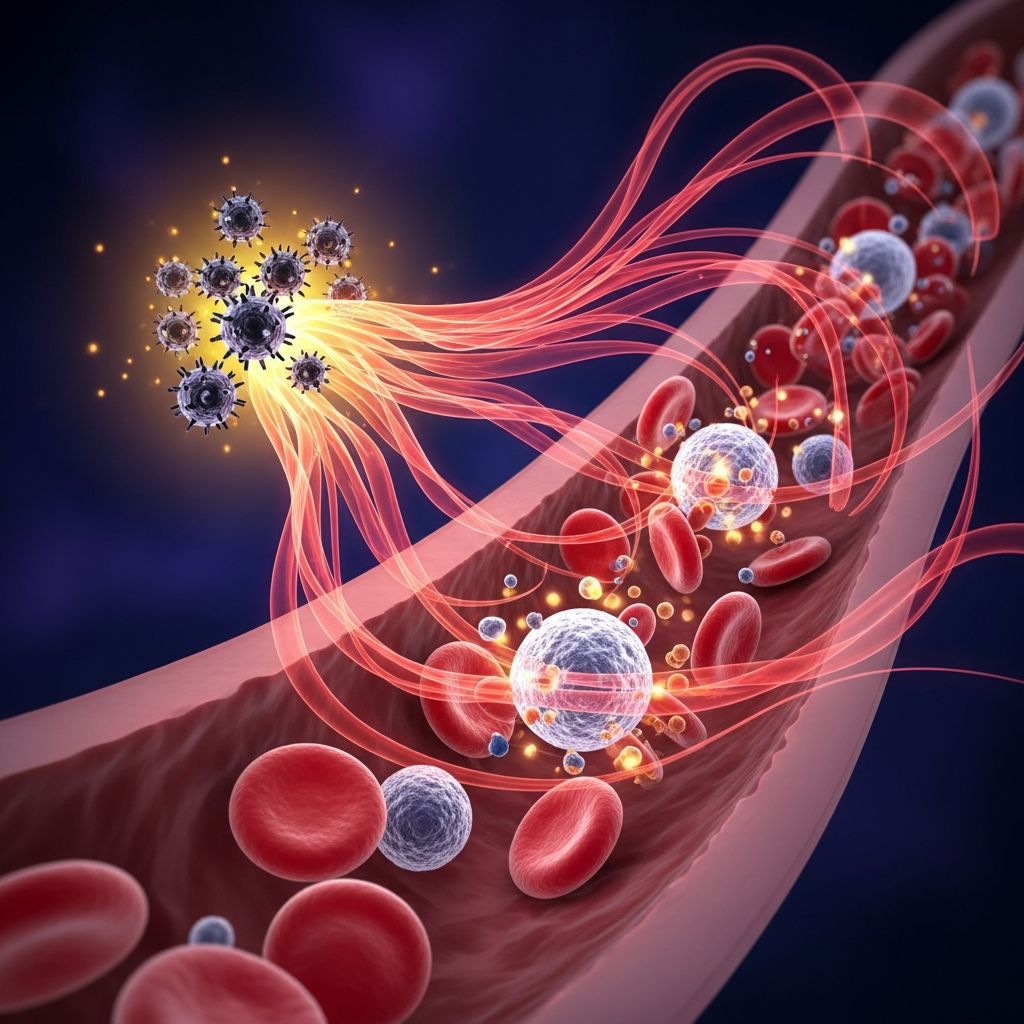
Toxic shock syndrome (TSS) represents a rapid-onset, potentially fatal condition driven by toxins released from specific bacteria, primarily affecting multiple body systems through overwhelming inflammation and shock.
The Hidden Danger of Bacterial Toxins
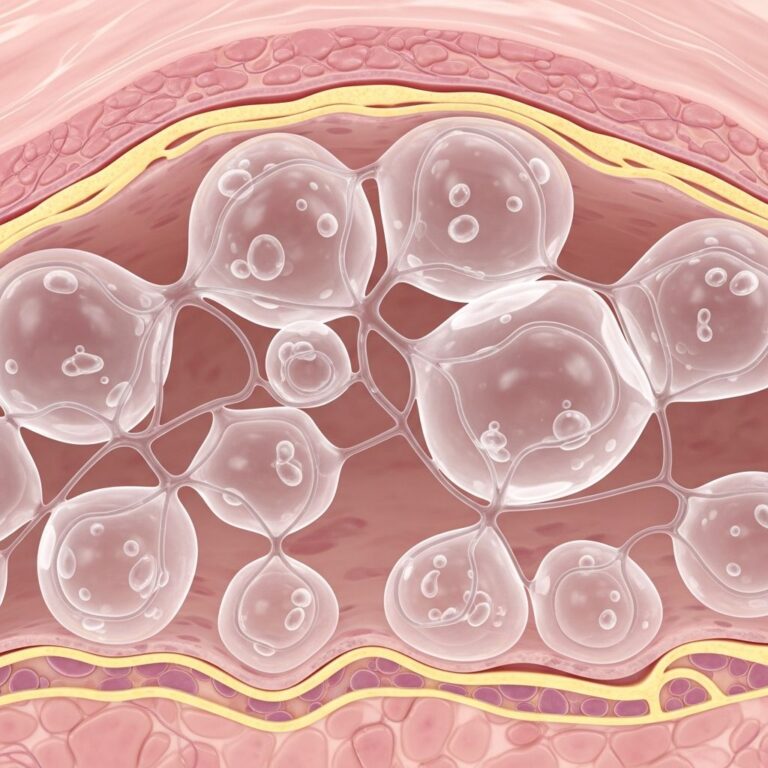
At its core, TSS arises when toxin-producing bacteria invade the body, unleashing superantigens that disrupt normal immune responses. These potent molecules trigger a massive release of cytokines, inflammatory chemicals that cause widespread capillary leakage, plummeting blood pressure, and damage to vital organs like the kidneys, liver, and lungs. Unlike typical infections where bacteria multiply locally, TSS stems from the toxin’s systemic effects, often without a heavy bacterial load in the blood.
The primary culprits are Staphylococcus aureus (staph), responsible for most menstrual-related cases, and Streptococcus pyogenes (group A strep), linked to wound or skin infections. Certain strains of these bacteria produce exotoxins like streptococcal pyrogenic exotoxins, amplifying the severity. While historically tied to high-absorbency tampons in the 1980s, modern cases span surgical wounds, skin injuries, respiratory infections, and even contraceptive barriers.
Recognizing the Alarming Signs
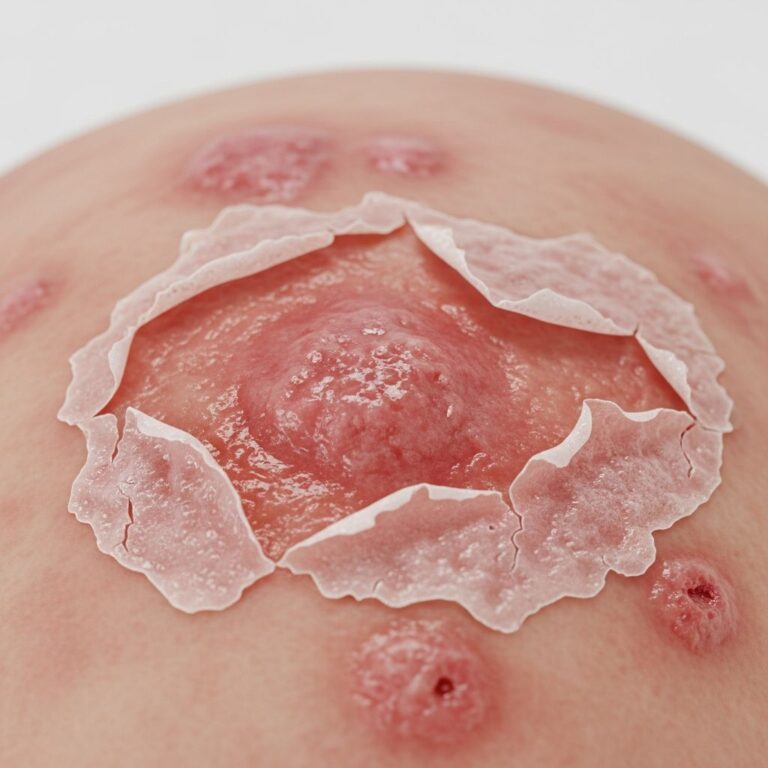
TSS strikes swiftly, often mimicking severe flu before escalating to life-threatening shock within hours. Initial flu-like symptoms include chills, high fever above 102°F (38.9°C), muscle pain, nausea, and vomiting. These progress rapidly to hallmark features: low blood pressure causing dizziness or fainting, rapid heart rate, confusion, and a distinctive sunburn-like rash across the trunk, arms, or legs.
The rash, a diffuse red erythroderma, blanches under pressure and may involve mucous membranes, presenting as strawberry tongue, red eyes, or vaginal inflammation. Within 1-2 weeks, skin on palms and soles peels dramatically. Other indicators of organ involvement encompass watery diarrhea, severe headaches, seizures, and lab abnormalities like elevated liver enzymes or low platelets.
- Sudden high fever and chills
- Sunburn rash followed by desquamation
- Hypotension, tachycardia, and tachypnea
- Vomiting, diarrhea, and muscle aches
- Confusion or altered mental status
Progression to multi-organ failure can involve renal shutdown (elevated creatinine), hepatic dysfunction (high bilirubin), coagulopathy (low platelets), or acute respiratory distress. Bloodstream invasion occurs in about half of strep TSS cases, heightening mortality risk.
High-Risk Scenarios and Vulnerable Groups
While anyone can develop TSS, certain situations elevate danger. Menstrual TSS, though reduced since tampon reforms, links to prolonged use of superabsorbent products that foster stagnant, oxygen-poor environments ideal for toxin production. Non-menstrual cases arise from surgical sites, barrier contraceptives, nasal packing post-surgery, or infected wounds, especially in those with recent viral illnesses like influenza or chickenpox.
Immunocompromised individuals, postoperative patients, or those with chronic skin conditions face higher odds. Streptococcal TSS often stems from deep soft-tissue infections like necrotizing fasciitis, where bacteria invade muscles and fascia. Incubation varies: 24-48 hours post-exposure for strep TSS, potentially longer for staph.
| Risk Factor | Associated Bacteria | Common Sites |
|---|---|---|
| Tampon use | Staph aureus | Vaginal |
| Skin wounds | Group A strep | Soft tissue |
| Surgery | Staph or strep | Wounds, nasal |
| Respiratory infection | Staph or strep | Lungs, throat |
Swift Diagnosis: Time is Critical
Diagnosing TSS demands urgency, as symptoms overlap with sepsis or flu. Clinicians use CDC criteria: fever ≥102°F, rash with desquamation, hypotension, and involvement of three or more systems (gastrointestinal, muscular, renal, hepatic, hematologic, CNS, or mucosal). Cultures from blood, wounds, or other sites guide identification, though negative results don’t rule it out due to toxin dominance.
Related Stories



Lab tests reveal leukocytosis, elevated CPK (muscle enzyme), azotemia, and thrombocytopenia. Imaging like CT scans detects deep infections necessitating surgery. Early recognition prevents misdiagnosis as simple gastroenteritis or dehydration.
Emergency Treatment Protocols
TSS demands immediate hospitalization, often in intensive care. First-line actions include aggressive IV fluid resuscitation with crystalloids to counter shock, alongside broad-spectrum antibiotics like clindamycin plus vancomycin or beta-lactams to halt toxin production and bacterial spread.
Source control is paramount: remove tampons, clean wounds, or surgically debride necrotic tissue in necrotizing cases. Up to 50% of strep TSS requires operation to excise infected areas. Vasopressors like norepinephrine stabilize refractory hypotension, while IV immunoglobulin (IVIG) may neutralize superantigens in severe strep cases, though evidence varies.
Supportive care addresses organ failure: mechanical ventilation for lungs, dialysis for kidneys, and transfusions for coagulopathy. Monitoring in ICU ensures rapid reassessment every 24-48 hours. With prompt intervention, survival improves significantly.
- IV antibiotics immediately
- Fluids and vasopressors for shock
- Surgical source removal
- IVIG for refractory cases
- ICU supportive therapies
Prevention: Practical Steps for Safety
Avoiding TSS hinges on hygiene and awareness. For menstrual products, change tampons every 4-8 hours, alternate with pads, and select lowest absorbency needed. Wash hands before insertion and avoid overnight use. Clean wounds promptly, monitor surgical sites, and seek care for signs of infection like increasing redness or pus.
Post-influenza or chickenpox, watch for secondary bacterial invasion. No vaccine exists, but good skin care and prompt infection treatment reduce risks. Public health campaigns since the 1980s have slashed menstrual TSS incidence by over 50% through product changes.
Outlook and Long-Term Effects
Mortality reaches 5-15% for staph TSS and 30-70% for strep TSS without swift care, but early treatment boosts survival to 90%+. Survivors may face amputation from fasciitis, chronic fatigue, or organ scarring. Full recovery often takes weeks to months.
Recurrence is rare (<5%) with proper management, but prior cases warrant vigilance.
Frequently Asked Questions
What triggers TSS most commonly?
TSS is triggered by toxin-producing S. aureus or group A strep in settings like tampon use or wounds.
Can TSS occur without tampons?
Yes, most cases now are non-menstrual, from skin infections, surgery, or respiratory issues.
How quickly does TSS worsen?
Symptoms escalate within 24-48 hours, demanding immediate medical attention.
Is TSS contagious?
No, it’s not directly spread person-to-person; risks stem from personal bacterial colonization.
Who is at highest risk for TSS?
Young women using tampons, postoperative patients, and those with skin barriers or wounds.
References
- Toxic shock syndrome (TSS) – including symptoms, treatment and prevention — SA Health. 2023. https://www.sahealth.sa.gov.au/wps/wcm/connect/public+content/sa+health+internet/conditions/infectious+diseases/toxic+shock+syndrome/toxic+shock+syndrome+tss+-+including+symptoms+treatment+and+prevention
- Clinical Guidance for Streptococcal Toxic Shock Syndrome — Centers for Disease Control and Prevention (CDC). 2024-10-03. https://www.cdc.gov/group-a-strep/hcp/clinical-guidance/streptococcal-toxic-shock-syndrome.html
- Toxic Shock Syndrome – StatPearls — NCBI Bookshelf / NIH. 2023-08-08. https://www.ncbi.nlm.nih.gov/books/NBK459345/
- Signs and prevention of toxic shock syndrome — Parkview Health. 2022. https://www.parkview.com/blog/signs-and-prevention-of-toxic-shock-syndrome
- Toxic shock syndrome – Symptoms & causes — Mayo Clinic. 2024. https://www.mayoclinic.org/diseases-conditions/toxic-shock-syndrome/symptoms-causes/syc-20355384
Similar Articles








Read full bio of Sneha Tete