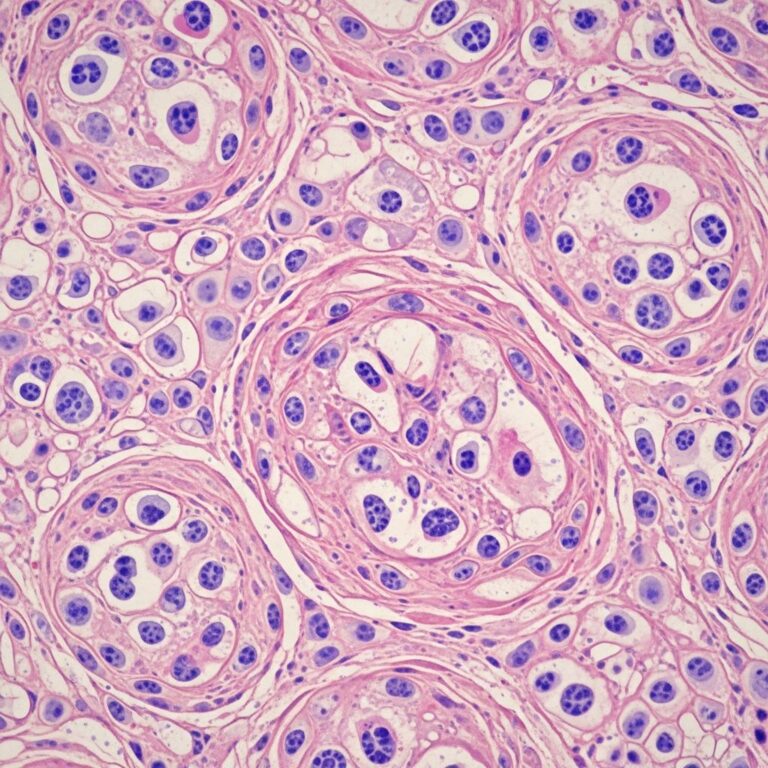
Toxocariasis: Everything You Need To Know
Understanding toxocariasis: a zoonotic parasitic infection from dogs and cats causing visceral and ocular larva migrans.
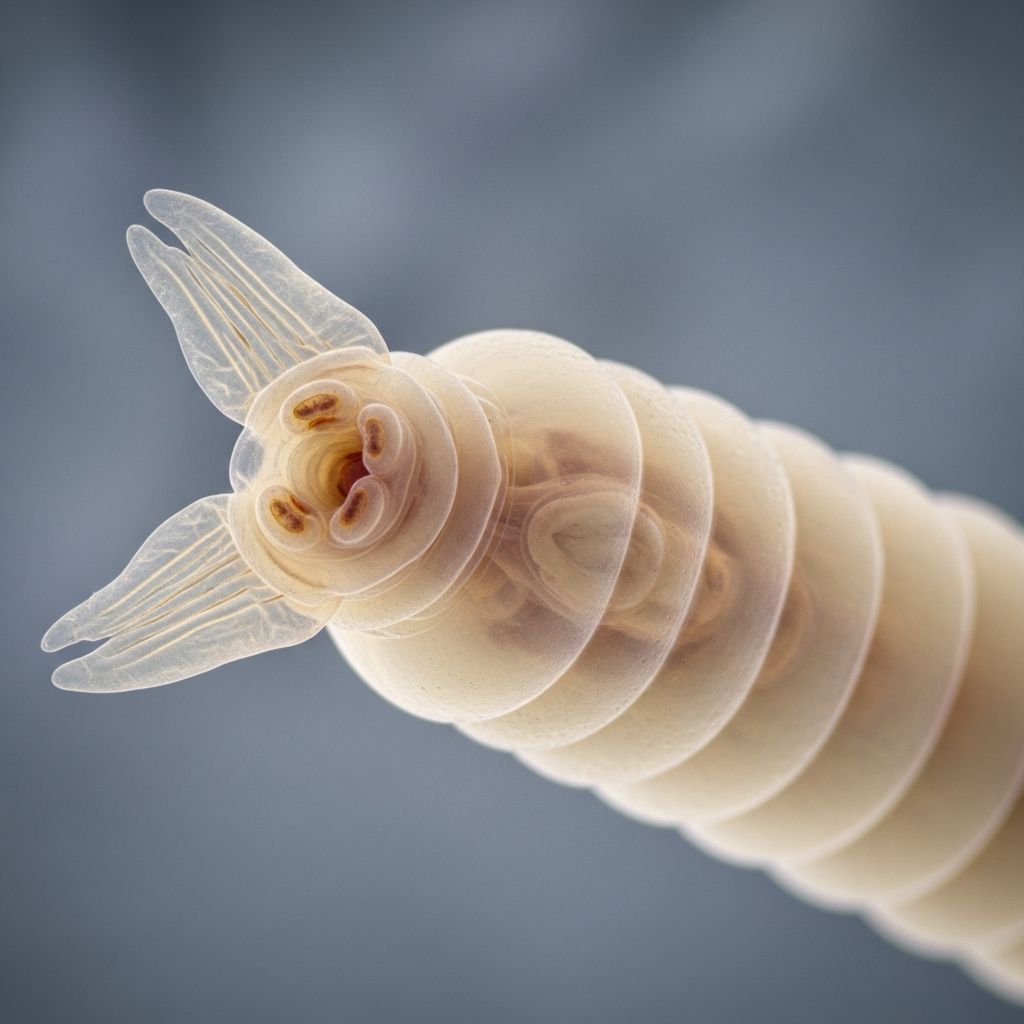
Toxocariasis, also known as visceral larva migrans (VLM) or ocular larva migrans (OLM), is a zoonotic helminthozoonosis caused by infestation with ascarid larvae from the genus Toxocara, primarily Toxocara canis (dog roundworm) and Toxocara cati (cat roundworm).
What is toxocariasis?
Toxocariasis occurs when humans accidentally ingest embryonated eggs of Toxocara species from contaminated soil, sand, or undercooked meat of paratenic hosts like rabbits or chickens. In humans, a dead-end host, the larvae hatch in the intestine, penetrate the gut wall, and migrate to organs such as the liver, lungs, brain, and eyes, causing inflammation, eosinophilia, and granuloma formation.
The disease spectrum includes visceral larva migrans (VLM), ocular larva migrans (OLM), common toxocariasis in adults, and covert toxocariasis in children. Many infections are asymptomatic, but symptomatic cases can lead to severe complications like vision loss or neurological issues.
Who gets toxocariasis?
Children aged 1–5 years are most at risk due to pica (geophagia) and playing in contaminated sandpits or playgrounds. Seroprevalence exceeds 10% in the US and up to 19% globally, higher in rural areas and tropical regions.
- High-risk groups: Young children, individuals with soil contact (gardeners, farmers), immigrants from endemic areas.
- Risk factors: Contact with puppies/kittens, poor hygiene, living in poverty-stricken areas with stray dogs.
Cause of toxocariasis
Toxocara canis completes its life cycle in dogs: eggs passed in feces embryonate in soil (2–4 weeks), become infective. Puppies infected transplacentally or via milk shed larvae in feces. T. cati cycles in cats via milk.
Humans ingest eggs (≥18 days old) from soil; larvae migrate without maturing. Larvae elicit eosinophilic inflammation, hemorrhage, necrosis, and granulomas where they may persist viable for years.
Transmission of toxocariasis
- Ingestion of embryonated eggs from dog/cat feces-contaminated soil, sand, unwashed vegetables.
- Consumption of undercooked paratenic hosts (chicken, rabbit) harboring larvae.
- Vertical transmission absent in humans; rare fomite ingestion (toys).
No human-to-human transmission. Eggs remain viable in soil for months to years under moist, shaded conditions.
Clinical features of toxocariasis
Symptoms depend on larval burden, migration sites, and host immunity. Four main syndromes:
- Visceral larva migrans (VLM): Primarily in children <8 years. Acute signs: fever, cough, wheezing, abdominal pain, anorexia, hepatomegaly, rash. Lab: marked eosinophilia (>2,000/mm³), leukocytosis, hypergammaglobulinemia. Self-limiting in 6–18 months if re-exposure ceases; rare fatalities from CNS/heart invasion.
- Ocular larva migrans (OLM): Unilateral, any age (often school-age children). Signs: strabismus, leukocoria, uveitis, chorioretinitis, vitreal bands, retinal granuloma/detachment, vision loss (mistaken for retinoblastoma). Minimal systemic eosinophilia.
- Common toxocariasis (adults): Weakness, pruritus, rash, dyspnea, abdominal pain. Eosinophilia (avg. 1,444/mm³), elevated IgE (851 IU/ml).
- Covert toxocariasis (children): Subtle: fever, headache, anorexia, cough, behavior changes, limb pain. Normal eosinophils in 27%; hepatomegaly, lymphadenopathy.
Associations: Asthma, urticaria, reactive arthritis, angioedema, eosinophilic meningoencephalitis.
Symptoms table
| Syndrome | Common Symptoms | Lab Findings |
|---|---|---|
| VLM | Fever, cough, wheezing, hepatomegaly, abdominal pain | Eosinophilia >2,000/mm³, ↑IgE |
| OLM | Decreased vision, strabismus, leukocoria | Local inflammation; mild systemic eosinophilia |
| Common (adults) | Pruritus, rash, dyspnea | Eosinophilia ~1,444/mm³, ↑IgE |
| Covert (children) | Headache, anorexia, cough, behavior issues | Variable eosinophils |
Diagnosis of toxocariasis
Serology is key: ELISA or Western blot using Toxocara excretory-secretory (TES) antigens (sensitivity >90%). Confirm with elevated IgG; IgE for activity. Eosinophilia supports but non-specific.
- Visceral: Serology + eosinophilia + compatible history. Liver biopsy rarely: eosinophilic granulomas with larvae.
- Ocular: Serology + ophthalmology (fundoscopy: granuloma, vitritis). Aqueous humor TES-ELISA if needed.
- Exclude differentials: Other helminths (Strongyloides, Baylisascaris), malignancy.
Related Stories



PCR on tissue rare. Seroprevalence high, so positive test needs clinical correlation.
Treatment of toxocariasis
Depends on syndrome/severity. Asymptomatic: observe. Treatment kills larvae, reduces inflammation.
- Anthelmintics: Albendazole (10–15 mg/kg/day x 5 days, max 400 mg BID) or mebendazole (100–200 mg BID x 5 days). Preferred for VLM, common/covert with eosinophilia.
- Ocular/CNS: Albendazole + corticosteroids (prednisone 1 mg/kg/day) to suppress inflammation.
- Symptomatic: Antihistamines, bronchodilators for respiratory; surgery rare for eye granulomas.
Self-limiting forms managed conservatively. Monitor serology/eosinophils post-treatment.
Complications of toxocariasis
- Ocular: Permanent blindness from retinal detachment, optic neuritis.
- Neurological: Eosinophilic meningitis, seizures, cognitive deficits from CNS granulomas.
- Visceral: Chronic liver fibrosis, asthma exacerbation.
Prevention of toxocariasis
- Deworm dogs/cats monthly (puppies at 2,4,6,12 weeks then monthly till 6 months).
- Hygiene: Handwashing, cover sandpits, discourage pica/geophagia.
- Avoid raw meat; clean yards of pet feces promptly.
- Public health: Stray animal control, education in endemic areas.
Prognosis for toxocariasis
VLM self-resolves in months-years with no re-exposure; good with treatment. OLM risks vision loss despite therapy. Covert/common forms benign, self-limiting.
Frequently asked questions (FAQs) about toxocariasis
Q: Is toxocariasis contagious between humans?
A: No, humans are dead-end hosts; no egg production or direct transmission occurs.
Q: Can toxocariasis cause blindness?
A: Yes, ocular toxocariasis can lead to irreversible vision loss from retinal damage in one eye.
Q: How common is toxocariasis?
A: Seroprevalence >10% in US, higher globally; many asymptomatic.
Q: What if my child ate dog poop?
A: Monitor for symptoms; seek serology if fever/eosinophilia. Prevent by hygiene and pet deworming.
Q: Is treatment always needed?
A: No, mild/covert cases often self-limit; treat symptomatic VLM/OLM.
References
- Highlights of human toxocariasis — Despommier D. Clin Microbiol Rev. 2003. https://pmc.ncbi.nlm.nih.gov/articles/PMC2721060/
- Clinical Overview of Toxocariasis — Centers for Disease Control and Prevention (CDC). 2023. https://www.cdc.gov/toxocariasis/hcp/clinical-overview/index.html
- Toxocariasis — Merck Manual Professional Edition. 2024. https://www.merckmanuals.com/professional/infectious-diseases/nematodes-roundworms/toxocariasis
- About Toxocariasis — Centers for Disease Control and Prevention (CDC). 2023. https://www.cdc.gov/toxocariasis/about/index.html
- Toxocariasis: Symptoms & Causes — Cleveland Clinic. 2023. https://my.clevelandclinic.org/health/diseases/23401-toxocariasis
Similar Articles








Read full bio of medha deb