Toxoplasmosis: Causes, Symptoms, Diagnosis & Treatment
Complete guide to understanding toxoplasmosis: infection risks, symptoms, diagnosis methods, and effective treatment options.
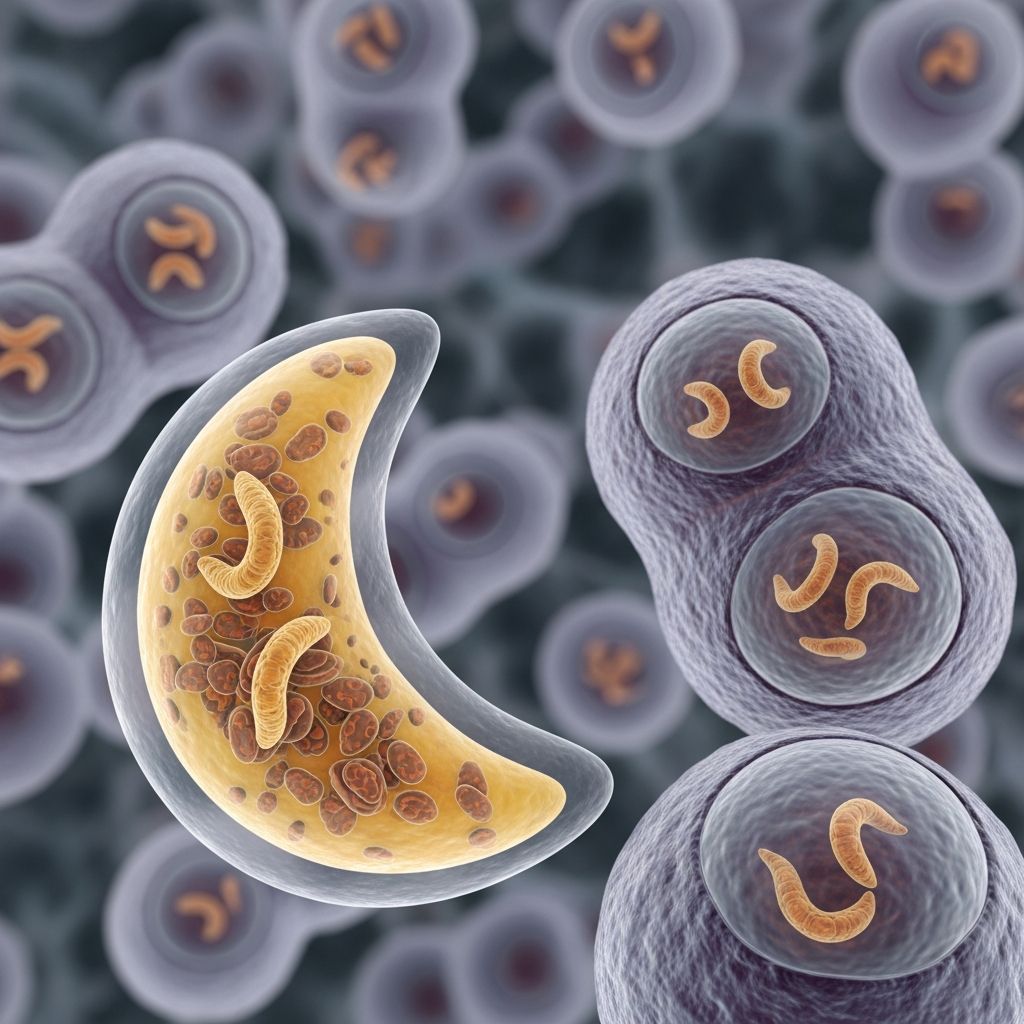
Understanding Toxoplasmosis: A Complete Medical Overview
Toxoplasmosis is an infection caused by the parasite Toxoplasma gondii, one of the most common parasitic infections worldwide. While many people infected with this parasite experience no symptoms or mild symptoms, it can pose serious health risks to pregnant women and individuals with weakened immune systems. Understanding the causes, symptoms, diagnostic methods, and treatment options is essential for managing this condition effectively and protecting vulnerable populations from potential complications.
What Causes Toxoplasmosis?
Toxoplasmosis is transmitted through several pathways, making it relatively easy to contract unknowingly. The primary sources of infection include consuming undercooked meat contaminated with tissue cysts, ingesting water or food contaminated with oocysts from cat feces, or receiving infected organ transplants. Pregnant women face the additional risk of transmitting the infection to their developing fetus through the placenta, potentially causing congenital toxoplasmosis with serious consequences for the unborn child.
Recognizing Symptoms of Toxoplasmosis
The symptoms of toxoplasmosis vary significantly depending on the individual’s immune system status and the stage of infection. Most immunocompetent individuals either have no symptoms or experience mild, flu-like symptoms that resolve without treatment. However, certain populations require careful monitoring for more serious manifestations.
Symptoms in Immunocompetent Individuals
In healthy individuals, toxoplasmosis symptoms may include:
– Fatigue and general malaise- Fever and chills- Muscle aches and joint pain- Swollen lymph nodes (lymphadenopathy)- Sore throat- Headache- Rash in some cases
Symptoms in Immunocompromised Patients
Individuals with weakened immune systems, particularly those with HIV/AIDS or undergoing immunosuppressive therapy, may develop severe toxoplasmosis affecting multiple organ systems. These symptoms can include encephalitis (brain inflammation), seizures, confusion, severe headache, focal neurological deficits, and in some cases, disseminated disease affecting the lungs, heart, and other organs.
Congenital Toxoplasmosis in Newborns
Babies born with congenital toxoplasmosis may present with various complications. Some newborns show no symptoms at birth but remain at high risk for developing manifestations later in life. Potential symptoms include premature birth, low birth weight, fever, jaundice, hepatosplenomegaly (enlarged liver and spleen), thrombocytopenia (low platelet count), anemia, rash, seizures, intracranial calcifications, microcephaly (small head), and severe eye problems including chorioretinitis and blindness.
Diagnostic Methods for Toxoplasmosis
Accurate diagnosis of toxoplasmosis requires a comprehensive approach combining clinical evaluation with laboratory testing. Healthcare providers must consider the patient’s symptoms, risk factors, and immune status when determining the most appropriate diagnostic strategy.
Physical Examination and Medical History
The diagnostic process begins with a thorough physical examination and detailed medical history. Your healthcare provider will assess your symptoms, ask about potential exposure sources, inquire about your immune status, and evaluate for signs of infection such as lymphadenopathy, fever, or other physical findings.
Blood Tests and Antibody Detection
Blood tests are the primary diagnostic tool for toxoplasmosis. Laboratory tests can detect two types of antibodies to Toxoplasma gondii. IgM antibodies indicate a new or recent infection with active parasites, while IgG antibodies suggest a past infection or chronic infection. The presence and pattern of these antibodies help determine the stage of infection and guide treatment decisions. In some cases, healthcare providers may repeat blood tests after two weeks to clarify results or confirm diagnosis.
Related Stories



Imaging Studies
Imaging techniques play a crucial role in diagnosing toxoplasmosis, particularly in immunocompromised patients with suspected central nervous system involvement. CT scans and MRI can reveal characteristic brain lesions, calcifications, or other pathological changes associated with toxoplasma encephalitis. These imaging studies help distinguish toxoplasmosis from other conditions and assess the extent of disease involvement.
Cerebrospinal Fluid Analysis
A lumbar puncture (spinal tap) may be performed to obtain cerebrospinal fluid for analysis. This procedure is particularly valuable in diagnosing neurotoxoplasmosis and detecting parasites or antibodies in the fluid surrounding the brain and spinal cord. The results can help confirm diagnosis and guide treatment in patients with neurological involvement.
Prenatal Diagnosis
Pregnant women suspected of having toxoplasmosis undergo specialized diagnostic procedures. Amniocentesis involves inserting a fine needle through the abdomen into the amniotic sac to collect fluid surrounding the baby. This fluid is then tested for the presence of Toxoplasma gondii DNA and antibodies. Ultrasound imaging of the fetus may also reveal signs of infection such as intracranial calcifications, ventriculomegaly, or growth restriction. Healthcare providers typically order these tests if the mother tests positive for toxoplasmosis antibodies, if initial test results are unclear, or if ultrasound findings suggest possible fetal infection.
Tissue Biopsy
Although invasive and rarely performed, muscle, lymph node, or organ biopsy can provide definitive diagnosis by identifying tissue cysts containing the parasite. Biopsy is typically reserved for patients who fail to show clinical or radiological improvement within 14 days of treatment initiation or when other diagnostic methods are inconclusive.
Newborn Screening
Newborns suspected of having congenital toxoplasmosis undergo comprehensive diagnostic evaluation including blood tests, ultrasound or CT imaging of the brain, analysis of cerebrospinal fluid, ophthalmologic examination, hearing tests, and electroencephalography to assess brain activity and detect seizures.
Treatment Options for Toxoplasmosis
Treatment of toxoplasmosis involves a combination of anti-parasitic medications and antibiotics designed to stop Toxoplasma gondii from growing and reproducing in the body. The specific treatment regimen depends on several factors including the severity of infection, the patient’s immune status, the location of infection, and in pregnant women, the stage of pregnancy.
Medications Used in Treatment
Pyrimethamine is considered the most effective medication against toxoplasmosis and serves as a standard component of therapy. However, pyrimethamine acts as a folic acid antagonist and can cause dose-related suppression of bone marrow function. To mitigate this risk, folinic acid (leucovorin) is administered concurrently to protect the bone marrow from toxicity. A second anti-parasitic medication is typically added to the regimen. Common choices include sulfadiazine or clindamycin for patients with sulfa drug hypersensitivity. Alternative combinations may include trimethoprim-sulfamethoxazole, atovaquone, or azithromycin, though these alternatives have not been as extensively studied as the standard pyrimethamine-based regimens.
Treatment Duration
Treatment duration varies depending on the clinical context and patient response. Most treatment plans last two to six weeks, though patients may begin feeling better within only a few days. However, even if symptoms improve, treatment may need to continue for extended periods to ensure complete eradication of parasites. Brain injuries caused by the parasite may take three weeks to six months to fully resolve.
For immunocompetent adults with lymphadenopathic toxoplasmosis, treatment is rarely indicated as this form is usually self-limited. However, if visceral disease is evident or symptoms are severe or persistent, treatment may last two to four weeks. Immunocompromised patients require more aggressive and prolonged treatment, continuing for at least four to six weeks beyond resolution of clinical symptoms and potentially requiring six months or longer of therapy. Maintenance therapy may be necessary until significant immunologic improvement occurs with antiretroviral therapy in HIV patients.
Special Considerations for Specific Populations
Pregnant Women: Pregnant women diagnosed with toxoplasmosis typically require medication throughout the remainder of pregnancy to prevent fetal transmission and congenital infection. The choice of medication may vary based on the stage of pregnancy and other clinical factors.
Congenital Toxoplasmosis: Newborns diagnosed with congenital toxoplasmosis are generally treated with pyrimethamine, a sulfonamide, and leucovorin for approximately 12 months. This prolonged treatment helps prevent reactivation and progressive disease manifestations.
Ocular Toxoplasmosis: Treatment decisions for ocular disease depend on comprehensive ophthalmologic evaluation considering the acuteness of the lesion, degree of inflammation, visual acuity, and lesion size, location, and persistence. Healed lesions typically do not require treatment. Management usually consists of anti-parasitic drugs with corticosteroids to control inflammation.
Immunodeficient Patients: Toxoplasmosis in severely immunocompromised individuals can be fatal if untreated. These patients often require indefinite maintenance therapy with pyrimethamine, folinic acid, and sulfadiazine to prevent relapses, which are common in AIDS patients.
Prevention and Risk Reduction
Preventing toxoplasmosis is especially important for pregnant women and immunocompromised individuals. Key prevention strategies include thoroughly washing or peeling all fruits and vegetables, washing all surfaces that contact raw meat, properly cooking meat to appropriate temperatures, covering outdoor children’s sandboxes to prevent cats from using them as litter boxes, avoiding contact with cat feces, and practicing good hand hygiene after handling potentially contaminated materials.
When to Seek Medical Attention
If you are pregnant or planning to become pregnant, or if you have a compromised immune system, you should discuss toxoplasmosis prevention strategies with your healthcare provider. Seek immediate medical attention if you develop symptoms suggestive of toxoplasmosis such as persistent fever, severe headache, confusion, visual changes, or neurological symptoms. If your child was diagnosed with toxoplasmosis at birth, work closely with their pediatrician to ensure appropriate treatment and follow recommended follow-up schedules to monitor for signs of reactivation.
Frequently Asked Questions About Toxoplasmosis
Q: Can I pass toxoplasmosis to my baby if I’m pregnant?
A: Yes, if you have an active toxoplasmosis infection during pregnancy, you can pass it to your baby through the placenta, potentially causing congenital toxoplasmosis. However, treatment during pregnancy significantly reduces this risk.
Q: What are the chances my baby will have symptoms if born with congenital toxoplasmosis?
A: Some babies born with toxoplasmosis show no symptoms at birth but remain at high risk for developing complications later. Others may present with symptoms such as eye problems, brain calcifications, seizures, or developmental delays. Early diagnosis and treatment are crucial for the best outcomes.
Q: How long will I need to take toxoplasmosis medication?
A: Treatment duration varies. Most people take medication for two to six weeks, but immunocompromised individuals may require treatment for months or longer. Pregnant women typically continue medication throughout pregnancy, and congenitally infected infants may require treatment for up to one year.
Q: Can I get toxoplasmosis from my cat?
A: Direct contact with a living cat is unlikely to transmit toxoplasmosis. However, contact with cat feces, particularly in litter boxes, can transmit the parasite. Pregnant women and immunocompromised individuals should avoid handling cat litter.
Q: Will I need testing if I’m pregnant?
A: Your healthcare provider may recommend toxoplasmosis screening during pregnancy, particularly if you have potential exposure risks or symptoms. If you test positive, additional testing such as amniocentesis may be performed to determine if the fetus is infected.
Q: What should I do if I feel better during treatment?
A: Continue taking your medication as prescribed even if you feel better. Stopping treatment prematurely can allow parasites to reactivate and cause disease progression. Your healthcare provider will determine when it is safe to discontinue treatment.
References
- Toxoplasmosis: Causes, Symptoms, Diagnosis & Treatment — Cleveland Clinic. 2022-08-02. https://my.clevelandclinic.org/health/diseases/9756-toxoplasmosis
- Clinical Care of Toxoplasmosis — Centers for Disease Control and Prevention. https://www.cdc.gov/toxoplasmosis/hcp/clinical-care/index.html
- Toxoplasmosis – Diagnosis and Treatment — Mayo Clinic. https://www.mayoclinic.org/diseases-conditions/toxoplasmosis/diagnosis-treatment/drc-20356255
- Antiparasitic Drugs: Malaria, Toxoplasmosis, Parasitic Infection — Cleveland Clinic. https://my.clevelandclinic.org/health/drugs/22945-antiparasitic-drugs
- Toxoplasmosis IgM — Cleveland Clinic Laboratories. https://clevelandcliniclabs.com/test/toxoplasmosis-igm/
Similar Articles








Read full bio of medha deb