Toxoplasmosis A to Z: Causes, Symptoms, and Treatment
Complete guide to toxoplasmosis: understand causes, symptoms, diagnosis, and treatment options.
Understanding Toxoplasmosis
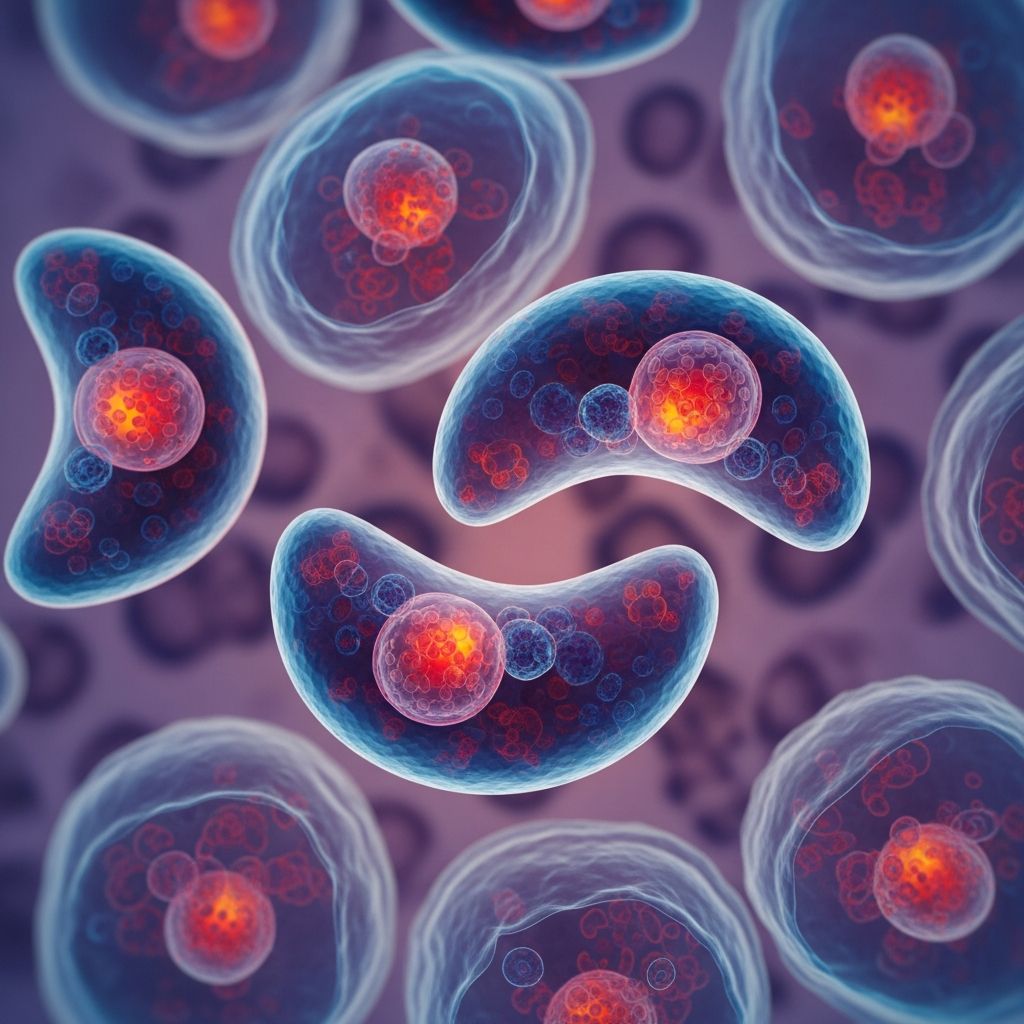
Toxoplasmosis is an infection caused by Toxoplasma gondii, a protozoan parasite that is one of the most common parasitic infections affecting the human brain and eye. This microscopic organism is found throughout the world and infects roughly two billion people globally, though most infected individuals experience few or no symptoms because a healthy immune system typically prevents the parasite from causing illness. However, the infection can pose serious health risks for certain populations, including pregnant women, immunocompromised individuals, and infants with congenital infection.
How Toxoplasmosis Is Transmitted
Understanding transmission routes is essential for prevention. Toxoplasma gondii can spread through several pathways:
- Consuming raw or undercooked meat containing Toxoplasma cysts
- Ingesting water or food contaminated with oocytes from cat feces
- Drinking raw milk from infected animals
- Receiving infected blood transfusions, whole blood, or leukocytes
- Organ transplantation from infected donors
- Rarely, through artificial insemination with infected semen
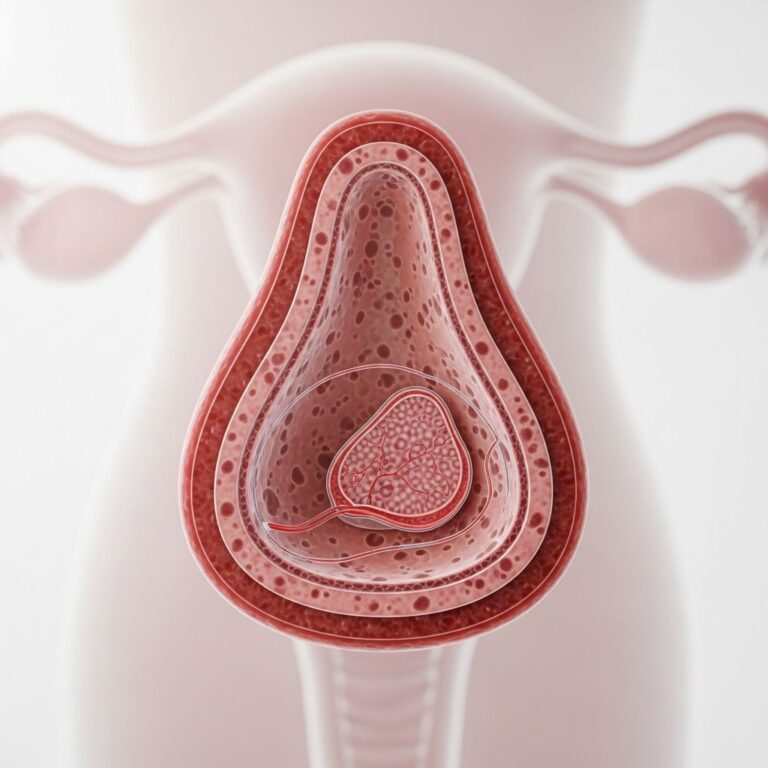
- Vertical transmission from mother to fetus during pregnancy
Cats are the primary hosts for this parasite, while other pets and birds serve as intermediate hosts. The parasite can also cross the placental barrier, transmitting the infection from mother to developing fetus, which can lead to serious complications.
Symptoms and Manifestations
The presentation of toxoplasmosis varies significantly depending on the individual’s immune status and the stage of infection. In most healthy individuals, the infection remains asymptomatic or causes mild, flu-like symptoms that go unrecognized. However, specific populations face greater risks:
In Healthy Individuals
Most people who contract toxoplasmosis develop a lifelong, largely asymptomatic infection once the acute phase passes. When symptoms do occur, they may include fever, fatigue, muscle aches, and swollen lymph nodes resembling mild influenza.
In Immunocompromised Patients
Individuals with weakened immune systems, particularly those with HIV/AIDS, may experience severe reactivation of latent infection. This can manifest as encephalitis, seizures, and neurological complications. Cerebral toxoplasmosis accounts for a significant portion of toxoplasmosis-related deaths in immunocompromised populations, representing 15.4% of toxoplasmosis deaths in certain populations.
In Congenital Infections
When pregnant women acquire primary toxoplasmosis infection, especially during the first trimester, serious fetal complications can occur. Congenital toxoplasmosis may result in:
- Miscarriage or stillbirth
- Blindness or strabismus (eye misalignment)
- Epilepsy and seizures
- Encephalitis and brain inflammation
- Intracerebral calcification
- Hydrocephalus (fluid accumulation in the brain)
- Microcephaly (small head size)
- Mental retardation and developmental delays
- Thrombocytopenia (low platelet count)
Meta-analysis studies indicate that among women who experience abortion, the seroprevalence positive rate of IgM antibodies is approximately 4% (95% CI: 3-6%), while IgG positive rates reach 32% (95% CI: 3-42%), demonstrating that toxoplasmosis can be one of the most significant causes of spontaneous abortion.
Strain Differences and Disease Severity
Research has revealed that the severity of toxoplasmosis varies not only based on host factors but also on the specific strain of the parasite involved. Different strains of Toxoplasma possess different virulence factors that influence how severely the infection progresses.
Related Stories



The parasite produces secreted effectors, particularly genes such as ROP18, ROP5, and ROP38, which serve as rhoptry kinases and pseudokinases that modulate the host immune response. These genetic variations help explain why some individuals develop severe disease while others remain asymptomatic. For instance, atypical strains (non-type I, II, or III) have been associated with more severe congenital toxoplasmosis cases in Europe, while North American atypical strains, particularly type 12 strains, are linked to higher incidences of severe congenital infections and ocular disease in non-immunosuppressed patients.
Diagnosis of Toxoplasmosis
Diagnosing toxoplasmosis involves several laboratory and imaging approaches:
Serological Testing
Blood tests measuring specific antibodies provide crucial diagnostic information. IgG antibodies indicate past or chronic infection, while IgM antibodies suggest acute or recent infection. The presence of these antibodies helps establish infection status, particularly important in pregnant women who require immediate medical attention and monitoring.
Imaging Studies
Neuroimaging such as MRI or CT scans can identify characteristic lesions in the brain, particularly in immunocompromised individuals. These imaging findings often show multiple ring-enhancing lesions that are typical of cerebral toxoplasmosis.
Direct Detection
In severe cases, direct visualization of the parasite through tissue biopsy or examination of body fluids may be necessary to confirm diagnosis.
Treatment Options
While current treatments effectively manage acute toxoplasmosis, the parasite forms tissue cysts that persist throughout life and remain largely untreatable with existing medications. Treatment approaches vary based on clinical presentation:
Standard Antimicrobial Therapy
First-line treatment typically includes combinations of antiparasitic medications designed to eliminate actively proliferating tachyzoites. Standard regimens must be carefully selected based on the patient’s immune status, pregnancy status, and organ involvement.
Pregnancy-Related Treatment
Pregnant women diagnosed with toxoplasmosis require specialized treatment protocols to prevent fetal transmission. Early diagnosis and prompt treatment can significantly reduce the risk of congenital infection and severe fetal complications.
Immunocompromised Patient Management
Patients with HIV/AIDS or other severe immunosuppression require long-term suppressive therapy to prevent reactivation of latent infection and development of life-threatening cerebral toxoplasmosis.
Future Treatment Directions
New therapeutic strategies are being developed to target the bradyzoite stage of the parasite within tissue cysts, which represent the persistent form of infection. Researchers are working to develop curative medicines that can eliminate these latent cysts, as current treatments cannot fully eradicate the infection.
Prevention Strategies
Preventing toxoplasmosis transmission is particularly important for pregnant women and immunocompromised individuals:
- Cook meat to safe internal temperatures to destroy tissue cysts
- Wash fruits and vegetables thoroughly before consumption
- Practice careful hand hygiene, especially after handling raw meat or soil
- Change cat litter boxes regularly or avoid handling them during pregnancy
- Keep cats indoors and feed them only cooked or commercial cat food
- Cover children’s sandboxes where cats may defecate
- Avoid drinking unpasteurized milk
- Pregnant women should undergo serological screening to determine immunity status
Special Considerations for Pregnant Women
Pregnancy represents a critical period for toxoplasmosis concern. Women who are planning pregnancy or are already pregnant should understand their infection status. If a woman has not been previously infected and develops primary toxoplasmosis during pregnancy, the risk of fetal transmission varies by trimester but can result in severe complications. Early detection through screening programs and serological care during pregnancy enables timely treatment and significantly reduces the risk of adverse outcomes.
Global Health Impact
Toxoplasmosis causes significant morbidity and mortality globally, representing a particular public health concern in developing countries with warmer climates where both parasite prevalence and risk factors for infection are higher. The disease contributes substantially to disease burden in tropical and subtropical regions where sanitation infrastructure may be limited and consumption of raw or undercooked meat is more common.
When to Seek Medical Attention
Contact your healthcare provider if you experience:
- Persistent fever and malaise lasting more than a few days
- Severe headache or neurological symptoms
- Vision problems or eye pain
- Confusion or altered mental status
- Seizures or loss of consciousness
- Pregnancy and possible exposure to cat feces or raw meat
- Any symptoms in immunocompromised individuals
Frequently Asked Questions
Q: Can you get toxoplasmosis from touching a cat?
A: Simply petting or touching a cat does not transmit toxoplasmosis. The infection spreads through contact with cat feces containing oocytes, typically by changing litter boxes or handling contaminated soil without proper hygiene. Direct cat contact is safe as long as proper hand hygiene is maintained.
Q: Is toxoplasmosis dangerous during pregnancy?
A: Yes, primary toxoplasmosis during pregnancy poses significant risks to the developing fetus, particularly in the first trimester. The infection can cause miscarriage, stillbirth, or severe congenital complications. However, appropriate medical treatment can substantially reduce these risks, making early diagnosis and treatment essential.
Q: Can toxoplasmosis be completely cured?
A: Current treatments effectively eliminate the active parasite stage but cannot fully eradicate tissue cysts, which persist throughout life. Infected individuals typically develop lifelong immunity, though the infection remains asymptomatic in most cases. Researchers are developing new treatments targeting these persistent cysts.
Q: Who should be screened for toxoplasmosis?
A: Screening is particularly important for pregnant women or those planning pregnancy, individuals with HIV/AIDS or severe immunosuppression, and transplant recipients. Healthcare providers can recommend serological testing to determine infection status and guide appropriate management.
Q: How common is congenital toxoplasmosis?
A: The incidence of congenital toxoplasmosis varies geographically, with higher rates in some regions than others. Incidence is influenced by parasite strain prevalence, with North America experiencing higher rates compared to Europe, potentially related to the higher prevalence of non-type II strains in that region.
Q: Can toxoplasmosis affect the eyes?
A: Yes, toxoplasmosis commonly affects the eyes and can cause progressive damage to vision throughout life. It represents one of the most common parasitic infections of the human eye, potentially leading to blindness, strabismus, and other ocular complications, particularly in congenital infections.
References
- Transcriptional Analysis of Murine Macrophages Infected with Toxoplasma gondii Reveals Signaling Networks Regulating Innate Immunity — PLOS Pathogens. 2014-07-17. https://journals.plos.org/plospathogens/article?id=10.1371/journal.ppat.1003779
- Toxoplasma and Risk of Spontaneous Abortion: A Meta-Analysis — National Center for Biotechnology Information. 2023-01-15. https://pmc.ncbi.nlm.nih.gov/articles/PMC9807898/
- New paradigms for understanding and step changes in treating toxoplasmosis — Nature Scientific Reports. 2016-07-15. https://www.nature.com/articles/srep29179
- Global initiative for congenital toxoplasmosis — Taylor & Francis Online. 2018-09-28. https://www.tandfonline.com/doi/full/10.1038/s41426-018-0164-4
- Toxoplasmosis in Tanzania: A Review of Epidemiology and Clinical Manifestations — Frontiers in Public Health. 2019-02-07. https://www.frontiersin.org/journals/public-health/articles/10.3389/fpubh.2019.00025/epub
Similar Articles








Read full bio of Sneha Tete