Toxoplasmosis In Pregnancy: Risks, Diagnosis, And Prevention
Understand the dangers of toxoplasmosis during pregnancy, from transmission risks to newborn impacts and vital prevention steps for maternal safety.
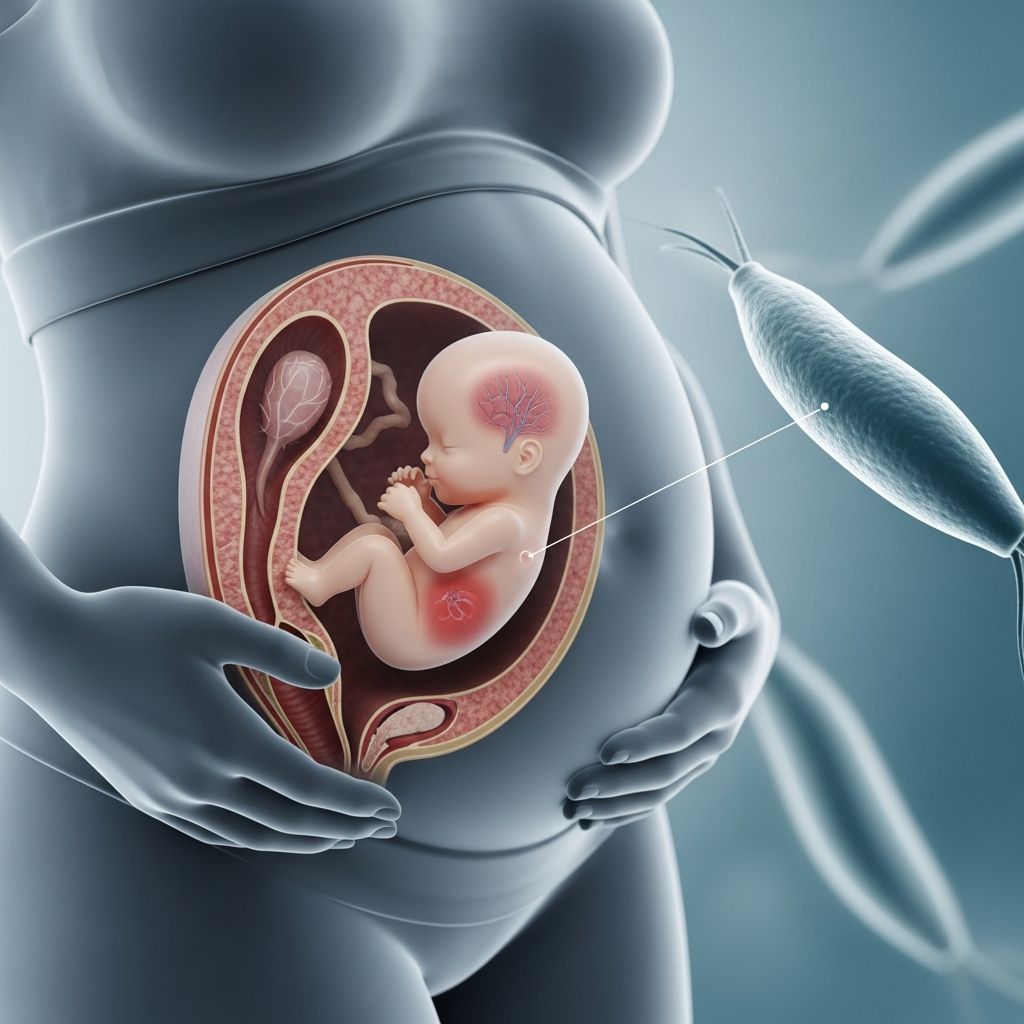
Toxoplasmosis, caused by the parasite Toxoplasma gondii, represents a significant concern for pregnant individuals due to its potential to cross the placenta and affect fetal development. While many infections remain asymptomatic in healthy adults, acquisition during pregnancy can lead to congenital toxoplasmosis, with risks escalating based on gestational timing.
The Nature of the Toxoplasma Parasite
Toxoplasma gondii is a protozoan parasite with a global presence, capable of infecting virtually all warm-blooded animals. Cats serve as definitive hosts where the parasite undergoes sexual reproduction, shedding infectious oocysts in feces. Humans typically encounter the parasite through ingestion of contaminated food, water, or soil, or via undercooked meat harboring tissue cysts.
Once inside the human body, the parasite forms dormant cysts in muscles and the brain, evading full immune clearance. In immunocompetent individuals, this results in lifelong latent infection without further symptoms. However, reactivation or new infections pose threats to vulnerable groups, particularly pregnant women whose immune systems undergo pregnancy-related modulation.
Transmission Pathways Relevant to Expectant Mothers
Pregnant women face heightened exposure risks from everyday activities. Key transmission routes include:
- Handling cat litter boxes containing oocysts, which become infectious within 1-5 days post-shedding.
- Consuming raw or undercooked meats like lamb, pork, or venison infected with tissue cysts.
- Eating unwashed fruits, vegetables, or herbs tainted with soil-borne oocysts.
- Drinking untreated water or using contaminated soil in gardening without gloves.
Person-to-person spread is rare, except via organ transplants, blood transfusions, or congenitally from mother to fetus. Notably, simply owning a cat does not substantially elevate risk if litter hygiene is maintained.
Effects on Maternal Health During Pregnancy
Most pregnant women with acute toxoplasmosis experience mild, flu-like symptoms such as fatigue, muscle aches, swollen lymph nodes, or fever, which often resolve without intervention. A minority develop severe manifestations like blurred vision, coordination issues, or confusion, warranting immediate medical evaluation.
Prior infection, typically acquired in childhood or early adulthood, confers immunity via IgG antibodies, protecting against fetal transmission. Recent infection, indicated by IgM antibodies, heightens fetal risk. Testing confirms status; infection within six months pre-conception may still pose transmission threats.
Fetal and Newborn Consequences of Congenital Infection
Vertical transmission occurs via the placenta, with probability rising from about 10-15% in the first trimester to 60-80% in the third, inversely correlating with disease severity. Early infections yield graver outcomes, including spontaneous abortion, stillbirth, or profound fetal anomalies.
Newborns with congenital toxoplasmosis may appear healthy at birth (subclinical cases, ~70-90%) but develop delayed issues. Symptomatic infants present with:
- Hepatosplenomegaly and jaundice.
- Low birth weight and feeding difficulties.
- Chorioretinitis leading to vision impairment or blindness.
- Neurological signs like seizures, hydrocephalus, or microcephaly.
Long-term, untreated children face risks of sensorineural hearing loss, intellectual disabilities, motor delays, and recurrent eye inflammation (chorioretinitis). In Europe, approximately 1 in 1,000 live births to infected mothers result in affected infants, though rates vary globally.
Related Stories



| Gestational Timing | Transmission Risk | Severity of Fetal Impact |
|---|---|---|
| First Trimester | Low (10-25%) | High (miscarriage, severe defects) |
| Second Trimester | Moderate (30-50%) | Moderate (organ damage) |
| Third Trimester | High (60-80%) | Low (often asymptomatic at birth) |
This table illustrates the trade-off: later infections transmit more readily but cause milder initial symptoms.
Diagnostic Approaches for Pregnant Women and Fetuses
Serological screening detects IgM (acute infection) and IgG (past exposure) antibodies. Avidity testing differentiates recent from prior infections. Positive acute cases prompt amniocentesis after 18 weeks for PCR detection of parasite DNA in amniotic fluid, assessing fetal infection.
Ultrasound monitors for fetal anomalies like intracranial calcifications, ascites, or placentomegaly. Postnatally, newborns undergo comprehensive evaluation: eye exams, hearing screens, head imaging, and serial serology. Early diagnosis is pivotal for mitigating sequelae.
Treatment Protocols to Mitigate Risks
Prompt antiparasitic therapy reduces transmission and sequela risks. Standard regimens include spiramycin (first-line, prevents placental passage) until 18 weeks, then pyrimethamine-sulfadiazine with folinic acid for confirmed fetal infection, continuing through delivery and infancy.
Treatment halves chorioretinitis incidence and improves neurodevelopmental outcomes. Hospitalization may be required for severe maternal illness. Breastfeeding remains safe as the parasite does not transmit via milk.
Prevention Strategies for a Healthy Pregnancy
Proactive measures drastically lower infection odds:
- Cook meats thoroughly: Reach 160°F (71°C) internal temperature; freeze at 0°F (-18°C) for 3 days to kill cysts.
- Wash produce: Scrub fruits/vegetables under running water.
- Practice hygiene: Wash hands after gardening, raw meat handling, or soil contact; wear gloves.
- Delegate cat care: Avoid litter boxes; have others clean daily, using gloves if necessary. Feed cats commercial food, not raw meat.
- Water safety: Use filtered or boiled water if source is uncertain.
Pre-pregnancy screening identifies immune women, allowing focused precautions for seronegative individuals. About 85% of U.S. women lack prior immunity, underscoring prevention’s importance.
Frequently Asked Questions (FAQs)
Can I keep my cat during pregnancy?
Yes, if someone else handles litter cleaning and the cat is indoor-fed commercial diet. Outdoor cats or hunting increase oocyst risk.
Does toxoplasmosis always harm the baby?
No; even if transmitted, many infants are asymptomatic at birth, and treatment curtails long-term effects. Risks depend on timing and prompt care.
Should I get tested before or during pregnancy?
Pre-conception testing is ideal for non-immune women. During pregnancy, screen if exposure risks exist or symptoms appear.
What if I’m infected before pregnancy?
Infections over 6 months prior confer immunity, protecting the fetus. Recent infections warrant delay in conception.
Are there vaccines or lifelong protections?
No human vaccine exists. Immunity from prior infection is the primary safeguard; hygiene prevents new exposures.
Long-Term Monitoring for Affected Children
Infants diagnosed with congenital toxoplasmosis require multidisciplinary follow-up: ophthalmology for chorioretinitis surveillance, neurology for developmental milestones, audiology for hearing, and infectious disease specialists for therapy. Early intervention therapies address delays, with many children achieving near-normal lives post-treatment.
Parents should track growth, vision, and cognition annually, as issues like learning disabilities may emerge years later. Public health programs in regions like France exemplify successful screening models reducing disability rates.
References
- Toxoplasmosis — March of Dimes. 2023. https://www.marchofdimes.org/find-support/topics/pregnancy/toxoplasmosis
- Congenital Toxoplasmosis — University of Florida Health. 2024. https://ufhealth.org/conditions-and-treatments/congenital-toxoplasmosis
- Toxoplasmosis in Pregnancy — Tommy’s. 2023. https://www.tommys.org/pregnancy-information/pregnancy-complications/infections/toxoplasmosis-pregnancy
- Toxoplasmosis Infection during Pregnancy — PMC – NIH. 2023-01-15. https://pmc.ncbi.nlm.nih.gov/articles/PMC9862191/
- Toxoplasmosis: Causes, Symptoms, Treatment & Prevention — Cleveland Clinic. 2024. https://my.clevelandclinic.org/health/diseases/toxoplasmosis
- Toxoplasma (Toxoplasmosis) Prevention Before You Become Pregnant — U.S. Food and Drug Administration. 2023. https://www.fda.gov/food/people-risk-foodborne-illness/toxoplasma-prevention-you-become-pregnant-food-safety-moms-be
- Toxoplasmosis – Symptoms and causes — Mayo Clinic. 2024. https://www.mayoclinic.org/diseases-conditions/toxoplasmosis/symptoms-causes/syc-20356249
Similar Articles








Read full bio of medha deb