Toxoplasmosis: 4 Essential Prevention Steps For High-Risk Groups
Understand toxoplasmosis infection risks, symptoms across groups, and key prevention steps for healthy living.
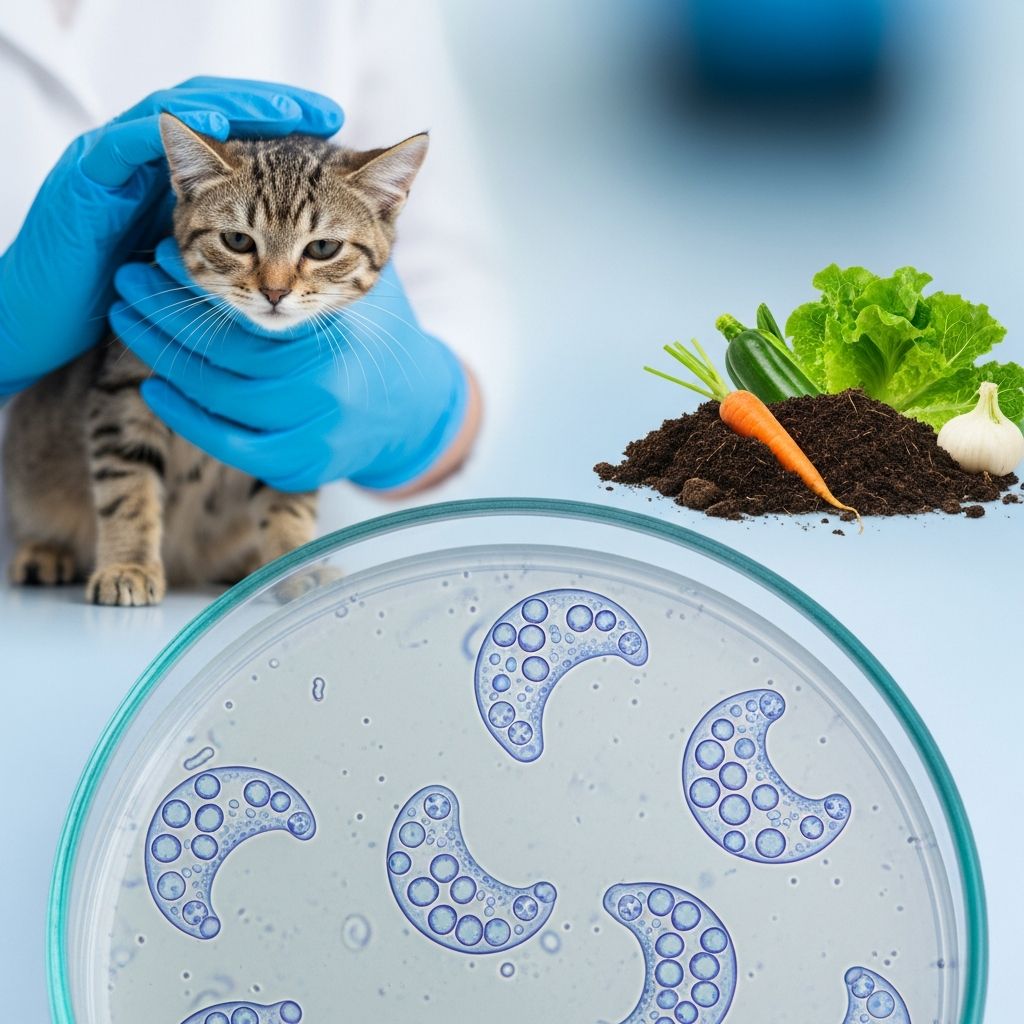
Toxoplasmosis arises from the parasite Toxoplasma gondii, which infects humans and animals worldwide, often without noticeable effects in healthy adults but posing serious threats to fetuses, infants, and immunocompromised people.
Understanding the Parasite’s Nature
The Toxoplasma gondii parasite exists in multiple forms: oocysts shed in cat feces, tachyzoites that spread rapidly during acute infection, and tissue cysts that persist lifelong in muscles and organs. Cats serve as definitive hosts, shedding infectious oocysts in feces after consuming infected prey, while humans acquire it through contaminated food, water, or soil.
Globally, over 40% of people carry the parasite, with higher rates in regions with raw meat consumption or poor sanitation. In the U.S., estimates suggest 11% seroprevalence, indicating prior exposure.
Common Transmission Routes
Humans typically contract toxoplasmosis via:
- Ingestion of undercooked meat containing tissue cysts, especially pork, lamb, or venison.
- Accidental consumption of oocysts from contaminated soil, water, fruits, or vegetables not washed properly.
- Unwashed hands after gardening, handling cat litter, or touching soil.
- Rarely, through blood transfusions or organ transplants from infected donors.
Pregnant women without prior immunity risk passing the parasite to the fetus via the placenta, leading to congenital infection.
Symptoms in Healthy Individuals
Approximately 80-90% of infections produce no symptoms, as the immune system controls the parasite, forming dormant cysts.
When symptoms occur, they mimic the flu and last 1-2 weeks:
- Fever and chills.
- Muscle aches and fatigue.
- Swollen, tender lymph nodes, often in the neck.
- Headache and sore throat.
- Rarely, a skin rash.
- Vision loss from chorioretinitis.
- Hearing deficits.
- Intellectual disabilities or motor delays.
- Seizures or behavioral issues in adolescence.
- Blood tests detecting IgM/IgG antibodies; IgM indicates recent infection.
- PCR on amniotic fluid for congenital cases.
- Imaging: CT/MRI for brain lesions, eye exams for retinal scars.
- In animals, especially cats, serology or tissue biopsy.
These resolve without intervention, but the parasite remains latent.
Severe Manifestations in At-Risk Groups
Immunocompromised individuals, such as those with HIV/AIDS, cancer, or on immunosuppressive drugs, face reactivation of cysts, causing life-threatening disease.
| Group | Key Symptoms |
|---|---|
| Immunocompromised Adults | Brain encephalitis (confusion, seizures, poor coordination), lung issues (cough, breathing difficulty), heart inflammation. |
| Ocular Involvement (Any Age) | Eye pain, blurred vision, floaters, potential blindness from retinal damage. |
| Pregnant Women/Newborns | Miscarriage, stillbirth, or infant issues like hydrocephalus, jaundice, enlarged organs. |
Eye infections, known as ocular toxoplasmosis, affect the retina and can scar vision permanently if untreated.
Congenital Toxoplasmosis: A Hidden Danger
Fetal infection risk peaks if maternal acquisition occurs in the first trimester (up to 40% transmission rate), though severity decreases later in pregnancy.
Many infected newborns appear healthy at birth but develop delayed complications:
Severe cases present with the classic triad: chorioretinitis, hydrocephalus, and brain calcifications, plus jaundice, rash, anemia, and organ enlargement.
Diagnosis Methods
Suspicion arises from exposure history, symptoms, or routine prenatal screening. Confirmation involves:
Prompt testing is crucial for pregnant women or symptomatic immunocompromised patients.
Treatment Approaches
Healthy individuals with mild symptoms require no treatment. Active cases use drugs like pyrimethamine, sulfadiazine, and folinic acid to inhibit parasite replication, typically for weeks to months.
Pregnant women receive spiramycin to reduce fetal transmission, switching to pyrimethamine-sulfadiazine if infection confirmed.
Newborns and immunocompromised patients need long-term therapy to prevent relapse. Eye infections may involve corticosteroids alongside antiparasitics.
Prevention Strategies for Daily Life
Reducing exposure is key, especially for pregnant women, immunocompromised people, and cat owners:
- Food Safety: Cook meat to 160°F (71°C), freeze at 0°F (-18°C) for 3 days to kill cysts; wash produce thoroughly.
- Cat Precautions: Keep cats indoors, feed commercial food, avoid raw diets; change litter daily (oocysts need 1-5 days to sporulate), wear gloves.
- Hygiene: Wash hands after soil contact, gardening, or raw meat handling; avoid unpasteurized goat milk.
- Pregnancy Planning: Test immunity preconception; if negative, heighten precautions.
These steps can slash infection risk by over 50%.
Toxoplasmosis in Pets and Animals
Cats rarely show signs but shed oocysts briefly post-infection. Immunosuppressed cats (e.g., FIV/FeLV positive) may develop pneumonia, uveitis, or neurological issues like seizures and ataxia.
Other animals like sheep, pigs, and wildlife harbor tissue cysts, amplifying foodborne transmission. Veterinary monitoring prevents outbreaks in livestock.
Global Impact and Statistics
Worldwide, toxoplasmosis causes 190,000 congenital cases yearly, with 10-15% developing severe sequelae. In the U.S., 400-4,000 infants are affected annually.
Immunocompromised patients face 30-50% mortality without treatment.
Frequently Asked Questions (FAQs)
Can I get toxoplasmosis from petting my cat?
No, direct contact with fur doesn’t transmit it. Risk comes from feces; clean litter promptly.
Is toxoplasmosis curable?
Acute infection responds to drugs, but cysts persist lifelong, requiring management in vulnerable groups.
Should pregnant women avoid cats?
Not entirely; follow hygiene protocols. Tested immune women face low risk.
Does freezing meat kill the parasite?
Yes, at -4°F (-20°C) for 24-48 hours or colder longer.
Can toxoplasmosis affect behavior?
Some studies link chronic infection to subtle mood changes, but evidence is inconclusive.
Long-Term Outlook
With prevention and early intervention, most manage toxoplasmosis effectively. Vigilance in high-risk scenarios protects vulnerable populations from devastating outcomes.
References
- Toxoplasmosis – Symptoms and causes — Mayo Clinic. 2023-10-15. https://www.mayoclinic.org/diseases-conditions/toxoplasmosis/symptoms-causes/syc-20356249
- Toxoplasmosis in Cats — Cornell University College of Veterinary Medicine. 2024-01-10. https://www.vet.cornell.edu/departments-centers-and-institutes/cornell-feline-health-center/health-information/feline-health-topics/toxoplasmosis-cats
- About Toxoplasmosis — Centers for Disease Control and Prevention (CDC). 2025-02-01. https://www.cdc.gov/toxoplasmosis/about/index.html
- Toxoplasmosis – HealthLinkBC File #43 — HealthLinkBC. 2023-05-20. https://www.healthlinkbc.ca/sites/default/files/documents/hfile43_0.pdf
- Congenital Toxoplasmosis — NCBI Bookshelf (NIH). 2024-08-12. https://www.ncbi.nlm.nih.gov/books/NBK545228/
- Toxoplasmosis: Causes, Symptoms, Treatment & Prevention — Cleveland Clinic. 2024-03-05. https://my.clevelandclinic.org/health/diseases/toxoplasmosis
- Toxoplasmosis in Animals — Merck Veterinary Manual. 2024-11-18. https://www.merckvetmanual.com/generalized-conditions/toxoplasmosis/toxoplasmosis-in-animals
Similar Articles








Read full bio of medha deb