Toxoplasmosis: Prevention, Diagnosis, and Treatment Expert Guide
Comprehensive guide to Toxoplasma gondii infection: causes, symptoms, diagnosis, treatment, and prevention strategies.
What is toxoplasmosis?
Toxoplasmosis is a zoonotic infection caused by the obligate intracellular protozoan parasite Toxoplasma gondii. This parasite infects a significant portion of the global population, with seroprevalence rates varying from 10–80% depending on geographic and socioeconomic factors. In immunocompetent individuals, primary infection is typically asymptomatic or presents with mild, flu-like symptoms. However, it can lead to severe complications in immunocompromised hosts, such as those with HIV/AIDS, organ transplant recipients, or patients on chemotherapy, and in congenitally infected fetuses.
The parasite exhibits a complex life cycle involving felids as definitive hosts, where sexual reproduction occurs in the intestines, producing oocysts shed in feces. Humans and other intermediate hosts acquire infection through ingestion of oocysts from contaminated soil, water, or food, or via tissue cysts in undercooked meat. Vertical transmission from mother to fetus is a critical route during pregnancy.
Following acute infection, T. gondii tachyzoites disseminate hematogenously, invading tissues particularly the brain, eyes, and muscles, where they differentiate into bradyzoites forming lifelong latent cysts. Reactivation occurs under immunosuppression, leading to life-threatening disseminated disease.
Who gets toxoplasmosis?
Anyone can acquire toxoplasmosis, but risk factors include:
- Consumption of undercooked meat, especially pork, lamb, or venison containing tissue cysts.
- Exposure to cat feces through handling litter boxes or gardening in contaminated soil.
- Ingestion of unwashed fruits/vegetables or unpasteurized dairy products harboring oocysts.
- Pregnancy (primary infection risks fetal transmission).
- Immunosuppression (HIV with CD4 <100 cells/μL, transplants, chemotherapy).
Immunocompetent adults often remain asymptomatic, with subclinical seroconversion. High-risk groups include pregnant women (congenital toxoplasmosis risk up to 40% in primary maternal infection) and immunocompromised patients (reactivation mortality up to 30–50% without prophylaxis).
What causes toxoplasmosis?
Toxoplasma gondii has three infectious forms:
- Oocysts: Environmentally resistant, shed by cats, infectious after 1–5 days sporulation.
- Tachyzoites: Rapidly dividing form during acute phase, disseminate via bloodstream.
- Tissue cysts: Contain bradyzoites, form in skeletal/smooth muscle, brain, eyes; source of meat-borne transmission and reactivation.
Cell-mediated immunity (IFN-γ, CD8+ T cells) controls infection by inhibiting tachyzoite replication and cyst formation. Defects in this pathway, as in AIDS or transplants, permit unchecked proliferation.
What are the clinical features of toxoplasmosis?
Clinical manifestations vary by host immunity, infection stage, and site.
Immunocompetent adults (acute acquired)
80–90% asymptomatic. Symptomatic cases mimic mononucleosis:
- Fever, malaise, headache, myalgias (70%).
- Cervical/posterior lymphadenopathy (persistent >4 weeks, 10–20%).
- Skin rash: Maculopapular (palms/soles involved), roseola-like, erythema multiforme, urticaria, or nodular eruptions reported in 5–20%.
Immunocompromised (reactivation/disseminated)
Severe multiorgan involvement:
- Encephalitis: Focal deficits, seizures, altered mental status (most common, >50% AIDS cases).
- Pneumonitis, myocarditis, hepatitis.
- Space-occupying brain lesions (ring-enhancing on imaging).
Ocular toxoplasmosis
Commonest cause of posterior uveitis:
- Blurred vision, floaters, photophobia, scotomas.
- Retinochoroiditis with ‘headlight in fog’ appearance (active lesion adjacent to old scar).
- Congenital cases often bilateral; acquired typically unilateral.
Related Stories



Congenital toxoplasmosis
Classic triad (10%): chorioretinitis, intracranial calcifications, hydrocephalus. Other features: jaundice, hepatosplenomegaly, anemia, rash, seizures, developmental delay.
Cutaneous manifestations
Rare but diagnostic clues:
| Rash Type | Description | Frequency |
|---|---|---|
| Maculopapular | Trunk, extremities, palms/soles | Common in acute |
| Nodular/Urticarial | Recurrent eruptions mimicking lymphoma | Rare |
| Roseola/Erythema multiforme | Self-limited | Occasional |
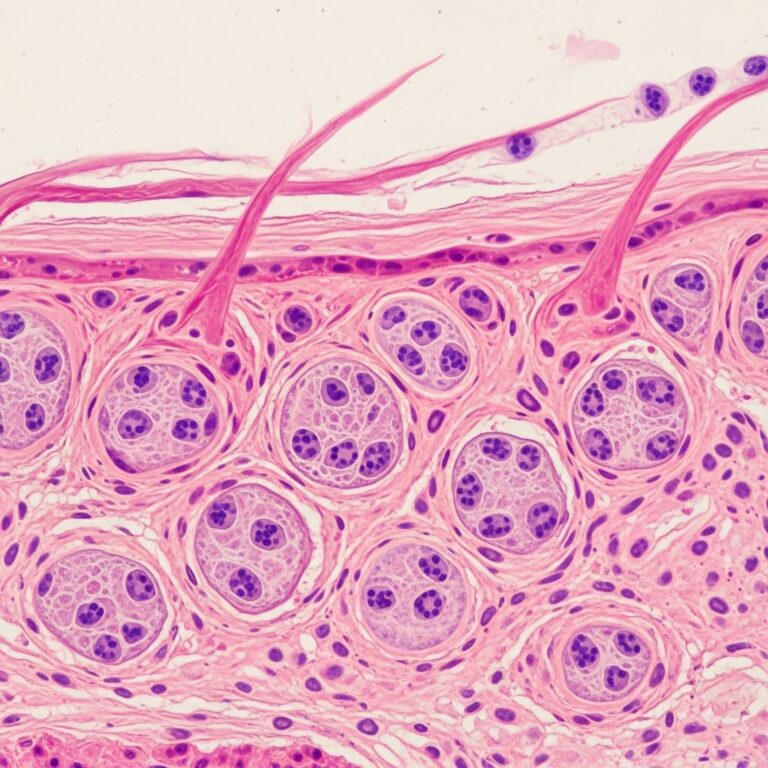
Skin biopsy may reveal tachyzoites or cysts amid inflammatory infiltrate.
How is toxoplasmosis diagnosed?
Diagnosis combines serology, PCR, imaging, and histopathology.
- Serology: IgM (acute), IgG (past/latent). Avidity testing distinguishes recent (<4 months) from remote infection. Essential for maternal screening.
- PCR: Gold standard for amniotic fluid (congenital), CSF, blood (high sensitivity in immunocompromised).
- Imaging: Brain MRI/CT (multiple ring-enhancing lesions); fundoscopy (ocular).
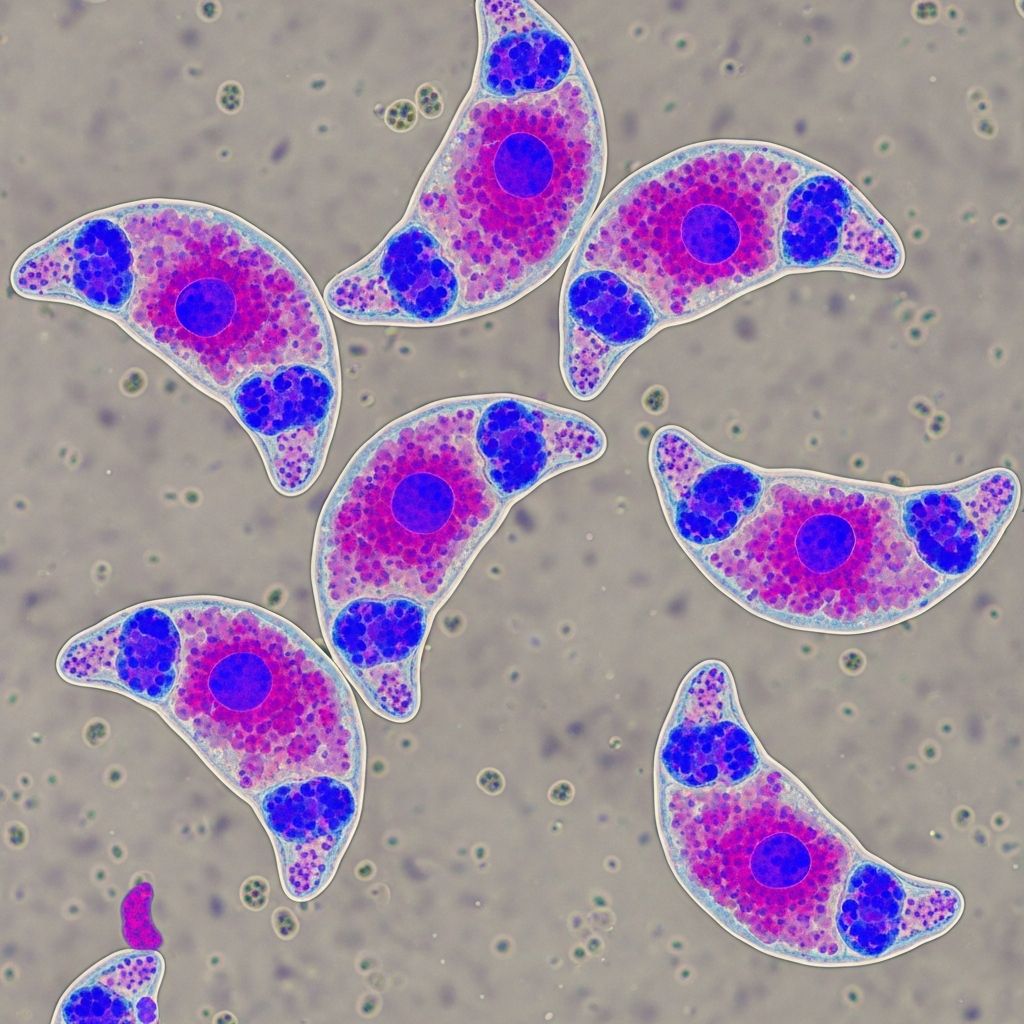
- Histopathology: Tachyzoites (crescent-shaped) in tissue; cysts in chronic. H&E, IHC confirmatory.
Differential: CMV, EBV, lymphoma (CNS), syphilis (rash).
What is the treatment for toxoplasmosis?
Treatment targets active replication; cysts persist lifelong.
Immunocompetent (symptomatic)
Usually self-limited; treat severe/persistent cases: Pyrimethamine + sulfadiazine + folinic acid (4–6 weeks).
Immunocompromised
First-line: Pyrimethamine (200mg load, then 50–75mg/day) + sulfadiazine (1–1.5g QID) + folinic acid (10–25mg/day). Alternatives: TMP-SMX, atovaquone + pyrimethamine. Lifelong suppression if immunosuppression persists.
Pregnancy/Congenital
Spiramycin (prevention of transmission); pyrimethamine/sulfadiazine post-virologic confirmation. Newborn: 12 months therapy.
Ocular
Similar regimen + corticosteroids for inflammation.
Prophylaxis: TMP-SMX for HIV (CD4<100), transplant recipients.
What is the outcome for toxoplasmosis?
Immunocompetent: Excellent (>95% resolve without sequelae).
Immunocompromised: High mortality (10–30%) without prompt therapy; survivors may have neurologic deficits.
Congenital: 85% asymptomatic at birth, but 30–85% develop chorioretinitis, cognitive impairment later.
Ocular: Recurrent; vision loss in 20–30% severe cases.
How can toxoplasmosis be prevented?
- Cook meat >67°C (poultry), >71°C (beef/pork).
- Freeze meat <-20°C >3 days.
- Wash produce; avoid unpasteurized dairy.
- Wear gloves gardening; daily cat litter disposal (<24h oocyst sporulation).
- Pregnant/immunocompromised: Avoid cats, raw meat.
- Screening/prophylaxis per guidelines.
Frequently Asked Questions (FAQs)
Can toxoplasmosis be cured?
No, treatment halts active infection but cysts remain. Healthy immunity prevents reactivation.
Is toxoplasmosis dangerous in pregnancy?
Yes, primary infection risks fetal transmission (10–40%), causing severe congenital defects.
What does toxoplasmosis rash look like?
Maculopapular, often palms/soles; mimics viral exanthems or drug rash.
How common is toxoplasmosis?
Seroprevalence 10–80% globally; higher in developing regions.
Does cat ownership cause toxoplasmosis?
Risk from oocysts if handling infected feces; indoor cats fed commercial food pose low risk.
References
- Cutaneous manifestations of toxoplasmosis — PubMed/NCBI. 1992. https://pubmed.ncbi.nlm.nih.gov/1600010/
- Toxoplasmosis – StatPearls — NCBI Bookshelf/NIH. 2023-11-27. https://www.ncbi.nlm.nih.gov/books/NBK563286/
- Toxoplasmosis: Causes, Symptoms, Diagnosis & Treatment — Cleveland Clinic. 2023-11-03. https://my.clevelandclinic.org/health/diseases/9756-toxoplasmosis
- Toxoplasmosis – Symptoms and causes — Mayo Clinic. 2023-08-01. https://www.mayoclinic.org/diseases-conditions/toxoplasmosis/symptoms-causes/syc-20356249
- Skin Manifestations in Toxoplasmosis — JAMA Dermatology. 1959-06-01. https://jamanetwork.com/journals/jamadermatology/fullarticle/531093
Similar Articles








Read full bio of medha deb