Trachea: Structure, Function, and Health
Understanding your windpipe: anatomy, function, and common tracheal conditions explained.
What Is the Trachea?
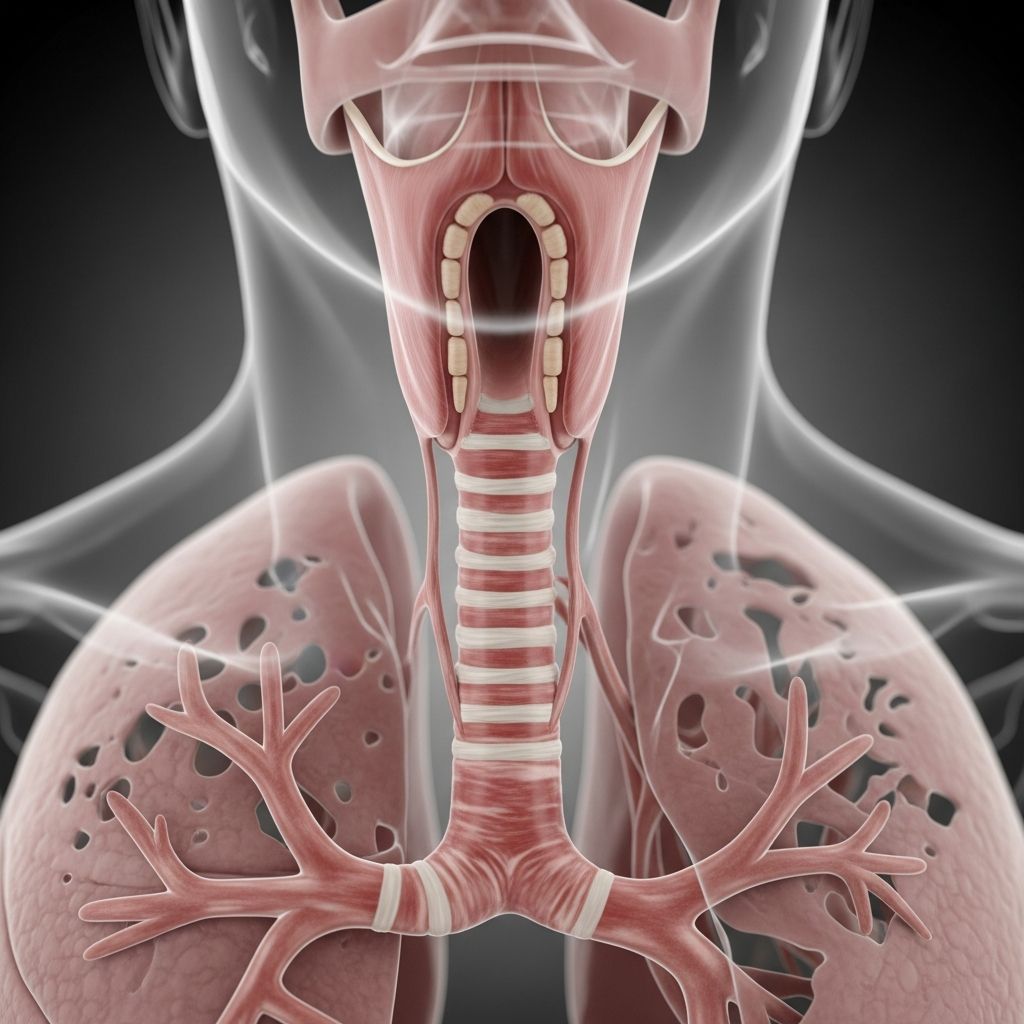
The trachea, commonly known as the windpipe, is a vital airway structure that plays a crucial role in your respiratory system. This cartilaginous tube serves as the main conduit for air traveling from your larynx (voice box) down into your lungs, enabling the life-sustaining process of breathing. The trachea is approximately 10 to 12 centimeters (4 to 5 inches) long in adults and measures about 2 to 2.5 centimeters in diameter. Understanding the structure and function of the trachea is essential for recognizing how your body processes oxygen and maintains respiratory health.
Tracheal Anatomy and Structure
The trachea has a sophisticated anatomical design that allows it to maintain an open airway while remaining flexible and responsive to breathing movements. The structure of the trachea is uniquely engineered to support its multiple functions within the respiratory system.
Cartilage Rings and Framework
One of the most distinctive features of the trachea is its series of 16 to 20 horseshoe-shaped hyaline cartilage rings. These incomplete rings encircle the front and sides of the trachea but are open at the back where the trachea lies adjacent to the esophagus. This unique design serves an important purpose: instead of forming a complete circle, the cartilage rings are connected at their free ends by muscle bands and fibrous tissue. This arrangement allows the trachea to remain rigid enough to maintain an open airway while maintaining the flexibility needed for swallowing and neck movement. The cartilage rings are replaced with fibrous scar tissue in advanced age, which can affect tracheal elasticity.
Mucous Membrane Lining
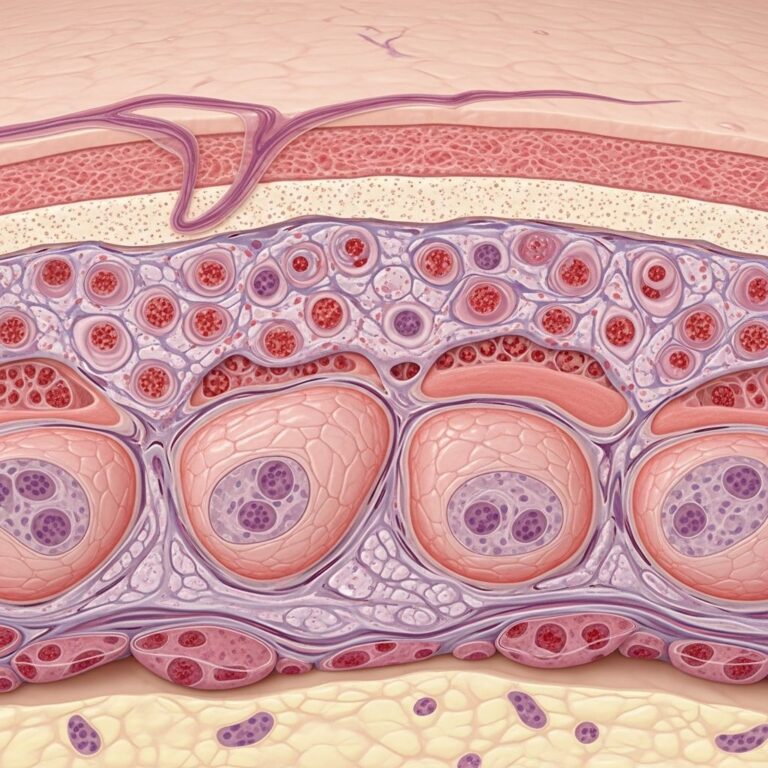
The interior of the trachea is lined with a sophisticated moist mucous membrane composed of specialized cells. This ciliated respiratory mucosa contains millions of tiny hairlike projections called cilia that extend into the tracheal channel, or lumen. Interspersed throughout this lining are goblet cells that produce mucus, along with seromucous glands in the submucosa layer that contribute additional lubrication. The cilia and mucus work together to trap foreign particles and pathogens, creating an effective filtration system that protects your lungs from harmful contaminants.
Supporting Tissue Layers
Beneath the mucous membrane lies a complex network of elastic and collagen fibers that provide structural support and allow the tracheal walls to expand and contract during breathing. Numerous blood vessels run through this layer, serving two important functions: they maintain cellular health through nutrient delivery and facilitate heat exchange. Lymphatic vessels also traverse this area, removing foreign particles that have been collected by the tracheal wall’s surface. Muscle fibers run over, alongside, and through the mucous membrane, enabling the trachea to narrow and shorten during certain breathing patterns.
Key Functions of the Trachea
The trachea performs several essential functions that extend far beyond simply providing a passage for air. These functions work together to maintain respiratory health and protect your lungs from potential damage.
Air Passage and Transport
The primary function of the trachea is to serve as a conduit for air traveling from the larynx to the lungs. As air passes through the trachea during inhalation, it begins its journey through the tracheobronchial tree, a series of increasingly smaller tubes that eventually deliver air to the alveoli (air sacs) in the lungs. The trachea bifurcates (splits) at its lower end into the right and left main bronchi, with the right bronchus being shorter, wider, and more vertical than the left. This anatomical difference explains why aspirated foreign objects more frequently lodge in the right bronchus.
Related Stories



Air Conditioning Functions
As air moves through the trachea, it undergoes important conditioning processes. The warm blood vessels surrounding the trachea heat the incoming air, while the mucous membrane and goblet cells add moisture through the secretion of mucus droplets and water molecules. This warming and humidifying action prevents the lungs from receiving cold, dry air that could cause irritation or damage to the delicate lung tissues. By the time air reaches the alveoli, it has been properly conditioned for optimal gas exchange.
Foreign Particle Filtration
The trachea serves as a protective barrier against environmental contaminants. The cilia lining the trachea trap particles, dust, bacteria, and other foreign materials before they can reach the lungs. These cilia constantly beat in a wave-like motion, propelling trapped particles upward toward the throat where they can be coughed up or swallowed. The mucus produced by goblet cells acts as a sticky medium that helps capture particles, while lymphatic vessels remove collected foreign material.
Cough Reflex Mechanism
During coughing, which is a forced exhalation, the muscle bands connecting the free ends of the cartilage rings press inward, reducing the tracheal lumen to approximately one-sixth of its normal size. This dramatic narrowing causes air rushing through the channel to travel at high velocities, effectively dislodging foreign elements from the trachea and expelled airways. This protective mechanism helps clear the respiratory tract of irritants and secretions.
Anatomical Location and Relationships
The trachea occupies a strategic position in the neck and upper chest. It begins at the lower edge of the cricoid cartilage of the larynx, where it is connected by the cricotracheal ligament. The first cartilage ring of the trachea is notably thicker than the subsequent rings. As the trachea descends, it maintains important anatomical relationships with surrounding structures: the esophagus lies posteriorly (behind it), while the great vessels of the neck are positioned laterally (to the sides). The thyroid gland overlies the anterior surface of the trachea in the lower neck. When the trachea enters the thorax (chest cavity), it is protected by the bony manubrium sterni (upper portion of the breastbone). This anatomical positioning helps protect the vulnerable airway from external trauma while allowing for necessary flexibility during breathing and swallowing.
Blood Supply and Nerve Supply
Proper tracheal function depends on adequate blood and nerve supply. The inferior thyroid arteries provide the primary blood supply to the trachea, delivering oxygen and nutrients necessary for maintaining healthy tissue. The nerve supply to the trachea comes from branches of the vagus nerve and the recurrent laryngeal nerve, which enable sensory perception and motor control of the tracheal muscles. These nerves play important roles in coughing reflexes and airway protection.
Common Tracheal Disorders and Conditions
Although the trachea is a resilient structure, various conditions can compromise its function and require medical attention. Understanding these disorders helps you recognize symptoms that warrant professional evaluation.
Tracheal Stenosis
Tracheal stenosis occurs when the tracheal airway becomes abnormally narrowed, restricting airflow to the lungs. This condition can develop from multiple causes including trauma, tumors, radiation therapy, autoimmune diseases, and infection. Prolonged intubation (mechanical ventilation) is the most common cause of tracheal stenosis in clinical practice. Symptoms typically include shortness of breath, persistent cough, and stridor (a high-pitched breathing sound). Treatment approaches vary depending on severity and may include correcting underlying medical conditions, laser surgery, reconstructive surgery, dilation procedures, and airway stenting.
Tracheomalacia
Tracheomalacia is a condition in which the tracheal wall becomes abnormally soft and collapses inward during breathing or coughing, obstructing the airway. While chronic obstructive pulmonary disease (COPD) is the most common cause in adults, other causes include prolonged intubation, recurrent infection, injury from tracheostomy procedures, and tumors or abnormal blood vessels compressing the trachea. A congenital form of tracheomalacia also exists, occurring in some individuals from birth. Symptoms closely resemble those of tracheal stenosis and include respiratory difficulty and cough. Management strategies include short-term and long-term stenting as well as reconstructive surgery.
Tracheitis
Tracheitis is an infection or inflammation of the tracheal lining, often caused by bacterial or viral pathogens. This condition can result in cough, fever, and respiratory symptoms requiring medical evaluation and treatment.
Other Tracheal Conditions
Additional tracheal conditions include tracheal tumors, which can obstruct the airway and require specialized treatment, and complications from tracheostomy procedures. Tracheostomy is a common surgical procedure that creates direct access to the trachea below the larynx, allowing air to bypass the upper airway. This procedure is often performed in cases of severe respiratory distress or when prolonged mechanical ventilation is necessary.
Tracheal Health and Medical Advances
Recent medical advancements have expanded treatment options for serious tracheal conditions. Innovations in tracheal transplant techniques, including the use of artificial tracheas seeded with stem cells, represent significant progress in providing viable solutions for patients with severe tracheal damage. These emerging treatments offer hope for individuals who previously had limited therapeutic options.
Maintaining Tracheal Health
Protecting your trachea involves maintaining overall respiratory health and avoiding harmful exposures. Avoiding smoking and secondhand smoke, minimizing exposure to air pollution and chemical irritants, and preventing respiratory infections can help preserve tracheal function. Staying hydrated supports mucous membrane health, while proper cough etiquette prevents transmission of respiratory infections. If you experience persistent cough, breathing difficulties, or other respiratory symptoms, consulting with a healthcare provider is essential for proper diagnosis and treatment.
Frequently Asked Questions
Q: How long is the trachea in adults?
A: The trachea is approximately 10 to 12 centimeters (4 to 5 inches) long in adults, with a diameter of about 2 to 2.5 centimeters.
Q: How many cartilage rings does the trachea have?
A: The trachea contains 16 to 20 horseshoe-shaped cartilage rings that provide structural support while allowing flexibility for breathing and swallowing.
Q: Why are the cartilage rings incomplete?
A: The cartilage rings are incomplete and open at the back to accommodate the esophagus behind the trachea and to allow the trachea flexibility during swallowing and neck movement.
Q: What role do cilia play in the trachea?
A: Cilia are microscopic hairlike structures that line the trachea and beat in a coordinated wave-like motion to trap and move foreign particles, mucus, and pathogens upward toward the throat for elimination.
Q: Why do aspirated objects lodge more frequently in the right bronchus?
A: The right main bronchus is shorter, wider, and more vertical than the left bronchus, making it more likely for foreign objects to be aspirated into this passage.
Q: What is a tracheostomy and when is it performed?
A: A tracheostomy is a surgical procedure that creates an opening directly into the trachea below the larynx, allowing air to bypass the upper airway. It is typically performed in cases of severe respiratory distress or when prolonged mechanical ventilation is necessary.
Q: What symptoms should prompt me to seek medical attention for tracheal problems?
A: Persistent cough, shortness of breath, stridor (high-pitched breathing sounds), difficulty swallowing, or changes in voice quality should be evaluated by a healthcare provider.
References
- Trachea | Structure, Function & Location — Britannica. 2024. https://www.britannica.com/science/trachea
- Trachea | Research Starters – Health and Medicine — EBSCO Information Services. 2024. https://www.ebsco.com/research-starters/health-and-medicine/trachea
- Respiratory System: Organs, Facts, Anatomy & Function — Cleveland Clinic. 2024. https://my.clevelandclinic.org/health/body/21205-respiratory-system
Similar Articles








Read full bio of Sneha Tete