Tracheoesophageal Fistula: Understanding EA/TEF
Comprehensive guide to TEF/EA: symptoms, diagnosis, treatment, and outlook.
What is Tracheoesophageal Fistula?
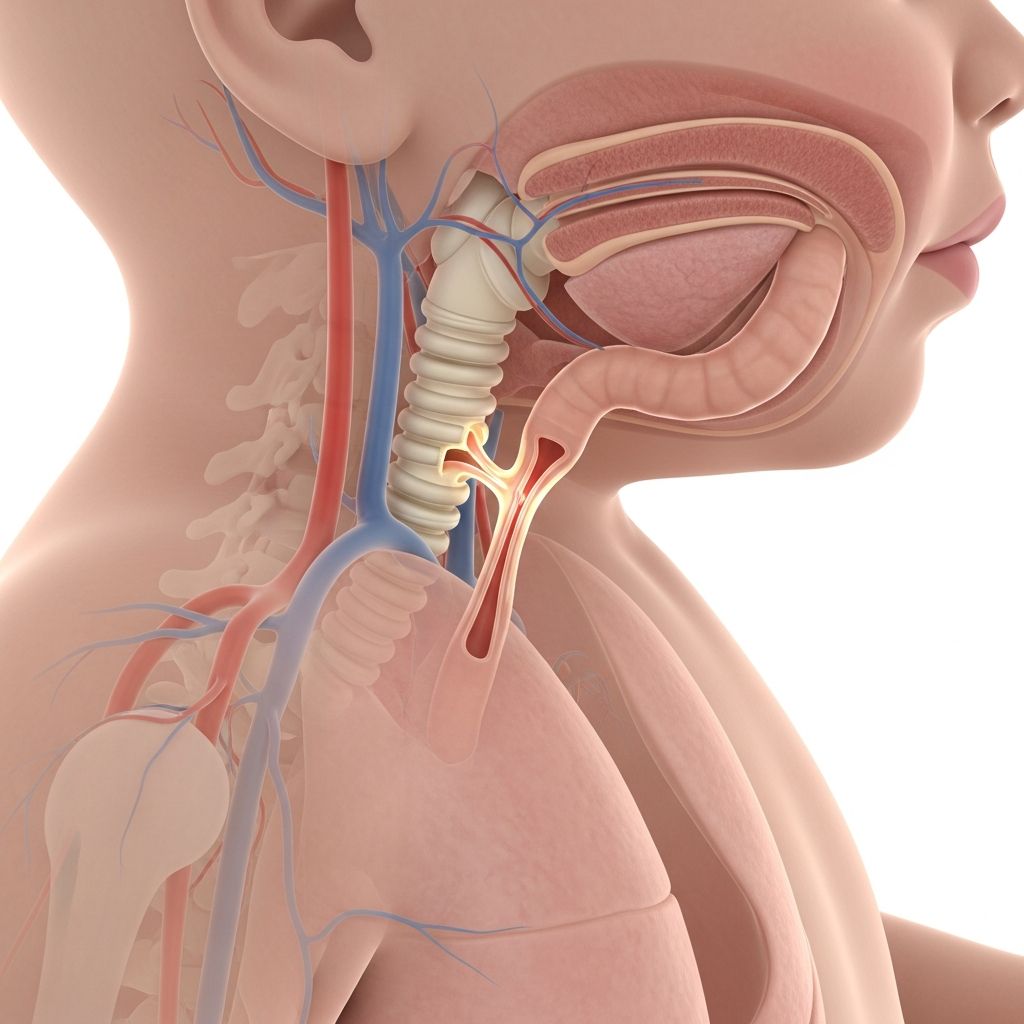
Tracheoesophageal fistula (TEF) is a congenital birth defect characterized by an abnormal connection between the trachea (windpipe) and the esophagus (food pipe). This condition often occurs alongside esophageal atresia (EA), where the upper esophagus fails to connect properly to the lower esophagus. TEF and EA are relatively rare conditions, affecting approximately 1 in 3,000 to 1 in 4,500 live births. When these conditions occur together, they present significant challenges for newborns, as they disrupt the normal pathways for breathing and swallowing.
The abnormal connection between the trachea and esophagus prevents food and liquids from traveling normally to the stomach and can allow stomach contents to enter the lungs. This creates both feeding difficulties and respiratory complications that require prompt medical intervention. Understanding this condition is essential for early recognition and treatment.
What Causes TEF and Esophageal Atresia?
TEF and esophageal atresia develop during fetal development due to abnormal embryological processes. Specifically, these conditions result from problems with the separation of the trachea and esophagus during the fourth and fifth weeks of pregnancy. Under normal development, the trachea forms as a diverticulum from the foregut and develops a complete septum that separates it from the esophagus. When this separation process fails or occurs incorrectly, an abnormal connection (fistula) forms between these two structures.
The exact cause of this developmental abnormality remains unclear, though researchers believe it involves disruption of the tracheoesophageal septation. In cases of isolated esophageal atresia without TEF, the esophagus fails to recanalize during the eighth week of embryonic development. TEF and EA may occur as isolated defects or as part of broader genetic syndromes, including VACTERL association (vertebral, anal, cardiac, tracheoesophageal, renal, and limb abnormalities).
Types of Tracheoesophageal Fistula
TEF and esophageal atresia present in several distinct anatomical configurations, each with different clinical implications and treatment approaches:
- Type A: Isolated esophageal atresia without TEF, accounting for approximately 8% of cases
- Type B: EA with a fistula connecting to the upper esophagus, representing about 2% of cases
- Type C: EA with a fistula on the lower part of the esophagus, the most common type accounting for approximately 85% of cases
- Type D: EA with fistulas connecting to both the upper and lower esophagus, a rare presentation occurring in less than 1% of cases
- Type E (H-Type): TEF without esophageal atresia, where the esophagus remains connected but an abnormal fistula exists between it and the trachea, accounting for about 4% of cases
The type of defect significantly influences how the condition presents, how it is diagnosed, and the surgical approach required for repair.
Symptoms and Signs of TEF/EA
The presentation of tracheoesophageal fistula and esophageal atresia varies depending on the type of defect and whether both conditions are present together. However, certain characteristic symptoms alert healthcare providers to these conditions.
Immediate Symptoms in Newborns with EA and TEF
Babies born with both esophageal atresia and tracheoesophageal fistula typically display symptoms almost immediately after birth:
- Frothy, white bubbles coming from the mouth
- Difficulty breathing or respiratory distress
- Coughing or choking when attempting to swallow or feed
- Unable to successfully feed by mouth
- Vomiting
- Bluish color to the skin (cyanosis), especially during feeding attempts
- Very round, full belly from trapped gas
- Inability to pass a tube from the mouth into the stomach
- Trouble breathing or respiratory compromise
- Swollen abdomen
Related Stories



Symptoms in Isolated TEF Without EA
In rare cases where TEF occurs without esophageal atresia, symptoms may take weeks to become apparent. These babies are still able to successfully swallow and food can reach their stomach; however, liquid may leak through the connection from the esophagus to the trachea, entering the lungs. This can lead to:
- Mild coughing or respiratory problems
- Recurrent respiratory infections or pneumonia
- Chronic cough triggered by feeding
- Aspiration symptoms
Diagnosis of TEF and Esophageal Atresia
Most babies with esophageal atresia and tracheoesophageal fistula are diagnosed shortly after birth when symptoms appear. The diagnostic process combines clinical examination with imaging and endoscopic techniques to determine the exact nature and location of the defect.
Physical Examination and History
The diagnostic process begins with a thorough physical examination and medical history to assess the baby’s condition and identify associated symptoms or congenital abnormalities. Healthcare providers look for the characteristic signs of TEF/EA and assess the baby’s overall stability and respiratory status.
Imaging Studies
X-rays with Nasogastric Tube: For this test, a clinician inserts a nasogastric (NG) tube into the baby’s nose and attempts to pass it down the esophagus into the stomach. With esophageal atresia, the tube typically cannot be inserted very far into the esophagus, usually stopping at 10 to 15 centimeters. An anterior-posterior chest radiograph will show the tube curled in the upper esophageal pouch, confirming the diagnosis. This test is one of the first diagnostic steps and helps confirm the presence of esophageal atresia.
Chest X-rays: General chest and abdominal X-rays are obtained to evaluate the overall anatomy and look for associated abnormalities. A lateral chest radiograph may show a distal TEF, while imaging may also reveal signs of aspiration or other complications.
Contrast Swallow Studies: For suspected isolated TEF, an upper gastrointestinal series using thickened water-soluble contrast material may be performed. The distal esophagus is filled first, then the catheter is pulled cephalad to help identify the fistulous tract, though this can be challenging in some cases.
Prenatal Ultrasound: Diagnostic techniques may include prenatal ultrasonography, which can show polyhydramnios (excess amniotic fluid) or an absent stomach bubble, both suggestive of TEF or EA.
Endoscopic Examination
Bronchoscopy: A bronchoscopy is a critical diagnostic procedure where a small camera is inserted down the windpipe (trachea) to look for fistulas or connections that may be small, hidden, or not obvious from previous tests. This helps determine the specific type of EA and/or TEF and guides the surgical approach. If malignancy has not been previously confirmed, a biopsy may be performed for pathological diagnosis.
Esophagoscopy: This procedure allows direct visualization of the esophagus to identify the location and characteristics of the fistula. TEFs located in the posterior wall of the trachea can usually be identified through esophagoscopy. However, very small fistulas can be overlooked if the mucosa is erythematous and inflamed without a visible opening.
Advanced Diagnostic Techniques
Methylene Blue Test: In some cases, methylene blue can be injected into the trachea, and if a fistula is present, the dye should appear in the esophagus, confirming the diagnosis. This adjunct can help identify smaller fistulas that might otherwise be missed.
Three-Dimensional CT Scanning: Advanced imaging with three-dimensional computed tomography (CT) scanning combined with reconstruction has proven useful in delineating the extent of the defect and involvement of surrounding structures. This imaging modality can provide detailed anatomical information to guide surgical planning.
Treatment and Surgical Repair
Once diagnosed, prompt surgical intervention is required to repair the fistula and allow normal feeding and breathing. The surgical approach depends on the specific type of TEF/EA and the baby’s overall health status.
The primary surgical goal is to separate the abnormal connection between the trachea and esophagus and to restore normal continuity of the esophagus if atresia is present. In most cases with Type C defects (the most common form), the surgeon repairs the fistula and connects the upper and lower portions of the esophagus. Surgery is typically performed shortly after diagnosis to prevent further complications from aspiration and feeding difficulties.
Before surgery, babies are managed conservatively with careful positioning to prevent aspiration, continuous or frequent suctioning of secretions, and provision of nutrition through alternative routes such as gastric or parenteral feeding. Once the fistula is surgically repaired and the esophagus is restored to normal continuity, gradual introduction of oral feeding begins after appropriate healing.
Complications and Long-term Outlook
TEF and esophageal atresia can result in several complications if not promptly treated. Aspiration pneumonia is a common complication, occurring when stomach contents or food material enters the lungs through the fistula, leading to infection and respiratory compromise. Gastric distension can also occur as a complication of fistulas between the trachea and distal esophagus, as reflux of gastric contents through the fistula tract results in aspiration pneumonia and increasing morbidity.
Following surgical repair, most children develop normally with good long-term outcomes. However, some children may experience feeding difficulties or esophageal strictures (narrowing) requiring additional interventions. Regular follow-up with pediatric surgeons and gastroenterologists ensures appropriate monitoring and management of any long-term effects.
Associated Conditions and Syndromes
TEF and esophageal atresia frequently occur as part of broader congenital syndromes. The most common association is VACTERL syndrome, which includes vertebral anomalies, anal atresia, cardiac defects, TEF, renal abnormalities, and limb malformations. Babies diagnosed with TEF/EA should be screened for other congenital conditions, including cardiac defects, renal abnormalities, and skeletal anomalies. This comprehensive evaluation guides overall care planning and helps identify additional health considerations that may affect the baby’s management and prognosis.
Frequently Asked Questions
Q: Can tracheoesophageal fistula be detected before birth?
A: In some cases, prenatal ultrasound may show signs suggestive of TEF/EA, such as polyhydramnios or an absent stomach bubble. However, definitive diagnosis typically occurs after birth when symptoms appear or during newborn screening.
Q: How successful is surgery for TEF repair?
A: Modern surgical techniques have made TEF/EA repair highly successful, with most babies recovering well and developing normal feeding and breathing function after surgery. Success rates depend on the type of defect and associated health conditions.
Q: Will my child have feeding problems after TEF repair?
A: While most children feed normally after repair, some may experience temporary feeding difficulties during recovery. Long-term, the majority of children achieve normal oral feeding, though some may require ongoing monitoring for esophageal complications.
Q: What is the difference between Type C and Type E TEF?
A: Type C TEF involves esophageal atresia with a fistula on the lower esophagus and represents 85% of cases. Type E (H-type) is isolated TEF without esophageal atresia, meaning the esophagus is continuous but an abnormal fistula still exists between the trachea and esophagus, accounting for about 4% of cases.
Q: Are there any long-term complications after TEF repair?
A: While most children do well long-term, some may develop esophageal strictures (narrowing) or have mild reflux symptoms. Regular follow-up with pediatric specialists helps identify and manage any long-term effects.
References
- Tracheoesophageal Fistula — Riley Children’s Health. 2025. https://www.rileychildrens.org/health-info/tracheoesophageal-fistula
- Tracheoesophageal Fistula – StatPearls — National Center for Biotechnology Information (NCBI), National Institutes of Health. 2024. https://www.ncbi.nlm.nih.gov/books/NBK535376/
- Esophageal Atresia and Tracheoesophageal Fistula (EA/TEF) — Children’s Hospital of Philadelphia. 2025. https://www.chop.edu/conditions-diseases/esophageal-atresia-and-tracheoesophageal-fistula-eatef
- Pediatric Tracheoesophageal Fistula and Esophageal Atresia — Children’s National Hospital. 2025. https://www.childrensnational.org/get-care/health-library/tracheoesophageal-fistula-and-esophageal-atresia
- Malignant Tracheoesophageal Fistula: Diagnosis and Management — Chinese Clinical Trials in Gastroenterology. 2023. https://ccts.amegroups.org/article/view/54285/html
Similar Articles








Read full bio of Sneha Tete