Tracheoesophageal Fistula: Types, Symptoms & Treatment
Understanding TEF: Congenital and acquired abnormal connections between esophagus and trachea.
What is Tracheoesophageal Fistula?
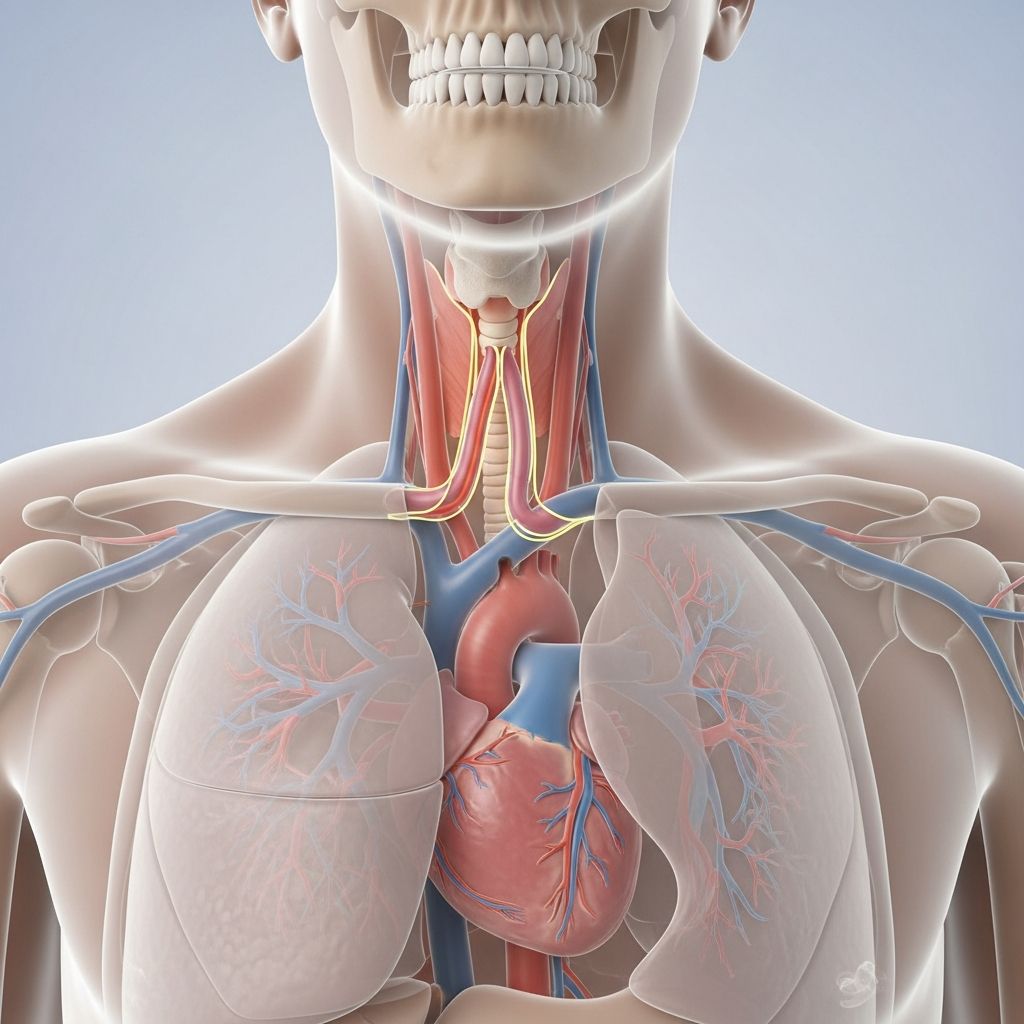
A tracheoesophageal fistula (TEF) is an abnormal connection between your esophagus and trachea (windpipe). Under normal circumstances, your esophagus—the hollow tube connecting your throat to your stomach—and your trachea are completely separate structures. The esophagus is designed to carry food and liquids to your stomach, while the trachea is responsible for delivering air to your lungs. When an abnormal connection develops between these two tubes, swallowed food and liquids can be accidentally inhaled into your lungs, a process called aspiration.
This condition is often congenital, meaning it develops during fetal development before birth. However, tracheoesophageal fistula can also be acquired in adulthood due to cancer, infection, or trauma. TEF frequently occurs alongside esophageal atresia (EA), another congenital condition in which the upper portion of the esophagus ends in a blind pouch and doesn’t connect to the lower esophagus.
It is estimated that tracheoesophageal fistula affects approximately 1 in every 3,000 to 5,000 births in the United States. Additionally, roughly 50% of babies born with TEF or EA have another congenital condition, often cardiac defects.
Types of Tracheoesophageal Fistula
Tracheoesophageal fistulas are classified into several distinct types based on the anatomical relationship between the fistula tract and the esophageal segments. Understanding these classifications is crucial for diagnosis and surgical planning.
Type A: Isolated Esophageal Atresia
In this type, the upper segment of the esophagus ends in a blind pouch, while the lower segment is completely separate from the trachea. There is no fistula connection present. This represents a minority of cases and is characterized by the absence of gas in the abdominal cavity on imaging studies.
Type B: Upper TEF
This rare variant features a fistula connecting the upper segment of the esophagus to the trachea, while the lower esophagus remains disconnected and ends in a blind pouch.
Type C: Classic TEF (Most Common)
Type C is the most prevalent form of EA/TEF, occurring in approximately 85% of affected individuals. In this configuration, the upper segment of the esophagus ends in a blind pouch, while the lower segment connects to the trachea via a fistula tract. This anatomical arrangement allows gastric contents to reflux through the fistula into the lungs, leading to significant respiratory complications.
Type D: Double TEF (Rarest)
This extremely uncommon form affects less than 1% of cases and involves a fistula connecting both the upper and lower segments of the esophagus to the trachea.
Type E: H-Type or Isolated TEF
In this variant, both the upper and lower esophageal segments are intact and connected to each other, but a fistula tract connects the esophagus to the trachea, resembling the letter “H” when viewed from above. Patients with H-type TEFs may not present with symptoms immediately at birth but develop respiratory issues over time with feeding.
Causes and Development
The development of tracheoesophageal fistula occurs due to abnormal separation of the caudal foregut during the fourth and fifth weeks of embryonic development. Normally, the trachea and esophagus develop from a common primitive foregut and, at approximately 4 weeks of gestation, these two developing structures separate through the formation of epithelial ridges.
Related Stories



The most widely accepted hypothesis suggests that a defect in the lateral septation of the foregut into the trachea and esophagus causes TEF and esophageal atresia. During normal development, the foregut divides into a ventral respiratory tract and a dorsal esophageal tract. The fistula tract is thought to derive from an embryonic lung bud that fails to undergo normal branching, leading to the persistence of an abnormal connection.
In isolated esophageal atresia without TEF, the condition typically occurs when the esophagus fails to recanalize (re-establish its hollow structure) during week 8 of embryonic development.
While the exact triggers for these developmental abnormalities remain incompletely understood, they are presumed to result from defects in mesenchymal proliferation and epithelial ridge formation during critical windows of fetal development.
Congenital vs. Acquired TEF
Tracheoesophageal fistula can develop through two distinct pathways: congenital and acquired. Most cases are congenital, present from birth as a result of abnormal fetal development. However, adults can develop acquired tracheoesophageal fistula under specific circumstances.
Acquired tracheoesophageal fistula may result from esophageal cancer or lung cancer, infections such as tuberculosis, or trauma from medical procedures. These acquired cases typically develop later in life and may present with different clinical features compared to congenital forms.
Symptoms and Clinical Presentation
The symptoms of tracheoesophageal fistula vary significantly depending on whether esophageal atresia is present and the specific type of fistula involved.
Symptoms in Infants with TEF but No EA
Babies born with TEF but without esophageal atresia typically do not display symptoms at birth. However, over time they may develop:
– Coughing or choking episodes during feeding
– Recurrent respiratory tract infections
– Wheezing or respiratory distress
– Feeding difficulties and poor weight gain
– Signs of aspiration pneumonia
Symptoms in Infants with EA and TEF
Babies born with esophageal atresia combined with tracheoesophageal fistula typically exhibit symptoms immediately after delivery. The most common presenting symptoms include:
– Excessive drooling and inability to swallow secretions
– Respiratory distress and difficulty breathing
– Choking or gagging during feeding attempts
– Cyanosis (bluish discoloration of skin due to low oxygen)
– Frothy, bubble-like appearance in the mouth
– Aspiration pneumonia
Infants may experience a harsh, barking cough characteristic of respiratory involvement. Recurrent bronchitis and pneumonia are common complications, occurring in up to two-thirds of TEF patients during the first few years of life. If left untreated, recurrent infections or frequent aspiration can lead to irreversible lung damage, including bronchiectasis and persistent atelectasis.
Symptoms in Adults
Adults with acquired TEF may present with different symptoms related to the underlying cause, such as cancer symptoms, chronic cough, or signs of aspiration pneumonia.
Complications Associated with TEF
Tracheoesophageal fistula can lead to several serious complications that significantly impact patient outcomes and quality of life.
Gastroesophageal Reflux Disease (GERD)
GERD is exceptionally common in individuals with TEF, particularly following surgical repair. Disturbed peristalsis (the wave-like muscle contractions that propel food) and delayed gastric emptying are typical findings that contribute to GERD development. The severity of GERD increases the risk for esophageal strictures and dysmotility, thereby potentiating aspiration in such patients.
Esophageal Strictures
Strictures at the anastomotic site (where the esophagus is surgically reconnected) represent an early complication requiring dilatation in nearly half of all patients. A minority require resection of the strictured esophageal segment. GERD can significantly increase the risk of stricture formation, though fundoplication may help prevent stricture development.
Recurrent Respiratory Infections
Aspiration of gastric contents and saliva through the fistula tract results in aspiration pneumonia and increasing morbidity. Wheezing is common in up to 40% of survivors and does not improve with age. Recurrent respiratory symptoms are caused by abnormal airway epithelium that impairs mucociliary clearance of airway secretions.
Gastric Distension
In fistulas connecting the trachea to the distal esophagus, gastric distension is a common complication. Reflux of gastric contents through the fistula tract results in aspiration and related respiratory complications.
Diagnosis of Tracheoesophageal Fistula
Diagnosing tracheoesophageal fistula involves a combination of clinical evaluation and imaging studies. Early diagnosis is crucial for effective management and improved outcomes.
Clinical Assessment
Healthcare providers evaluate the infant’s clinical presentation, including excessive drooling, respiratory distress, and feeding difficulties. A high index of suspicion is maintained, especially in infants presenting with classic symptoms shortly after birth.
Imaging Studies
A plain x-ray of the chest and abdomen can confirm a diagnosis of esophageal atresia by determining the position of a nasogastric tube, which will not proceed farther than 10-12 cm from the mouth in cases of EA. Plain abdominal x-rays can also demonstrate gas in the stomach and intestines, which is indicative of a TEF. Conversely, the lack of gas in the abdomen is suggestive of isolated esophageal atresia without a TEF.
Additional Diagnostic Methods
Contrast studies and endoscopy may be employed to visualize the fistula tract and assess the anatomy more precisely. These techniques help surgeons plan the appropriate surgical approach.
Treatment Options
Treatment for tracheoesophageal fistula depends on the type, severity, and underlying cause of the condition. Both surgical and non-surgical approaches may be employed.
Surgical Repair
Surgical closure represents the definitive treatment for most cases of TEF. The surgical approach depends on the anatomical type of the fistula and the patient’s clinical status. In congenital cases, surgery is typically performed shortly after birth to prevent complications such as aspiration pneumonia and malnutrition.
For infants with EA/TEF, the primary surgical goal is to disconnect the fistula and reconnect the upper and lower esophageal segments. Surgeons may perform a primary anastomosis (direct connection) or use staged repairs depending on the severity of the malformation and the patient’s condition.
Stent Placement
In some cases, particularly with acquired TEF or in patients who are not surgical candidates, stent placement may be used to help close the fistula tract. These vascular or esophageal stents provide structural support and can help prevent aspiration.
Medical Management
Following surgical repair, patients require careful medical management to address potential complications. This includes management of GERD with medications such as proton pump inhibitors, nutritional support, and monitoring for signs of infection or aspiration.
Long-Term Management and Prognosis
Survival rates for infants with TEF have improved dramatically over recent decades due to advances in neonatal surgery and intensive care. However, long-term management remains important to minimize complications and optimize quality of life.
GERD Management
Ongoing management of gastroesophageal reflux disease is essential, as it remains common in patients after esophageal repair. Fundoplication procedures may be beneficial in select cases where GERD is severe or resistant to medical management.
Monitoring for Strictures
Regular follow-up and endoscopic monitoring help identify esophageal strictures early. When strictures develop, serial dilations or other interventions may be necessary to maintain adequate esophageal patency.
Respiratory Support
Children with TEF history should receive appropriate respiratory support and monitoring, including vaccination against respiratory infections and prompt treatment of any respiratory tract infections.
Frequently Asked Questions
Q: What is the difference between tracheoesophageal fistula and esophageal atresia?
A: While these conditions often occur together, they are distinct. Esophageal atresia is when the upper portion of the esophagus ends in a blind pouch and doesn’t connect to the lower esophagus. Tracheoesophageal fistula is an abnormal connection between the esophagus and trachea. They can occur separately or together.
Q: How common is tracheoesophageal fistula?
A: TEF occurs in approximately 1 in every 3,000 to 5,000 births in the United States. About 50% of babies with TEF or EA have another congenital condition, most commonly cardiac defects.
Q: Can adults develop tracheoesophageal fistula?
A: Yes. While most cases are congenital, adults can develop acquired tracheoesophageal fistula due to esophageal or lung cancer, infections such as tuberculosis, or trauma from medical procedures.
Q: What are the main symptoms of TEF in newborns?
A: Newborns with TEF typically present with excessive drooling, respiratory distress, choking during feeding attempts, and cyanosis. If untreated, aspiration pneumonia frequently develops.
Q: Is surgery always necessary for TEF?
A: Surgical repair is the definitive treatment for most cases of congenital TEF. In some cases of acquired TEF, stent placement may be an alternative option.
Q: What long-term complications can occur after TEF repair?
A: Common long-term complications include gastroesophageal reflux disease (GERD), esophageal strictures requiring dilatation, recurrent respiratory infections, and impaired esophageal motility affecting swallowing and eating.
Q: What is the prognosis for infants with TEF?
A: Modern surgical techniques and intensive care have significantly improved survival rates. However, careful long-term management is necessary to address complications such as GERD, strictures, and respiratory issues.
References
- Tracheoesophageal Fistula – StatPearls — National Center for Biotechnology Information (NCBI). 2024. https://www.ncbi.nlm.nih.gov/books/NBK535376/
- Tracheoesophageal Fistula: Types, Symptoms & Treatment — Cleveland Clinic. 2024. https://my.clevelandclinic.org/health/diseases/23395-tracheoesophageal-fistula
- Tracheoesophageal Fistulas — University Hospital Zurich (USZ). 2024. https://www.usz.ch/en/disease/tracheoesophageal-fistulas/
- Esophageal Atresia and/or Tracheoesophageal Fistula — National Organization for Rare Disorders (NORD). 2024. https://rarediseases.org/rare-diseases/esophageal-atresia-andor-tracheoesophageal-fistula/
Similar Articles








Read full bio of Sneha Tete