Tracheostomy: Purpose, Procedure, and Care Guide
Complete guide to tracheostomy: understanding the surgical procedure, indications, and post-operative care.
Understanding Tracheostomy: A Comprehensive Guide
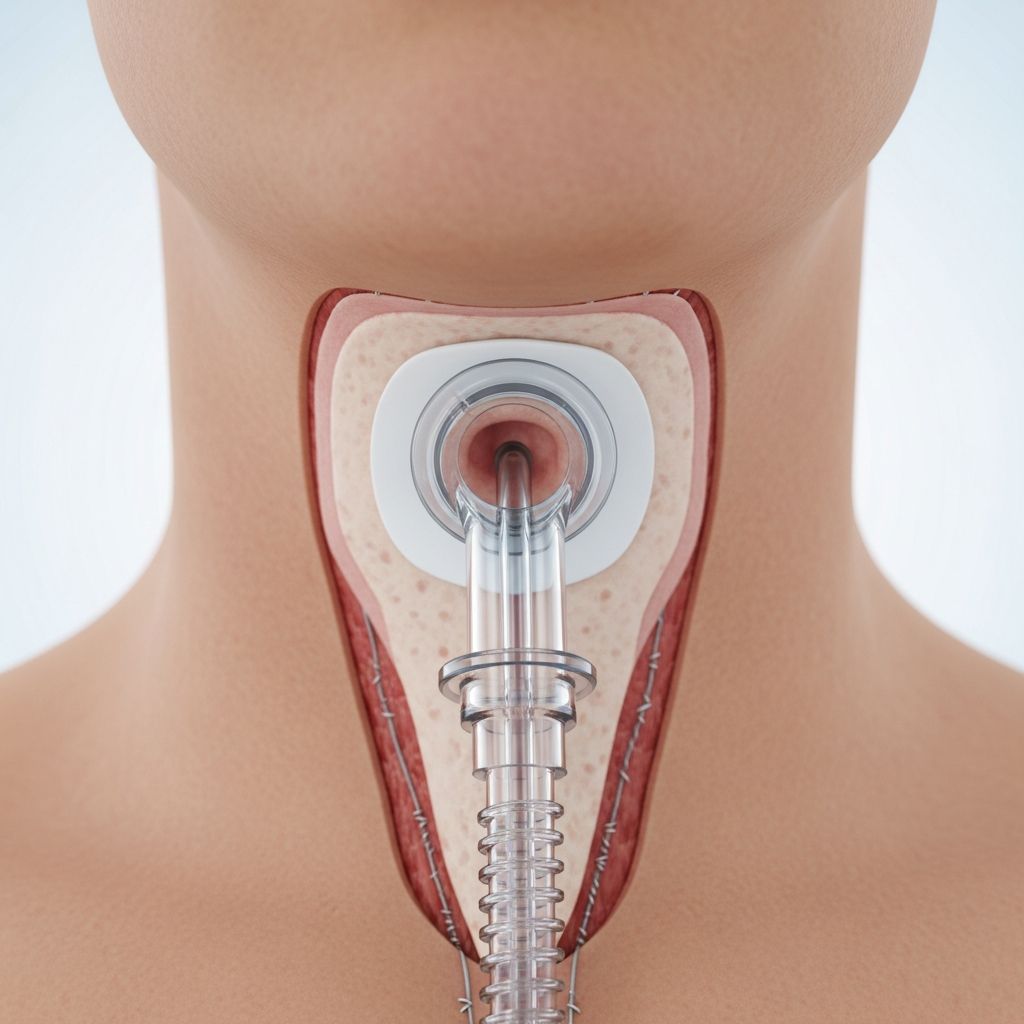
A tracheostomy is a surgical procedure that creates an opening directly into the trachea, commonly known as the windpipe, through an incision in the front of the neck. This life-altering intervention is designed to bypass upper airway obstructions and provide patients with improved breathing and comfort. The procedure has been refined over decades and represents a critical treatment option for numerous respiratory and medical conditions. Understanding the purpose, process, and care requirements of a tracheostomy is essential for patients, families, and caregivers who may be involved in managing this medical intervention.
Why Is a Tracheostomy Performed?
Tracheostomy procedures serve multiple important medical purposes and are recommended when patients face specific respiratory challenges or medical conditions. The primary indications for performing a tracheostomy include alleviating upper airway obstructions, decreasing the effort required for breathing, providing access for mechanical ventilation, and significantly improving overall patient comfort. These objectives make the procedure particularly valuable for patients with long-term respiratory support needs.
Key Indications for Tracheostomy
Medical professionals recommend tracheostomy in several clinical scenarios:
- Upper airway obstruction caused by tumors, strictures, or other anatomical abnormalities
- Inability to breathe independently, requiring long-term mechanical ventilation support
- Difficulty swallowing or protecting the airway due to neurological conditions
- Recovery from severe respiratory illnesses or injuries
- Chronic respiratory conditions requiring ongoing airway management
- Reduction of breathing effort in patients with severe respiratory compromise
The Tracheostomy Surgical Procedure
Understanding the surgical steps involved in creating a tracheostomy helps patients and families appreciate the technical expertise required and the care needed afterward. The procedure is carefully planned and executed to ensure proper tube placement and minimize complications.
Pre-Operative Preparation
Before the surgical procedure begins, patients undergo thorough evaluation and preparation. Medical imaging studies are typically performed to assess the anatomy of the neck and chest. Anesthesia consultation ensures the patient’s safety during the procedure. Patients receive detailed instructions about what to expect and how to prepare, including fasting requirements and medication adjustments.
The Surgical Steps
The tracheostomy procedure involves several carefully executed steps. Local anesthesia is applied to deaden the skin on the front of the neck, ensuring patient comfort during the intervention. The surgeon makes a horizontal incision over the space between the second and third tracheal rings, allowing access to the underlying airway structures. If the thyroid gland is encountered during this dissection, it is carefully divided to provide better access to the trachea.
Bleeding control is meticulously maintained throughout the procedure to ensure clear visualization and prevent complications. The trachea is then entered through an incision that divides the second and third rings of cartilage. In adults, a small portion of the third ring may be removed to accommodate proper tube placement. A previously tested tracheostomy tube with a cuff is then carefully inserted into the interior of the trachea.
Following successful tube insertion, the wound is loosely closed, and a sterile gauze dressing is applied to protect the new opening. Post-operative imaging, typically a chest X-ray, is obtained to verify that the tube has been correctly positioned and to confirm that there is no free air in the mediastinum or thorax, which could indicate complications.
Related Stories



Post-Operative Care and Management
Proper care following tracheostomy surgery is absolutely critical for preventing complications and ensuring optimal healing. Patients and caregivers must understand and implement specific care protocols to maintain the tracheostomy site’s health and function.
Environmental Conditions
Once a tracheostomy has been established, maintaining appropriate environmental conditions is essential. Ambient air in the patient’s room must be humidified and warmed to prevent the trachea from drying out. This humidification is particularly important because the tracheostomy bypasses the upper airway, which normally filters, humidifies, and warms incoming air. Without adequate humidity, patients may experience discomfort and increased risk of complications such as secretion crusting and airway irritation.
Suctioning and Secretion Management
Regular monitoring and management of secretions is vital to maintaining airway patency. If any secretions develop around the tracheostomy site, they must be suctioned in a sterile manner to prevent infection and maintain airway clearance. Caregivers should be trained in proper suctioning techniques, including appropriate catheter sizes, suction pressures, and duration of suctioning to minimize trauma to the airway. If a patient experiences unexplained shortness of breath, the tracheostomy site should be immediately examined for a mucus plug, which could obstruct the tube and compromise breathing.
Tube Maintenance and Cleaning
The tracheostomy tube requires regular maintenance to function properly and prevent infection. The inner cannula should be cleaned daily or as directed by healthcare providers. A tracheostomy care kit containing appropriate cleaning supplies makes this process more manageable. The cleaning process typically involves removing the inner cannula, cleaning it with a brush or pipe cleaner using a solution of equal parts saline and hydrogen peroxide, rinsing thoroughly with saline, and reinserting it securely.
The skin around the stoma should be cleaned daily with moist gauze using hydrogen peroxide followed by saline rinses. This cleaning removes secretions and prevents skin irritation, blistering, or infection. Dry gauze should be used to completely dry the area after cleaning. If the tracheostomy holder becomes soiled, it should be replaced promptly.
Changing the Tracheostomy Tube
Eventually, tracheostomy tubes require changing due to normal wear and accumulation of secretions. With proper training and experience, patients or caregivers can often perform routine tube changes at home, though healthcare provider guidance should always be followed.
Essential Equipment for Tube Changes
Before beginning a tracheostomy tube change, all necessary equipment must be gathered and organized:
- A new tracheostomy tube of the correct size, including the inner cannula and obturator
- A tracheostomy tube one size smaller as a backup
- Suction catheter and suction apparatus in good working condition
- Two lengths of quarter-inch cotton tape or velcro straps
- Water-based lubricant to ease tube insertion
- Round-ended scissors for cutting trach ties
- Sterile gloves and necessary cleaning supplies
Step-by-Step Tube Change Procedure
The process of changing a tracheostomy tube requires careful attention to detail and adherence to sterile technique. First, the new tracheostomy tube is removed from its wrapper without touching the internal surfaces. The inner cannula is removed, and the obturator is inserted into the tube. The velcro strap or tape is carefully attached to prepare it for securing the tube after insertion. A small amount of water-based lubricant is applied to the end of the tracheostomy tube to prevent it from sticking to the skin during insertion.
The old tape or velcro strap securing the current tube is carefully removed while holding the tube in place to prevent accidental displacement. The old tracheostomy tube is then withdrawn by following the natural curve of the trachea to avoid causing damage to the airway. The skin around the stoma is cleaned to remove any secretions or debris.
The new tracheostomy tube is inserted by holding it firmly by the flanges and gently sliding it in, again following the curve of the trachea. Once properly positioned, the obturator is removed from the tube. The new tube is secured with straps or tape, allowing approximately one finger space between the strap and the neck. The inner cannula is then inserted and locked into place.
If coughing occurs during this process, the inner cannula should be withdrawn and the patient allowed to recover before attempting reinsertion. Once the procedure is completed, airflow through the tracheostomy tube should be verified by feeling air on the hands and assessing the patient’s breathing pattern and skin color. Any dramatic change in skin color warrants immediate attention and possible supplemental oxygen administration.
Complications and Warning Signs
While tracheostomy is generally a safe procedure, patients and caregivers should be aware of potential complications that may require medical attention. These include infection at the stoma site, characterized by redness, warmth, drainage, or odor; tube displacement or blockage, resulting in sudden difficulty breathing; bleeding from the tracheostomy site; tracheal stenosis or scarring; and aspiration if the cuff is not properly maintained. Any signs of infection, respiratory distress, or other concerning symptoms should prompt immediate contact with healthcare providers.
Timing of Tube Removal
The tracheostomy tube should be removed, and the opening allowed to close naturally at the earliest possible time that is consistent with the patient’s medical condition and respiratory status. This decision is made collaboratively between the patient, family, and healthcare team based on the patient’s ability to breathe independently through the mouth and nose. Some patients may require the tracheostomy long-term, while others may need it only temporarily during recovery.
FAQs About Tracheostomy
Q: Is a tracheostomy performed in emergency situations?
A: While tracheostomy can be performed in emergency situations, it is uncommonly used in emergency contexts. The preferred method of establishing an airway in emergency settings is to pass a tube through the trachea via the mouth. Planned tracheostomies are scheduled procedures performed under controlled surgical conditions.
Q: Can patients speak with a tracheostomy?
A: Many patients with tracheostomies can speak, though the voice quality may change. Speech-language pathologists can work with patients on speaking valves and techniques to communicate effectively with the tracheostomy in place.
Q: How long does a tracheostomy last?
A: The duration depends on the patient’s underlying condition. Some patients require temporary tracheostomies during recovery, while others need long-term or permanent tracheostomies. Healthcare providers determine the appropriate timeline based on medical status.
Q: Can patients shower or bathe with a tracheostomy?
A: Yes, patients can shower with appropriate precautions, such as wearing a tracheostomy guard or shield to prevent water from entering the stoma. Bathing requires special care to keep water away from the tracheostomy opening.
Q: How often should the tracheostomy tube be changed?
A: The frequency of tube changes depends on individual patient factors and healthcare provider recommendations. Most tracheostomy tubes require changes every 4-12 weeks, though this interval may vary based on secretion accumulation and tube condition.
References
- Tracheostomy — EBSCO Research Starters. 2024. https://www.ebsco.com/research-starters/health-and-medicine/tracheostomy
- Tracheostomy Tube Change — StatPearls, National Center for Biotechnology Information. 2024. https://www.ncbi.nlm.nih.gov/books/NBK555919/
- Changing a Tracheostomy Tube: Educational Guide — Johns Hopkins Medicine. 2024. https://www.hopkinsmedicine.org
- Tracheostomy and Laryngectomy Stoma Care: Clinical Guidelines — Johns Hopkins Medicine. 2024. https://www.hopkinsmedicine.org
Similar Articles








Read full bio of medha deb