Traction Alopecia: Causes, Symptoms, and Treatment
Understanding traction alopecia: hair loss from tight hairstyles and how to prevent permanent damage.
What is Traction Alopecia?
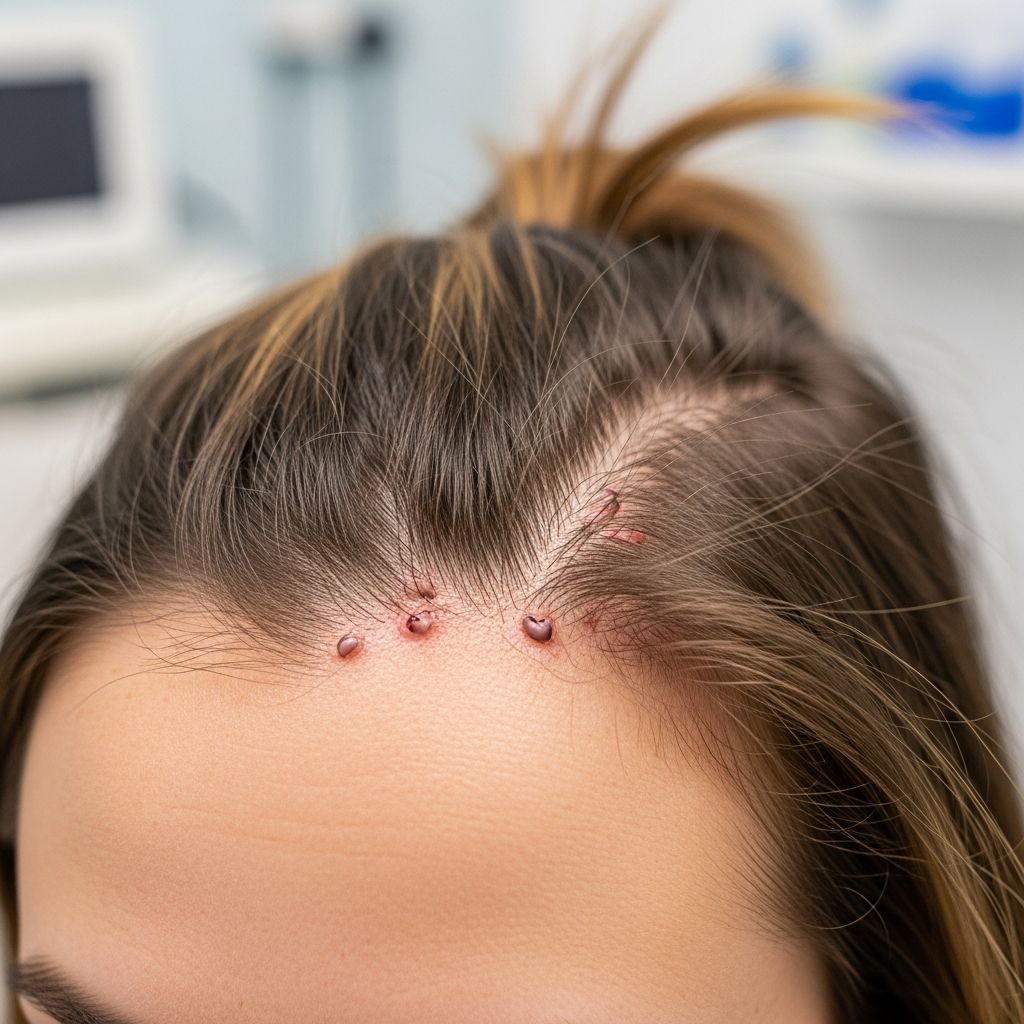
Traction alopecia is a form of hair loss caused by prolonged or repetitive tension on the hair due to tight braids, locks, and other hairstyles. Unlike other forms of alopecia that may be caused by illness or genetics, traction alopecia is caused by external mechanical stress on the hair and scalp. It is a preventable condition that can often be reversed if caught early, before permanent damage to hair follicles occurs.
The condition develops when constant pulling puts stress on the hair roots, which can lead to bald spots or thinning, especially around the hairline. Repeated strain on the hair follicles can pull out strands of hair and even damage the follicles, causing redness, itching, and even pus-producing ulcers or infections. This mechanical form of hair loss is distinct from other types of alopecia because the hair loss typically occurs only in areas that have been under tension, rather than in patches distributed across the scalp.
Causes of Traction Alopecia
Traction alopecia stems from prolonged or repeated tension on hair follicles, leading to follicular damage and hair loss. The condition is most commonly associated with tight hairstyles and various styling practices that place mechanical stress on the scalp.
Hairstyles and Styling Practices
- Tight braids and cornrows: These hairstyles place significant tension on hair follicles along the scalp.
- Dreadlocks: The weight and tension from dreadlocks can pull on hair follicles over time.
- Tight ponytails: Repeatedly wearing hair in tight ponytails creates sustained tension on the hairline and temples.
- Hair weaves and extensions: According to one study, using extensions and relaxers together was the most significant risk factor for traction alopecia.
- Very long hair: The weight of very long hair can be heavy, pulling on the hair follicles.
Chemical and Heat Treatments
Hair relaxers and other chemical treatments change the structure of the hair shaft in a way that makes hair loss more likely. The risk increases when tension is applied to chemically relaxed or thermally straightened hair, as these treatments compromise the hair shaft, making it more susceptible to breakage. While these chemical and thermal processes alone do not cause traction alopecia, they heighten susceptibility when combined with high-tension hairstyles.
Other Contributing Factors
- Hair accessories: Hair slides or grips that are worn in the same way every day can contribute to traction alopecia.
- Tight headwear: Very tightly tied beards or headwear can also result in traction alopecia.
- Occupational habits: Certain job-related habits that require tight hairstyles can increase the risk.
Symptoms and Clinical Presentation
Traction alopecia presents with distinctive signs that vary depending on the stage of the condition. Early recognition of these symptoms is crucial for preventing permanent hair loss.
Early Signs
- A receding hairline typically around the forehead, temples, or nape
- Small pimples appearing on the scalp or at the base of braids
- Redness, itching, and ulcers on the scalp
- Hair parting widening
- Patches of thin or broken hair in places where the hair has been under strain
- Tenderness, stinging, or pain in the area of hair loss
- Acne-like bumps common in areas of highest tension
Advanced Signs
Related Stories



- Patches of shiny, scarred skin in more advanced cases
- Increased hair loss along the frontal hairline, often with fine hairs remaining
- The “fringe sign,” where fine hairs remain along the edges of the original hairline
- Permanent scarring hair loss if prolonged tension continues
Additional Symptoms
In addition to hair loss, traction alopecia can cause these symptoms:
- Redness of the scalp
- Bumps and pustules
- Soreness or stinging of your scalp
- Itching and scaling
- Folliculitis (inflammation of the hair follicles)
- Pus-filled blisters on your scalp
The symptoms of traction alopecia are different from those of other forms of alopecia. In other types, the hair loss occurs in patches all over the scalp. In traction alopecia, usually just the hair that’s been pulled is affected.
Pathophysiology
Traction alopecia arises from repeated tension on the hair roots, leading to mechanical damage to the hair follicle and dermal papilla, which are essential for new hair growth. The repeated pulling causes microscopic damage that progressively worsens with continued tension.
When tension is first applied to hair, it causes perifollicular erythema (redness around the hair follicle), hair breakage, and thinning along tension-bearing areas of the scalp. If the tension continues, this can progress to folliculitis, hair casts, reduced hair density, and eventually scarring alopecia. Over time, chronic strain results in follicular miniaturization, fibrosis, and eventual scarring, leading to permanent bald patches if left untreated.
Diagnosis
Diagnosis of traction alopecia is based on clinical examination, with early signs including perifollicular erythema, hair breakage, and thinning along tension-bearing areas of the scalp. The condition typically presents with hair loss along tension-bearing areas, such as the temporal and preauricular regions.
Dermoscopy (microscopic examination of the hair and scalp) can aid in detecting characteristic findings like hair casts and follicular miniaturization. The Marginal Traction Alopecia Severity Score (M-TAS) helps assess disease severity and track progression. A thorough patient history regarding hairstyling practices and any symptoms such as tenderness or itching is also important for diagnosis.
Treatment and Management
The treatment of traction alopecia depends on disease chronicity and the presence or absence of permanent alopecia. Early intervention is crucial, as treating traction alopecia early can often stop further hair loss and, in many cases, even help hair grow back.
Primary Treatment Strategy
The first and most important step is to stop wearing tight hairstyles. If you stop wearing tight hairstyles and avoid further damage, your hair may begin to grow back within a few months. The main treatment for traction alopecia is to change your hairstyle and avoid wearing your hair in a tight style, especially overnight.
Protective Styling
- Adopt looser hairstyles that do not exert prolonged tension on the hair
- Change hairstyles every few weeks to prevent sustained tension in one area
- Avoid or limit chemicals, including relaxers
- Limit the use of hair relaxers, dyes, and other strong products
- Use gentle brushing of the affected area
Medical Treatments
Unfortunately, there are no FDA-approved treatments specifically for traction alopecia. However, several medical interventions can help manage symptoms and support hair regrowth:
- Topical corticosteroids: Topical corticosteroid medications (liquids, ointments, or oils) are applied by the patient at home to reduce inflammation in early, nonscarring stages.
- Intralesional corticosteroids: Corticosteroid injections directly into the areas of hair loss by the physician, with intralesional triamcinolone advised for application at the periphery of hair loss.
- Minoxidil: Products with minoxidil may help regrow some hair in about 3 to 6 months, and dermatologists will sometimes suggest it to stimulate hair growth.
- Antibiotics: Pustules may be treated with oral or topical antibiotics due to their anti-inflammatory effects.
- Phenylephrine: A novel approach involving α1-adrenergic receptor agonists has recently been explored for traction alopecia. Topical phenylephrine, a selective α1-adrenergic receptor agonist, has been investigated, with one study showing that its application was associated with reduced hair loss due to traction.
Reversibility and Prognosis
Yes, traction alopecia can be reversed if caught early. If you stop wearing tight hairstyles and avoid further damage, your hair may begin to grow back within a few months. Early action increases the chances of full recovery, and in many cases, the condition is entirely preventable if tension-related hairstyles are discontinued early when hair loss is first noticed.
However, the longer the pulling continues, the higher the risk of permanent hair loss due to damage to the hair follicles. It can become permanent if not treated in time, as repeated tension and long-term damage to hair follicles can lead to scarring, which prevents new hair from growing. Eventually, the hair follicles can become so damaged and scarred that they cannot produce new hair.
Complications
Traction alopecia can lead to various complications, particularly when prolonged tension is applied to hair follicles. Persistent pulling may initially cause scalp inflammation, redness, and pustules, sometimes leading to secondary bacterial infections such as folliculitis, which can further exacerbate hair loss.
Over time, chronic strain results in follicular miniaturization, fibrosis, and eventual scarring, leading to permanent bald patches if left untreated. Additionally, the psychological impact of visible hair loss and permanent scarring can affect patient quality of life.
Prevention
Traction alopecia is preventable if tension-related hairstyles are discontinued early when hair loss is first noticed. Prevention strategies include:
- Avoiding tight hairstyles such as braids, cornrows, dreadlocks, and tight ponytails
- Limiting the use of hair extensions, especially if they are heavy or tightly attached
- Avoiding or limiting chemical treatments like relaxers and heat styling
- Not combining extensions with relaxers, as this combination presents the highest risk
- Being cautious with hair accessories that place sustained tension on the same area
- Varying hairstyles regularly to avoid sustained tension in one location
- Maintaining gentle hair care practices and avoiding aggressive brushing
Distinguishing Traction Alopecia from Other Forms
Traction alopecia is not caused by stress or other internal factors. Some types of alopecia, like alopecia areata, can be triggered by stress, as it is an autoimmune condition. However, traction alopecia is not caused by stress—it is caused by constant pulling or tension on the hair due to tight hairstyles or headwear. It is a mechanical condition, not an emotional or psychological one.
In other types of alopecia, the hair loss occurs in patches all over the scalp. In traction alopecia, usually just the hair that has been pulled is affected. This localized pattern of hair loss along tension-bearing areas is a key distinguishing feature.
Frequently Asked Questions (FAQs)
Q: Can traction alopecia be completely reversed?
A: Yes, traction alopecia can be reversed if caught early. If you stop wearing tight hairstyles and avoid further damage, your hair may begin to grow back within a few months. However, the longer the pulling continues, the higher the risk of permanent hair loss due to scarring of the hair follicles.
Q: How long does it take for hair to regrow after stopping tight hairstyles?
A: Hair may begin to grow back within a few months of discontinuing tight hairstyles. Products with minoxidil may help regrow hair in about 3 to 6 months if used in conjunction with protective styling practices.
Q: Is traction alopecia caused by stress?
A: No, traction alopecia is not caused by stress. It is caused by constant pulling or tension on the hair due to tight hairstyles or headwear. It is a mechanical condition caused by external tension, not a psychological one.
Q: What hairstyles are most likely to cause traction alopecia?
A: Hairstyles most likely to cause traction alopecia include tight braids, cornrows, dreadlocks, tight ponytails, hair weaves, and extensions. Combining hair extensions with chemical relaxers presents the highest risk.
Q: Can I prevent traction alopecia?
A: Yes, traction alopecia is preventable. Avoid tight hairstyles, limit chemical treatments, vary your hairstyles regularly, and discontinue practices that create sustained tension on your hair. Early recognition of symptoms and immediate intervention can prevent permanent damage.
Q: Are there FDA-approved treatments for traction alopecia?
A: Unfortunately, there are no FDA-approved treatments specifically for traction alopecia. However, topical and intralesional corticosteroids, minoxidil, and newer treatments like topical phenylephrine can help manage symptoms and support hair regrowth when combined with protective styling practices.
Q: What should I do if I notice symptoms of traction alopecia?
A: If you notice symptoms such as a receding hairline, redness, itching, or bumps on your scalp, discontinue tight hairstyles immediately and consult a dermatologist. Early intervention is crucial for preventing permanent hair loss and achieving the best possible outcomes.
References
- Traction Alopecia: Causes, Treatment, and Prevention — Medical News Today. 2023. https://www.medicalnewstoday.com/articles/320648
- Traction Alopecia: Causes, Symptoms, and How to Treat It Early — Indiana University School of Medicine, Dermatrials. https://dermatrials.medicine.iu.edu/blogs/understanding-traction-alopecia
- Traction Alopecia Causes & Symptoms — Medi Tresse. https://www.meditresse.com/womens-hair-loss-treatments/traction-alopecia/
- Traction Alopecia — StatPearls, National Center for Biotechnology Information (NCBI), U.S. National Library of Medicine. 2024. https://www.ncbi.nlm.nih.gov/books/NBK470434/
- Traction Alopecia — JAMA Dermatology, Journal of the American Medical Association. https://jamanetwork.com/journals/jamadermatology/fullarticle/2804567
- Traction Alopecia: Prevention, Treatment and Causes — Healthline. https://www.healthline.com/health/traction-alopecia
- Can Certain Hair Styling Cause Hair Loss: Traction Alopecia — Dermatology of Connecticut. https://dermatologyofct.com/can-certain-hair-styling-cause-hair-loss-traction-alopecia/
Similar Articles








Read full bio of medha deb