Ancient Healing for Modern Skin: TCM Solutions for Eczema
Discover how time-tested Chinese herbal remedies and therapies address eczema from the root cause.
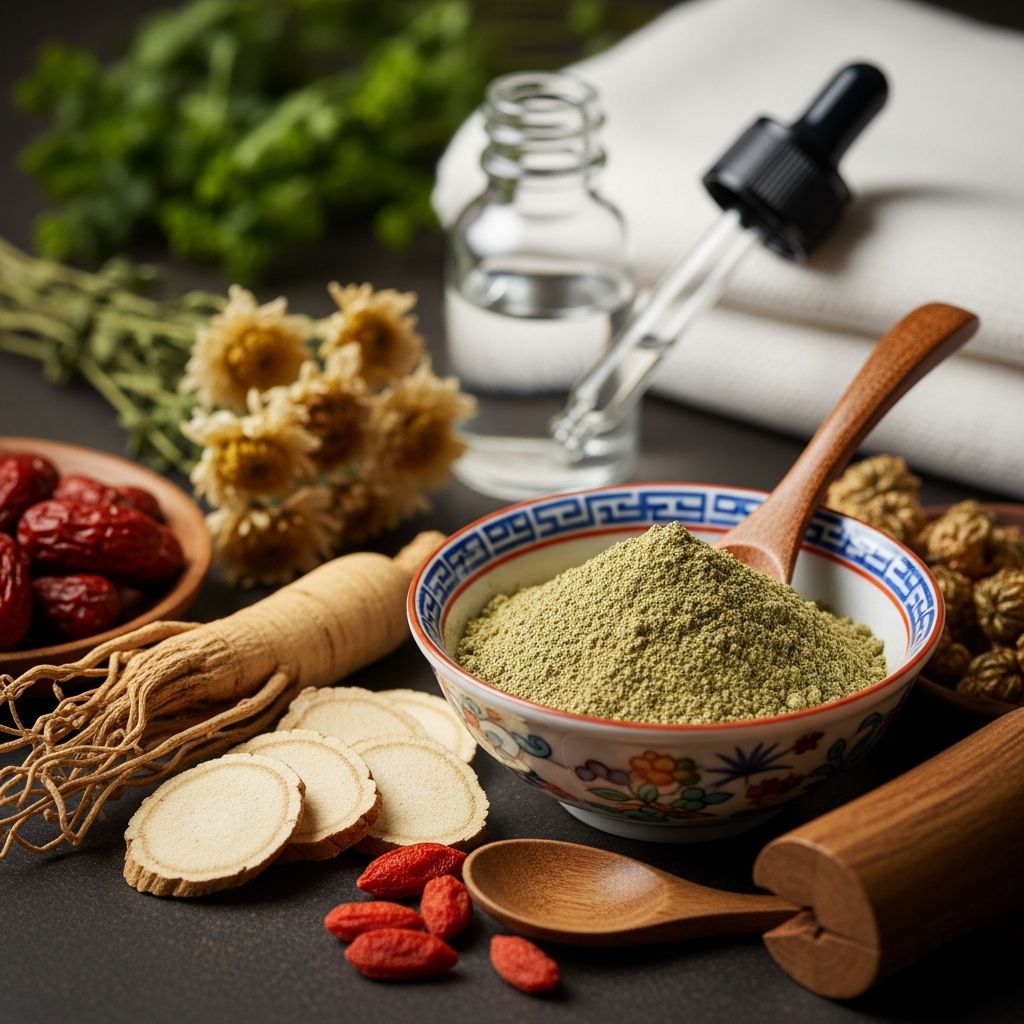
Eczema affects millions of people worldwide, causing persistent itching, inflammation, and quality-of-life disruptions. While conventional dermatology offers symptom management through topical steroids and immunosuppressants, many individuals seek complementary approaches that address underlying imbalances. Traditional Chinese Medicine (TCM) represents one of the world’s oldest medical systems, with therapeutic strategies developed over thousands of years to manage inflammatory skin conditions. Rather than treating eczema as an isolated dermatological problem, TCM practitioners view it as a manifestation of internal disharmony requiring comprehensive rebalancing.
Understanding TCM’s Philosophical Foundation in Skin Health
Traditional Chinese Medicine operates on fundamentally different principles than Western biomedicine. While conventional dermatology focuses on specific skin lesions and inflammatory markers, TCM examines how systemic imbalances contribute to eczema development. The practice conceptualizes skin disease through patterns of disharmony involving key regulatory systems. These patterns include excess heat, dampness retention, blood deficiency, and compromised immune function. A qualified TCM practitioner performs detailed assessments to determine which specific patterns predominate in each patient, then tailors treatment accordingly. This individualized approach means that two patients presenting with similar eczema symptoms may receive entirely different therapeutic protocols based on their underlying constitutional patterns.
TCM’s holistic perspective recognizes that environmental triggers, dietary choices, emotional stress, and sleep disruption all contribute to eczema flare-ups. By addressing these interconnected factors simultaneously, TCM aims to achieve more durable improvements than symptomatic treatment alone. The therapeutic objectives encompass reducing inflammation, strengthening immune resilience, clearing accumulated heat and dampness, moisturizing depleted skin, and alleviating persistent itching through multiple coordinated interventions.
Pattern Recognition: How TCM Classifies Eczema Presentations
TCM practitioners categorize eczema into distinct patterns based on clinical presentation, symptom progression, and underlying constitutional factors. This classification system guides herbal formulation and treatment strategy selection. Understanding these patterns illuminates why TCM customizes treatments rather than applying uniform protocols.
| Pattern Type | Clinical Presentation | Treatment Principles |
|---|---|---|
| Heat-Dominant (Acute) | Severe inflammation, numerous small raised lesions, intense heat sensations | Clear excess heat, eliminate dampness |
| Damp-Heat (Acute) | Varied lesion types, indistinct borders, fluid-filled blisters | Clear heat, promote fluid movement, reduce itching |
| Dampness-Dominant (Chronic) | Lower body involvement, pale skin, fluid-filled lesions, weeping exudate | Strengthen spleen function, regulate dampness |
| Spleen Deficiency (Chronic) | Pale or dull red lesions, scaling, crusting, skin thickening | Support spleen function, eliminate dampness |
| Blood-Dryness (Chronic) | Dull red or gray lesions, dry rough texture, lichenified appearance | Nourish yin, replenish blood, clear dampness |
Acute eczema episodes typically involve excess heat and dampness, requiring urgent intervention to cool the system and reduce inflammation. Chronic cases often manifest patterns of deficiency and stagnation, necessitating tonifying approaches that gradually rebuild underlying reserve. The transition from acute to chronic presentations demands strategic formula modifications to avoid perpetuating damage while promoting healing.
Herbal Formulations: Classical and Contemporary Combinations
Chinese herbal medicine employs synergistic plant combinations rather than single-ingredient treatments. Each formula contains multiple herbs selected for their individual properties and their complementary interactions. This sophisticated approach allows practitioners to target multiple pattern aspects simultaneously while balancing potentially harsh medicinal actions.
Established formulas commonly recommended for eczema include:
- Xiao Feng San (Clear Wind Powder) — One of the most researched eczema formulas, this classical combination addresses wind invasion combined with dampness and heat. Research demonstrates that herbs within this formula exhibit anti-inflammatory and antibacterial properties, particularly effective against inflammation and Staphylococcus aureus proliferation. The formula proves especially valuable for itching and rash conditions.
- Dang Gui Yin Zi (Chinese Angelica Decoction) — This blood-nourishing formula suits chronic eczema presentations where dryness predominates and nighttime itching intensifies. By addressing underlying blood insufficiency, this formula promotes skin repair and reduces relentless urge to scratch.
- Shi Zhen Fang (Lonicera and Smilax Combination) — A modern formulation addressing wind-heat and dampness transformation, this combination works effectively during acute and subacute eczema stages. The formula may be taken internally or prepared as a topical salve for direct skin application.
- Long Dan Xie Gan Tang (Gentiana Liver-Draining Decoction) — Particularly suited for acute eczema with damp-heat predominance, this formula drains heat from the liver and gallbladder systems while alleviating inflammatory symptoms.
- Huang Lian Jie Du Tang (Coptis Toxicity-Clearing Formula) — This intensely heat-clearing formula proves valuable during acute eczema episodes characterized by severe damp-heat and toxin accumulation.
Related Stories



Beyond complete formulas, individual herbs demonstrate specific applications for eczema. Ku shen (sophora root) stands out for reducing inflammation, alleviating itching, and inhibiting bacterial growth. Other single herbs such as bai xian pi (dittany bark root), zi cao (arnebia), fang feng (siler root), and qing dai (indigo) contribute anti-inflammatory, antimicrobial, and cooling properties. Qing dai preparations, applied as poultices directly to affected areas, deliver cooling and detoxifying benefits through direct skin absorption.
The composition of herbal formulas requires careful customization. When damp-heat intensity increases, practitioners add herbs such as huang qin (scutellaria baicalensis root), huang lian (coptis), or huang bai (phellodendron)—collectively termed the “three yellows” for their distinctive coloration and potent antibiotic-anti-inflammatory actions. This flexible approach allows formulas to evolve as patient presentations shift during the treatment course.
Multiple Treatment Pathways: Beyond Herbal Medicine
While herbal medicine forms the foundation of TCM eczema management, comprehensive treatment integrates additional modalities that address different pathogenic mechanisms and symptoms simultaneously.
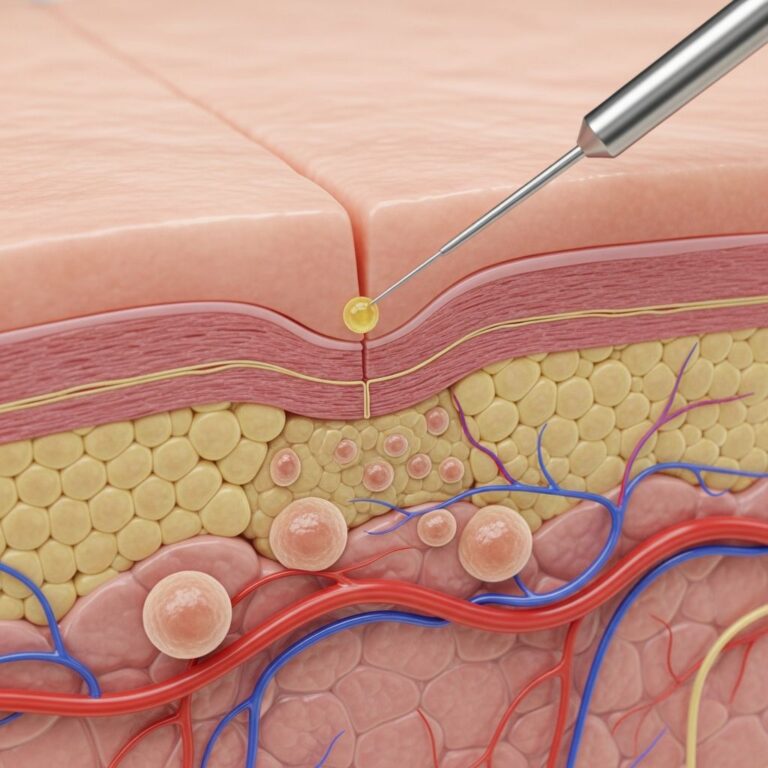
Acupuncture Therapy reduces itching intensity and inflammatory burden while simultaneously calming hyperactive immune responses. The procedure activates parasympathetic nervous system activation, triggering relaxation responses that counteract stress-induced eczema flare-ups. Practitioners select acupoints based on pattern diagnosis, creating personalized treatment maps that coordinate with herbal protocols.
Moxibustion involves applying warmth through mugwort smoke or heat to specific acupuncture points. This thermal modality enhances immune function, relieves inflammation, and supports the body’s natural healing capacity. Research indicates that moxibustion effectively reduces eczema symptoms through immune system strengthening and inflammatory pathway modulation.
Topical Applications complement internal treatments through various delivery methods. TCM practitioners prepare herbal baths, medicated lotions, creams, and poultices customized to individual presentations. These topical preparations provide direct symptom relief while allowing herbal components to penetrate skin layers.
Lifestyle and Dietary Modifications represent essential treatment components. TCM practitioners identify specific foods that worsen eczema patterns for each patient, eliminating inflammatory triggers while incorporating skin-nourishing foods. Sleep optimization, stress management techniques, and environmental modifications address psychological and behavioral factors perpetuating eczema cycles.
Mechanistic Evidence: How Herbal Therapies Reduce Eczema
Modern scientific investigation reveals the biological mechanisms underlying TCM eczema treatments. Chinese herbal medicine operates through multiple coordinated pathways rather than single pharmaceutical actions. Research demonstrates that herbal formulas suppress pro-inflammatory cytokine and chemokine release, reducing the inflammatory cascade driving eczema progression. Clinical studies document improvements in erythema intensity, pruritus frequency, transepidermal water loss, and quality-of-life measures. Standardized assessment tools including the Scoring Atopic Dermatitis Index show measurable improvement with comprehensive herbal treatment.
The synergistic nature of multi-herb formulas enables therapeutic effects exceeding individual component actions. Each herb contributes specific functions—some clear heat, others eliminate dampness, while additional components nourish blood or strengthen immune resilience. This coordinated action addresses multiple pathogenic mechanisms simultaneously, explaining superior clinical outcomes compared to single-herb interventions.
Real-World Application: Treatment Development Process
When initiating TCM treatment, practitioners conduct comprehensive assessments examining symptom characteristics, disease duration, triggering factors, constitutional factors, and responses to previous treatments. This detailed evaluation determines which eczema pattern predominates and guides initial formula selection. Treatments remain flexible, with practitioners modifying herb combinations, adjusting dosages, or introducing new components as the disease evolves.
Treatment duration varies considerably based on disease chronicity and severity. Acute eczema may respond within weeks, while chronic cases require months of consistent treatment. Practitioners typically recommend ongoing dietary adjustments and lifestyle modifications alongside herbal therapy for sustained improvement and relapse prevention.
Integration with Conventional Care
TCM approaches complement conventional dermatological treatments rather than replacing them. Patients taking topical steroids or systemic immunosuppressants benefit from integrating herbal medicine, which may reduce pharmaceutical dependence over time. Coordinated care between TCM practitioners and dermatologists optimizes outcomes while minimizing potential interactions or complications.
Frequently Asked Questions
How long does TCM treatment typically require for visible eczema improvement?
Acute eczema episodes may improve within 2-4 weeks with consistent herbal medicine and acupuncture. Chronic cases typically require 8-12 weeks minimum before substantial improvement becomes evident. Individual variation depends on disease duration, severity, and treatment adherence.
Can TCM formulas interact with conventional eczema medications?
While interactions remain uncommon, practitioners should coordinate with dermatologists regarding current medications. Most herbs demonstrate safety with topical treatments, though systemic medications warrant careful monitoring. Always inform both practitioners about all medicines and supplements.
Are herbal formulas safe for children with eczema?
TCM practitioners routinely treat pediatric eczema with appropriately modified formulas and reduced dosages. Specialized pediatric formulations exist, though treatment should occur under qualified practitioner supervision.
What dietary changes support TCM eczema treatment?
Practitioners typically recommend eliminating inflammatory foods specific to each patient’s pattern. Heat-type eczema benefits from avoiding spicy foods and warming supplements. Damp-type presentations improve with reduced dairy, wheat, and sugar. Individual dietary recommendations emerge from pattern diagnosis.
Does TCM address stress-related eczema flare-ups?
Yes. TCM recognizes emotional stress as a significant eczema trigger. Acupuncture, herbal formulations, meditation practices, and lifestyle modifications all address stress-related components of the disease.
Conclusion: Evidence-Based Traditional Approach
Traditional Chinese Medicine offers comprehensive eczema management through pattern recognition, customized herbal formulations, and integrated therapeutic modalities. By addressing underlying constitutional imbalances rather than isolated skin symptoms, TCM approaches often achieve durable improvement where conventional treatments plateau. The combination of ancient clinical wisdom, botanical sophistication, and emerging scientific validation positions TCM as a valuable treatment option for eczema sufferers seeking alternatives to indefinite steroid dependence or systemic immunosuppression.
References
- Chinese Herbs for Eczema: Approach and Effectiveness — Healthline. Accessed 2026-02-23. https://www.healthline.com/health/chinese-herbs-for-eczema
- Traditional Chinese Medicine Approach to Eczema — LearnSkin. Accessed 2026-02-23. https://www.learnskin.com/articles/traditional-chinese-medicine-approach-to-eczema/
- Four Traditional Chinese Medicine Therapies for Eczema — Treasure of the East. Accessed 2026-02-23. https://treasureoftheeast.com/blogs/resources-education/chinese-medicine-for-eczema
- Chinese herbal medicine research in eczema treatment — National Center for Biotechnology Information/NIH. Accessed 2026-02-23. https://pmc.ncbi.nlm.nih.gov/articles/PMC3110124/
Similar Articles








Read full bio of medha deb