Traditional Chinese Medicine: What You Need to Know
Explore TCM practices, principles, and evidence-based research for integrative health.
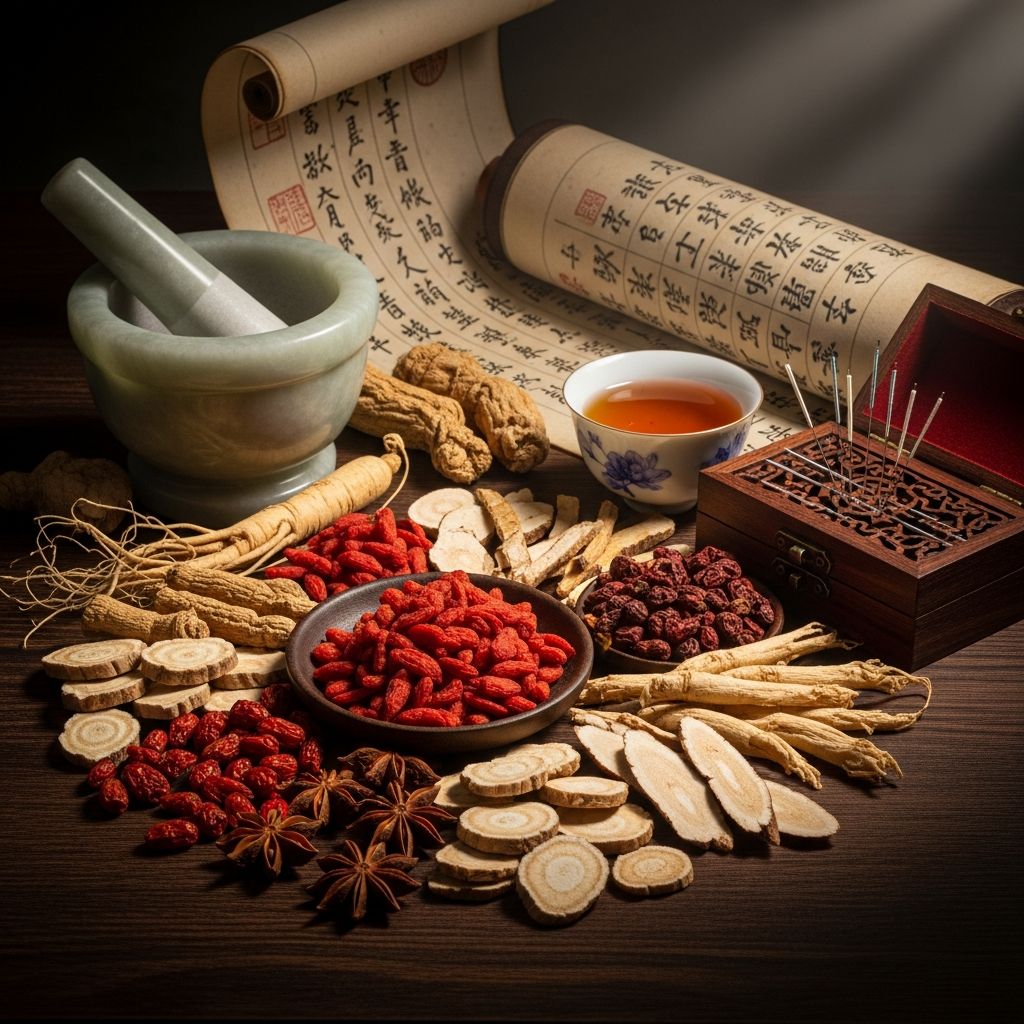
Traditional Chinese Medicine (TCM) is an ancient medical system that has been practiced for thousands of years to prevent, diagnose, and treat disease. Originating in China, TCM has evolved over millennia and is now widely used in the United States as a complementary health approach. Understanding the fundamental principles, practices, and scientific evidence behind TCM can help you make informed decisions about incorporating these therapies into your healthcare routine.
What is Traditional Chinese Medicine?
Traditional Chinese Medicine is a comprehensive healthcare system based on ancient philosophies and clinical experience that views the body as an integrated whole. Unlike Western medicine, which often focuses on isolated symptoms or organ systems, TCM emphasizes balance, harmony, and the interconnectedness of body systems. The practice encompasses numerous therapeutic techniques and philosophical frameworks that have been refined over thousands of years.
TCM practitioners in the United States commonly use several primary approaches to treat or prevent health problems:
- Chinese herbal medicine
- Acupuncture
- Tai chi and qi gong
- Tui na (Chinese therapeutic massage)
- Moxibustion
- Dietary therapy
Core Principles of Traditional Chinese Medicine
TCM is built on several foundational philosophical concepts that guide diagnosis and treatment. These ancient beliefs shape how practitioners understand health and disease:
Qi and Meridians
Central to TCM philosophy is the concept of qi (pronounced “chee”), the body’s vital energy or life force. According to TCM theory, qi constantly changes and flows through your entire body via channels called meridians. Each meridian corresponds to specific organs and functions within the body. When qi flows freely and remains in balance, the body maintains health. However, when qi becomes blocked or unbalanced, illness and disease can result. TCM treatments primarily focus on promoting and maintaining the proper flow of qi throughout the body.
Yin and Yang
Another fundamental principle is the balance between yin and yang, two opposing yet complementary forces. Yin represents dark, feminine, negative, and internal qualities, while yang represents light, masculine, positive, and external qualities. In the body, these forces manifest as cold and heat, internal and external conditions, and deficiency and excess states. When yin and yang are properly aligned, health is maintained. If they become imbalanced, TCM treatments aim to restore equilibrium through individually tailored therapies.
Five Elements Theory
TCM also utilizes the theory of five elements—fire, earth, metal, water, and wood—to explain how the body functions. These elements symbolically represent all natural phenomena and correspond to particular organs and tissues in the body. This framework helps TCM practitioners understand organ relationships and develop targeted treatment strategies. The five elements are interconnected and influence each other in ways that affect overall health and wellbeing.
Common Traditional Chinese Medicine Practices
Acupuncture
Acupuncture is one of the most well-known and frequently used TCM practices in Western settings. This technique involves inserting thin needles into specific points on the body to promote healing and balance qi flow. Acupuncture practitioners identify meridian points that correspond to affected areas and underlying imbalances. By stimulating these points, practitioners aim to restore the proper circulation of qi and alleviate symptoms associated with various conditions.
Chinese Herbal Medicine
Chinese herbal medicine, also known as Chinese materia medica, represents another major component of TCM. The Chinese Materia Medica describes thousands of medicinal substances, primarily plants but also including minerals and some animal products. Unlike Western herbalism rooted in Native American and European traditions, Chinese herbal medicine has been recorded in classical texts, refined, and studied by medical professionals for over 2,000 years. TCM practitioners develop complex herbal formulas tailored to treat specific conditions and individual patient needs.
Related Stories



Herbal remedies may be used to address various medical conditions, including:
- Cardiovascular disease (stroke and heart attack)
- Mental illness and emotional disorders
- Respiratory illnesses (bronchial asthma and common cold)
- Digestive disorders
- Chronic pain conditions
Tai Chi and Qi Gong
Tai chi and qi gong are mind-body practices that combine specific movements, postures, and coordinated breathing techniques. These practices aim to promote the flow of qi and enhance overall wellbeing by integrating physical movement with mental focus and respiratory awareness. Regular practice is believed to improve balance, flexibility, and emotional resilience while supporting the body’s natural healing processes.
Tui Na (Therapeutic Massage)
Tui na, or Chinese therapeutic massage, is a hands-on practice that uses pressure, kneading, and other manual techniques to stimulate meridians and promote qi circulation. Practitioners apply targeted pressure to specific points and areas to relieve tension, improve mobility, and address various health conditions. This practice follows the same diagnostic principles as acupuncture and herbal medicine.
Moxibustion
Moxibustion involves burning an herb (mugwort) above the skin to apply therapeutic heat to acupuncture points. This practice aims to warm meridians, improve qi circulation, and treat conditions characterized by cold or deficiency. Moxibustion is often combined with acupuncture for enhanced therapeutic effects.
Dietary Therapy
Chinese dietary therapy recognizes that foods possess medicinal properties and can be used therapeutically. TCM practitioners classify foods according to their thermal nature (cooling or warming effects), flavor, associated organ networks, and functional effects on the body. Dietary recommendations are individualized based on each patient’s constitution and imbalances.
TCM Approach vs. Western Medicine Philosophy
The fundamental difference between TCM and Western medicine lies in their underlying philosophies. Western modern medicine often views the body as separate systems requiring specific interventions for individual ailments. In contrast, TCM focuses on the mind and body as an integrated whole, emphasizing balance, harmony, and energy flow.
Western medicine typically relies on pharmaceuticals prescribed to cure specific conditions, while TCM takes a preventive and holistic approach. TCM aims to restore overall balance and support the body’s natural healing capacity, with treatments individualized based on comprehensive assessment of the patient’s constitution, emotions, and circumstances.
Scientific Research on Traditional Chinese Medicine
The National Center for Complementary and Integrative Health (NCCIH) supports research examining TCM practices from a scientific perspective. Rather than focusing on traditional philosophical concepts like qi or meridians, NCCIH-supported research investigates the specific effects of TCM practices in the body and whether they are helpful in symptom management.
Most research studies on TCM have focused on specific techniques, primarily acupuncture and Chinese herbal remedies. There have been many systematic reviews of studies examining TCM approaches for various conditions. An assessment of the research found that 41 of 70 systematic reviews of TCM approaches yielded positive findings, suggesting potential benefits for specific health conditions.
Important Considerations When Using Traditional Chinese Medicine
Communication with Healthcare Providers
If you are considering or currently using TCM, it is crucial to inform all your healthcare providers about the approaches you are using. Giving your healthcare team a full picture of your health management strategies ensures coordinated and safe care. This is particularly important if you are taking medications or undergoing other medical treatments, as some TCM practices may interact with conventional treatments.
Practitioner Qualifications
When seeking TCM treatment, ensure that your practitioner is properly qualified and licensed according to your state’s regulations. Licensing requirements for TCM practitioners vary by location, so it is important to verify credentials and training background.
Safety and Efficacy
While TCM has been used for thousands of years, determining the safety and efficacy of herbal medicine formulas and other practices requires rigorous scientific evaluation. Not all traditional practices have been thoroughly studied using modern research methods. Discussing potential risks and benefits with both your TCM practitioner and conventional healthcare provider can help you make informed decisions.
Frequently Asked Questions About Traditional Chinese Medicine
Q: What does qi mean in Traditional Chinese Medicine?
A: Qi (pronounced “chee”) is the body’s vital energy or life force that flows through meridian channels. According to TCM philosophy, balanced and free-flowing qi maintains health, while blocked or imbalanced qi can lead to disease and illness.
Q: Is acupuncture painful?
A: Most people report that acupuncture needles cause minimal discomfort. The needles are extremely thin, and many patients experience little to no pain during treatment. Some may feel a slight sensation when needles are inserted or manipulated.
Q: Can Traditional Chinese Medicine be used alongside conventional medical treatment?
A: Yes, TCM is increasingly used as a complementary approach alongside conventional medical treatment. However, it is essential to inform all healthcare providers about all treatments you are using to ensure safe, coordinated care.
Q: How long does it take to see results from TCM treatment?
A: The timeline for results varies depending on the condition being treated, the individual’s health status, and the specific TCM approach used. Some people experience immediate relief, while others may require several weeks or months of consistent treatment.
Q: Are Chinese herbal remedies regulated?
A: Herbal supplements in the United States are regulated as dietary supplements rather than medications. The FDA does not approve herbal remedies in the same way it approves pharmaceuticals. It is important to purchase herbal products from reputable practitioners or manufacturers.
Q: What conditions does Traditional Chinese Medicine commonly treat?
A: TCM practitioners treat a wide range of conditions including chronic pain, headaches, digestive disorders, respiratory issues, menstrual disorders, anxiety, and general wellness promotion. However, the evidence for effectiveness varies depending on the specific condition.
Conclusion
Traditional Chinese Medicine represents a comprehensive healthcare system with thousands of years of clinical experience and philosophical depth. Its core principles of qi balance, yin-yang harmony, and five elements theory offer a distinctly different perspective from Western medicine. Common practices including acupuncture, herbal medicine, tai chi, and therapeutic massage continue to attract interest from people seeking complementary health approaches.
As TCM becomes more integrated into healthcare systems worldwide, scientific research continues to examine its practices and efficacy. While some TCM approaches have demonstrated benefits in clinical studies, it is important to approach these therapies with informed skepticism, maintain open communication with all healthcare providers, and ensure that qualified practitioners deliver treatment. By understanding both the traditional philosophy and modern scientific evidence surrounding TCM, individuals can make informed decisions about whether these practices align with their health goals and needs.
References
- Definition of Traditional Chinese Medicine — National Cancer Institute, National Institutes of Health. https://www.cancer.gov/publications/dictionaries/cancer-terms/def/traditional-chinese-medicine
- Traditional Chinese Medicine — National Center for Complementary and Integrative Health (NCCIH), National Institutes of Health. 2015. https://files.nccih.nih.gov/s3fs-public/Traditional_Chinese_Medicine_08-03-2015.pdf
- Traditional Chinese Medicine (TCM) — UCHealth. https://www.uchealth.org/services/traditional-chinese-medicine-tcm/
- Understanding Traditional Chinese Medicine Therapeutics — PMC, National Center for Biotechnology Information (NCBI). 2021. https://pmc.ncbi.nlm.nih.gov/articles/PMC8000828/
- Traditional Chinese Medicine (TCM) — Merck Manuals, Merck & Co., Inc. https://www.merckmanuals.com/home/special-subjects/integrative-complementary-and-alternative-medicine/traditional-chinese-medicine-tcm
- Traditional Chinese Medicine: An Introduction — U.S. Department of Health and Human Services. https://www.govinfo.gov/content/pkg/GOVPUB-HE20_7250-PURL-gpo29565/pdf/GOVPUB-HE20_7250-PURL-gpo29565.pdf
Similar Articles








Read full bio of medha deb