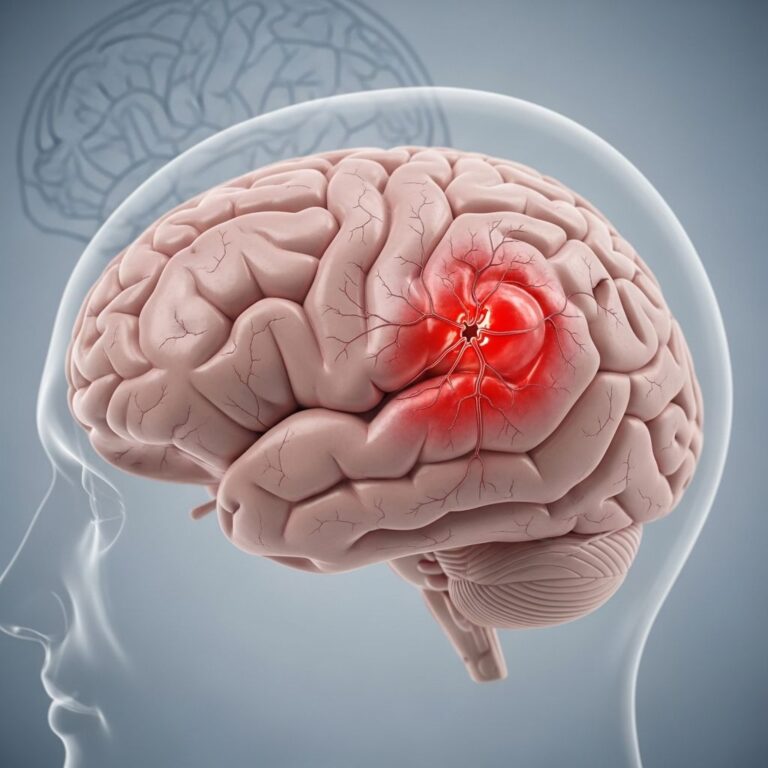
Train Your Brain: Cognitive Exercises for Mental Sharpness
Enhance cognitive function and mental sharpness through science-backed brain training exercises.
The human brain is a remarkable organ with virtually unlimited potential for growth and adaptation throughout our lives. Unlike the once-popular belief that brain function inevitably declines with age, modern neuroscience demonstrates that the brain maintains considerable plasticity—the ability to form new neural connections and reorganize itself—well into our later years. By engaging in targeted cognitive exercises and adopting brain-healthy lifestyle practices, you can significantly enhance your mental performance, sharpen memory, improve focus, and maintain cognitive vitality at any age.
Training your brain is much like training your body: consistent practice, varied challenges, and progressive difficulty lead to measurable improvements. Whether you’re seeking to boost productivity at work, maintain mental acuity as you age, or simply enhance your everyday cognitive performance, understanding the science behind brain training and implementing proven strategies can make a substantial difference in your mental function and overall quality of life.
Understanding Brain Plasticity and Cognitive Reserve
Neuroplasticity refers to the brain’s remarkable ability to physically change and reorganize itself by forming new neural connections throughout life. This foundational concept underlies all successful brain training approaches. When you learn something new or practice a skill repeatedly, your brain literally rewires itself, strengthening existing neural pathways and creating new ones. This process isn’t limited to childhood or young adulthood—research consistently shows that the adult brain maintains significant capacity for change and growth.
Building what neuroscientists call cognitive reserve is equally important. Cognitive reserve represents the brain’s resilience and adaptability, essentially your mental capacity to withstand age-related decline or brain injury. People with higher cognitive reserve tend to maintain better mental function as they age and recover more effectively from neurological challenges. You build cognitive reserve through education, intellectual engagement, social interaction, and physical exercise.
The Role of Exercise in Brain Training
Physical exercise stands as one of the most powerful tools for brain enhancement. Regular endurance exercise has been shown to produce a hormone called irisin, which works directly to protect brain health and prevent cognitive decline. During exercise, your body sends signals to the brain that trigger the release of neurotransmitters—chemical messengers that regulate mood, focus, and motivation—including dopamine, serotonin, and norepinephrine.
Beyond neurotransmitter release, exercise promotes neurogenesis, the growth of new neurons, particularly in the hippocampus, a brain region critical for learning and memory formation. Exercise also reduces brain inflammation, increases blood flow to the brain, and boosts levels of brain-derived neurotrophic factor (BDNF), a protein essential for neuron survival and growth. The cognitive benefits of exercise include sharper memory, enhanced focus, faster processing speed, and improved executive function—the mental skills we use for planning, organization, and decision-making.
Aim for at least 150 minutes of moderate-intensity aerobic exercise weekly, complemented by strength training twice per week. The combination of cardiovascular activity and resistance training provides optimal benefits for both physical and cognitive health.
Related Stories



Cognitive Training and Mental Exercises
Targeted cognitive exercises specifically designed to challenge your brain’s processing abilities can strengthen mental function. These exercises work best when they’re challenging enough to push your current abilities but not so difficult as to be discouraging. Progressive difficulty is key—as you improve, the exercises should become more challenging to continue stimulating cognitive growth.
Memory Enhancement Techniques
Memory training exercises strengthen your ability to encode, store, and retrieve information. Effective memory techniques include:
Mnemonic devices: Using association, visualization, and acronyms to encode information more effectively. For example, the method of loci involves mentally placing items to remember in specific locations of a familiar place, then mentally retracing your steps to retrieve them.
Spaced repetition: Reviewing information at increasing intervals optimizes long-term retention. Rather than cramming, spacing your study sessions enhances memory durability.
Active recall: Testing yourself on material rather than passive review strengthens memory encoding. Flashcards, practice tests, and teaching others are effective active recall strategies.
Elaboration: Connecting new information to existing knowledge creates stronger neural pathways. Asking yourself “why” and “how” questions about material deepens understanding and retention.
Attention and Concentration Exercises
Focused attention is fundamental to cognitive performance. Meditation and mindfulness practices strengthen attention by training your brain to direct and sustain focus. Even brief daily meditation sessions—as short as 10 minutes—have been shown to improve attention span, reduce mind-wandering, and enhance overall cognitive control. Reading challenging material, engaging in strategic games like chess, and practicing single-tasking rather than multitasking all build attentional capacity.
Processing Speed and Mental Flexibility
Exercises that require rapid mental processing strengthen processing speed—the rate at which your brain handles information. Timed puzzles, reaction time games, and speed-reading exercises all enhance this capacity. Mental flexibility—your ability to shift between different thoughts and adapt to changing situations—improves through activities that require perspective-shifting, such as learning new languages, studying unfamiliar subjects, or practicing creative problem-solving.
Cognitive Exercise Recommendations
Different types of mental exercises provide complementary benefits. A comprehensive brain training program should include varied activities:
Puzzle-solving activities like crosswords, Sudoku, and jigsaw puzzles engage multiple cognitive domains simultaneously, from pattern recognition to attention to memory. Working on puzzles activates the prefrontal cortex, the brain region responsible for complex thinking and executive function.
Language learning is among the most cognitively demanding activities available. Learning a new language requires attention, memory, processing, and creative application of rules—engaging virtually every cognitive system. Multilingual individuals show better cognitive reserve and slower age-related cognitive decline.
Musical training and performance engage multiple brain regions simultaneously, strengthening auditory processing, motor control, memory, and emotional regulation. Even if you didn’t learn music as a child, adult music lessons provide substantial cognitive benefits.
Strategic games including chess, bridge, and Go require planning ahead, considering multiple perspectives, rapid decision-making, and memory. These games activate the prefrontal cortex and improve executive function.
Creative pursuits including writing, painting, drawing, and crafting engage cognitive flexibility, imagination, and problem-solving abilities. Creative activities also provide emotional and psychological benefits alongside cognitive enhancement.
Reading and learning expose your brain to new information, ideas, and perspectives. Challenging reading material, particularly non-fiction exploring unfamiliar subjects, builds vocabulary, enhances comprehension, and strengthens connections between different knowledge domains.
Sleep: The Foundation of Cognitive Function
No brain training regimen can compensate for inadequate sleep. During sleep, your brain consolidates memories, clears metabolic waste products, and restores cognitive function. Quality sleep is essential for attention, learning, memory formation, and emotional regulation. Most adults require 7-9 hours of sleep nightly for optimal cognitive performance.
Sleep deprivation impairs virtually every aspect of cognition—processing speed, attention, memory, decision-making, and emotional control all deteriorate with insufficient sleep. Chronic sleep insufficiency accelerates cognitive aging and increases the risk of neurodegenerative diseases. Establishing consistent sleep schedules, maintaining a dark and cool sleep environment, and limiting screen exposure before bedtime all support healthy sleep.
Nutrition for Brain Health
The foods you eat directly impact brain structure and function. Nutrients particularly important for cognitive health include:
Omega-3 fatty acids from fish, flaxseeds, and walnuts support neural membrane health and inflammation reduction. Research links higher omega-3 intake to better cognitive function and slower cognitive decline.
Antioxidants from berries, dark leafy greens, and colorful vegetables protect brain cells from oxidative stress. Polyphenols in berries particularly support memory and learning.
B vitamins including B6, B12, and folate support neurotransmitter synthesis and myelin formation. Deficiencies in B vitamins are associated with cognitive decline.
Minerals including iron, zinc, and magnesium support numerous cognitive processes. Mediterranean diets, rich in these nutrients, are associated with better cognitive outcomes in aging populations.
Social Engagement and Cognitive Health
Social interaction provides substantial cognitive stimulation. Engaging in meaningful conversations, group activities, and social problem-solving activates multiple cognitive domains simultaneously. Studies show that socially active individuals maintain better cognitive function as they age and have lower dementia risk. Social engagement provides emotional support, reduces stress, and creates an enriched cognitive environment—all factors supporting long-term brain health.
Stress Management and Brain Training
Chronic stress impairs cognitive function through multiple mechanisms: elevated cortisol damages the hippocampus, impairs prefrontal cortex function, and accelerates cognitive aging. Stress management techniques including meditation, exercise, social connection, and professional support protect brain health. Mindfulness-based stress reduction has been shown to increase gray matter density in brain regions associated with learning, memory, and emotion regulation.
Age-Specific Brain Training Considerations
Brain training benefits all age groups, though specific approaches may vary by life stage.
Young adults should focus on building cognitive reserve through education, intellectual challenge, and developing healthy brain-supporting habits that will protect cognitive function throughout life. This is the ideal time to establish exercise routines, healthy sleep patterns, and engagement in cognitively challenging activities.
Middle-aged adults benefit from maintaining cognitive challenge while managing increasing life demands. Continuing education, learning new skills, and maintaining physical fitness all help preserve cognitive function during the decades when work and family demands often peak.
Older adults can significantly benefit from targeted brain training. Regular cognitive exercise, physical activity, social engagement, and continued learning help maintain cognitive function, reduce dementia risk, and improve quality of life. It’s never too late to benefit from brain training—improvements can occur at any age.
Technology and Brain Training Tools
Digital brain training platforms and apps offer convenient access to structured cognitive exercises. These tools often adapt difficulty to your performance level and track progress over time. While some evidence supports benefits of computerized brain training, effectiveness depends on consistent engagement and choosing programs based on solid neuroscience rather than marketing claims. Combining technology-based training with traditional cognitive activities, physical exercise, and social engagement provides the most comprehensive brain training approach.
Frequently Asked Questions
Q: How long does it take to see results from brain training?
A: Noticeable improvements in focus and memory often appear within 2-4 weeks of consistent practice. More substantial cognitive changes typically emerge after 8-12 weeks. The key is consistency—regular practice produces better results than sporadic intensive training.
Q: Can brain training prevent Alzheimer’s disease and dementia?
A: While brain training alone cannot guarantee prevention, it significantly reduces dementia risk when combined with other healthy habits including physical exercise, cognitive engagement, social connection, quality sleep, and Mediterranean-style nutrition. Research shows that maintaining high cognitive reserve protects against cognitive decline.
Q: Is it ever too late to start brain training?
A: No—the brain maintains neuroplasticity throughout life. Studies show that older adults benefit significantly from cognitive training, learning new skills, and engaging in mentally stimulating activities. Starting brain training at any age produces measurable improvements in cognitive function.
Q: How much time should I dedicate to brain training daily?
A: Even 15-30 minutes of focused cognitive exercise daily provides substantial benefits. Combined with regular physical exercise, social engagement, and quality sleep, this modest time investment produces measurable cognitive improvements.
Q: Are expensive brain training programs better than free options?
A: Cost doesn’t determine effectiveness. Free activities like reading, learning languages, practicing meditation, solving puzzles, and engaging in strategic games provide excellent cognitive benefits. The most effective approach combines varied activities rather than relying on any single tool or program.
References
- The Influence of Exercise on Cognitive Abilities — Gomez-Pinilla, F., & Hillman, C. Comprehensive Physiology, 2013. https://doi.org/10.1002/cphy.c120033
- Exercise Training Increases Size of Hippocampus and Improves Memory — Erickson, K. I., Voss, M. W., Prakash, R. S., et al. PNAS, 2011. https://doi.org/10.1073/pnas.1015950108
- Your Brain on Exercise — Harvard Magazine, Harvard University, 2021. https://www.harvardmagazine.com/2021/12/right-now-brain-on-exercise
- How Does Exercise Improve Mental Health? — HelpGuide, 2024. https://www.helpguide.org/wellness/fitness/the-mental-health-benefits-of-exercise
- Sleep and Cognitive Function — National Institute of Neurological Disorders and Stroke, National Institutes of Health (NIH), 2024. https://www.ninds.nih.gov/health-information/sleep
- Endorphins: The Brain’s Natural Pain Reliever — Harvard Health Publishing, Harvard Medical School, 2024. https://www.health.harvard.edu/mind-and-mood/endorphins-the-brains-natural-pain-reliever
Similar Articles








Read full bio of medha deb