Trametinib: 7 Cutaneous Side Effects And How To Manage Them
Comprehensive guide to trametinib: uses, dermatological side effects, management, and clinical insights for melanoma and other cancers.
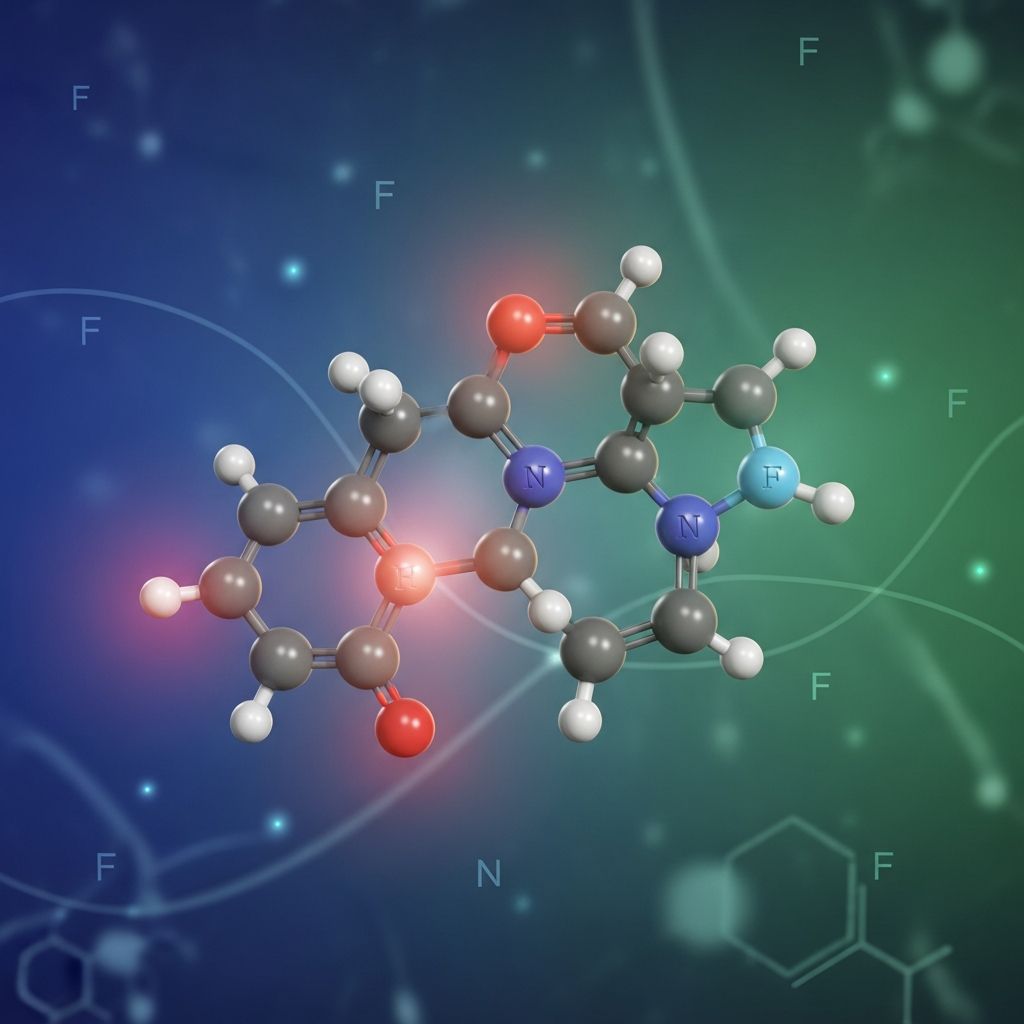
Authoritative facts about the drug trametinib (Mekinist®): what it is, how trametinib works for melanoma and other cancers, dosing, side effects with a focus on dermatological reactions, drug interactions, and patient monitoring.
What is trametinib?
Trametinib, marketed as Mekinist®, is an oral selective inhibitor of mitogen-activated extracellular signal-regulated kinase 1 and 2 (MEK1/2). It targets the MAPK/ERK pathway, which is hyperactivated in BRAF-mutant cancers. Approved for treating unresectable or metastatic melanoma with BRAF V600E or V600K mutations, often combined with dabrafenib (Tafinlar®). Also indicated for BRAF V600E-mutant non-small cell lung cancer (NSCLC) and anaplastic thyroid cancer. Administered as 2 mg tablets once daily on an empty stomach.
Who gets trametinib prescribed?
Trametinib is prescribed to adults with confirmed BRAF V600E/K-mutant melanoma (unresectable stage III/IV), either as monotherapy or with dabrafenib. Combination therapy improves progression-free survival (PFS) versus monotherapy (median PFS 11.4 vs. 7.3 months in phase III trials). Used in adjuvant settings post-resection for high-risk stage III melanoma and for pediatric patients ≥6 years with low/high tumor burden. Also for NSCLC and thyroid cancer with BRAF mutations.
- Monotherapy: BRAF V600E/K-mutant metastatic melanoma.
- Combination (with dabrafenib): BRAF V600E-mutant melanoma, NSCLC, thyroid cancer.
- Adjuvant: Resected stage III BRAF V600E-mutant melanoma.
What does trametinib do?
Trametinib binds reversibly to MEK1/2, inhibiting phosphorylation by RAF kinases and blocking downstream ERK activation. This suppresses tumor cell proliferation, survival, and angiogenesis in BRAF-mutant cells. Unlike BRAF inhibitors alone, MEK inhibition prevents paradoxical MAPK activation in wild-type cells, reducing secondary skin cancers. In combination, it enhances efficacy and delays resistance.
How is trametinib given?
Standard dose: 2 mg orally once daily, at least 1 hour before or 2 hours after food. Continue until disease progression or unacceptable toxicity. Tablets: 0.5 mg, 2 mg. No dose adjustment for mild hepatic/renal impairment; caution in moderate-severe cases. Pediatric dosing by body surface area.
| Dose Reduction Levels | Monotherapy | Combination (with dabrafenib) |
|---|---|---|
| 1st reduction | 1.5 mg once daily | Trametinib 1.5 mg + dabrafenib 100 mg BID |
| 2nd reduction | 1 mg once daily | Trametinib 1 mg + dabrafenib 75 mg BID |
| 3rd reduction | Permanently discontinue | Trametinib 0.5 mg + dabrafenib 50 mg BID OR discontinue |
BID = twice daily. Hold for grade 2 intolerable or ≥3 toxicity; resume at reduced dose upon ≤1 recovery.
What are the side effects of trametinib?
Common adverse events (≥10%, any grade) from clinical trials: rash (57%), diarrhoea (43%), lymphoedema (32%), acneiform dermatitis (19%), stomatitis (15%), hypertension (15%), fatigue, nausea, peripheral oedema, pruritus, pyrexia, dry skin, vomiting, abdominal pain, headache, arthralgia, night sweats. Serious (≥2%, grade 3/4): cardiomyopathy (7-9%), hypertension (14%), diarrhoea (10%), rash (3%), etc.
Cutaneous side effects
Dermatological toxicities are frequent due to MEK’s role in epidermal homeostasis, akin to EGFR inhibitors. Rash typically maculopapular, onset within 2 weeks, affecting trunk/extremities.
- Rash: 57%; grade 3/4: 3%.
- Acneiform dermatitis: 19%.
- Pruritus: Common.
- Dry skin/xerosis: Frequent.
- Stomatitis: 15%.
- Paronychia/nail changes: Loosening, redness.
- Severe reactions: SJS, DRESS (rare, life-threatening: blisters, peeling, fever).
Combination with dabrafenib increases skin toxicities but reduces cuSCC risk vs. BRAF monotherapy.
Related Stories



Other side effects
- Cardiac: Reduced LVEF (40-60% patients); monitor echocardiograms.
- GI: Diarrhoea (43%), nausea, vomiting.
- Ocular: Retinal vein occlusion, blurred vision.
- Musculoskeletal: Arthralgia, myalgia.
- Secondary malignancy: Non-melanoma skin cancers (with dabrafenib).
How can cutaneous side effects of trametinib be managed?
Proactive dermatological management improves adherence and outcomes.
| Adverse Event | Management |
|---|---|
| Grade 1 rash/pruritus | Topical low-potency steroid (e.g., hydrocortisone), emollients, oral antihistamine. |
| Grade 2 intolerable rash | Hold until ≤1, resume reduced dose. Topical moderate steroid (e.g., mometasone), doxycycline 100 mg BID (anti-inflammatory). |
| Grade ≥3 rash | Hold up to 3 weeks until ≤1, then ↓1 dose level. Discontinue if no recovery. |
| SJS/DRESS | Permanent discontinuation. |
| Acneiform | Topical clindamycin + benzoyl peroxide, oral minocycline. |
| Hand-foot skin reaction | Urea cream, dose modification. |
Preventive skin regimen: Emollients from day 1, sun protection. Weekly dermatology follow-up recommended. Women, especially lower body weight, have higher incidence.
Drug interactions
- CYP3A inducers/inhibitors: Reduce/increase exposure; avoid strong inducers (e.g., rifampin).
- P-gp substrates: Trametinib inhibits P-gp; monitor digoxin.
- Live vaccines: Contraindicated.
- Combination with dabrafenib: Separate administration by 1 hour to avoid solubility issues.
Special considerations
- Pregnancy: Category D; embryotoxic in animals. Effective contraception required.
- Pediatrics: ≥6 years for low-grade glioma; may affect growth.
- Monitoring: LVEF before, 1-2 months, then q3 months; ophthalmology if visual changes; skin exams q2 months + 6 months post.
- Resistance: MEK inhibition delays but does not prevent.
Frequently asked questions (FAQs) about trametinib
Q: What is the most common side effect of trametinib?
A: Rash affects 57% of patients, typically maculopapular and manageable with topical treatments.
Q: Can trametinib cause serious skin reactions?
A: Yes, rarely Stevens-Johnson syndrome or DRESS; discontinue immediately if blisters, peeling, or mucosal involvement occur.
Q: Should trametinib be taken with food?
A: No, take on an empty stomach (1 hour before or 2 hours after meals) to optimize absorption.
Q: How often should skin checks be done on trametinib?
A: Dermatologic exams every 2 months during treatment and for 6 months after, plus monthly self-exams for new lesions.
Q: Is trametinib safe in pregnancy?
A: No; use effective contraception during and for 4 weeks after treatment due to fetal harm risk.
Q: What if I miss a dose of trametinib?
A: Take as soon as possible within 12 hours; otherwise skip and resume next day. Do not double dose.
References
- Trametinib (oral route) – Description & Side Effects — Mayo Clinic. 2023-10-01. https://www.mayoclinic.org/drugs-supplements/trametinib-oral-route/description/drg-20061171
- Mekinist (trametinib): Uses, Side Effects, Dosage — GoodRx. 2024-05-15. https://www.goodrx.com/mekinist/what-is
- Cutaneous Side Effects of Targeted Therapy and Immunotherapy — PMC (NCBI). 2019-01-15. https://pmc.ncbi.nlm.nih.gov/articles/PMC6332919/
- Trametinib — DermNet NZ. 2023-01-01. https://dermnetnz.org/topics/trametinib
- Trametinib Monograph — Cancer Care Ontario. 2024-02-20. https://www.cancercareontario.ca/en/drugformulary/drugs/monograph/44331
- Trametinib Tablets: Uses & Side Effects — Cleveland Clinic. 2023-11-10. https://my.clevelandclinic.org/health/drugs/18840-trametinib-oral-tablets
Similar Articles








Read full bio of Sneha Tete