Transaminitis: Causes, Symptoms & Treatment Guide
Understanding elevated liver enzymes: causes, diagnosis, and effective treatment options.
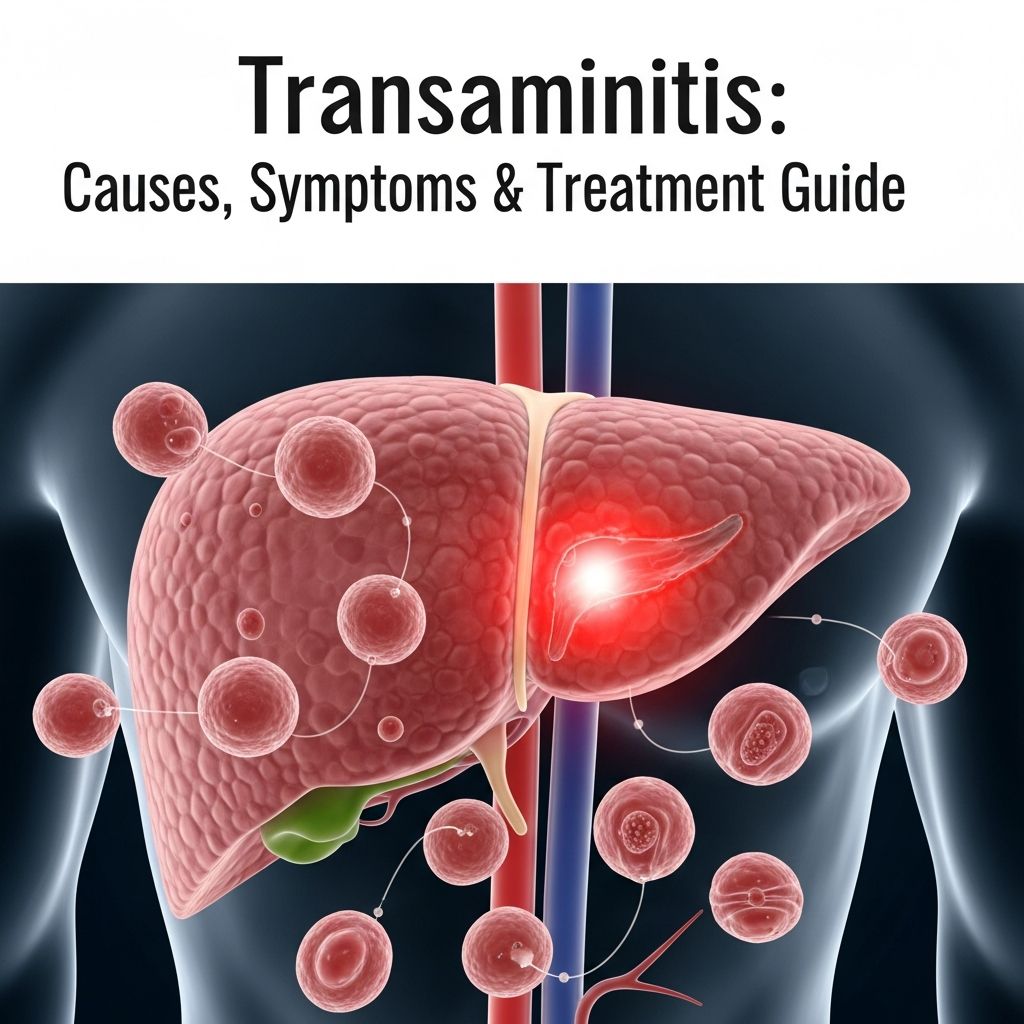
Understanding Transaminitis: What It Means for Your Liver
Transaminitis is a condition characterized by high levels of specific liver enzymes in your blood called transaminases. The two most common transaminases measured in blood tests are alanine transaminase (ALT) and aspartate transaminase (AST). These enzymes are normally found inside liver cells, but when liver cells become damaged or stressed, they release these enzymes into your bloodstream where they can be detected through blood testing. When your blood test results show elevated transaminases, it indicates that your liver is under stress and something may be injuring those cells.
Many people discover they have transaminitis incidentally during a routine blood panel, often called a comprehensive metabolic panel, since the condition itself typically produces no noticeable symptoms. Healthcare providers use transaminitis as an important diagnostic tool to identify underlying liver problems before they become more serious. The presence of elevated transaminases, especially when both ALT and AST rise together, represents one of the earliest signs of liver stress and can indicate hepatitis or other liver inflammation before other clinical signs appear.
Common Causes of Transaminitis
Transaminitis usually occurs when cells in your liver tissues have been damaged. Understanding the underlying cause is essential for appropriate treatment and management. Several categories of conditions can lead to elevated liver enzymes:
Viral Hepatitis
Hepatitis refers to inflammation of the liver, with viral hepatitis being the most common type. Hepatitis B and C are the most frequent causes of transaminitis from viral infections. These viruses cause similar symptoms and complications:
– Yellow-tinted skin and eyes (jaundice)- Dark urine- Nausea and vomiting- Fatigue- Abdominal pain or discomfort- Joint and muscle pain- Fever- Loss of appetite
Fatty Liver Disease
Steatotic liver disease, commonly known as fatty liver disease, develops when excess fat accumulates in liver cells. This condition can develop from various metabolic factors and represents one of the most common causes of transaminitis in developed countries. Both alcohol-related and non-alcohol-related forms can produce elevated liver enzymes.
Medications and Supplements
Certain prescription medications, over-the-counter drugs, and herbal supplements can damage liver cells and cause transaminitis. Some medications metabolized by the liver may elevate transaminases as a side effect. It’s important to review all medications and supplements with your healthcare provider if you have elevated liver enzymes.
Viral Infections
Beyond hepatitis, other viral infections can cause transaminitis. The most common include infectious mononucleosis and cytomegalovirus (CMV) infection. Infectious mononucleosis, spread through saliva, may cause swollen tonsils and lymph nodes, sore throat, fever, swollen spleen, and headaches alongside elevated liver enzymes.
Genetic Diseases
Several inherited metabolic disorders can cause transaminitis by affecting your body’s metabolic processes. These genetic conditions include:
– Hemochromatosis- Celiac disease- Wilson’s disease- Alpha-antitrypsin deficiency
Other Causes
Additional conditions that may cause transaminitis include alcoholic liver disease, autoimmune hepatitis, cirrhosis, liver cancer, and certain systemic infections. In some cases, transaminitis may be related to conditions outside the liver entirely, and context matters significantly in determining the clinical significance.
Related Stories



Symptoms Associated with Transaminitis
Transaminitis itself doesn’t produce symptoms, but underlying liver disorders often do. If you experience any of the following symptoms, contact your healthcare provider:
– Loss of appetite- Nausea- Vomiting- Weakness- Tiredness- Stomach pain or feeling of fullness- Yellow discoloration of the skin or whites of the eyes (jaundice)- Dark or tea-colored urine- Light-colored stools- Itching
These symptoms suggest liver stress and warrant investigation by a healthcare professional. Some conditions like HELLP syndrome in pregnancy present additional severe symptoms including shoulder pain, pain when breathing deeply, bleeding, swelling, and vision changes.
Diagnosis and Testing
Healthcare providers discover transaminitis through blood tests that measure liver function and enzyme levels. When transaminitis is found, providers typically order additional tests to assess overall liver function and identify the underlying cause. These comprehensive tests examine transaminases along with other liver markers.
The pattern of enzyme elevation can provide important diagnostic clues. When both ALT and AST rise together, this typically suggests hepatitis, particularly acute hepatitis. However, the ratio between these enzymes offers additional diagnostic information. If ALT is slightly higher than AST, this usually has limited clinical significance since ALT is more liver-specific. When AST is higher than ALT, this could indicate several different conditions including alcoholic liver disease or other systemic conditions.
Other liver enzymes like alkaline phosphatase (ALP) and gamma-glutamyltransferase (GGT) are more suggestive of bile duct diseases rather than hepatocellular injury. A complete evaluation may include imaging studies, viral serologies, and other specialized testing depending on the clinical presentation.
Understanding Enzyme Elevation Severity
Transaminase levels can range from mildly to severely elevated, though healthcare providers may define these values differently based on laboratory standards. The severity of elevation provides important clinical context. Severe transaminitis is more likely to indicate acute liver injury—something that has occurred recently and may require urgent intervention. In contrast, mildly elevated levels may indicate mild inflammation from chronic liver disease or medication side effects.
Occasionally, transaminitis relates to something entirely outside your liver. The clinical significance depends on the absolute values, the pattern of elevation, the presence of other liver enzyme abnormalities, and your overall clinical picture. Your healthcare provider must consider all these factors together.
Treatment Approaches
When healthcare providers discover transaminitis on a blood test, they investigate the underlying cause and assess your overall condition. Treatment depends entirely on what’s causing the elevated enzymes. Some approaches include:
Acute Liver Failure Management
Patients with acute liver failure may require critical care and hospitalization. Treatment focuses on supporting liver function and preventing complications while the underlying cause is addressed.
Symptomatic Treatment
For patients with milder transaminitis, treatment may focus on managing symptoms with medications for nausea, pain relief, and other supportive measures while addressing the underlying cause.
Addressing Underlying Causes
Treatment of the condition causing transaminitis is essential. This might include antiviral therapy for hepatitis, discontinuing offending medications, lifestyle modifications for fatty liver disease, or other disease-specific interventions.
Importantly, your liver can recover from minor damage if given the opportunity. However, ongoing or severe injury can overwhelm your liver, potentially leading to liver failure. Early identification and appropriate treatment of transaminitis significantly improves outcomes.
When Transaminitis Appears in Serious Conditions
Research has shown that transaminitis can indicate disease severity in serious infections. COVID-19 patients presenting with transaminitis on admission had significantly higher risks of requiring mechanical ventilation and developing severe respiratory complications. Elevated AST on admission and elevated total bilirubin during hospitalization were associated with higher mortality rates in these patients.
This demonstrates that transaminitis serves as a biomarker for overall disease severity and systemic involvement, not just localized liver inflammation. Understanding these patterns helps healthcare providers risk-stratify patients and determine appropriate levels of care.
Key Takeaways About Transaminitis
Transaminitis represents high levels of liver enzymes in your blood, indicating liver cell stress or injury. Whether the elevation is expected or unexpected, transaminitis is just one piece of the diagnostic puzzle. It might be a temporary condition or one that’s been developing over time. It might be dramatic or only slightly above normal range. Most importantly, transaminitis often relates to your liver, but it can sometimes indicate something else entirely.
Your healthcare provider will conduct a thorough investigation to determine the next steps, which might include additional testing, imaging, specialist referral, or treatment for the underlying condition. The key is not to ignore elevated liver enzymes and to work with your healthcare team to identify and address the root cause.
Frequently Asked Questions
Q: What does it mean if only my ALT is elevated?
A: ALT is more liver-specific than AST. If only ALT is elevated, it suggests liver-specific injury. However, your healthcare provider needs to consider the absolute value, trend over time, and other clinical factors to determine significance.
Q: Can transaminitis go away on its own?
A: Yes, transaminitis can be temporary in some cases. However, because it can indicate serious conditions like hepatitis or liver disease, it requires evaluation by a healthcare provider to determine the cause and whether treatment is needed.
Q: How often should I have my liver enzymes checked?
A: The frequency depends on your individual risk factors, medical history, and any known liver conditions. If you’ve had elevated transaminases, your provider will recommend appropriate follow-up testing intervals.
Q: Is transaminitis the same as liver disease?
A: No. Transaminitis is a laboratory finding indicating elevated enzymes. While it often suggests an underlying liver condition, it can sometimes relate to non-liver causes. Only through proper evaluation can healthcare providers determine if you have liver disease.
Q: Can I prevent transaminitis?
A: Many causes of transaminitis can be prevented or minimized through healthy lifestyle choices including limiting alcohol consumption, maintaining a healthy weight, getting vaccinated against hepatitis A and B, and carefully using medications and supplements only as directed.
References
- Transaminitis: Symptoms, Causes, and Treatment — Healthline. 2024. https://www.healthline.com/health/transaminitis
- Transaminitis: Causes, Symptoms, Diagnosis and Treatment — WebMD. 2024. https://www.webmd.com/fatty-liver-disease/what-is-transaminitis
- Transaminases are Potential Biomarkers of Disease Severity in COVID-19 Patients — National Center for Biotechnology Information (NIH). 2020. https://pmc.ncbi.nlm.nih.gov/articles/PMC7748564/
- Transaminitis: What it is, Symptoms, Causes & Treatment — Cleveland Clinic. 2024. https://my.clevelandclinic.org/health/symptoms/transaminitis
Similar Articles








Read full bio of Sneha Tete