Transdermal Skin Patches: Complete Guide To Safe Use
Discover how transdermal skin patches deliver medication effectively, their types, uses, safe application, and potential risks for better health management.
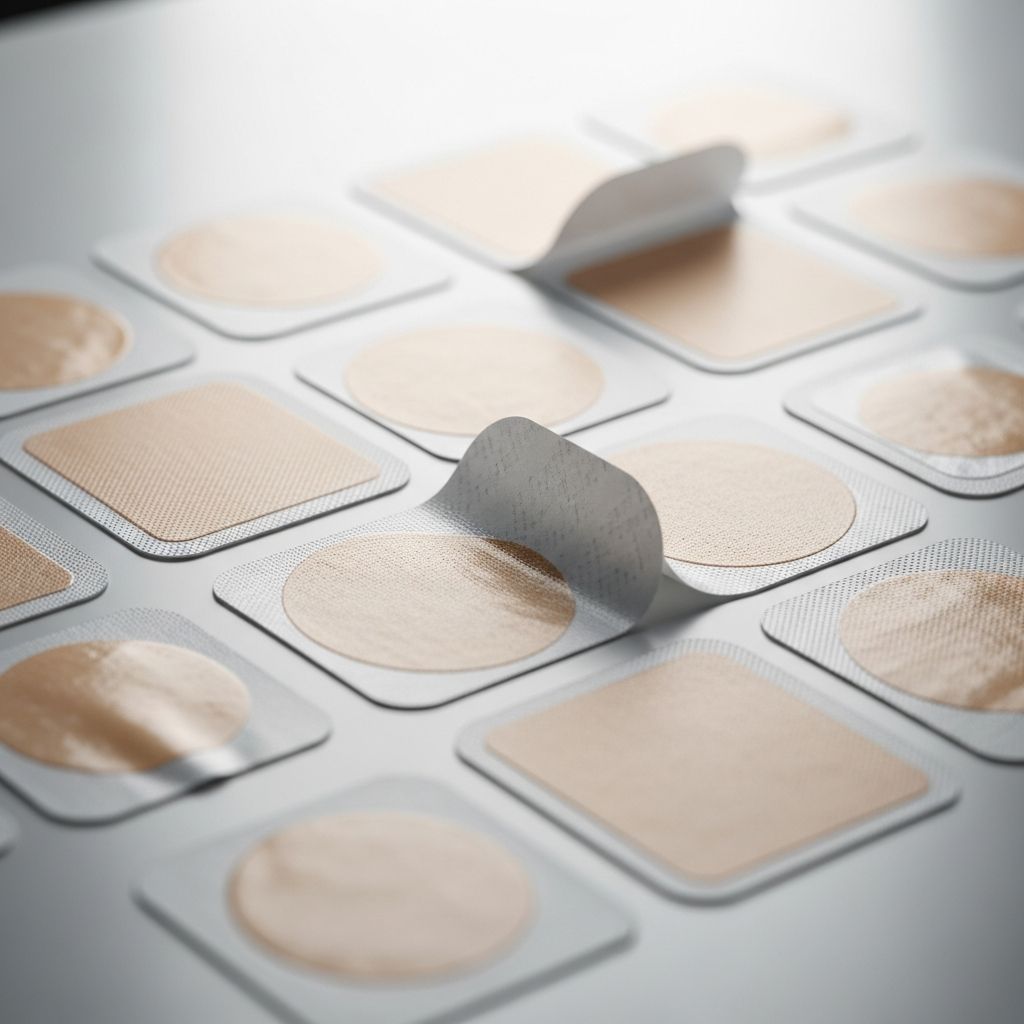
Transdermal skin patches represent a modern advancement in drug delivery, allowing medications to pass through the skin directly into the bloodstream for sustained therapeutic effects. This method offers consistent dosing while minimizing gastrointestinal issues common with oral medications.
Understanding Transdermal Drug Delivery
The core principle of transdermal patches involves the skin acting as a permeable barrier through which active pharmaceutical ingredients (APIs) diffuse into systemic circulation. Unlike topical creams that target local areas, transdermal systems provide whole-body effects by bypassing the digestive tract and first-pass liver metabolism, which can degrade up to 90% of some drugs.
This delivery route ensures higher bioavailability, meaning more of the medication reaches its intended site of action. Patches maintain steady plasma levels over hours or days, reducing peaks and troughs that lead to side effects or reduced efficacy.
Key Advantages of Skin Patches
Skin patches provide multiple benefits that enhance patient compliance and outcomes:
- Controlled Release: Patches deliver drugs at a predetermined rate, preventing under- or overdosing and ensuring therapeutic consistency.
- Bypasses First-Pass Effect: Direct skin absorption avoids liver breakdown, improving drug potency and reducing required doses.
- Improved Adherence: Once-daily or weekly application simplifies regimens compared to multiple pills.
- Activity Freedom: Users can shower, exercise, and perform daily tasks without interruption.
- Fewer GI Issues: No stomach upset or nausea from oral intake.
These features make patches ideal for long-term management, with studies showing better memory and daily function in Alzheimer’s patients using rivastigmine patches versus pills.
Types of Transdermal Patches
Patches vary in design to suit different drugs and needs. Here’s a breakdown:
| Type | Description | Advantages | Common Uses |
|---|---|---|---|
| Reservoir | Drug stored in a liquid or gel reservoir with a rate-controlling membrane. | Sustained release; adjustable concentrations. | Pain relievers, hormone therapy. |
| Matrix | Drug embedded in a polymer matrix that releases gradually upon skin contact. | Flexible design; abuse-deterrent; steady levels. | Pain management, cardiovascular drugs. |
| Local-Acting | Delivers drug only to patch site, not systemic. | Targeted relief; minimal side effects. | Shingles pain (lidocaine). |
| Drug-in-Adhesive | Adhesive layer contains the drug for direct release. | Simple, thin profile; comfortable wear. | Nicotine cessation, motion sickness. |
Matrix and drug-in-adhesive types dominate due to manufacturing ease and patient comfort.
Common Medical Applications
Transdermal patches treat diverse conditions by providing reliable delivery:
- Pain Management: Fentanyl and buprenorphine patches offer potent, continuous relief for chronic or cancer pain, blocking signals in the brain.
- Neurological Disorders: Rotigotine (Neupro) for Parkinson’s improves motor symptoms with daily application; rivastigmine for Alzheimer’s enhances cognition.
- Cardiovascular and Hypertension: Steady release for blood pressure control.
- Nicotine Addiction and Smoking Cessation: Gradual nicotine delivery reduces withdrawal.
- ADHD and Motion Sickness: Patches like those for scopolamine prevent nausea; emerging for ADHD.
- Migraine and Angina: Targeted relief options.
Related Stories



Research explores patches for Alzheimer’s prevention via beta-amyloid vaccines and migraine prophylaxis, showing promise in animal models without inflammatory risks of injections.
Safe Application and Usage Guidelines
Proper use maximizes benefits and prevents complications:
- Choose Site: Apply to clean, dry, hairless skin on upper body, hip, or outer arm. Avoid oily, irritated, or scarred areas.
- Prepare Skin: Wash with soap and water; dry thoroughly. Do not use lotions, oils, or powders.
- Apply Patch: Press firmly for 30 seconds. Note start date/time on patch or calendar.
- Duration: Follow prescribed wear time (e.g., 24-72 hours for most; 7 days for some).
- Removal: Peel slowly; fold in half and dispose securely, especially opioids to prevent misuse.
- Rotation: Alternate sites to prevent irritation; wait 1-2 weeks before reusing a spot.
When showering or swimming, most patches are water-resistant but avoid hot baths that increase absorption.
Potential Side Effects and Risks
While effective, patches carry risks if misused:
- Skin Reactions: Redness, itching, or rash at site (common; rotate sites).
- Systemic Effects: Drowsiness, nausea, or dizziness from opioids; hallucinations from rotigotine.
- Overdose Danger: Cutting, chewing, or heating patches (e.g., fentanyl) can release full dose rapidly, causing respiratory failure or death.
- Heat Exposure: Saunas, heating pads increase absorption, risking toxicity.
- Children/Pets: Used patches retain drug; store/discarded safely.
Serious incidents are rare but highlight the need for education. Healthcare settings report errors from improper disposal or application.
Patient Considerations and Who Benefits Most
Patches suit those struggling with pills: elderly, dysphagia patients, or non-adherent individuals. Caregivers prefer them for dementia patients due to ease (70% in studies). Not ideal for acute needs or those with skin allergies.
Consult providers for interactions (e.g., opioids with sedatives) or conditions like fever that alter skin permeability.
Future Innovations in Patch Technology
Ongoing research expands applications: smart patches with sensors for real-time monitoring, microneedle-enhanced absorption for faster onset, and personalized dosing via nanotechnology. Dermocosmetic patches deliver vitamins like niacinamide for skin barrier repair. These could transform chronic care, making treatments more precise and user-friendly.
Frequently Asked Questions (FAQs)
What if a patch falls off?
Replace with a new one and note time; do not reapply the old. Adjust next dose per prescriber.
Can I cut patches in half?
No—most release all drug at once if damaged, risking overdose.
Are patches safe during pregnancy?
Discuss with doctor; some like nicotine are used but monitored.
How do I dispose of used patches?
Fold sticky sides together, flush opioids, or use disposal systems.
Do patches work for everyone?
Absorption varies by skin type, age, and site; effectiveness confirmed in trials.
References
- Top 10 Benefits of Transdermal Patches — Adhex Pharma. 2023. https://www.adhexpharma.com/blog/top-10-benefits-of-transdermal-patches
- Patched Up: Benefits and Risks of Medicated Skin Patches — Brain & Life. 2007-05-01. https://www.brainandlife.org/articles/patched-up
- Transdermal Patches 101: What They Are, How They Work & Why Patients Like Them — ARx, LLC. 2023. https://arxpharma.com/transdermal-patches-101-what-they-are-how-they-work-why-patients-like-them/
- What are Transdermal Patches? Types & Manufacturing — Strouse. 2023. https://www.strouse.com/blog/what-are-transdermal-patches-types
- Dermocosmetic Patches: Uses and Benefits — Amarin Technologies. 2023. https://amarintech.com/dermocosmetic-patches-uses-and-benefits/
- Transdermal Medications — StatPearls, NCBI Bookshelf, NIH. 2023-07-17. https://www.ncbi.nlm.nih.gov/books/NBK556035/
- Buprenorphine Patches: Uses & Side Effects — Cleveland Clinic. 2023. https://my.clevelandclinic.org/health/drugs/19797-buprenorphine-patches
- Using Transdermal Patches Safely in Healthcare Settings — SPS NHS. 2023. https://www.sps.nhs.uk/articles/using-transdermal-patches-safely-in-healthcare-settings/
Similar Articles








Read full bio of medha deb