Transient Ischemic Attack: Recognize Symptoms, Prevent Stroke
Understand transient ischemic attacks, their warning signs, risk factors, and steps to prevent a full stroke effectively.
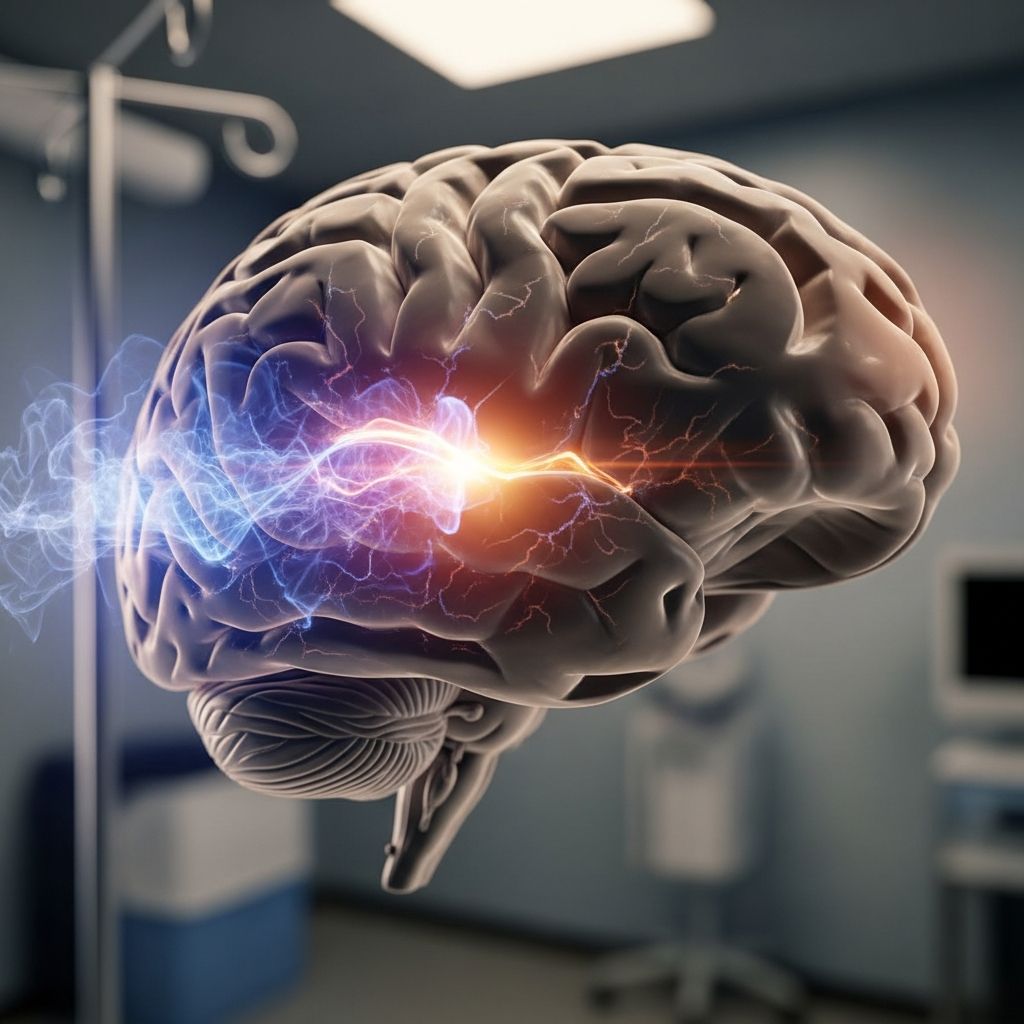
A transient ischemic attack, commonly known as a TIA or mini-stroke, represents a brief episode where blood flow to part of the brain is interrupted, causing stroke-like symptoms that resolve quickly, often within minutes to hours. Unlike a full stroke, it does not typically cause permanent damage, but it signals a high risk of an impending major stroke, with studies indicating up to 15% of strokes follow a TIA.
Why TIAs Occur: Unpacking the Mechanisms
TIAs happen when a blood clot or narrowed artery temporarily blocks oxygen-rich blood from reaching brain tissue. The primary culprit is often atherosclerosis, where fatty plaques build up in arteries, particularly the carotid arteries supplying the brain. This temporary blockage resolves as the clot dislodges or blood finds an alternate path, but it leaves the brain vulnerable.
Other triggers include irregular heart rhythms like atrial fibrillation, which can spawn clots that travel to the brain, or small vessel disease from chronic high blood pressure. Rarely, TIAs stem from blood disorders or severe dehydration. Understanding these mechanisms is crucial, as they guide targeted prevention.
Recognizing TIA Symptoms: Act Fast
Symptoms of a TIA mirror those of a stroke and appear suddenly. Common signs include:
- Sudden numbness or weakness, especially on one side of the face, arm, or leg.
- Confusion, trouble speaking, or understanding speech.
- Vision loss in one or both eyes, or double vision.
- Dizziness, loss of balance, or coordination problems.
- Severe headache with no known cause.
- Trouble walking, swallowing, or sensory changes like tingling.
These effects typically last less than 24 hours, but even brief episodes demand immediate attention. Use the FAST test: Face drooping, Arm weakness, Speech difficulty, Time to call emergency services.
Risk Factors That Heighten Vulnerability
Certain factors elevate TIA likelihood, many modifiable through lifestyle. Key risks include:
| Risk Factor | Description | Impact |
|---|---|---|
| Age over 55 | Risk doubles every decade after 55. | Artery hardening accelerates with time. |
| High blood pressure | Damages vessel walls, promoting clots. | Leading modifiable risk. |
| Diabetes | Accelerates atherosclerosis. | Increases small vessel damage. |
| High cholesterol | Fuels plaque buildup. | Directly contributes to blockages. |
| Smoking | Harms vessels and promotes clotting. | Doubles stroke risk. |
| Atrial fibrillation | Irregular heartbeat forms clots. | Requires specific anticoagulants. |
Family history, obesity, and sedentary lifestyle compound these risks. Stress and negative emotions may also play a role, though more research is needed.
Diagnosis: Pinpointing the Cause Swiftly
If TIA is suspected, especially within 48 hours, hospital admission is standard for monitoring and tests. Diagnostic tools include:
- Brain imaging: CT or MRI to rule out stroke and assess damage.
- Vascular studies: Ultrasound, CT angiography, or MR angiography to check carotid arteries.
- Heart evaluation: ECG for atrial fibrillation, echocardiogram for clots.
- Blood tests: For cholesterol, diabetes, clotting disorders.
These identify the blockage source, enabling precise intervention. Early diagnosis dramatically cuts stroke risk.
Related Stories



Treatment Strategies: Halting Progression to Stroke
TIA treatment prioritizes preventing full strokes through medications, lifestyle shifts, and sometimes surgery. Immediate care often starts with aspirin to thwart clot formation.
Medications: The First Line of Defense
Antiplatelet drugs like aspirin, clopidogrel (Plavix), or dipyridamole prevent platelets from clumping. Aspirin is favored for its low cost and side effects; combinations like ticagrelor with aspirin may be used short-term.
Anticoagulants such as heparin (short-term), warfarin, or DOACs (apixaban, rivaroxaban) suit atrial fibrillation cases by targeting clotting proteins.
Blood pressure meds (ACE inhibitors, beta-blockers), statins (atorvastatin), and diabetes control agents address underlying issues.
Surgical and Procedural Options
For severe carotid stenosis, carotid endarterectomy removes plaque surgically. Endovascular options like angioplasty with stenting widen arteries via catheter, ideal when surgery risks are high.
Lifestyle Overhaul: Your Strongest Ally
Medications alone aren’t enough; sustained changes slash recurrence risk:
- Quit smoking: Halts vessel damage immediately.
- Diet: Emphasize fruits, vegetables, whole grains; limit salt, fats.
- Exercise: 150 minutes moderate activity weekly, plus strength training.
- Weight management: Target healthy BMI.
- Alcohol moderation: Limit to 1-2 drinks daily.
Regular check-ups monitor progress and adjust treatments.
TIA vs. Stroke: Critical Differences
| Aspect | TIA | Stroke |
|---|---|---|
| Duration | Minutes to <24 hours | Hours to permanent |
| Damage | No lasting brain injury | Potential permanent deficits |
| Risk After | High short-term stroke chance | N/A |
| Treatment Urgency | Immediate evaluation | Clot-busting within hours |
Long-Term Outlook and Prognosis
With prompt treatment, many avoid strokes; risk peaks in days post-TIA but drops with intervention. Ongoing management yields excellent outcomes, emphasizing vigilance.
Frequently Asked Questions (FAQs)
What should I do if I suspect a TIA?
Call emergency services immediately. Time-sensitive evaluation prevents strokes.
Can TIAs cause permanent damage?
Rarely, as symptoms resolve, but they warn of potential future strokes.
How effective is aspirin after TIA?
It reduces clot risk significantly; often first prescribed.
Is surgery always needed for TIA?
No, only for significant carotid blockages.
Can lifestyle changes alone prevent strokes post-TIA?
They help greatly but pair with meds for best results.
Empowering Prevention: Steps Forward
Monitor blood pressure, cholesterol, and blood sugar routinely. Educate family on FAST signs. TIAs are actionable warnings—seize them to safeguard brain health long-term. Consult providers for personalized plans.
References
- Transient Ischemic Attack | Peter O’Donnell Jr. Brain Institute — UT Southwestern Medical Center. 2023. https://utswmed.org/conditions-treatments/transient-ischemic-attack/
- Transient ischemic attack — MedlinePlus, U.S. National Library of Medicine. 2024-10-01. https://medlineplus.gov/ency/article/000730.htm
- Transient ischemic attack (TIA) – Diagnosis and treatment — Mayo Clinic. 2024. https://www.mayoclinic.org/diseases-conditions/transient-ischemic-attack/diagnosis-treatment/drc-20355684
- Transient Ischemic Attack (TIA): Symptoms & Treatment — Brigham and Women’s Hospital. 2023. https://www.brighamandwomens.org/neurosurgery/cerebrovascular/stroke/transient-ischemic-attack
- Transient ischaemic attack (TIA) – Treatment — NHS. 2024. https://www.nhs.uk/conditions/transient-ischaemic-attack-tia/treatment/
- TIA (Transient Ischemic Attack): Symptoms & Treatment — Cleveland Clinic. 2024-02-12. https://my.clevelandclinic.org/health/diseases/14173-transient-ischemic-attack-tia-or-mini-stroke
Similar Articles








Read full bio of medha deb