Transient Lingual Papillitis: Causes, Types & Treatment
Understanding lie bumps: causes, symptoms, variants, and effective management strategies.
Transient Lingual Papillitis: An Overview
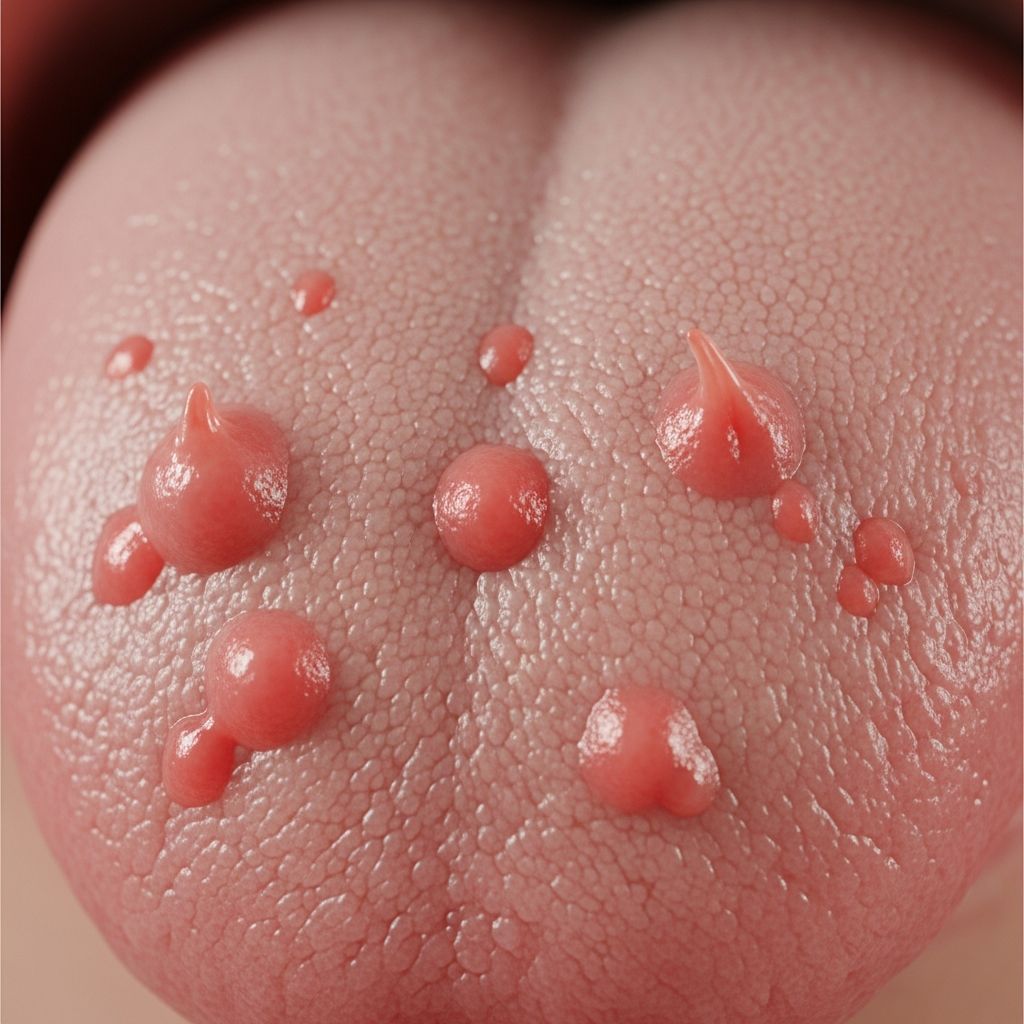
Transient lingual papillitis, commonly known as “lie bumps” or “liar’s tongue,” is a widespread inflammatory condition that affects the fungiform papillae on the tongue’s surface. Fungiform papillae are small, specialized structures containing taste buds and temperature receptors that are concentrated toward the tip of the tongue but distributed across the top and sides. This condition is characterized by the development of small, painful red or white bumps that cause localized inflammation and discomfort. The term “lie bumps” originates from an old superstition suggesting that these lesions only appear when someone tells a lie, though this has no scientific basis.
The classic form of transient lingual papillitis affects over 50% of the population at some point in their lives. While it can occur in all age groups, research indicates it appears most common in young women. The condition is not serious and typically resolves without intervention within a short timeframe. Despite its prevalence and benign nature, understanding the various presentations, triggers, and management strategies can help individuals address symptoms effectively and distinguish between different clinical variants.
Epidemiology and Prevalence
Transient lingual papillitis represents one of the most common oral mucosal conditions encountered in clinical practice. The classic form affects the majority of the population, making it a nearly universal experience across different demographics. While traditionally considered more prevalent in young women, contemporary observations suggest that the condition affects individuals regardless of age, gender, or socioeconomic status.
The condition’s high prevalence reflects the multiple potential triggers that individuals encounter in daily life, ranging from minor oral trauma to dietary factors and stress-related mechanisms. Understanding this epidemiological pattern is essential for healthcare providers and patients alike, as it normalizes the experience and emphasizes that the condition, while uncomfortable, requires no specialized intervention in most cases.
Types and Clinical Presentations
Transient lingual papillitis manifests in several distinct clinical variants, each with characteristic presentations and associated symptoms. Understanding these variations is crucial for accurate diagnosis and appropriate management.
Classic Form of Transient Lingual Papillitis
The classic form represents the most common presentation of this condition. It typically presents as a single painful, raised bump that is either red or white in color, usually located toward the tip of the tongue. This variant characteristically lasts for 1-2 days before spontaneously resolving. Unlike other forms, the classic presentation involves no associated systemic illness or lymph gland enlargement. Patients may experience recurrence weeks, months, or even years after the initial episode. Less frequently, patients report multiple lesions rather than a single bump, which may disappear within hours or persist for several days. Some cases present with associated burning or tingling sensations. Uncommonly, lesions may not produce any symptoms at all.
Eruptive Lingual Papillitis
Eruptive lingual papillitis represents a more significant clinical presentation, typically affecting children and constituting a systemic illness. This variant is characterized by a sudden onset and is often accompanied by fever and lymph gland enlargement. Affected individuals commonly refuse food due to discomfort and produce excessive salivation. The clinical presentation includes enlarged, inflamed fungiform papillae located on the tip and sides of the tongue but notably absent from the upper surface. These papillae may resemble pustules in appearance. Angular cheilitis, characterized by inflammation at the corners of the mouth, may also be observed. The condition typically presents with red and white bumps, and affected children may suddenly experience drooling and loss of appetite. This variant may spread to other individuals, suggesting a possible infectious etiology.
Related Stories



Papulokeratotic Variant
The papulokeratotic variant presents a distinctly different clinical picture from other forms of transient lingual papillitis. Rather than painful acute lesions, this variant features recurrent multiple white bumps distributed across the tongue that characteristically do not cause any symptoms. These lesions may persist longer than classic presentations and tend to recur. Histopathological examination reveals severe hyperparakeratosis and mild chronic inflammation. This variant covers the entire tongue with white and yellow bumps, and unlike other forms, patients experience no accompanying symptoms.
Transient U-Shaped Lingual Papillitis
Transient U-shaped lingual papillitis represents a distinctive presentation that involves enlargement of the tongue, a condition known as macroglossia. This variant has gained clinical attention recently due to its association with COVID-19. It is reported to be the most common oral mucosal change observed in patients with severe acute respiratory syndrome coronavirus 2 (SARS-CoV-2) infection. The pathophysiology may involve direct SARS-CoV-2 infection of the oral mucosa or secondary factors such as poor oral hygiene or oxygen therapy administered during hospitalization.
Etiology and Triggering Factors
The precise etiology of transient lingual papillitis remains incompletely understood, though multiple potential triggers have been identified. Local irritation or trauma to fungiform papillae represents the most likely primary cause. However, numerous other factors may contribute to the development of this condition across different individuals.
Common Triggering Factors
- Mechanical trauma from tongue biting or accidental injury
- Stress and emotional tension
- Viral infections
- Hormonal fluctuations related to menstrual cycles, pregnancy, or other endocrine changes
- Food allergies and adverse food reactions
- Atopic dermatitis and other allergic conditions
- Friction from dental appliances including braces, retainers, and dentures
- Oral whitening products and aggressive whitening treatments
- Acidic foods and beverages
- Sugary foods and drinks
- Inflammatory responses triggered by stress, sleep deprivation, or inadequate nutrition
- Cold sores and other oral herpes simplex manifestations
- Asthma and related respiratory conditions
- Tobacco smoking
- Gastrointestinal upset
- Specific foods known to trigger contact dermatitis, such as cinnamon and chili peppers
Clinical Presentation and Symptoms
Symptomatology in transient lingual papillitis varies significantly depending on the clinical variant. Patients typically report onset of noticeable bumps on the tongue surface that range from mildly uncomfortable to significantly painful.
Classic Presentation Symptoms
- Single or multiple small red or white bumps on the tongue surface
- Pain and discomfort localized to affected areas
- Swelling of involved papillae
- Itching sensations
- Tingling or burning sensations
- Sensation resembling “pimples” on the tongue
- Absence of systemic symptoms like fever or malaise
Symptoms Associated with Other Variants
Eruptive lingual papillitis presents with additional systemic manifestations including fever, swollen lymph nodes, reluctance to eat due to pain, and excessive drooling. The U-shaped variant involves tongue enlargement (macroglossia). The papulokeratotic variant, conversely, typically produces no symptoms despite the presence of visible lesions.
Diagnosis
Transient lingual papillitis and eruptive lingual papillitis are typically diagnosed clinically based on characteristic presentation and patient history. Healthcare providers generally assess the condition through visual examination and patient-reported symptoms. The classic presentation of a single or few painful red or white bumps on the tongue, typically localized to the anterior two-thirds or tip of the tongue, is usually sufficient for diagnosis without further testing.
Mucosal biopsy represents an option for confirming the diagnosis histologically, revealing inflammation and swelling of affected fungiform papillae. However, biopsy is not routinely necessary for clinical management. Special staining techniques fail to detect viral, fungal, or bacterial infectious organisms. In the papulokeratotic variant, biopsy shows severe hyperparakeratosis with mild chronic inflammation. Diagnosis becomes important primarily to exclude other conditions and confirm the benign nature of the lesions, particularly when lesions persist or present atypically.
Treatment and Management Strategies
Treatment approaches for transient lingual papillitis depend on the specific variant and symptom severity. The classic form typically requires no specific treatment, as the condition spontaneously resolves within hours or days.
Conservative Management Approaches
- Warm saltwater rinses to promote healing and reduce inflammation
- Over-the-counter pain relievers including acetaminophen or ibuprofen
- Avoidance of irritating substances including spicy foods, acidic or sugary foods and beverages, and irritating dental products
- Cold drinks, ice chips, and popsicles to soothe inflammation
- Consumption of soothing foods such as yogurt and mint leaves
- Topical mucosal treatments such as Zilactin that protect lesions from friction and further irritation
- Over-the-counter topical anesthetics and corticosteroids to reduce pain and swelling
Preventive and Supportive Measures
- Maintenance of good oral hygiene through regular tooth brushing and gentle tongue cleaning
- Consumption of nutritious foods to prevent digestive problems that may trigger recurrence
- Adequate hydration to maintain mucosal health
- Use of antiseptic mouthwash to prevent secondary bacterial infection
- Identification and avoidance of personal triggers
Pharmacological Treatment for Other Variants
For presentations beyond the classic form, healthcare providers may recommend additional pharmacological interventions:
- Anti-inflammatory medications and corticosteroids to reduce inflammation
- Antiseptic agents to prevent infection
- Antiviral medications to address viral etiology when present
- Antihistamines for management of allergic reactions
- Asthma treatments including inhalers and bronchodilators when associated with respiratory conditions
Prognosis and Timeline
The prognosis for transient lingual papillitis is universally favorable. Classic presentations typically resolve within 1-2 days without intervention. Some lesions may disappear within hours, while others may persist for several days. Eruptive lingual papillitis generally takes longer to resolve, potentially requiring up to two weeks. The papulokeratotic variant tends to be more persistent and recurrent.
Recurrence is common, particularly in individuals who do not identify and avoid their specific triggers. Episodes may recur weeks, months, or years after initial presentation. Once resolved, lesions typically leave no scarring or permanent sequelae.
When to Seek Medical Attention
While transient lingual papillitis is generally benign and self-limiting, certain situations warrant professional evaluation. Individuals should contact a healthcare provider if tongue lesions persist beyond two weeks, if symptoms are accompanied by severe systemic illness, if lesions expand to involve other oral structures, or if patients are unable to eat or maintain adequate nutrition due to pain. Additionally, seeking evaluation helps exclude other more serious conditions presenting with similar tongue manifestations.
Frequently Asked Questions
Q: Is transient lingual papillitis contagious?
A: The classic form is not contagious. However, eruptive lingual papillitis, which may have a viral etiology, can potentially spread to other individuals.
Q: Can lie bumps be prevented?
A: While complete prevention is not always possible, avoiding known personal triggers such as specific foods, maintaining good oral hygiene, managing stress, and being mindful of oral trauma may reduce frequency and severity.
Q: Should I see a doctor for transient lingual papillitis?
A: Most cases resolve spontaneously without medical intervention. However, consultation is recommended if bumps persist beyond two weeks or are accompanied by systemic symptoms.
Q: What is the fastest way to treat lie bumps?
A: Warm saltwater rinses, over-the-counter pain relievers, topical anesthetics, and avoiding irritating foods provide symptomatic relief. Cold foods and ice chips can also soothe inflammation.
Q: Are lie bumps the same as canker sores?
A: No. Transient lingual papillitis involves swollen taste buds (papillae) typically without ulceration, while canker sores are ulcerative lesions with different underlying causes and treatment approaches.
Q: Can COVID-19 cause tongue bumps?
A: Yes. Transient U-shaped lingual papillitis has been reported as the most common oral mucosal change in COVID-19 patients, possibly due to direct SARS-CoV-2 infection or secondary factors such as poor oral hygiene or oxygen therapy.
Q: Do lie bumps require any special treatment?
A: The classic form typically requires no specific treatment. Supportive care such as saltwater rinses and pain management are sufficient for most cases.
References
- Transient Lingual Papillitis: Causes, Symptoms, & Treatment — WebMD. Accessed January 2026. https://www.webmd.com/oral-health/transient-lingual-papilitis
- Transient Lingual Papillitis (Lie Bumps): Causes & Treatment — Cleveland Clinic. Accessed January 2026. https://my.clevelandclinic.org/health/diseases/transient-lingual-papillitis-lie-bumps
- Transient Lingual Papillitis — DermNet. Accessed January 2026. https://dermnetnz.org/topics/transient-lingual-papillitis
- Lie Bumps: Symptoms, Causes, and Treatment — Medical News Today. Accessed January 2026. https://www.medicalnewstoday.com/articles/320275
- Lie Bumps (Transient Lingual Papillitis) — Healthline. Accessed January 2026. https://www.healthline.com/health/lie-bumps
- Transient Lingual Papillitis: Location, Symptoms And Treatment — Colgate. Accessed January 2026. https://www.colgate.com/en-us/oral-health/adult-oral-care/transient-lingual-papillitis-location-symptoms-and-treatment
- Transient Lingual Papillitis Lie Bumps on Tongue — Osmosis. Accessed January 2026. https://www.osmosis.org/answers/transient-lingual-papillitis
Similar Articles








Read full bio of medha deb