Transient Tachypnea of the Newborn: Causes, Symptoms, and Treatment
Understanding TTN: A common, self-limited respiratory condition affecting newborns.

Understanding Transient Tachypnea of the Newborn
Transient tachypnea of the newborn (TTN) is a common, self-limited respiratory condition that affects newborns shortly after birth. The term “transient” means temporary, while “tachypnea” refers to rapid or fast breathing. This condition typically affects term and late preterm infants and usually presents within the first one to two hours of life. TTN is the most common cause of neonatal respiratory distress, accounting for more than 40 percent of cases in newborns experiencing breathing difficulties. The condition is generally considered benign and mild, with most infants recovering completely within 24 to 72 hours without any long-term consequences.
What Causes Transient Tachypnea of the Newborn?
TTN results from the delayed clearance of fetal lung fluid after birth. Before birth, a baby’s lungs are filled with fluid rather than air. During pregnancy and labor, this fluid serves an important purpose in lung development. As the fetus prepares for birth, hormonal changes trigger the beginning of fluid reabsorption from the lungs. When the baby passes through the birth canal during vaginal delivery, additional mechanical compression helps expel more of this fluid from the airways.
After delivery, as the newborn takes their first breaths and pulmonary circulation increases, prostaglandins are released that dilate lymphatic vessels to remove remaining lung fluid. However, when this reabsorption process is delayed or incomplete, residual fluid remains in the alveoli and interstitium of the lungs. This retained fluid impairs gas exchange and decreases pulmonary compliance, forcing the infant to breathe faster and harder to obtain adequate oxygen.
The underlying mechanism involves a critical physiologic shift in the pulmonary epithelium. Normally, before birth, the lung epithelium secretes chloride into the alveolar spaces. After birth, this process reverses, with the epithelium actively reabsorbing sodium from the alveolar fluid, which draws water out of the lungs through osmosis. In premature infants, one causative factor is the immaturity of sodium channels in lung epithelial cells, which are responsible for absorbing sodium and thus water from the alveoli.
Risk Factors for Transient Tachypnea of the Newborn
Several factors increase the likelihood that an infant will develop TTN:
Cesarean Delivery Without Labor: Infants delivered via cesarean section, particularly without preceding labor, have significantly higher risk. The absence of labor leads to reduced alveolar resorption and reduced mechanical compression of the chest during passage through the birth canal, both of which normally facilitate fluid clearance.
Prematurity: Late preterm infants (born between 34 and 36 weeks gestation) have increased risk due to the immaturity of their respiratory system and the lung epithelial sodium channels responsible for fluid reabsorption.
Maternal Diabetes: Maternal diabetes mellitus is an established risk factor for TTN development in newborns.
Other Risk Factors: Additional risk factors include maternal asthma, male sex, and fetal macrosomia (excessive birth weight).
Recognizing the Symptoms of TTN
Infants with transient tachypnea of the newborn typically present with mild to moderate respiratory distress shortly after birth. Parents and healthcare providers should watch for the following signs and symptoms:
Rapid Breathing (Tachypnea): The most characteristic symptom is a breathing rate exceeding 60 breaths per minute. This rapid breathing is the infant’s compensatory mechanism to obtain sufficient oxygen through the lungs containing residual fluid.
Retractions: Infants may display intercostal retractions (indentations between the ribs) or subcostal retractions (indentations below the rib cage) as they work harder to breathe.
Nasal Flaring: The nostrils may widen during inhalation as the baby attempts to increase airflow into the lungs.
Grunting: A grunting sound may be heard during breathing, particularly during exhalation, as the infant tries to keep the airways open.
Bluish Skin Color: In some cases, mild cyanosis (a bluish tint to the skin) may occur, though TTN is generally not associated with severe hypoxemia.
Related Stories



Most infants with TTN do not present with severe respiratory distress or significant hypoxemia. Symptoms typically begin within the first one to two hours of life and gradually improve over the following 24 to 72 hours.
How Is Transient Tachypnea Diagnosed?
Diagnosis of TTN is primarily clinical, based on the characteristic presentation of respiratory distress in a newborn shortly after birth, combined with specific imaging findings. Healthcare providers use several diagnostic approaches:
Clinical Presentation: The diagnosis is suspected when a newborn develops typical respiratory distress symptoms within the first hours of life. The healthcare team will take a detailed history, including delivery method, maternal risk factors, and the timing of symptom onset.
Chest Radiography: Chest X-rays are commonly used to confirm the diagnosis and help distinguish TTN from other serious respiratory conditions such as respiratory distress syndrome, pneumonia, or neonatal sepsis. TTN typically shows characteristic findings on chest imaging, including hyperinflation, fluid in the interstitial spaces, and fluid in the fissures between lung lobes.
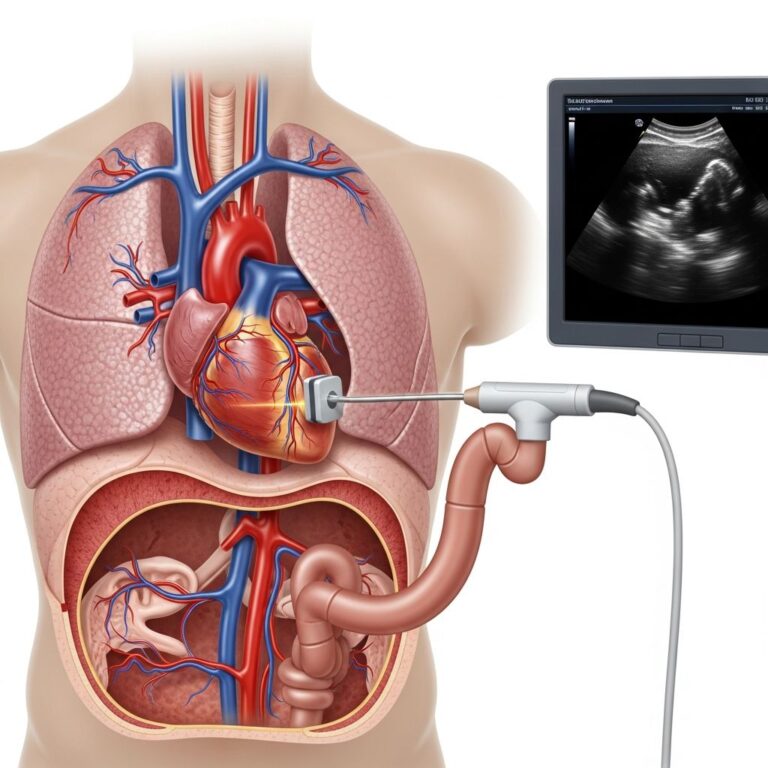
Lung Ultrasound: Lung ultrasound is an emerging imaging modality that can assist in distinguishing TTN from other causes of neonatal respiratory distress.
Blood Tests and Monitoring: Blood tests may be performed to measure blood oxygen levels and rule out infection or other metabolic abnormalities. Continuous pulse oximetry monitoring helps healthcare providers track oxygen saturation levels.
Treatment and Management of TTN
Although transient tachypnea of the newborn is a self-limited condition that resolves on its own, treatment focuses on supporting the infant’s breathing, maintaining adequate oxygenation, and providing comfort while the condition resolves naturally.
Supportive Care
The primary approach to managing TTN is supportive care, which may include the following components:
Supplemental Oxygen: Many infants with TTN require supplemental oxygen to maintain adequate blood oxygen levels. Oxygen can be delivered through various methods, including an oxygen hood placed over the baby’s head, nasal prongs (nasal cannula) placed in the nostrils, or a mask over the face. The amount of oxygen required is carefully monitored and adjusted based on the infant’s oxygen saturation levels.
Monitoring: Close monitoring of vital signs, oxygen saturation, and respiratory rate is essential. Healthcare providers use pulse oximetry to continuously track oxygen levels and may periodically check arterial blood gases to assess ventilation and oxygenation more precisely.
Nutritional Support: Babies with TTN who are breathing rapidly may be unable to safely take oral feedings due to the increased risk of aspiration (breathing food into the lungs). Temporary nutritional support may be provided through intravenous (IV) fluids for hydration and nutrition. Once the respiratory distress improves and the breathing rate decreases sufficiently, tube feeding or resumption of oral feeding may be possible.
Advanced Respiratory Support
While many cases of TTN resolve with minimal intervention, some infants require more advanced respiratory support:
Continuous Positive Airway Pressure (CPAP): CPAP is a noninvasive respiratory support system that delivers a continuous flow of air or oxygen to the airways, helping keep the tiny air passages in the lungs open and facilitating the clearance of retained lung fluid. CPAP can reduce respiratory distress and help maintain adequate oxygenation while also potentially shortening the duration of tachypnea.
High-Flow Nasal Cannula: This noninvasive respiratory support method delivers oxygen at higher flow rates than standard nasal cannulas, providing additional respiratory support while still allowing some mobility and parent-infant interaction.
Mechanical Ventilation: In rare cases where infants do not respond adequately to other supportive measures, mechanical ventilation may be necessary, though this is uncommon in TTN.
Medications
Most medications have not been shown to provide significant benefit in TTN. Oral furosemide (Lasix), a diuretic medication, has not been shown to significantly improve outcomes and is not recommended. However, some research suggests that bronchodilators may slightly reduce the duration of tachypnea or hospital stay in certain cases.
Prevention of Transient Tachypnea
While TTN cannot always be prevented, certain measures may reduce the risk in specific situations. Research has demonstrated that prenatal administration of corticosteroids given 48 hours before elective cesarean delivery at 37 to 39 weeks’ gestation reduces the incidence of TTN; however, this practice has not become common in routine clinical care.
What to Expect During Hospital Stay
Most infants with TTN require admission to a special care nursery or neonatal intensive care unit (NICU) for close monitoring and supportive care. The duration of hospitalization typically ranges from one to three days, with most infants showing significant improvement within 24 to 48 hours. Infants usually require the most respiratory support within the first few hours after birth and gradually improve thereafter.
Hospital admission allows healthcare providers to continuously monitor the infant’s vital signs, oxygen saturation, and feeding tolerance. Parents should expect temporary separation from their baby during this period and a possible delay in initiating breastfeeding until the infant’s respiratory status stabilizes sufficiently to safely coordinate breathing and swallowing.
Long-Term Outlook and Prognosis
The prognosis for infants with transient tachypnea of the newborn is excellent. Once the condition resolves, most infants recover completely and quickly without any long-term consequences. However, some research suggests that infants who experience TTN may have a slightly increased risk of developing wheezing or asthma later in childhood, though this is not universal.
After discharge from the hospital, most infants with TTN develop normally and do not experience ongoing respiratory problems related to their TTN episode. Parents should follow up with their pediatrician for routine well-child visits and developmental screening as recommended.
Parent and Caregiver Support
Caregiver counseling is a crucial component in managing TTN. Healthcare staff should reassure families that TTN is a common and typically mild respiratory condition. Clinicians should explain that the infant’s rapid breathing is due to delayed clearance of lung fluid and that supportive care, such as oxygen, intravenous fluids, or temporary nasogastric feeding, may be needed until the baby can safely resume oral feeding. Staff should inform caregivers that admission to a special care nursery may be necessary for close monitoring, which can result in temporary separation and a delay in initiating breastfeeding.
Members of the healthcare team should encourage questions and provide ongoing communication, reassurance, and support throughout the infant’s hospital stay. Understanding the temporary nature of the condition and the effectiveness of supportive care can help reduce parental anxiety and stress during this challenging period.
Frequently Asked Questions About TTN
Q: How long does transient tachypnea of the newborn last?
A: Most infants with TTN improve within 24 to 48 hours, though some may require support for up to three days. The condition is self-limited and resolves as the retained fetal lung fluid is gradually cleared from the lungs.
Q: Is TTN dangerous or life-threatening?
A: TTN is generally considered a benign, mild condition. While it causes respiratory distress and requires hospitalization for monitoring and supportive care, it is not typically associated with severe hypoxemia or life-threatening complications. Most infants recover completely without long-term effects.
Q: Can transient tachypnea be prevented?
A: While TTN cannot always be prevented, the risk may be reduced in certain situations. Prenatal corticosteroids administered 48 hours before planned cesarean delivery at 37 to 39 weeks may reduce TTN incidence, though this is not routine practice.
Q: Will my baby have feeding difficulties with TTN?
A: Infants with TTN may temporarily be unable to safely feed orally due to rapid breathing and increased aspiration risk. Temporary nutritional support through IV fluids or tube feeding is often provided until respiratory status improves and feeding can resume safely.
Q: Does TTN cause permanent lung damage?
A: No, TTN does not cause permanent lung damage. Once the condition resolves, most infants have completely normal lung function. However, some infants may have a slightly increased risk of wheezing or asthma in childhood.
Q: What is the difference between TTN and respiratory distress syndrome (RDS)?
A: While both conditions cause respiratory distress in newborns, they have different causes. RDS is typically seen in premature infants and results from surfactant deficiency in the lungs. TTN results from delayed clearance of fetal lung fluid and typically affects term or late preterm infants. Imaging findings and clinical presentation differ between the two conditions.
References
- Transient Tachypnea of the Newborn — National Center for Biotechnology Information (NCBI), StatPearls. 2024. https://www.ncbi.nlm.nih.gov/books/NBK537354/
- Transient Tachypnea of the Newborn — University of Rochester Medical Center. https://www.urmc.rochester.edu/encyclopedia/content?contenttypeid=90&contentid=p02420
- Respiratory Distress in the Newborn — American Academy of Family Physicians (AAFP). 2007. https://www.aafp.org/pubs/afp/issues/2007/1001/p987.html
- Transient Tachypnea of the Newborn — Merck Manuals Professional. https://www.merckmanuals.com/professional/pediatrics/respiratory-problems-in-neonates/transient-tachypnea-of-the-newborn
- Transient Tachypnea of the Newborn — Children’s Hospital of Philadelphia. https://www.chop.edu/conditions-diseases/transient-tachypnea-newborn
- Transient Tachypnea – Newborn: MedlinePlus Medical Encyclopedia — National Library of Medicine. https://medlineplus.gov/ency/article/007233.htm
- Transient Tachypnea of the Newborn (TTN) — Children’s Hospital Los Angeles. https://www.childrenshospital.org/conditions/transient-tachypnea-newborn
Similar Articles








Read full bio of medha deb