Transthoracic Echocardiogram (TTE): Heart Imaging Guide
Complete guide to TTE: ultrasound imaging for comprehensive heart health evaluation and diagnosis.
Understanding the Transthoracic Echocardiogram (TTE)
A transthoracic echocardiogram (TTE) is a noninvasive ultrasound test that uses high-frequency sound waves to create detailed images of your heart. It is the most commonly performed type of echocardiogram and provides valuable information about your heart’s structure, chambers, valves, and overall function. Unlike more invasive cardiac imaging procedures, a TTE allows healthcare providers to visualize your heart without any instruments entering your body, making it an ideal first-line diagnostic tool for evaluating cardiac health.
This comprehensive imaging technique enables physicians to assess how well your heart is pumping blood, identify abnormalities in the heart’s structure, and detect causes of cardiac-related symptoms. The test is quick, safe, and produces no radiation exposure, allowing patients to return to their normal activities immediately after the procedure.
What Does a Transthoracic Echocardiogram Show?
The TTE provides a comprehensive view of your heart’s anatomy and function. During the procedure, healthcare providers can visualize:
– All four chambers of your heart (the right atrium, right ventricle, left atrium, and left ventricle)- The four heart valves (tricuspid, pulmonary, mitral, and aortic valves)- The walls of your heart chambers- Blood flow patterns through your heart- The aorta and other nearby blood vessels- The thickness of the heart muscle- Overall cardiac function and efficiency
This detailed visualization helps physicians identify structural abnormalities, assess valve function, and evaluate blood flow patterns.
Clinical Applications and Uses of TTE
Healthcare providers use transthoracic echocardiograms for numerous clinical purposes. The test can evaluate heart health by measuring the heart’s pumping strength, assessing how well blood moves through the heart chambers and valves, detecting fluid around the heart (pericardial effusion), and evaluating the thickness and motion of heart walls.
Diagnosing Specific Conditions
TTE is valuable for screening, diagnosing, and monitoring various cardiac conditions. Healthcare providers commonly order this test to evaluate conditions including:
– Heart valve disease (stenosis or regurgitation)- Cardiomyopathy (enlarged or weakened heart)- Heart failure- Coronary artery disease- Congenital heart defects- Pericarditis or myocarditis (heart inflammation)- Aortic dissection- Cardiac tumors or masses- Blood clots within the heart- Atrial fibrillation complications- Previous myocardial infarction (heart attack)
Identifying Cardiac Symptoms
When patients experience unexplained cardiac symptoms, TTE helps identify underlying causes such as shortness of breath, chest pain, heart palpitations, fainting episodes, unusual heart murmurs, or fatigue disproportionate to activity level.
Types of Echocardiograms: TTE vs. TEE
Two main types of echocardiograms exist for comprehensive cardiac evaluation. The transthoracic echocardiogram (TTE) is noninvasive or minimally invasive, performed on the chest surface without instruments entering your body. The transesophageal echocardiogram (TEE), by contrast, is more invasive because a healthcare provider guides a thin endoscope down your esophagus to position an ultrasound transducer closer to your heart.
TTE is the most common initial approach due to its noninvasive nature and excellent diagnostic capability. TEE may become necessary when a healthcare provider needs clearer or more detailed images than TTE provides, particularly for examining structures at the back of the heart or when TTE images prove inconclusive.
Related Stories



How Echocardiography Works
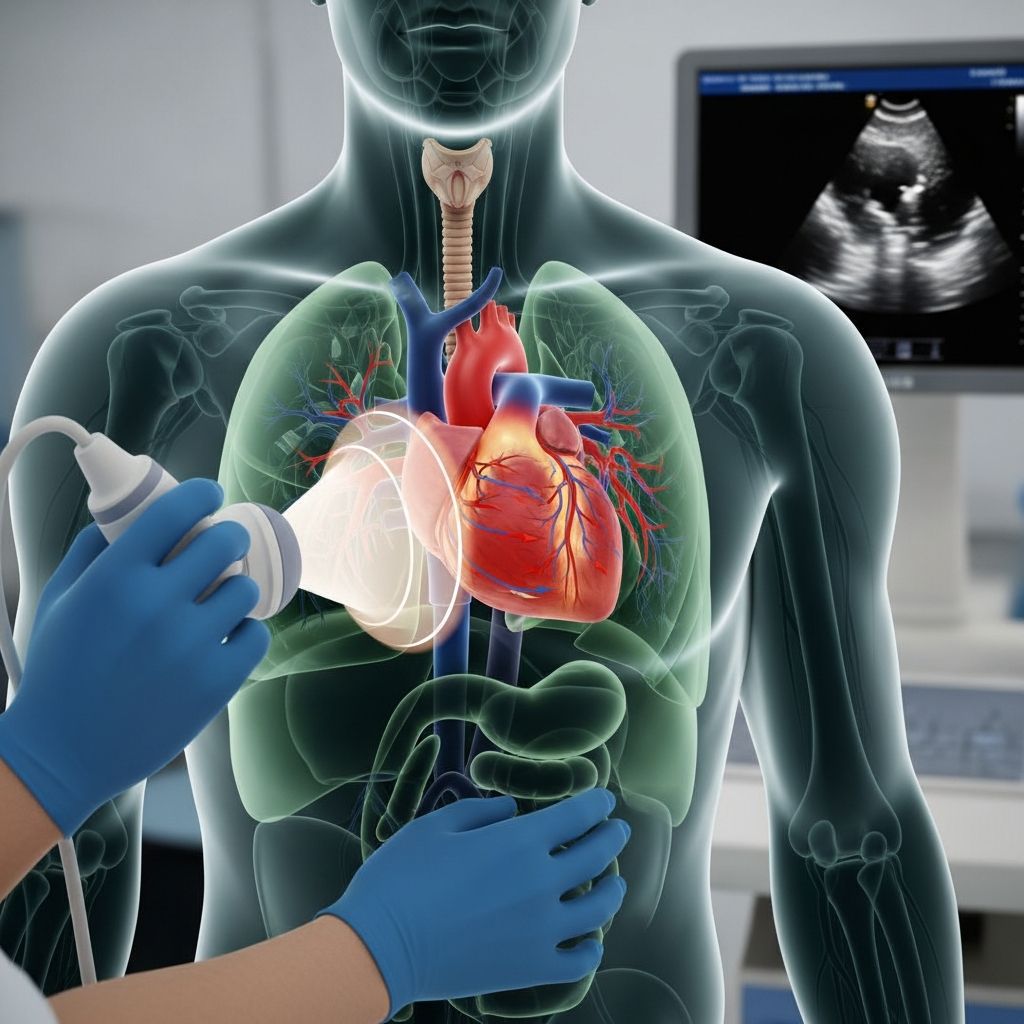
Echocardiography uses advanced ultrasound technology to create detailed cardiac images. During the procedure, a trained sonographer uses a handheld device called a transducer to send high-frequency sound waves through your chest wall into your heart. These sound waves travel through your heart tissue and bounce back, creating “echoes” that return to the transducer.
Sophisticated computer technology processes these echoes and converts them into detailed moving images displayed on a monitor. These real-time images show your heart as it contracts and relaxes throughout the cardiac cycle, providing dynamic visualization of heart structure and function.
Doppler Ultrasound Enhancement
Many echocardiograms incorporate Doppler ultrasound technology, which provides additional diagnostic information. Doppler ultrasound measures the speed and direction of blood flow through your heart chambers and across your heart valves, allowing physicians to assess blood flow patterns and identify abnormalities in how blood moves through the heart.
Preparing for Your Transthoracic Echocardiogram
Preparation for a TTE is straightforward and convenient. You do not need to follow any special preparation instructions. You can eat and drink normally before your test, take all regular medications as prescribed, and continue your usual daily activities up until your appointment.
In some cases, your healthcare provider may decide to inject a contrast dye intravenously before the procedure. This contrast agent enhances the ultrasound images by improving visualization of blood flow through your heart, helping your provider obtain clearer diagnostic information.
What to Expect During the Procedure
A typical transthoracic echocardiogram takes approximately one hour to complete. When you arrive for your appointment, a trained cardiac sonographer will guide you through the procedure. Here is what to expect:
– You will be asked to remove clothing from the waist up and put on a hospital gown that opens in the front- You will lie on an examination table, typically positioned on your left side- The sonographer will apply a clear, water-based gel to your chest area to facilitate sound wave transmission- Sticky electrodes will be placed on your chest to monitor your heart rhythm during the imaging- The sonographer will move the transducer across your chest in various positions to obtain images of different heart structures from multiple angles- You will see moving images of your heart displayed on a monitor- The procedure is painless; you may feel slight pressure as the transducer moves across your chest- The sonographer may ask you to hold your breath briefly or change positions to optimize image quality
Since TTE is a noninvasive procedure, your healthcare provider will not sedate you, allowing you to remain awake and comfortable throughout the test.
After Your Transthoracic Echocardiogram
Once the sonographer has obtained all necessary images, they will remove the ultrasound gel from your chest and detach the electrodes. You can immediately return to your normal activities, including driving yourself home if you drove to the appointment. No recovery period or activity restrictions are necessary.
The cardiac sonographer who performed the test will prepare a detailed report and send it to the healthcare provider who ordered the test. This reporting process typically takes one to two days. Your healthcare provider will then contact you to discuss the results, explain what the findings mean for your health, outline any recommended treatment plan, or indicate whether additional tests are necessary.
Safety and Risks of Transthoracic Echocardiogram
The transthoracic echocardiogram is one of the safest cardiac diagnostic procedures available. There are essentially no risks associated with TTE. The test does not use any ionizing radiation, which eliminates radiation exposure concerns. Unlike procedures requiring electrical stimulation, TTE does not involve electrical currents that could affect your heart rhythm.
The only discomfort you might experience during TTE is a brief pinch if your healthcare provider injects a contrast dye intravenously. This mild sensation passes quickly and is not a serious adverse effect. Overall, TTE provides safe, effective cardiac imaging with virtually no complications for the vast majority of patients.
Who Performs and Orders Transthoracic Echocardiograms
A primary care physician or cardiologist typically orders a transthoracic echocardiogram based on clinical symptoms or findings that warrant cardiac evaluation. A specially trained cardiac sonographer, also called an ultrasound technician, performs the actual test. These professionals receive extensive training in ultrasound technology and cardiac anatomy, enabling them to obtain high-quality diagnostic images and identify significant cardiac findings.
The sonographer analyzes the images during the procedure and sends comprehensive results to the ordering physician, who interprets the findings and communicates results to the patient.
Understanding Your TTE Results
TTE results provide detailed information about your heart’s structure and function. Normal results indicate that your heart chambers, valves, and walls appear structurally normal and function appropriately. Abnormal results might indicate various cardiac conditions requiring further evaluation or treatment.
Your healthcare provider will explain what the results mean for your specific situation, discuss any findings that require attention, and recommend appropriate follow-up care or additional testing if needed. Understanding your results helps you make informed decisions about your cardiac health and participate actively in your treatment plan.
Frequently Asked Questions About TTE
Q: Is a transthoracic echocardiogram painful?
A: No, TTE is painless. You may feel slight pressure from the transducer moving across your chest, but the procedure causes no pain or significant discomfort.
Q: How long does a transthoracic echocardiogram take?
A: A typical TTE takes approximately one hour from start to finish, though the actual imaging portion may take less time depending on image quality and findings.
Q: Can I eat before my TTE?
A: Yes, you can eat, drink, and take medications normally before your TTE. No fasting or special preparation is required.
Q: Is TTE better than an EKG for evaluating heart disease?
A: TTE and EKG (electrocardiogram) provide different information. TTE visualizes heart structure and function, while an EKG records electrical activity. Your healthcare provider may order both tests for comprehensive cardiac evaluation.
Q: How often can I have a TTE?
A: There is no limit to how often you can have a TTE since it uses no radiation. Your healthcare provider may order repeat TTEs to monitor chronic conditions or track response to treatment.
Q: What is the difference between TTE and TEE?
A: TTE is performed on your chest surface and is noninvasive. TEE requires inserting an endoscope down your esophagus and involves sedation. TEE provides more detailed images of certain heart structures, particularly those at the back of the heart.
Q: Can I drive home after my TTE?
A: Yes, since TTE is noninvasive and requires no sedation, you can drive yourself home immediately after the procedure and resume all normal activities.
Conclusion
The transthoracic echocardiogram represents a cornerstone of modern cardiac diagnostic imaging. Its noninvasive nature, safety profile, comprehensive diagnostic capability, and convenience make it the preferred initial test for evaluating cardiac structure and function. Whether your healthcare provider suspects a specific heart condition or simply wants to assess your cardiac health, TTE provides detailed, accurate information to guide clinical decision-making and optimize patient care. By understanding what TTE involves and how it works, you can approach this important diagnostic procedure with confidence and participate actively in your cardiovascular health management.
References
- Transthoracic Echocardiogram (TTE) — Cleveland Clinic. 2025. https://my.clevelandclinic.org/health/diagnostics/13477-echocardiogram-transthoracic-tte
- Transesophageal Echocardiogram (TEE) — Cleveland Clinic. 2025. https://my.clevelandclinic.org/health/diagnostics/4992-echocardiogram-transesophageal-tee
- Echocardiogram: Types & What To Expect — Cleveland Clinic. 2025. https://my.clevelandclinic.org/health/diagnostics/16947-echocardiogram
- Echocardiogram with Strain Imaging — Cleveland Clinic. 2025. https://my.clevelandclinic.org/health/diagnostics/16948-echocardiogram-with-strain-imaging
- A Look at Echocardiography — Cleveland Clinic. 2025. https://my.clevelandclinic.org/podcasts/cardiac-consult/a-look-at-echocardiography
Similar Articles








Read full bio of medha deb