ATTR Amyloidosis and Carpal Tunnel Syndrome
Discover how carpal tunnel syndrome can signal transthyretin amyloidosis, a serious condition affecting the heart and nerves, and learn about diagnosis and treatment options.
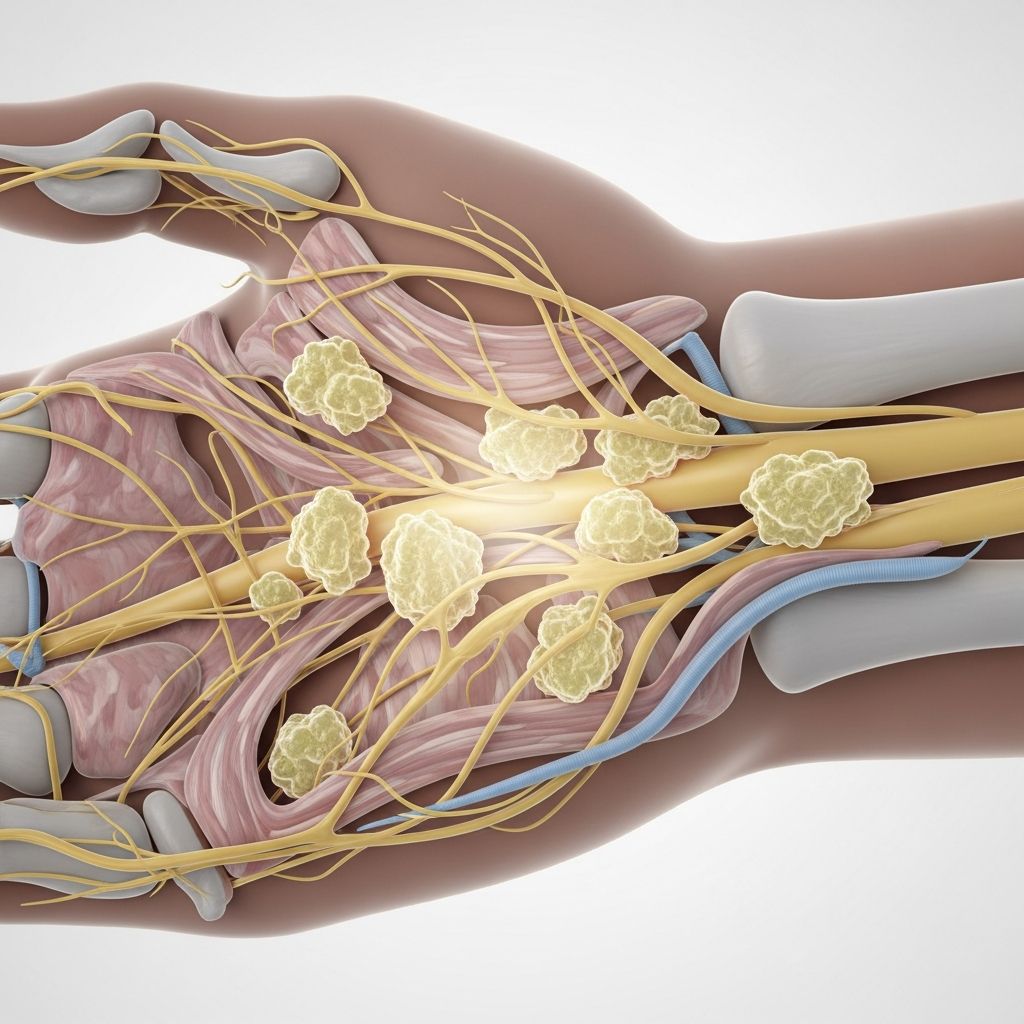
Transthyretin amyloidosis (ATTR) is a rare but progressive disease where misfolded transthyretin (TTR) proteins form amyloid deposits in tissues, leading to organ dysfunction. A key early indicator of ATTR, particularly the cardiac form (ATTR-CM), is
carpal tunnel syndrome (CTS)
, which affects the wrists and hands due to median nerve compression from amyloid buildup in tendons and ligaments.While CTS is common and often attributed to repetitive strain, bilateral CTS—especially in older adults—warrants investigation for underlying ATTR, as it can precede heart involvement by years. Early recognition is critical, as treatments like tafamidis can slow progression and improve survival.
What Is Transthyretin Amyloidosis?
ATTR amyloidosis occurs when the transthyretin protein, normally produced by the liver to transport thyroid hormone and retinol, misfolds into insoluble fibrils that deposit in organs. There are two main types:
- Wild-type ATTR (wtATTR): Age-related, no genetic mutation, primarily affects older men (over 60), targeting the heart.
- Hereditary ATTR (hATTR): Caused by TTR gene mutations, inherited, can affect nerves, heart, and other organs.
Deposits stiffen tissues, disrupting function. In the heart (ATTR-CM), they cause restrictive cardiomyopathy, mimicking heart failure with preserved ejection fraction (HFpEF). Other sites include nerves (peripheral neuropathy), gastrointestinal tract, kidneys, and musculoskeletal structures like wrists.
What Is Carpal Tunnel Syndrome?
Carpal tunnel syndrome involves compression of the median nerve within the carpal tunnel—a narrow passageway in the wrist formed by carpal bones and the transverse carpal ligament. This leads to symptoms in the thumb, index, middle, and part of the ring finger:
- Pain, tingling, numbness, or burning sensations.
- Worsens at night or with repetitive hand use.
- Weakness or clumsiness in the hand.
Common causes include repetitive motions, pregnancy, diabetes, or rheumatoid arthritis. However, in ATTR, amyloid infiltration into the flexor retinaculum and tenosynovium causes swelling and nerve entrapment, often bilaterally.
The Link Between ATTR Amyloidosis and CTS
CTS is a “sentinel” symptom of ATTR, appearing 5–10 years before cardiac symptoms in up to 50% of cases, particularly bilateral CTS in men over 50. Amyloid deposits in wrist tendons and ligaments increase pressure on the median nerve. Studies show Congo red-positive biopsies from CTS surgery reveal TTR amyloid in these patients.
In one case series, two patients with bilateral CTS underwent surgery; biopsies confirmed TTR deposits via Congo red staining and mass spectrometry, leading to ATTR-CM diagnoses. Recent data also link prior CTS, spinal stenosis, and biceps tendon rupture as red flags for wtATTR-CM.
| Symptom | ATTR Association | Typical Timeline |
|---|---|---|
| Bilateral CTS | High (amyloid in ligaments) | 5–10 years pre-heart symptoms |
| Peripheral neuropathy | Common in hATTR | Concurrent or early |
| Spinal stenosis | wtATTR marker | Often precedes CTS |
Symptoms of ATTR Amyloidosis
ATTR symptoms vary by type and organ involvement but often start subtly:
Cardiac (ATTR-CM) Symptoms
- Shortness of breath on exertion or lying down.
- Leg swelling (edema), fatigue, abdominal bloating.
- Arrhythmias like atrial fibrillation, low blood pressure.
Related Stories



Neurologic Symptoms
- Numbness, tingling, pain in hands/feet (polyneuropathy).
- Autonomic issues: dizziness, diarrhea, erectile dysfunction.
Musculoskeletal
- Bilateral CTS, shoulder stiffness, tendon ruptures (e.g., biceps).
Progression leads to heart failure, with median survival of 3–5 years without treatment.
Diagnosis: From CTS to ATTR-CM
Diagnosing ATTR starts with CTS suspicion. Key steps:
- Clinical Exam: Positive Tinel’s sign (tapping wrist elicits tingling) and Phalen’s maneuver (wrist flexion reproduces symptoms).
- Electrodiagnostics: Nerve conduction studies (NCS) and electromyography (EMG) confirm median nerve issues.
- Surgical Biopsy: During carpal tunnel release, sample flexor tenosynovium or ligament for Congo red stain (apple-green birefringence) and mass spectrometry for TTR typing.
- Cardiac Workup: ECG (low voltage), echocardiogram (thickened ventricles, strain pattern), cardiac MRI, or technetium-99m pyrophosphate scan (positive in ATTR).
- Genetic Testing: For hATTR variants.
Biopsy-proven CTS amyloidosis should prompt cardiology referral, as 15–25% of elderly HFpEF patients have undetected ATTR-CM.
Treatment Options for ATTR and ATTR-CM
Treatments target amyloid production, stabilization, or symptoms:
- TTR Stabilizers: Tafamidis (Vyndaqel) binds TTR, preventing misfolding; reduces mortality and hospitalizations in ATTR-CM.
- TTR Silencers: Patisiran (siRNA) and inotersen (antisense oligonucleotide) reduce TTR production; FDA-approved for hATTR polyneuropathy.
- Emerging: Acoramidis (stabilizer), vutrisiran (siRNA); gene editors in trials.
- Symptomatic: Diuretics for edema, pacemakers for arrhythmias, CTS surgery (relieves local symptoms but not systemic disease).
- Supportive: Heart failure management, physical therapy.
Early intervention is vital; tafamidis works best pre-advanced disease.
Risk Factors and Who Should Be Screened
Screen for ATTR if:
- Age >60, male, bilateral CTS history.
- HFpEF without hypertension.
- Family history of neuropathy/cardiomyopathy.
- Polyneuropathy + cardiac hypertrophy.
Prevalence: Up to 13% in HFpEF over 75; CTS biopsy positivity rises with age.
Living with ATTR Amyloidosis
Multidisciplinary care improves quality of life: cardiologists, neurologists, genetic counselors. Lifestyle: low-sodium diet, exercise, avoid neurotoxins. Clinical trials offer access to new therapies.
Patient education empowers monitoring; apps track symptoms, aiding early flares detection.
Frequently Asked Questions (FAQs)
What causes carpal tunnel syndrome in ATTR amyloidosis?
Amyloid deposits in wrist ligaments and tenosynovium swell, compressing the median nerve.
Is bilateral CTS always a sign of ATTR?
No, but in older adults (>50, especially men), it’s a red flag; pursue biopsy if suspected.
Can CTS surgery cure ATTR?
Surgery relieves CTS symptoms but doesn’t treat systemic ATTR; biopsy during surgery aids diagnosis.
How is ATTR-CM treated?
Tafamidis stabilizes TTR; silencers like patisiran for hereditary forms; symptom management.
Who is at risk for ATTR amyloidosis?
Older adults (wtATTR), those with TTR mutations (hATTR), or HFpEF + CTS/neuropathy.
Prevention and Early Detection
No prevention for wtATTR, but genetic counseling for hATTR families. Routine screening in high-risk HFpEF patients via bone scintigraphy detects occult ATTR. CTS patients over 60 with bilateral symptoms should discuss amyloid testing with surgeons.
Advances like non-invasive imaging reduce biopsy needs, enabling earlier therapy.
References
- Carpal Tunnel Syndrome in Transthyretin Cardiac Amyloidosis — NIH/PMC. 2021-05-01. https://pmc.ncbi.nlm.nih.gov/articles/PMC8130635/
- Transthyretin Amyloid Cardiomyopathy and Carpal Tunnel Syndrome — Healthgrades. 2024-01-01. https://resources.healthgrades.com/right-care/heart-health/transthyretin-amyloid-cardiomyopathy-and-carpal-tunnel-syndrome
- Transthyretin Amyloid Cardiomyopathy (ATTR-CM) — American Heart Association. 2025-01-01. https://www.heart.org/en/health-topics/cardiomyopathy/what-is-cardiomyopathy-in-adults/transthyretin-amyloid-cardiomyopathy-attr-cm
- Carpal Tunnel Syndrome Is a Sentinel Marker of Possible ATTR-CM — Rare Disease Advisor. 2024-01-01. https://www.rarediseaseadvisor.com/news/carpal-tunnel-syndrome-marker-attr-cm/
- Transthyretin Amyloidosis (ATTR-CM): Types, Causes, Treatment — Cleveland Clinic. 2025-01-01. https://my.clevelandclinic.org/health/diseases/17855-amyloidosis-attr
- Carpal Tunnel Syndrome Secondary to Amyloidosis Deposition — AOAO. 2025-07-29. https://aoao.org/2025/07/29/carpal-tunnel-syndrome-secondary-to-amyloidosis-deposition/
Similar Articles








Read full bio of Sneha Tete