Transverse Myelitis: Causes, Symptoms, Diagnosis & Treatment
Understanding transverse myelitis: A comprehensive guide to this rare spinal cord inflammation.
What is Transverse Myelitis?
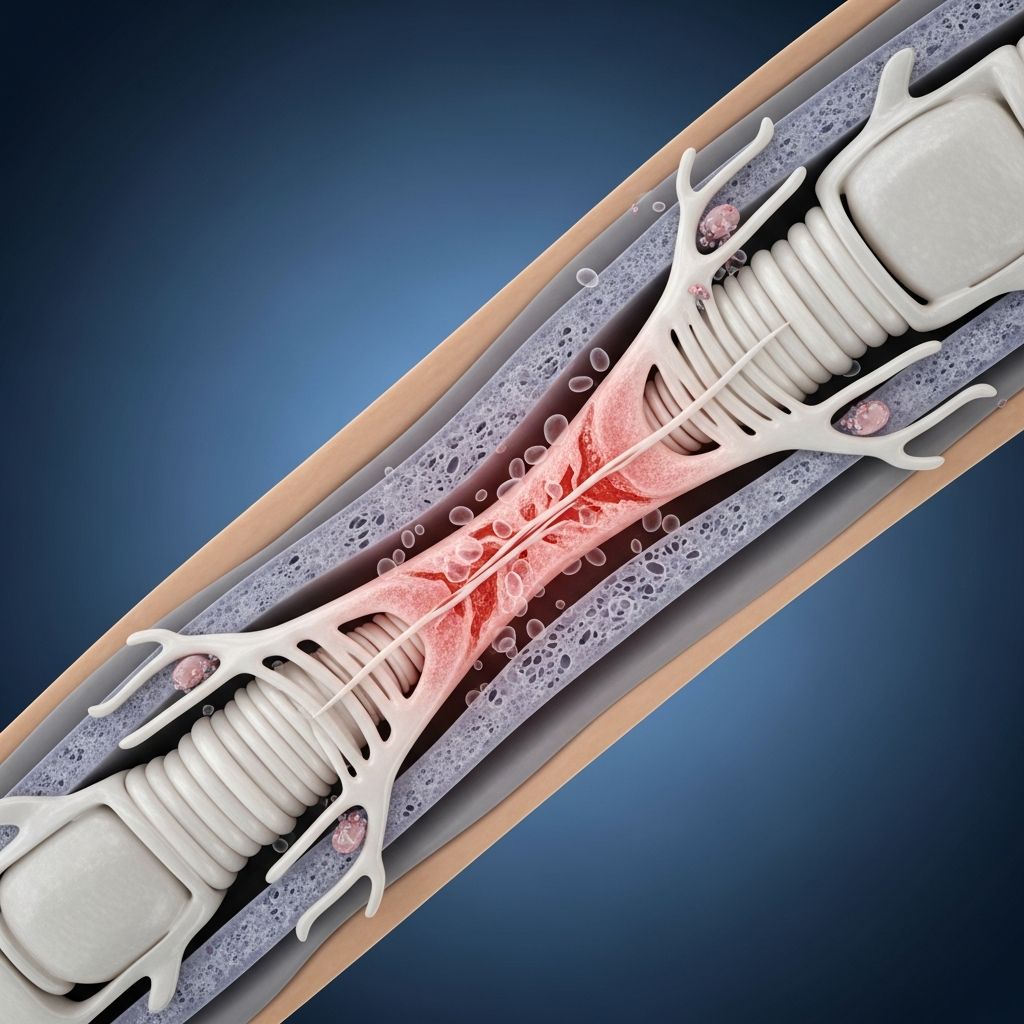
Transverse myelitis (TM) is a rare neurological condition characterized by acute inflammation of the spinal cord. The term “myelitis” refers to inflammation of the spinal cord, while “transverse” describes the pattern of symptoms that typically present in a band-like distribution across the body. During this inflammatory process, the protective covering of nerve cells in the spinal cord, known as the myelin sheath, becomes damaged. This damage interrupts critical signals between spinal nerves and the rest of the body, resulting in various functional impairments including loss of sensation, movement difficulties, and loss of bladder control.
Transverse myelitis can occur in any region along the spine, affecting individuals across different age groups. The condition often develops suddenly, presenting with acute or subacute symptoms that can vary significantly depending on the location and extent of spinal cord inflammation. While TM is relatively uncommon, it represents a serious neurological emergency requiring prompt medical evaluation and intervention.
Causes of Transverse Myelitis
The causes of transverse myelitis are diverse and heterogeneous, with the underlying trigger often remaining unidentified. Understanding the potential causes is essential for appropriate diagnosis and management.
Infectious Causes
Various infections can precipitate transverse myelitis, including:
- Viral infections such as herpes simplex virus (HSV), varicella-zoster virus (VZV), Epstein-Barr virus (EBV), and cytomegalovirus (CMV)
- Bacterial infections and associated pathogens
- Parasitic infections
- Fungal infections
Healthcare providers sometimes find it challenging to determine whether direct viral infection causes TM or if the condition results from a post-infectious immune response triggered by the body’s reaction to infection.
Autoimmune and Systemic Inflammatory Conditions
Multiple systemic inflammatory autoimmune conditions have established associations with transverse myelitis, including systemic lupus erythematosus, Sjögren’s syndrome, and other connective tissue disorders. Additionally, central nervous system autoimmune conditions such as multiple sclerosis (MS) and neuromyelitis optica spectrum disorder (NMOSD) can cause TM. In fact, transverse myelitis sometimes represents the initial presentation of these more widespread neurological conditions.
Idiopathic Transverse Myelitis
Scientists believe that idiopathic TM results from an abnormal and excessive immune response directed against the spinal cord, resulting in inflammation and tissue damage. However, the exact cause or specific trigger remains elusive in these cases. When the body encounters an offending agent such as viruses, bacteria, toxic chemicals, or experiences injury, it activates the immune system. The immune system dispatches its first responders: inflammatory cells and cytokines, which are substances that stimulate additional inflammatory cells. In idiopathic cases, this immune response becomes excessive and inappropriately targets spinal cord tissue.
Symptoms and Clinical Presentation
Transverse myelitis presents with a variable constellation of symptoms that typically develop acutely or subacutely. The specific symptoms experienced depend on which region of the spinal cord is affected and the extent of inflammation.
Pain
Pain frequently represents the initial symptom of transverse myelitis. This pain may begin suddenly in the lower back and can manifest as sharp, shooting sensations that radiate down the legs or arms, or pain that wraps around the chest or abdomen. The character and distribution of pain vary depending on the specific location of spinal cord involvement.
Sensory Changes
Individuals with transverse myelitis commonly report abnormal sensations including numbness, tingling, coldness, or burning feelings. Some patients experience heightened sensitivity to light touch from clothing or extreme temperatures. A characteristic band-like sensation frequently occurs across the trunk, with sensory changes extending below this band. Some patients describe a sensation as if something is tightly wrapping around the skin of the chest, abdomen, or legs.
Related Stories



Motor Weakness and Mobility Issues
Motor weakness represents a hallmark feature of transverse myelitis, affecting the arms, legs, or both depending on the lesion location. This weakness can range from mild to severe, potentially resulting in partial or complete paralysis in affected limbs. Some patients experience difficulty with coordination, impaired balance, or complete inability to walk.
Autonomic Dysfunction
Loss of bladder or bowel control frequently occurs with transverse myelitis, representing one of the most disabling aspects of the condition. Patients may experience urinary frequency, urgency, incontinence, or retention, as well as bowel incontinence or constipation. In severe cases, respiratory distress may develop if the inflammation affects the cervical spinal cord regions responsible for respiratory muscle control.
Other Clinical Features
Additional signs that healthcare providers assess include L’Hermitte’s sign (a sensation of electric shock running down the spine upon neck flexion), McArdle’s sign, paroxysmal tonic spasms, and upper motor neuron signs such as hyperreflexia, positive Babinski sign, and limb spasticity. The presentation typically appears in two distinct age groups: individuals aged 10-19 years and those aged 30-39 years.
Diagnosis of Transverse Myelitis
Accurate diagnosis of transverse myelitis involves multiple investigative approaches, combining clinical evaluation with neuroimaging and laboratory testing.
Magnetic Resonance Imaging (MRI)
MRI of the spinal cord represents a cornerstone diagnostic tool for transverse myelitis. This imaging technique reveals focal hyperintense lesions within the spinal cord. The extent and pattern of these lesions help classify TM into acute partial or longitudinally extensive variants. MRI can also demonstrate gadolinium enhancement, which indicates breakdown of the blood-brain barrier and active inflammation. The presence of acute partial variants with characteristic brain MRI findings suggests a high future risk of developing multiple sclerosis.
Cerebrospinal Fluid Analysis
Lumbar puncture, commonly known as spinal tap, allows direct sampling of cerebrospinal fluid (CSF) surrounding the spinal cord and brain. In transverse myelitis, CSF analysis typically demonstrates an elevated white blood cell count (pleocytosis) in the absence of infectious organisms. This finding helps confirm the inflammatory nature of the condition while excluding infectious causes.
Laboratory Studies and Antibody Testing
Healthcare providers may order specific antibody testing to identify underlying causes or associated conditions. The presence of aquaporin-4-IgG autoantibodies combined with longitudinally extensive spinal cord lesions suggests neuromyelitis optica spectrum disorder, while partial TM with characteristic brain MRI findings raises concern for multiple sclerosis development.
Treatment Approaches
Treatment for transverse myelitis encompasses acute management of inflammation and its underlying causes, combined with long-term management strategies to address any persistent complications.
Acute Treatment: Intravenous Corticosteroids
High-dose intravenous glucocorticoids represent the first-line treatment for transverse myelitis. Healthcare providers typically initiate this therapy as soon as TM is suspected, administering steroids through a vein over several days. Corticosteroids work through multiple mechanisms including anti-inflammatory activity, immunosuppressive properties, and antiproliferative actions. While randomized double-blind placebo-controlled studies specifically validating this approach in TM are limited, evidence from related neurological disorders and extensive clinical experience support this treatment strategy.
Plasma Exchange Therapy
For patients with moderate to severe TM presenting with symptoms such as inability to walk, markedly impaired autonomic function, or sensory loss in the lower extremities, plasma exchange therapy may be considered. This therapy is particularly valuable for individuals who show insufficient improvement after 5-7 days of intravenous steroids. During plasma exchange, healthcare providers remove the straw-colored fluid in which blood cells are suspended (plasma) and replace it with special fluids. This process is believed to remove inflammatory antibodies and other soluble factors mediating or contributing to inflammatory-mediated spinal cord damage. Plasma exchange has demonstrated effectiveness in adults with TM and other acute inflammatory central nervous system disorders.
Pain Management
Chronic pain represents a common complication of transverse myelitis requiring specific management strategies. Common pain relievers such as acetaminophen (Tylenol), ibuprofen (Advil, Motrin IB), and naproxen sodium (Aleve) may help manage muscle pain. Nerve pain often requires specialized medications including antidepressant drugs such as sertraline (Zoloft) and anticonvulsant medications such as gabapentin (Neurontin, Gralise) or pregabalin (Lyrica).
Long-Term Management and Rehabilitation
Long-term care addresses persistent disabilities and optimizes functional recovery. Muscle relaxant drugs including diazepam, baclofen, dantrolene, and tizanidine help manage spasticity. Therapeutic botulinum toxin injections and serial casting provide additional interventions for managing muscle tone and improving joint mobility. Comprehensive rehabilitation focuses on improving function in specific activities of daily living including feeding, dressing, bathing, hygiene, and mobility through improved joint range of motion, compensatory strategies, and pain relief.
Preventive Immunomodulatory Therapy
For patients with acute partial TM at high risk for developing multiple sclerosis, preventive immunomodulatory drugs may be considered. Chronic immunomodulatory therapy should be considered for recurrent transverse myelitis, particularly for longitudinally extensive variants in individuals at high risk for recurrent myelitis or neuromyelitis optica spectrum disorder. The ideal long-term treatment regimen varies individually, and neurologists with significant experience in treating these rare recurrent neuroimmunologic disorders should guide management decisions.
Recovery and Prognosis
Most individuals with transverse myelitis achieve at least partial recovery, though outcomes vary significantly based on disease severity and extent of initial inflammation. Some patients experience relatively rapid return to normal activities at home and work, while others with severe attacks may face significant long-term disabilities. The extent of spinal cord damage, timeliness of treatment initiation, and individual patient factors all influence recovery trajectories. While no effective cure currently exists for transverse myelitis, appropriate treatment can prevent or reduce permanent neurological problems.
Frequently Asked Questions About Transverse Myelitis
Q: How quickly do symptoms of transverse myelitis develop?
A: Transverse myelitis symptoms typically develop acutely or subacutely, often over hours to days. The rapid onset of symptoms distinguishes TM from many other spinal cord conditions and requires prompt medical evaluation.
Q: Can transverse myelitis be cured?
A: No effective cure currently exists for transverse myelitis. However, prompt treatment with steroids and other therapies can reduce inflammation, prevent permanent neurological damage, and optimize functional recovery.
Q: Is transverse myelitis always permanent?
A: Recovery varies considerably among individuals. While some achieve full recovery, others may experience minor or more serious long-term complications. Early aggressive treatment and comprehensive rehabilitation improve outcomes.
Q: What is the relationship between transverse myelitis and multiple sclerosis?
A: Transverse myelitis can represent the first symptom of multiple sclerosis or neuromyelitis optica spectrum disorder. Specific imaging findings and antibody tests help identify individuals at risk for developing these conditions.
Q: How long does recovery from transverse myelitis typically take?
A: Recovery timelines vary significantly. Some individuals recover substantially within weeks to months, while others experience ongoing recovery over extended periods or permanent residual deficits requiring long-term management.
Q: Can transverse myelitis recur?
A: While most cases occur as isolated events, recurrent transverse myelitis can develop, particularly in individuals with underlying autoimmune conditions like neuromyelitis optica spectrum disorder. Chronic immunomodulatory therapy is considered for patients at risk of recurrence.
References
- Transverse Myelitis — Cleveland Clinic. 2024. https://my.clevelandclinic.org/health/diseases/8980-transverse-myelitis
- Transverse Myelitis: Symptoms, Diagnosis and Treatment — BMJ Best Practice. 2024. https://bestpractice.bmj.com/topics/en-us/1061
- Transverse Myelitis — Symptoms & Causes — Mayo Clinic. 2024. https://www.mayoclinic.org/diseases-conditions/transverse-myelitis/symptoms-causes/syc-20354726
- Transverse Myelitis — Diagnosis & Treatment — Mayo Clinic. 2024. https://www.mayoclinic.org/diseases-conditions/transverse-myelitis/diagnosis-treatment/drc-20354730
- Transverse Myelitis — University of Rochester Medical Center. 2024. https://www.urmc.rochester.edu/encyclopedia/content?contenttypeid=134&contentid=24
- Transverse Myelitis — Symptoms, Causes, Treatment — National Organization for Rare Disorders (NORD). 2024. https://rarediseases.org/rare-diseases/transverse-myelitis/
- Transverse Myelitis — UAB Medicine. 2024. https://www.uabmedicine.org/specialties/transverse-myelitis/
Similar Articles








Read full bio of medha deb