Transverse Myelitis: Causes, Symptoms & Treatment
Understanding transverse myelitis: A comprehensive guide to causes, symptoms, diagnosis, and treatment options.
Understanding Transverse Myelitis
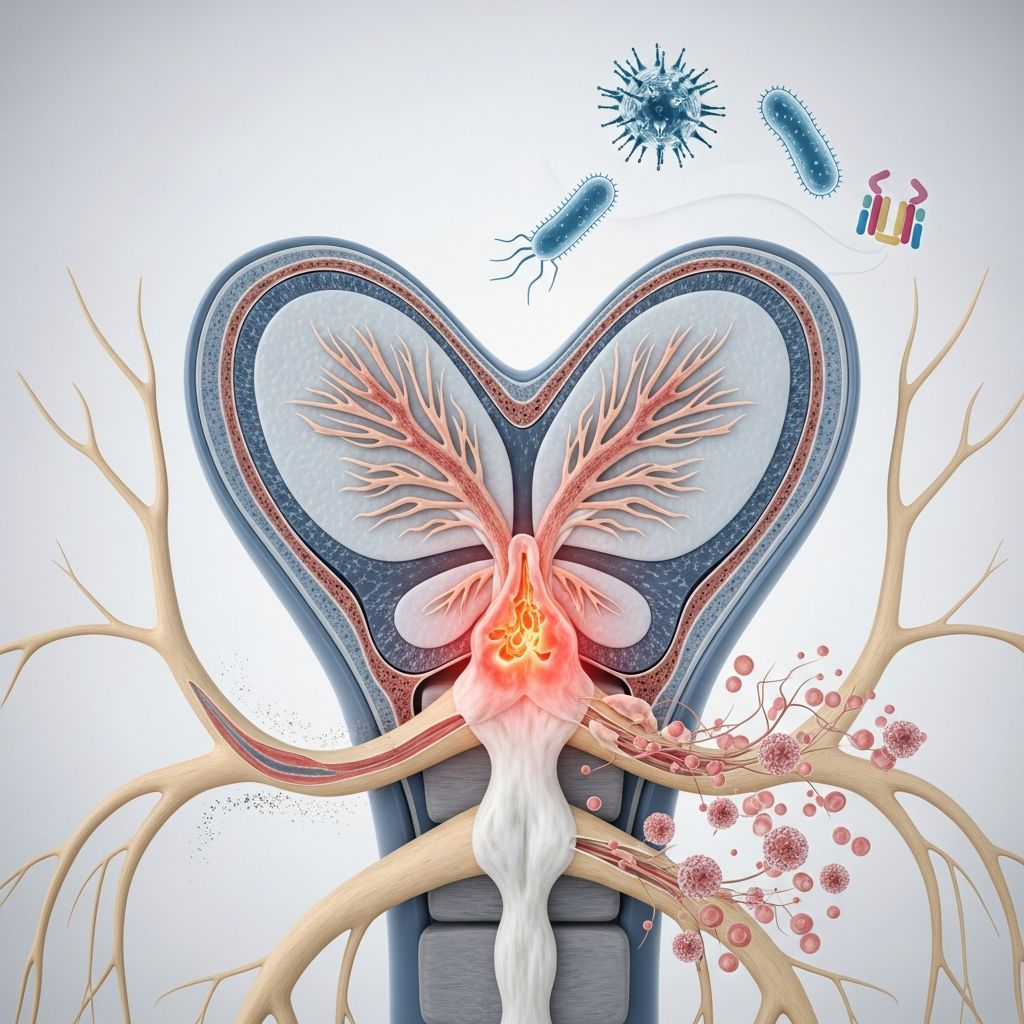
Transverse myelitis (TM) is a rare neurological condition characterized by inflammation of the spinal cord. This disorder results in sudden onset of symptoms including muscle weakness, sensory problems, and dysfunction in bodily functions. The inflammation disrupts nerve signals traveling through the spinal cord, leading to temporary or permanent changes in sensation and muscle function below the area of inflammation.
The condition typically affects a section of the spinal cord and can have varying degrees of severity depending on the extent of inflammation and individual factors. Understanding this condition is crucial for early recognition and prompt medical intervention, which significantly impacts recovery outcomes.
Causes of Transverse Myelitis
Transverse myelitis can develop from various underlying causes, which healthcare providers categorize into different groups. Identifying the specific cause is important for determining appropriate treatment and predicting long-term outcomes.
Systemic Inflammatory Autoimmune Conditions
Several systemic inflammatory autoimmune conditions are associated with transverse myelitis. These include:
– Systemic lupus erythematosus (SLE)- Behçet’s disease- Sjögren’s syndrome- Sarcoidosis
These conditions cause the body’s immune system to attack its own tissues, potentially leading to spinal cord inflammation as part of their broader disease process.
Central Nervous System Autoimmune Conditions
In some patients, transverse myelitis represents the first symptom of a central nervous system autoimmune or immune-mediated condition. These include:
– Multiple sclerosis (MS)- Neuromyelitis optica spectrum disorder (NMOSD)- Anti-MOG-associated disease- Autoimmune encephalitis
For many individuals, TM serves as the initial presentation of these more widespread neurological conditions, making accurate diagnosis particularly important for long-term management planning.
Infectious Causes
Viral and bacterial infections can trigger transverse myelitis. These infections cause inflammation within the spinal cord and may require specific antiviral or antibiotic treatments depending on the causative organism identified.
Idiopathic Transverse Myelitis
In many cases, despite comprehensive testing, no specific cause can be identified. These cases are classified as idiopathic transverse myelitis, meaning the cause remains unknown. This occurs in approximately a portion of TM cases and typically follows a more benign course with better recovery outcomes.
Symptoms and Presentation
Transverse myelitis typically presents with sudden onset of symptoms that develop over a period of days. The specific symptoms depend on the location of spinal cord inflammation and which nerve fibers are affected.
Common Symptoms Include
– Acute muscle weakness or paralysis, typically bilateral (affecting both sides)- Sensory changes including numbness, tingling, or dysesthesias- Sensory level (a distinct boundary where sensation changes)- Loss of bladder and bowel control- Pain in the lower back or limbs- Loss of temperature sensation- Difficulty with coordinated movements
The severity of symptoms varies widely among individuals. Some may experience mild weakness while others develop complete paralysis below the level of inflammation. This sudden onset distinguishes transverse myelitis from other spinal cord conditions that typically develop more gradually.
Related Stories



Diagnosis of Transverse Myelitis
Diagnosing transverse myelitis requires a systematic approach combining clinical evaluation, imaging studies, and laboratory tests. Healthcare providers diagnose TM when patients develop spinal cord symptoms over several days and imaging studies do not reveal another cause for the symptoms.
Initial Clinical Evaluation
Your healthcare provider will begin by reviewing your complete medical history and performing a thorough physical examination. This assessment helps identify the pattern of symptoms and any underlying conditions that may contribute to spinal cord inflammation.
Diagnostic Testing
Magnetic Resonance Imaging (MRI): MRI is the gold standard imaging test for diagnosing transverse myelitis. It produces detailed images of the spinal cord and can show areas of inflammation, demyelination, or damage. MRI helps rule out other conditions such as tumors, slipped disks, or spinal cord compression that could cause similar symptoms.
Lumbar Puncture (Spinal Tap): This procedure involves collecting a small sample of cerebrospinal fluid (CSF) from around the spinal cord. Laboratory analysis of the fluid can reveal signs of inflammation, infection, or antibodies associated with specific autoimmune conditions. The presence of elevated white blood cells or specific proteins may indicate TM or help identify its underlying cause.
Blood Work: Comprehensive blood testing helps identify systemic autoimmune conditions, infections, or other illnesses that may trigger transverse myelitis. Tests may screen for lupus, HIV, syphilis, and other conditions with similar presentations.
Optical Coherence Tomography (OCT): This specialized test uses laser imaging to scan the nerves in the back of the eye and can detect myelin damage, providing additional evidence of demyelinating disease.
Additional Imaging: CT scans may be performed to rule out structural abnormalities or compressive myelopathy that requires urgent surgical intervention.
Treatment Approaches
Treatment for transverse myelitis focuses on reducing inflammation, addressing the underlying cause, and managing resulting complications. The therapeutic approach depends on the identified or suspected etiology of the condition.
Acute Phase Treatment
Intravenous Glucocorticoids: High-dose IV glucocorticoids represent the first-line treatment for transverse myelitis. These powerful anti-inflammatory medications are initiated as soon as TM is suspected, without waiting for complete test results. Treatment typically involves methylprednisolone or dexamethasone administered for three to five days or longer, depending on individual circumstances. The goal is to rapidly reduce spinal cord inflammation and limit permanent nerve damage.
Additional Acute Treatments
Intravenous Immunoglobulin (IVIG): This treatment consists of highly concentrated antibodies collected from healthy donors. IVIG binds to problem-causing antibodies in the bloodstream, effectively removing them from circulation and helping to “reset” the immune system. This therapy is particularly useful when TM appears to have an autoimmune basis.
Plasma Exchange Therapy (Plasmapheresis): If steroids prove insufficient in controlling inflammation, plasma exchange may be considered. This procedure replaces blood plasma with special replacement fluids, potentially removing antibodies or other immune factors driving the inflammatory process.
Antiviral Medications: When infection with specific viruses is identified or suspected, appropriate antiviral agents are initiated to treat the causative infection.
Long-term Management
After acute inflammation is controlled, long-term management focuses on managing complications and supporting recovery:
– Physical therapy and rehabilitation to restore strength and function- Occupational therapy for activities of daily living- Management of bladder and bowel dysfunction through catheterization, medications, or timed elimination- Pain management strategies- Spasticity treatment when muscle rigidity develops- Psychological support and counseling- Monitoring for development of underlying conditions like MS
Recovery and Prognosis
Recovery from transverse myelitis varies significantly among individuals, ranging from complete recovery to permanent disability. Understanding recovery patterns helps set realistic expectations for patients and families.
Recovery Timeline
Recovery from TM generally begins within one to three months after initial treatment initiation. Most people experience significant recovery within three months of symptom onset. However, for some individuals, complete healing may extend over months to years as nerve tissue gradually recovers.
Recovery Patterns
Recovery outcomes fall into three categories:
– Complete Recovery: Some individuals recover fully with little or no lasting complications- Partial Recovery: Many patients experience moderate recovery with some residual symptoms or limitations- Minimal Recovery: Some individuals face more significant permanent disabilities
Factors Affecting Recovery
Individuals with the following characteristics may have less favorable recovery outcomes:
– Rapid onset and severe initial symptoms- Complete spinal cord involvement (transverse myelitis affecting the entire cross-section)- Delayed treatment initiation- Advanced age- Underlying autoimmune conditions like MS or NMOSD
Conversely, those with milder initial symptoms, partial spinal cord involvement, and prompt treatment initiation tend to have better recovery prospects.
Recurrence Risk
Transverse myelitis typically occurs only once in most individuals. However, recurrence is possible in people with underlying conditions such as multiple sclerosis or neuromyelitis optica. Those who had only one side of their body affected by TM may be at increased risk for developing MS in the future.
Long-term Outlook
The prognosis for transverse myelitis varies considerably among patients. While some experience minimal lasting effects, others may face permanent changes in physical function or sensation. Importantly, ongoing medical supervision remains essential for:
– Regular therapeutic sessions to maximize functional recovery- Monitoring for complications- Assessment for development of associated neurological conditions- Adjustment of management strategies as needed
When to Seek Medical Care
If you experience sudden onset of muscle weakness, numbness, loss of sensation, or bladder/bowel dysfunction, seek immediate medical attention. These symptoms may indicate transverse myelitis or another serious spinal cord condition requiring urgent evaluation and treatment.
Living with Transverse Myelitis
Understanding your transverse myelitis diagnosis can feel overwhelming, but comprehensive treatment and rehabilitation plans exist to address your specific symptoms. Regular appointments with your healthcare team allow for ongoing therapy, symptom management, and monitoring of potential complications. It is crucial to maintain communication with your medical providers about new symptoms or changes in your condition to ensure timely intervention and optimization of your recovery and long-term outcomes.
Frequently Asked Questions
Q: Can transverse myelitis be cured?
A: While there is no complete cure for transverse myelitis, the inflammation can be effectively treated with medications like IV steroids, and many people experience significant recovery. Recovery depends on the severity of the inflammation and individual factors.
Q: Is transverse myelitis the same as multiple sclerosis?
A: No. Transverse myelitis affects only the spinal cord, while MS can affect multiple areas of the central nervous system including the brain. However, TM can be the first symptom of MS in some individuals.
Q: How quickly should transverse myelitis be treated?
A: Treatment should begin as soon as TM is suspected, without waiting for complete test results. Rapid initiation of high-dose IV steroids significantly improves outcomes and limits permanent nerve damage.
Q: What is the difference between transverse myelitis and compressive myelopathy?
A: Transverse myelitis involves inflammation of the spinal cord, while compressive myelopathy results from physical pressure on the spinal cord from structures like tumors or herniated disks. Both can cause similar symptoms but require different treatments, making accurate diagnosis essential.
Q: Will I need ongoing treatment after the initial phase?
A: Yes. After acute inflammation is controlled, long-term management typically includes physical therapy, rehabilitation, symptom management, and regular monitoring with your healthcare team to address complications and track recovery.
Q: Can transverse myelitis happen again?
A: Most people experience transverse myelitis only once. However, recurrence can occur in individuals with underlying autoimmune conditions like multiple sclerosis or neuromyelitis optica spectrum disorder.
References
- Transverse Myelitis (TM): Causes, Symptoms & Treatment — Cleveland Clinic. 2025. https://my.clevelandclinic.org/health/diseases/8980-transverse-myelitis
- Transverse myelitis—a review of the presentation, diagnosis, and management — PubMed/National Library of Medicine. 2013. https://pubmed.ncbi.nlm.nih.gov/24099672/
- Transverse myelitis – Symptoms & causes — Mayo Clinic. 2024. https://www.mayoclinic.org/diseases-conditions/transverse-myelitis/symptoms-causes/syc-20354726
- Transverse Myelitis: Symptoms, Causes, & Treatment — WebMD. 2025. https://www.webmd.com/multiple-sclerosis/transverse-myelitis-facts
- Mellen Center for Multiple Sclerosis – Cleveland Clinic — Cleveland Clinic. 2025. https://my.clevelandclinic.org/departments/neurological/depts/multiple-sclerosis
Similar Articles








Read full bio of medha deb