Traumatic Brain Injury: Causes, Symptoms, and Treatment
Understanding traumatic brain injury: comprehensive guide to causes, symptoms, diagnosis, and treatment options.
What Is Traumatic Brain Injury?
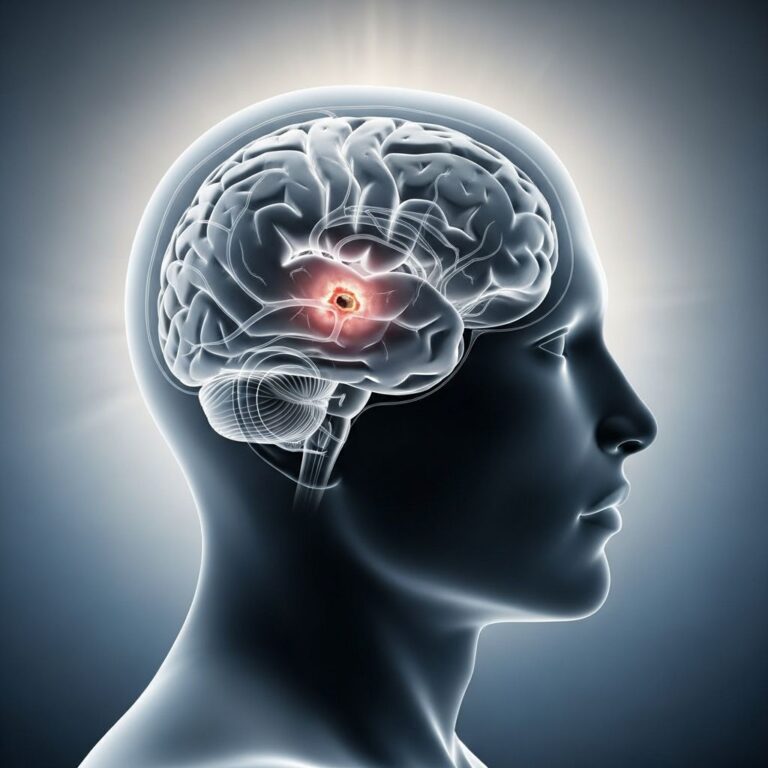
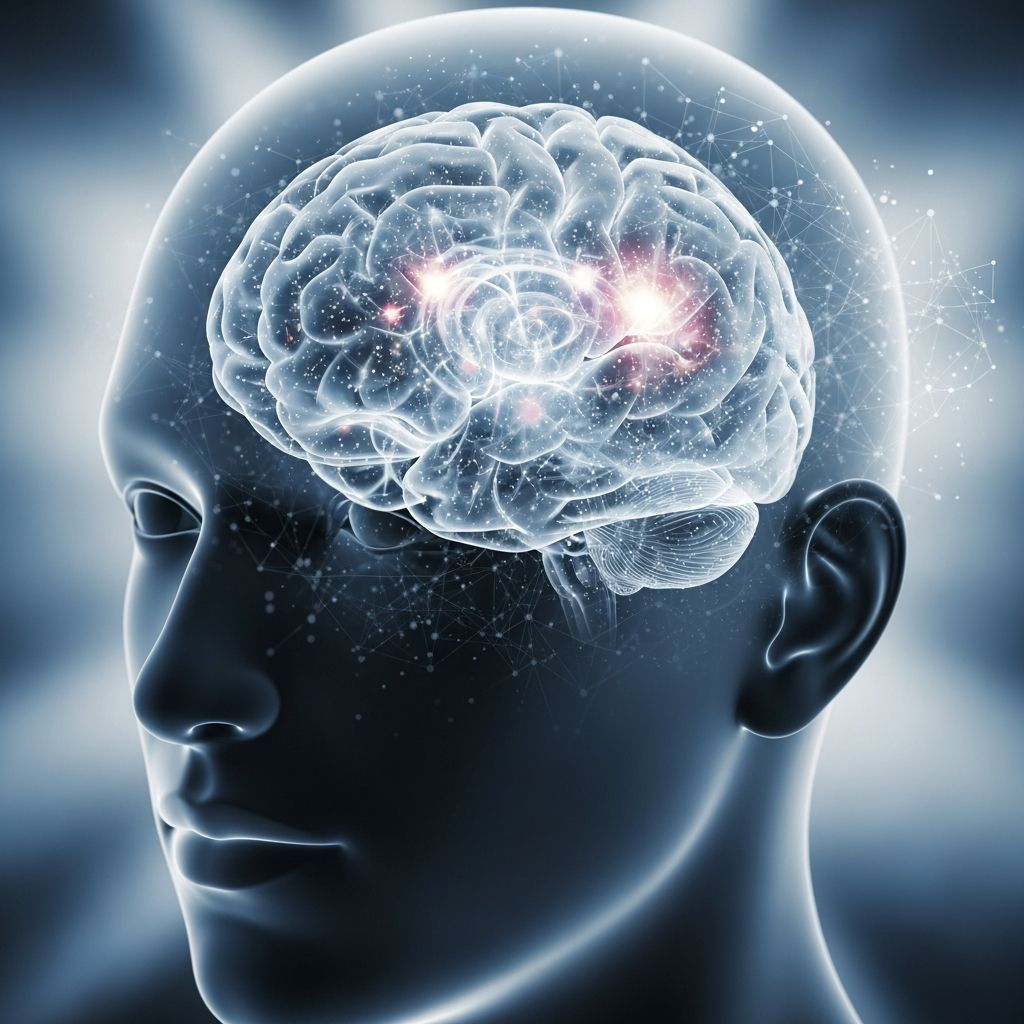
A traumatic brain injury (TBI) is damage to the brain tissue caused by an external mechanical force, resulting in either temporary or permanent impairment of physical, cognitive, or behavioral functioning. Traumatic brain injuries impact approximately 2.8 million Americans annually, making it a significant public health concern that affects individuals across all age groups and socioeconomic backgrounds.
TBIs are classified into two main categories: nonpenetrating injuries (closed head injuries) and penetrating injuries (open head injuries). Closed head injuries occur when the head strikes an object or is struck by an object without breaking the skull, while penetrating injuries involve a break in the skull and direct damage to brain tissue. The severity of a TBI depends on various factors including the force of impact, the location of injury, and the individual’s overall health status.
Causes and Risk Factors
Traumatic brain injuries result from various causes that vary significantly by age group. Understanding the primary causes of TBI is essential for prevention and early intervention.
Common Causes by Age Group
The most frequent causes of traumatic brain injury vary depending on age:
- Infants and young children: Falls are the leading cause of TBI in this age group, often occurring from changing tables, beds, or falls down stairs.
- School-age children: Falls and blunt trauma are the primary causes, including accidents during sports activities and playground injuries.
- Adolescents: Motor vehicle collisions become increasingly common, representing a significant cause of TBI in this population.
- Adults: Motor vehicle crashes remain a leading cause, along with falls, assaults, and work-related injuries.
- Older adults: Falls are the predominant cause of TBI, often due to balance problems, medication effects, or environmental hazards.
TBI-related hospitalizations are most commonly caused by falls in younger age groups and motor vehicle collisions in adolescents and young adults. Motor vehicle crashes represent the leading cause of TBI-related deaths across all age groups, highlighting the severity of injuries resulting from high-speed impacts.
Severity Classification
Traumatic brain injuries are classified into different severity levels based on clinical presentation and duration of symptoms. This classification system is crucial for determining appropriate treatment pathways and predicting outcomes. The Glasgow Coma Scale (GCS) is a widely used assessment tool that helps determine TBI severity by evaluating eye opening, verbal response, and motor response.
Mild Traumatic Brain Injury
Mild TBI, also commonly referred to as a concussion, involves brief alteration of consciousness or confusion without loss of consciousness, or loss of consciousness lasting less than 30 minutes. Patients with mild TBI typically maintain a Glasgow Coma Scale score of 13 to 15 and experience post-traumatic amnesia lasting less than 24 hours. Despite being classified as “mild,” these injuries can have significant short-term effects on cognitive function and well-being.
Moderate Traumatic Brain Injury
Moderate TBI involves loss of consciousness lasting between 30 minutes and 24 hours, or post-traumatic amnesia lasting between 1 and 7 days. Patients with moderate TBI typically have a Glasgow Coma Scale score between 9 and 12. This severity level requires careful monitoring and specialized treatment to prevent complications and optimize recovery outcomes. Moderate TBIs represent a particularly challenging category because they often result in high mistriage rates and severity misclassifications due to the subjectivity of current diagnostic methods.
Related Stories



Severe Traumatic Brain Injury
Severe TBI involves loss of consciousness lasting more than 24 hours or post-traumatic amnesia lasting more than 7 days. Patients with severe TBI typically have a Glasgow Coma Scale score of 8 or less. This category includes extremely severe injuries where post-traumatic amnesia exceeds one month or coma lasts more than one week. Catastrophic brain injuries, representing the most severe category, involve damage so extensive that active brain function above the brainstem cannot be recovered, resulting in a persistent vegetative state.
Signs and Symptoms
The symptoms of traumatic brain injury vary widely depending on the severity of the injury and the specific areas of the brain affected. Symptoms may appear immediately or develop gradually over hours or days following the injury.
Physical Symptoms
- Headache or pressure sensation in the head
- Neck pain or stiffness
- Dizziness or vertigo
- Balance problems or coordination difficulties
- Nausea or vomiting
- Sensitivity to light or noise
- Fatigue or drowsiness
- Sleep disturbances or insomnia
- Weakness in arms or legs
- Convulsions or seizures
Cognitive and Behavioral Symptoms
- Confusion or disorientation
- Difficulty concentrating or focusing attention
- Memory problems or difficulty recalling information
- Slowed thinking or processing speed
- Difficulty making decisions
- Irritability or mood changes
- Anxiety or depression
- Emotional instability or outbursts
- Behavioral changes or personality alterations
It is important to note that reported symptoms alone are not diagnostic of TBI; rather, diagnosis requires correlation with objective clinical findings and diagnostic testing. Patients experiencing postconcussive syndrome may report persistent symptoms including concentration difficulties, memory problems, and forgetfulness; however, these complaints often stop correlating with actual cognitive deficits over time as psychological and compensation factors may contribute to symptom persistence.
Diagnostic Evaluation
Accurate and timely diagnosis of traumatic brain injury is critical for ensuring appropriate treatment and optimizing patient outcomes. Current diagnostic methods have limitations that can lead to high mistriage rates and severity misclassifications, particularly in moderate TBI cases. The time from accident to appropriate triage and treatment is crucial, as even minutes or hours of delay can result in worse clinical outcomes and higher mortality rates.
Clinical Assessment
Initial evaluation begins with a thorough history and physical examination, including assessment of the mechanism of injury, loss of consciousness duration, and current symptoms. The Glasgow Coma Scale remains a fundamental tool in TBI assessment, though its subjective nature can contribute to diagnostic variability.
Neuroimaging
Computed tomography (CT) scanning is the primary imaging modality for acute TBI evaluation, providing rapid assessment of structural brain injury including intracranial hemorrhage, contusions, and edema. Magnetic resonance imaging (MRI) may be used for more detailed evaluation in specific clinical situations, particularly for assessing diffuse axonal injury and chronic sequelae.
Emerging Diagnostic Technologies
Advanced diagnostic approaches are being developed to improve TBI severity classification and reduce mistriage rates. Novel point-of-care diagnostic devices utilizing biomarker detection represent a significant advancement in emergency medicine. These systems are capable of returning a TBI severity score within 15 minutes in ambulance settings, allowing rapid triage decisions and appropriate resource allocation. Such technologies represent the first comprehensive systems for biomarker-based TBI detection usable in pre-hospital settings with first responder training, addressing the critical gap in moderate TBI classification that currently exists in emergency care.
Treatment Approaches
Treatment of traumatic brain injury is individualized based on injury severity and clinical presentation. Management focuses on stabilizing the patient, preventing secondary brain injury, and optimizing conditions for recovery.
Acute Phase Management
Immediate treatment priorities include maintaining airway patency, ensuring adequate oxygenation and ventilation, maintaining cerebral perfusion pressure, and controlling intracranial pressure. Hospital monitoring should include observation of duration of coma or unconsciousness, time to follow commands, and timeline for forming new memories, as these factors significantly impact prognosis.
Rehabilitation and Recovery
Following acute stabilization, rehabilitation plays a central role in facilitating recovery and minimizing long-term disability. Rehabilitation programs typically address physical, cognitive, and behavioral impairments through coordinated interventions including physical therapy, occupational therapy, speech-language pathology, neuropsychological assessment, and psychological counseling.
Management of Associated Complications
TBI frequently results in associated conditions requiring specific intervention. Sleep disturbances and insomnia are common complications affecting many patients in the post-injury period. Research initiatives are investigating optimal treatment strategies for TBI-related sleep problems, testing various therapeutic approaches to improve sleep quality and support overall recovery. Proper management of sleep disorders is increasingly recognized as important for cognitive recovery and quality of life following TBI.
Prognosis and Recovery
Recovery from traumatic brain injury is highly variable and depends on numerous factors including injury severity, age, overall health status, and quality of rehabilitation services. Natural history studies have demonstrated important patterns in cognitive recovery following mild TBI.
Cognitive Recovery Trajectory
Most individuals with mild TBI experience gradual resolution of cognitive symptoms within a year following injury. However, some individuals develop postconcussive syndrome characterized by persistent cognitive symptoms, physical complaints, and psychological disturbances. The most significant predictors of prolonged postconcussive syndrome include compensation or litigation involvement, suggesting that psychological and social factors substantially influence symptom persistence.
Long-Term Considerations
A concern frequently raised by patients involves the potential increased risk of developing dementia following mild TBI. This represents an important area of ongoing research and clinical investigation, as patients often express worry about long-term cognitive consequences of head injury.
Return to Activities
Return to school, work, and recreational activities should be gradual and guided by symptom resolution and functional recovery. Healthcare providers should develop individualized return-to-activity protocols that monitor symptom emergence and adjust activity levels accordingly.
Prevention Strategies
Preventing traumatic brain injury involves addressing the primary causes within specific age groups and implementing evidence-based safety measures.
- Motor vehicle safety: Use seat belts consistently, ensure proper child car seat installation and use, and avoid driving under the influence of alcohol or drugs.
- Fall prevention: Remove environmental hazards, install adequate lighting, use grab bars in bathrooms, and maintain proper footwear and balance.
- Sports and recreation: Use appropriate protective equipment including helmets for cycling, skiing, skateboarding, and contact sports.
- Workplace safety: Follow occupational safety guidelines, use appropriate personal protective equipment, and report hazardous conditions.
- Assault prevention: Implement community violence prevention programs and support conflict resolution initiatives.
Frequently Asked Questions
Q: How long does recovery from a traumatic brain injury typically take?
A: Recovery time varies significantly depending on injury severity. Mild TBI recovery may take weeks to months, while moderate to severe TBI recovery can extend over years. Most postconcussive syndrome symptoms resolve within one year, though some individuals experience persistent symptoms.
Q: Can a traumatic brain injury cause long-term problems?
A: Yes, severe TBI can result in permanent disability affecting physical, cognitive, and behavioral functioning. Even mild TBI can occasionally result in prolonged postconcussive syndrome. However, many individuals recover well with appropriate treatment and rehabilitation.
Q: What should I do immediately after a head injury?
A: Seek immediate medical evaluation for any significant head injury, even if symptoms seem mild. Avoid returning to activities that risk re-injury until cleared by a healthcare provider. Monitor for symptom development and report any concerns to medical personnel.
Q: Are there specific treatments that improve TBI outcomes?
A: Early, appropriate medical care and comprehensive rehabilitation services significantly improve outcomes. Multidisciplinary rehabilitation addressing physical, cognitive, and psychological needs provides the best results. Emerging diagnostic technologies may enable earlier appropriate treatment by improving triage accuracy.
Q: Does a mild TBI increase dementia risk?
A: This remains an area of active research and clinical investigation. While some studies suggest a potential association, the relationship is complex and influenced by multiple factors. Discuss specific concerns with your healthcare provider.
References
- TBI-Flow: Point of Care Traumatic Brain Injury Diagnosis — Johns Hopkins University Whiting School of Engineering Biomedical Engineering Department. Accessed December 2025. https://www.bme.jhu.edu/academics/bme-design/bme-project-gallery/tbi-flow-point-of-care-traumatic-brain-injury-diagnosis/
- Brain Injury — Johns Hopkins University, Department of Physical Medicine and Rehabilitation. Published January 1, 2022. https://pure.johnshopkins.edu/en/publications/brain-injury/
- Mild Traumatic Brain Injury (mTBI): Clinical Presentation and Cognitive Recovery — Johns Hopkins Psychiatry and Behavioral Sciences Grand Rounds. Accessed December 2025. https://www.youtube.com/watch?v=tLv-v_cbxa4
- Traumatic Brain Injury and Insomnia Study — Johns Hopkins Behavioral Medicine Research Laboratory. Accessed December 2025. https://www.hopkinsbmrl.com/tbi
Similar Articles








Read full bio of medha deb