Traumatic Brain Injury Symptoms: What You Need To Know
Recognizing the signs of traumatic brain injury from mild concussions to severe cases and long-term effects.
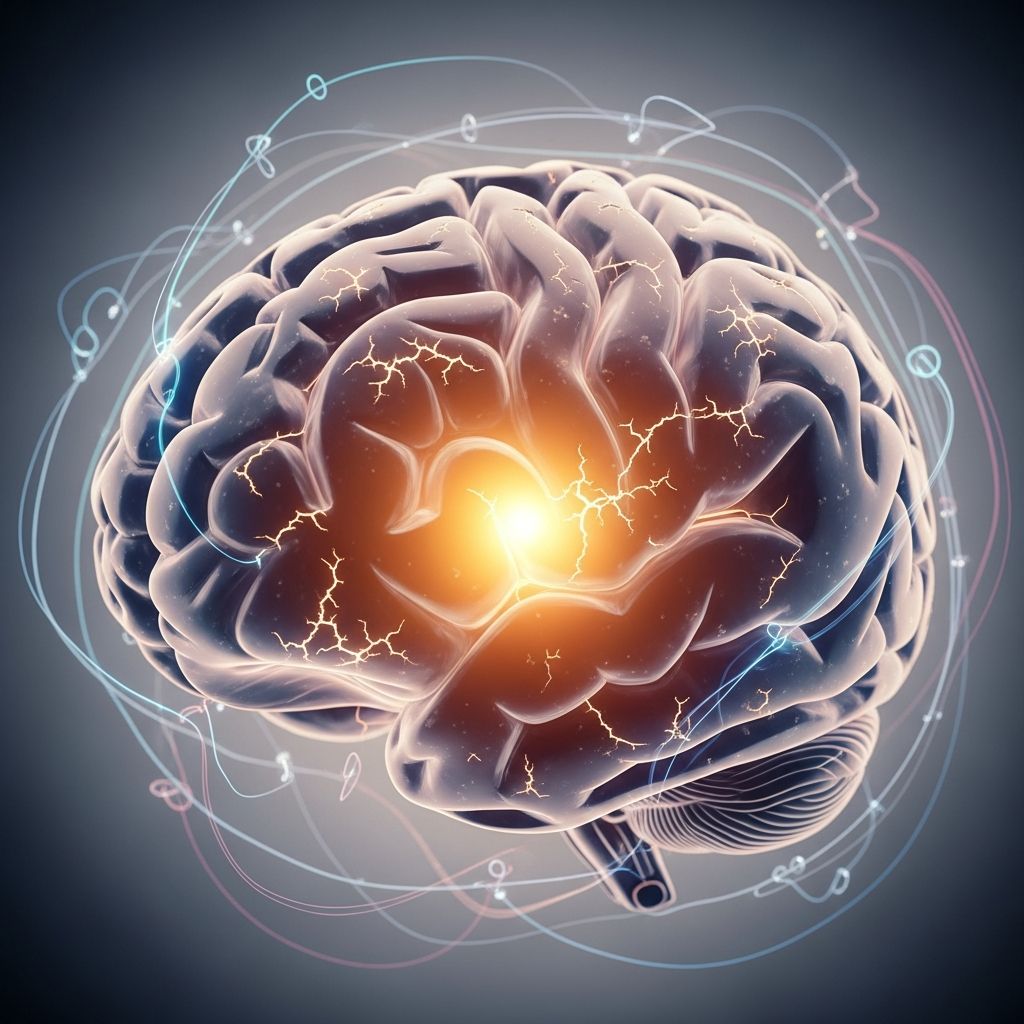
A traumatic brain injury (TBI) occurs when an external force causes brain dysfunction, ranging from mild concussions to severe, life-threatening damage. Symptoms can manifest immediately or delayed, affecting physical, cognitive, sensory, and emotional functions, with impacts varying by injury severity.
What Is a Traumatic Brain Injury?
Traumatic brain injury happens when a sudden blow or jolt to the head causes the brain to move rapidly within the skull, damaging cells, tissues, and blood vessels. This can result from penetrating injuries where objects enter the skull or non-penetrating impacts like falls or collisions. TBIs are classified as mild, moderate, or severe based on symptom duration, loss of consciousness, and imaging findings. Mild TBIs, often called concussions, affect over 80% of cases and typically resolve within weeks, while severe ones can lead to coma or death.
The brain’s vulnerability stems from its suspension in cerebrospinal fluid inside the skull. Sudden acceleration-deceleration forces cause it to collide with bony structures, leading to diffuse axonal injury or localized bleeding. Penetrating TBIs, such as from gunshots or accidents, directly damage tissue, while closed-head injuries cause widespread shearing of nerve fibers.
Symptoms of Traumatic Brain Injury
TBI symptoms depend on the injury’s location, severity, and the individual’s age and health. They are categorized into physical, sensory, cognitive, behavioral, and emotional effects, appearing right away or days later.
Mild Traumatic Brain Injury Symptoms
Mild TBIs, or concussions, involve brief loss of consciousness (under 30 minutes) or no loss, with symptoms resolving in 7-10 days for most. Physical symptoms include headache, nausea, vomiting, fatigue, dizziness, and balance issues. Sensory changes encompass blurred vision, ringing in ears (tinnitus), bad taste, smell alterations, and light/sound sensitivity. Cognitive issues feature memory lapses, concentration difficulties, confusion, and slowed thinking. Behavioral signs include mood swings, anxiety, depression, insomnia, or sleeping more than usual.
- Physical: Headache, nausea/vomiting, fatigue, speech problems, dizziness
- Sensory: Blurred vision, tinnitus, taste/smell changes, light/sound sensitivity
- Cognitive/Behavioral: Brief consciousness loss, disorientation, memory/concentration problems, mood changes, sleep disturbances
Moderate to Severe Traumatic Brain Injury Symptoms
Severe TBIs involve prolonged unconsciousness (over 30 minutes), worsening symptoms, and potential coma. Physical indicators include persistent headaches, repeated vomiting, seizures, pupil dilation, fluid drainage from nose/ears, weakness/numbness, and coordination loss. Cognitive symptoms manifest as profound confusion, agitation, slurred speech, and coma. These require immediate intervention to prevent permanent damage.
- Physical: Loss of consciousness (minutes to hours), repeated vomiting, seizures, pupil changes, fluid leakage, motor deficits
- Cognitive/Mental: Deep confusion, combativeness, slurred speech, coma
Symptoms in Children
Children, especially infants, cannot verbalize symptoms, making observation crucial. Signs include changes in eating/nursing, irritability, persistent crying, attention shifts, sleep alterations, seizures, sadness, drowsiness, and disinterest in toys. Toddlers may show regression in milestones like walking or talking.
- Irritability or persistent crying
- Changes in feeding/sleep habits
- Seizures or drowsiness
- Loss of interest in play
Causes of Traumatic Brain Injury
TBIs result from direct head trauma or rapid movement. Common causes include falls (especially in older adults and children), vehicle accidents, sports injuries, assaults, and penetrating objects like bullets or debris. Non-penetrating causes dominate, with falls accounting for 40% of cases in the U.S. Military personnel face blast-related TBIs, while everyday risks like slips in bathrooms contribute significantly.
Related Stories



Risk factors include age (young children, adolescents, seniors), high-risk activities (contact sports, motorcycling), alcohol misuse, and lack of safety gear. American Indian/Alaska Native populations and those over 75 have elevated hospitalization and death rates.
Complications of Traumatic Brain Injury
TBIs can lead to immediate and lifelong complications. Acute issues include seizures, hydrocephalus (fluid buildup causing pressure), blood vessel damage risking stroke, and skull base nerve injuries affecting senses and movement.
- Seizures/Post-Traumatic Epilepsy: Early or delayed seizures in up to 50% of severe cases.
- Hydrocephalus: Increased intracranial pressure from fluid accumulation.
- Cranial Nerve Damage: Facial paralysis, vision loss, swallowing issues, dizziness.
Long-term effects encompass persistent post-concussive symptoms (headaches, dizziness lasting months), cognitive deficits, behavioral changes (impulsivity, aggression), emotional disorders (depression, anxiety), and sensory impairments (tinnitus, vision problems). Second-impact syndrome in untreated mild TBIs can cause fatal swelling. Minimally conscious states or brain death may follow severe injuries.
When to Seek Emergency Care
Any head injury warrants monitoring, but seek immediate care for severe symptoms. Emergency signs include worsening headache, repeated vomiting, seizures, unequal pupils, slurred speech, extreme drowsiness, numbness, agitation, or fluid leakage.
| Symptom | Action |
|---|---|
| Loss of consciousness >30 min | Call 911 |
| Repeated vomiting/seizures | Emergency room |
| Worsening confusion/numbness | Immediate medical attention |
| Clear fluid from nose/ears | Urgent evaluation |
Diagnosis and Treatment
Diagnosis involves CT/MRI scans, Glasgow Coma Scale, and neurological exams. Treatment ranges from rest/monitoring for mild cases to surgery (craniotomy for hematomas), medications (anti-seizure, anti-swelling), and rehabilitation (physical, occupational, speech therapy). Recovery timelines vary; mild TBIs heal in weeks, severe ones may require years.
Prevention Strategies
Prevent TBIs with helmets in sports/biking, seatbelts, fall-proofing homes for elderly/kids, and avoiding alcohol-impaired driving. Sports rules limiting contact reduce risks.
Frequently Asked Questions (FAQs)
What are the first signs of a traumatic brain injury?
Initial signs include headache, confusion, dizziness, nausea, and brief loss of consciousness. Symptoms may evolve.
How long do TBI symptoms last?
Mild symptoms resolve in 1-2 weeks; severe or post-concussive ones can persist months or years.
Can children recover fully from TBI?
Many do with prompt care, but monitoring is key due to subtle signs.
What is post-concussion syndrome?
Lingering symptoms like headaches, fatigue, and cognitive issues beyond 3 months.
Is second impact syndrome real?
Yes, a second concussion before full recovery can cause life-threatening brain swelling.
References
- Traumatic brain injury – Symptoms & causes — Mayo Clinic. 2023-10-15. https://www.mayoclinic.org/diseases-conditions/traumatic-brain-injury/symptoms-causes/syc-20378557
- Traumatic Brain Injury (TBI): What It Is, Symptoms & Treatment — Cleveland Clinic. 2024-05-20. https://my.clevelandclinic.org/health/diseases/8874-traumatic-brain-injury
- Concussion — University Health. 2023-08-10. https://www.universityhealth.com/blog/concussion
- Health Disparities in TBI — Centers for Disease Control and Prevention (CDC). 2024-02-12. https://www.cdc.gov/traumatic-brain-injury/health-equity/index.html
Similar Articles








Read full bio of medha deb