Travel Constipation Explained: Causes, Prevention, And Relief
Expert tips to prevent and relieve constipation while traveling, from hydration to diet changes.
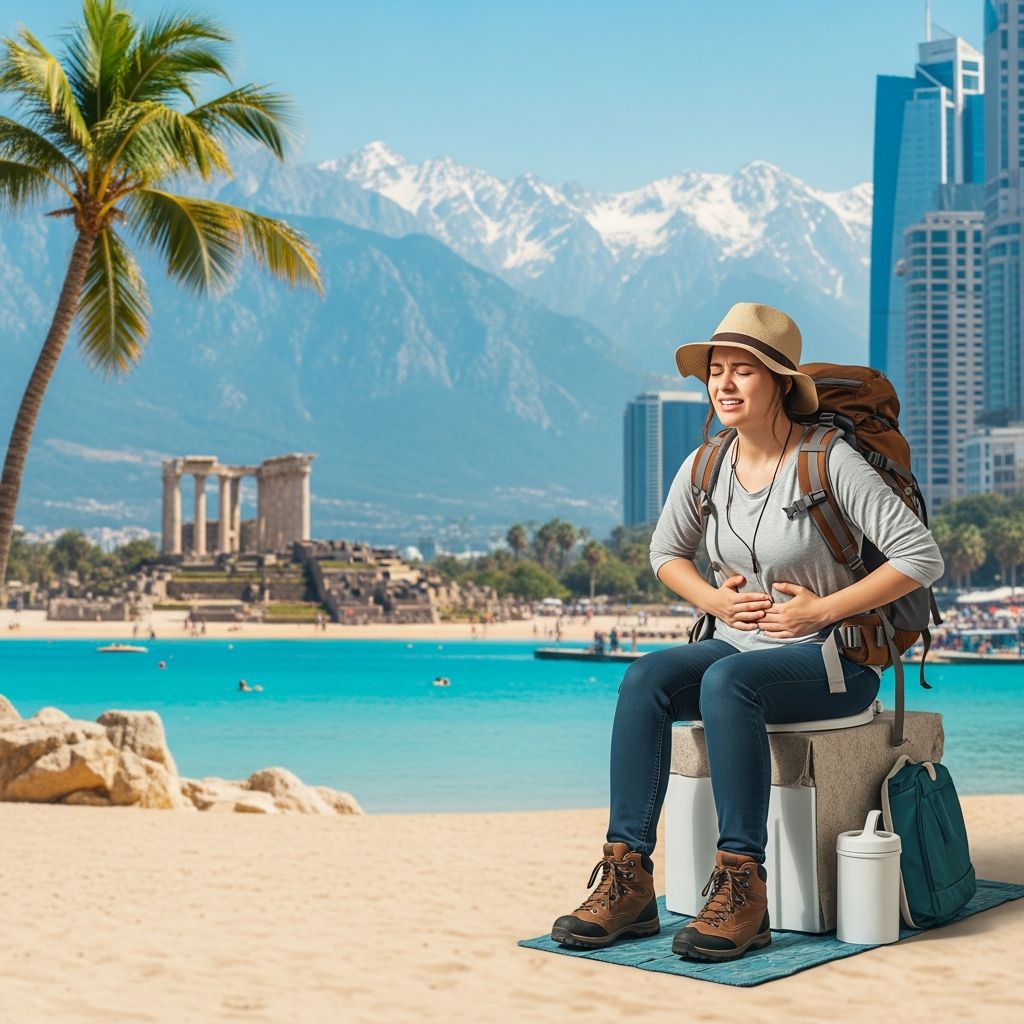
Travel constipation, also known as vacation constipation, is a common digestive issue affecting up to 70% of travelers due to disrupted routines, diet changes, dehydration, and reduced activity. This condition leads to infrequent or difficult bowel movements, causing discomfort during otherwise exciting trips. Understanding its triggers and applying simple strategies can help maintain digestive health on the road.
What Is Travel Constipation?
Travel constipation refers to hard, infrequent bowel movements or straining during defecation that occur specifically during travel. It stems from lifestyle shifts like jet lag, altered meal times, and limited physical movement, which disrupt the body’s natural gut motility tied to circadian rhythms. International trips often worsen symptoms compared to domestic ones due to greater time zone changes and unfamiliar foods.
Unlike chronic constipation, this form is temporary but can persist for days post-travel if unaddressed. Studies indicate new-onset constipation is prevalent among international travelers, alongside other GI issues like diarrhea or IBS-like symptoms.
Symptoms of Travel Constipation
Recognizing symptoms early allows for quick intervention. Common signs include:
- Infrequent bowel movements (fewer than three per week)
- Hard, dry, or lumpy stools
- Straining or pain during bowel movements
- Abdominal bloating and discomfort
- Feeling of incomplete evacuation
- Reduced urge to defecate
These symptoms typically resolve with routine restoration but can cause significant bloating and cramping if ignored.
Causes of Travel Constipation
Several interconnected factors contribute to travel constipation:
- Dehydration: Dry airplane cabins, heat, or forgetting water intake hardens stools.
- Diet Changes: Low-fiber airport food, processed snacks, or rich vacation meals reduce stool bulk.
- Reduced Activity: Prolonged sitting on flights or drives slows gut motility.
- Routine Disruptions: Jet lag, irregular meal/sleep times alter circadian gut rhythms.
- Other Risks: Medications (e.g., opioids), pregnancy, ignoring bathroom urges, or conditions like diabetes.
Normal bowel habits sync with waking, meals, and exercise; travel throws this off, leading to stasis.
How to Prevent Travel Constipation
Proactive steps minimize risk. Focus on mimicking home routines abroad.
Stay Hydrated
Aim for 8-10 glasses of water daily, more in dry or hot climates. Carry a refillable bottle through security. Water-rich foods like cucumbers, watermelon, and oranges count toward intake. Limit caffeine/alcohol, which dehydrate. Prune juice or lemon water can gently stimulate bowels.
Increase Fiber Intake
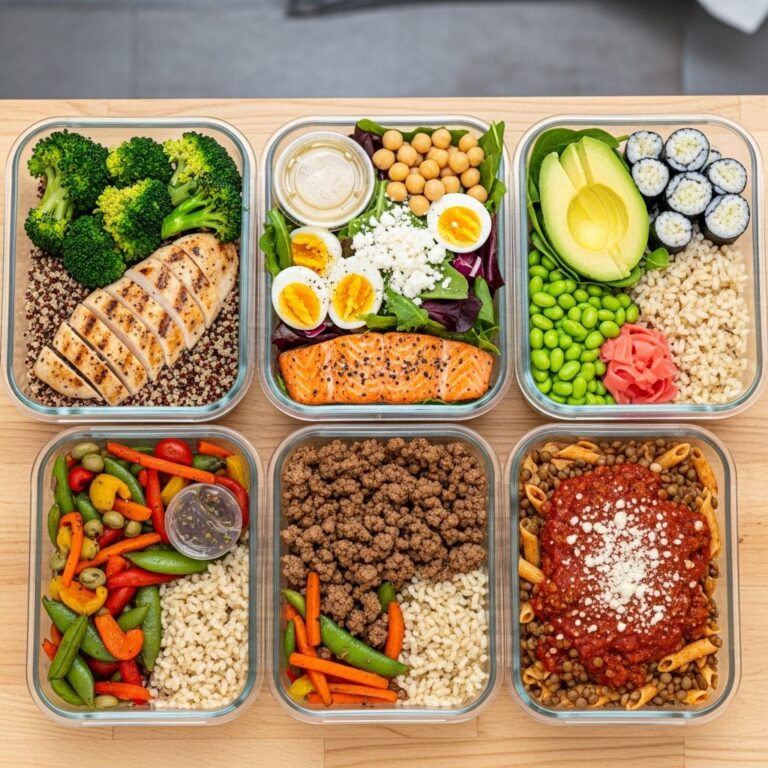
Target 25-30g fiber daily. Pack or seek:
- Fruits: Apples, pears, berries (with skin)
- Veggies: Carrots, salads, broccoli
- Whole grains: Oats, quinoa, whole-wheat bread/crackers
- Legumes: Beans, lentils in soups
- Nuts/seeds: Almonds, chia for omega-3 lubrication
Avoid high-fat foods that slow digestion; opt for probiotics like yogurt or kefir for gut health. Pair fiber with water to avoid worsening.
Related Stories



Maintain Physical Activity
Walk 30 minutes daily: Stroll airports, explore destinations, or do in-room stretches. On flights, stand hourly; road trips need stretch stops. Exercise stimulates peristalsis.
Stick to Routines
Eat/sleep at consistent times. Don’t ignore urges—use bathrooms promptly.
Treatment and Remedies for Travel Constipation
If prevention fails, these remedies provide relief.
Lifestyle Remedies
- Exercise: Brisk walks or yoga poses like wind-relieving pose.
- Foods/Oils: Prunes, kiwis, olive oil (1 tsp) lubricate intestines.
- Probiotics: Yogurt or supplements restore gut flora.
Over-the-Counter Options
| Type | Examples | How It Works |
|---|---|---|
| Fiber Supplements | Psyllium husk, methylcellulose | Bulks stool, promotes regularity |
| Stool Softeners | Docusate | Moistens stool for easier passage |
| Osmotic Laxatives | Polyethylene glycol (MiraLAX) | Draws water into colon |
| Stimulants | Bisacodyl (short-term) | Triggers contractions (use sparingly) |
Start with gentle options; consult pharmacists abroad.
When to See a Doctor
Seek care if:
- Constipation lasts >3 days post-travel
- Severe pain, vomiting, blood in stool
- Weight loss or fever accompanies
- No relief from OTC remedies
Doctors may prescribe stimulants, suppositories, or enemas. Rule out underlying issues. Cleveland Clinic notes routine changes as primary constipation triggers.
Tips for Specific Travel Types
Air Travel
Combat cabin dryness: Hydrate pre-flight, choose fiber snacks over pretzels. Walk aisles; avoid carbonated drinks.
Road Trips
Stop every 2 hours for bathrooms/stretches. Pack nuts, fruit; use rest areas.
Cruise or Long Stays
Access buffets for salads; daily deck walks maintain motility.
Frequently Asked Questions (FAQs)
Can travel constipation lead to hemorrhoids?
Yes, straining risks hemorrhoids or fissures. Prevent with fiber/hydration.
Is it safe to use laxatives while traveling?
Gentle OTC types yes; avoid stimulants long-term without doctor advice.
How long does travel constipation last?
Usually 1-3 days; up to a week if severe. Resume home routine speeds recovery.
Does flying worse constipation than driving?
Yes, due to dehydration and immobility.
Are probiotics helpful for travel gut issues?
Yes, they support microbiome balance disrupted by travel.
Key Takeaways
- Plan hydration, fiber, and movement before trips.
- Use OTC remedies judiciously.
- International travel heightens risk—pack supplements.
- Most cases self-resolve; monitor for red flags.
By prioritizing gut-friendly habits, travelers enjoy trips without digestive woes. Up to 70% face this, but preparation empowers smoother journeys.
References
- Traveler’s Constipation: How to Prevent and Treat — Rupa Health. 2023. https://www.rupahealth.com/post/travelers-constipation-prevention-treatment
- How can a person manage and prevent travel constipation? — Medical News Today. 2023-05-30. https://www.medicalnewstoday.com/articles/travel-constipation
- Is There Such a Thing as ‘Traveler’s Constipation’? — NCBI. 2018. https://www.ncbi.nlm.nih.gov/search/research-news/1305
- Constipation: Symptoms & Causes — Cleveland Clinic. 2023-05-02. https://my.clevelandclinic.org/health/diseases/4059-constipation
Similar Articles








Read full bio of Sneha Tete