Traveling With Parkinson’s: Expert Tips For Safer Travel
Expert strategies to navigate trips confidently despite Parkinson's challenges, ensuring safety, comfort, and enjoyment.
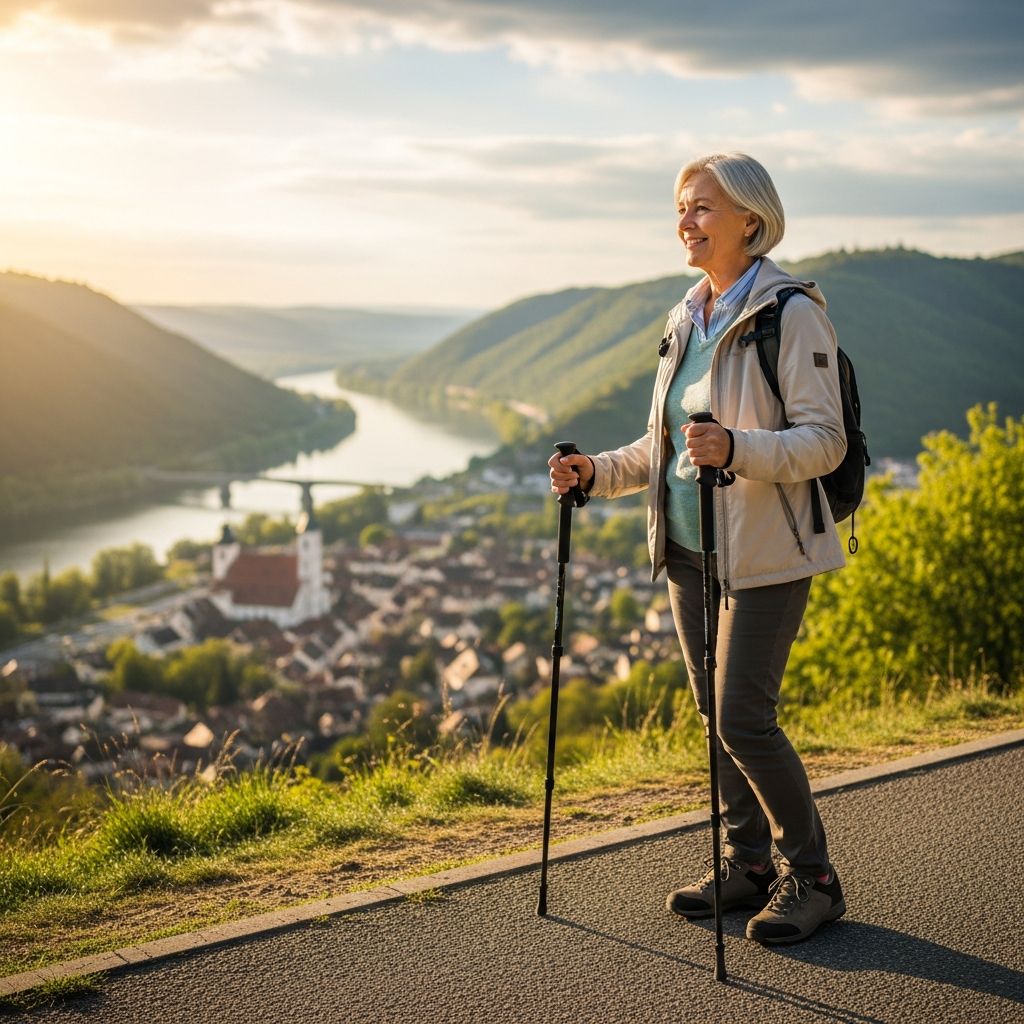
Parkinson’s disease introduces unique hurdles to travel, from managing symptoms in unfamiliar settings to coordinating care across distances. Yet, with thoughtful preparation, individuals can embark on fulfilling journeys that enrich their lives. This guide draws on established recommendations to empower you with strategies for safe, enjoyable travel.
Mastering Medication Management on the Go
Medications form the cornerstone of Parkinson’s management, and disruptions during travel can exacerbate symptoms like tremors or rigidity. Always carry a supply exceeding your trip duration by several days to account for delays or lost luggage. Pack these in your carry-on bag, retaining original labels for security checks and medical verification.
Prepare a detailed list including generic and brand names, dosages, and your prescribing physician’s contact details. This document proves invaluable if refills are needed abroad or in emergencies. Digital apps can set reminders aligned with your home schedule, crucial when crossing time zones—resist shifting doses to local time; instead, maintain your routine to stabilize symptom control.
- Stock extras for at least 7-10 days beyond planned return.
- Include over-the-counter aids like pain relievers or anti-nausea options.
- Carry a physician’s note explaining your regimen for customs or airlines.
Hydration and snacks complement dosing; keep a reusable bottle and non-perishable foods handy, as dehydration worsens motor issues.
Consulting Healthcare Providers Pre-Trip
Ahead of departure, schedule a review with your neurologist or Parkinson’s specialist. Discuss itinerary details, including duration, destinations, and potential environmental factors like altitude, which may influence dopamine levels or oxygen needs. Obtain prescriptions for extras and any travel-specific adjustments.
Review vaccinations, especially for international trips, and inquire about managing fatigue or sleep disruptions from jet lag. Your doctor might recommend adaptive tools or therapies to sustain during travel.
Securing Airport and Transportation Support
Airports pose fatigue-inducing challenges with long walks and queues. Contact airlines 48-72 hours prior to request assistance: wheelchairs, electric carts, or priority boarding ease navigation. A doctor’s note certifying mobility needs often expedites approvals.
Practice stretches during flights to counter stiffness; rise periodically if able. For longer hauls, select aisles for movement space. Alternatives like trains or drives minimize airport stress, offering flexibility for rest stops.
| Transportation Mode | Pros for Parkinson’s | Cons | Tips |
|---|---|---|---|
| Airplane | Fast long-distance | Crowded, immobile | Request aid, carry-on meds |
| Train | Spacious, scenic | Schedules vary | Book accessible cars |
| Car | Flexible stops | Driver fatigue | Plan breaks every 2 hours |
| Cruise | All-inclusive | Motion sickness | Choose stabilizer cabins |
Choosing and Customizing Lodging
Verify hotel accessibility before booking: request ground-floor or elevator-proximate rooms, roll-in showers, grab bars, and widened doorways. Inquire about airport shuttles equipped for mobility aids. Platforms like hotel websites or apps filter for ADA-compliant options.
Related Stories



Pack adaptive clothing—elastic waists, Velcro fasteners, wrinkle-resistant fabrics—to simplify dressing amid travel haste. Include favored assistive devices like canes, walkers, or portable seat cushions.
Maintaining Daily Routines Amid Adventures
Consistency combats unpredictability: adhere to exercise, nutrition, and sleep patterns. Portable resistance bands or chair yoga sustain mobility; apps track activity and meds. Opt for nutrient-dense snacks over irregular meals to stabilize energy.
Build downtime into schedules—fewer attractions daily, pre-booked skip-the-line tickets, and mid-day rests prevent overload. Sightseeing buses or tours with audio guides allow seated exploration.
Navigating Insurance and Emergencies
Scrutinize your policy for out-of-network or international coverage; procure supplemental travel insurance covering pre-existing conditions. Note local emergency numbers and Parkinson-savvy clinics via consulate sites.
Compile an ‘aware and care’ kit: ID bracelet noting PD, allergy list, backup phone charger, and copies of medical records. Share plans with family, including digital access to health portals.
Overcoming Environmental and Lifestyle Factors
Altitude may intensify symptoms; consult providers for high-elevation destinations. Combat jet lag with light exposure and melatonin if approved. Noise-cancelling headphones and portable massagers address sensory overload and muscle tension.
For group travel, educate companions on PD cues like ‘off’ periods, fostering supportive dynamics.
FAQs
How do time zones affect Parkinson’s meds?
Maintain home dosing intervals; use alarms to avoid gaps that worsen symptoms.
Is flying safe with PD?
Yes, with pre-arranged aid and movement during flights to mitigate DVT risk.
What if luggage is lost?
Carry-ons hold all meds and essentials; have refill scripts ready.
Can I travel solo with Parkinson’s?
Possible with meticulous planning, emergency contacts, and tech aids like GPS trackers.
How to handle fatigue abroad?
Prioritize rest, hydrate, and schedule lightly; consider caffeine strategically.
Real-Life Strategies from the Community
Travelers with PD emphasize checklists: jot needs weeks ahead, test pack, and refine. One shares using walking poles for stability on uneven terrain; another packs a massage gun for instant relief. Virtual classes keep exercise routines alive remotely.
Embrace flexibility—cancellations happen, but preparation builds resilience. Ultimately, pacing yourself unlocks joy in discovery.
References
- 8 Tips for Traveling with Parkinson’s — Parkinson’s Foundation. 2023. https://www.parkinson.org/blog/tips/traveling-tips
- Tips for Traveling with Parkinson’s – Plan Ahead for Success! — Stanford Parkinson’s Community Outreach. 2024-04. https://parkinsonsblog.stanford.edu/2024/04/tips-for-traveling-with-parkinsons-plan-ahead-for-success/
- Tips on Traveling with Parkinson’s Disease — Michael J. Fox Foundation. 2023. https://www.michaeljfox.org/news/tips-traveling-parkinsons-disease
- Traveling with Parkinson’s Disease — YouTube/APDA. 2023. https://www.youtube.com/watch?v=73i-vNrgWXE
- Summer 2024 THRIVE Newsletter – The Travel Issue — Crexon THCP. 2024-08. https://crexonthcp.com/wp-content/uploads/2024/08/Summer-2024-THRIVE-Newsletter-The-Travel-Issue.pdf
- Tips for Traveling with Parkinson’s Disease — American Parkinson Disease Association. 2024. https://www.apdaparkinson.org/article/tips-for-traveling-with-parkinsons-disease/
- 2025 Guide To Traveling with Parkinson’s Disease — Parkinson’s Community Los Angeles. 2024. https://www.pcla.org/blog/2024-guide-to-traveling-with-parkinsons-disease
Similar Articles








Read full bio of Sneha Tete