Traveler’s Diarrhea: Prevention And Treatment Guide
Understand causes, prevention strategies, and treatments for traveler's diarrhea to stay healthy on your next trip.
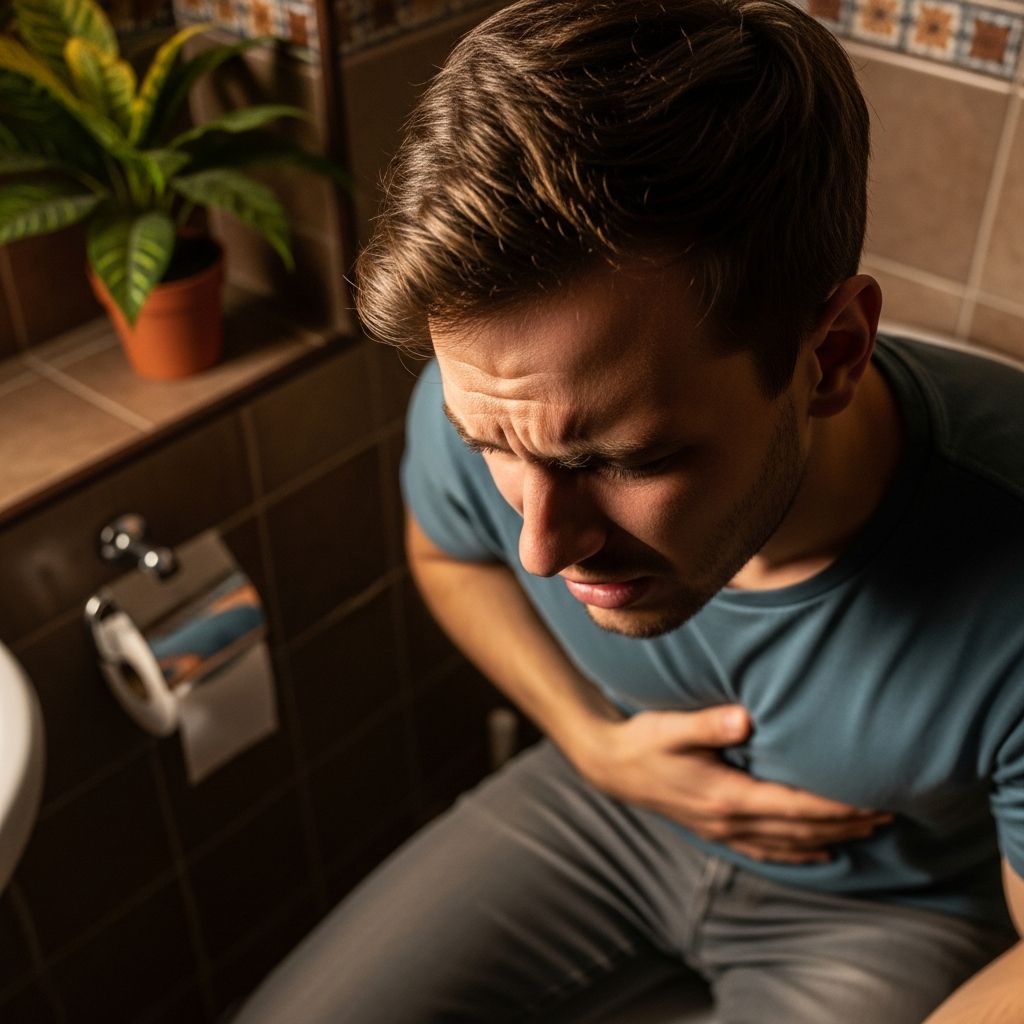
Traveler’s diarrhea (TD) is the most common travel-related illness, affecting 30% to 70% of travelers during a two-week trip, depending on destination, season, and risk factors. Caused primarily by bacteria from contaminated food or water, it leads to loose stools, cramps, and urgency, typically resolving in 1-2 days but potentially causing dehydration.
What Is Traveler’s Diarrhea?
Traveler’s diarrhea is a gastrointestinal infection triggered by consuming contaminated food or water in areas with poorer sanitation. It manifests as three or more loose stools in 24 hours, often with abdominal cramps, nausea, vomiting, or fever. Bacteria like enterotoxigenic Escherichia coli (ETEC) cause up to 30% of cases, alongside Campylobacter jejuni, Shigella, and Salmonella; viruses like norovirus; and parasites.
Symptoms usually start suddenly 6-24 hours after exposure for bacteria/viruses, or 1-3 weeks for parasites. Most cases are self-limiting within a week, but severe episodes can lead to dehydration, especially in vulnerable groups.
Symptoms of Traveler’s Diarrhea
Core symptoms include:
- Sudden onset of three or more loose, watery stools per day.
- Urgent need to defecate.
- Moderate to severe abdominal cramps.
- Nausea, sometimes with vomiting.
- Low-grade fever (less common).
Severe signs: blood or mucus in stool, high fever, or prolonged vomiting indicate invasive bacteria needing prompt care. Persistent diarrhea beyond two weeks suggests protozoa.
Causes of Traveler’s Diarrhea
TD spreads via fecal-oral route from poor hygiene in food preparation, inadequate refrigeration, or contaminated water/ice. High-risk areas: most of Asia, Middle East, Africa, Mexico, Central/South America, especially in hot/humid seasons.
Primary pathogens:
- Bacteria (80-90%): ETEC (30%), Campylobacter, Shigella, Salmonella.
- Viruses (5-10%): Norovirus, rotavirus.
- Parasites (5-10%): Giardia, Cryptosporidium, Entamoeba.
Risk amplifiers: proton pump inhibitors (PPIs), recent antibiotics, unsafe sex, or underlying conditions.
Risk Factors
| Group | Increased Risk |
|---|---|
| Destinations | Developing regions (Asia, Africa, Latin America). |
| Season | Hot/humid pre-monsoon periods. |
| Individuals | Infants/elderly, immunocompromised, IBD/diabetes patients. |
| Behaviors | PPI/antacid use, street food, tap water/ice. |
Attack rates: 30-70% in two weeks; even “safe” eaters get ill due to restaurant hygiene deficits.
Prevention of Traveler’s Diarrhea
No method is 100% effective, but combined strategies reduce risk by 50-80%.
Food and Water Precautions
- Drink sealed bottled, boiled, or treated (chlorine/iodine) water; avoid tap/ice.
- Eat peeled fruits/vegetables, hot cooked foods; skip leafy greens, street vendor items.
- Avoid raw/undercooked meats, shellfish, unpasteurized dairy.
Prophylactic Measures
- Bismuth subsalicylate (Pepto-Bismol): 2 tabs (524 mg) 4x/day; halves incidence but avoid in children/pregnant due to salicylates.
- Antibiotics (not routine): Rifaximin or azithromycin for high-risk travelers (e.g., athletes); short-term use per guidelines.
- Hand hygiene: Soap/wash or sanitizer before eating.
Vaccines: Experimental ETEC vaccine not widely available.
Treatment for Traveler’s Diarrhea
Treatment depends on severity: mild (increased stools), moderate (with cramps/nausea), severe (fever/blood).
Related Stories



Supportive Care
Oral rehydration therapy (ORT): Essential for all; use WHO solution or mix 1 tsp salt + 8 tsp sugar in 1L safe water. Prevents dehydration in healthy adults; critical for children/elderly.
- Sip fluids frequently; avoid caffeine/alcohol.
Symptomatic Relief
- Loperamide (Imodium): 4 mg initial, then 2 mg after each stool (max 16 mg/day); for mild-moderate, not with fever/blood.
- Bismuth subsalicylate: 524 mg every 30-60 min (max 8 doses).
Antibiotics (Moderate-Severe)
Strong evidence supports antimicrobials for moderate-severe TD.
| Drug | Dose | Notes |
|---|---|---|
| Rifaximin | 200 mg 3x/day x3 days | Non-invasive bacteria; safe. |
| Azithromycin | 500 mg once or 100 mg/day x3 days | Covers Campylobacter; single-dose option. |
| Ciprofloxacin | 500 mg 2x/day x3 days | Resistance rising; avoid in SE Asia. |
Combine with loperamide for faster relief. Seek care for severe dehydration, bloody stools, or >3 days duration.
When to See a Doctor
- High fever (>102°F/39°C), bloody/mucousy stools.
- Signs of dehydration: dry mouth, dizziness, no urine.
- Persistent symptoms >48 hours despite treatment.
- Returnees with diarrhea >2 weeks: Test for parasites.
Complications: Dehydration, post-infectious IBS, or IBD trigger in predisposed.
Post-Travel Considerations
MDRO acquisition risk from antibiotics; persistent diarrhea warrants stool tests. Protozoa like Giardia need specific therapy (e.g., metronidazole).
Frequently Asked Questions (FAQs)
What is the best way to prevent traveler’s diarrhea?
Follow food/water rules: boil/cook/peel or forget it, use hand sanitizer, consider bismuth subsalicylate prophylaxis.
How long does traveler’s diarrhea last?
Most resolve in 1-3 days with or without treatment; full recovery in a week.
Can I use antibiotics for mild TD?
No; reserve for moderate-severe. Use loperamide and rehydration first.
Is traveler’s diarrhea contagious?
Indirectly via poor hygiene; not person-to-person like norovirus.
What if I get TD at home after travel?
Monitor for persistence; seek protozoa testing if >2 weeks.
Key Takeaways
- TD hits 30-70% of travelers; prevent with safe eating/hygiene.
- Treat mild with ORT/loperamide; add antibiotics for severe.
- High-risk? Consult pre-travel for prophylaxis.
References
- Guidelines for the prevention and treatment of travelers’ diarrhea — Journal of Travel Medicine, Oxford Academic. 2017-06-01. https://academic.oup.com/jtm/article/24/suppl_1/S63/3782742
- Travelers’ Diarrhea | Yellow Book – CDC — Centers for Disease Control and Prevention. 2024. https://www.cdc.gov/yellow-book/hcp/preparing-international-travelers/travelers-diarrhea.html
- Traveler’s Diarrhea: What It Is, Treatment & Antibiotics — Cleveland Clinic. 2023-08-22. https://my.clevelandclinic.org/health/diseases/7315-travelers-diarrhea
- Travelers Diarrhea – StatPearls – NCBI Bookshelf — National Center for Biotechnology Information. 2023-07-17. https://www.ncbi.nlm.nih.gov/books/NBK459348/
- Traveler’s diarrhea – Symptoms and causes – Mayo Clinic — Mayo Clinic. 2023-09-20. https://www.mayoclinic.org/diseases-conditions/travelers-diarrhea/symptoms-causes/syc-20352182
- Traveler’s Diarrhea Diet – UF Health — University of Florida Health. 2023. https://ufhealth.org/conditions-and-treatments/travelers-diarrhea-diet
Similar Articles








Read full bio of medha deb