Traveler’s First Aid Kit: Essential Medical Supplies for Safe Travel
Complete guide to assembling a traveler's first aid kit for safe, worry-free adventures.
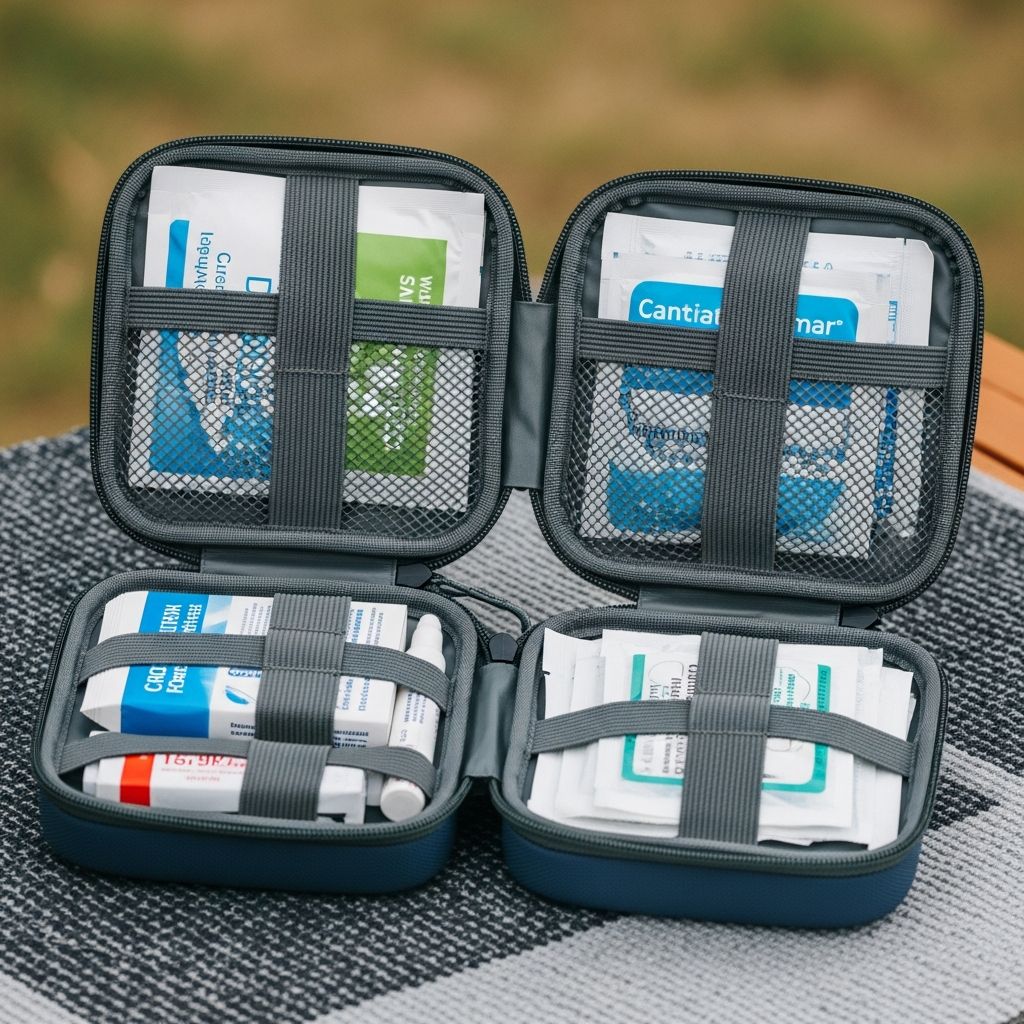
Traveler’s First Aid Kit: Your Essential Guide to Medical Preparedness
Traveling to new destinations brings excitement and adventure, but it also comes with health risks and unexpected medical situations. Whether you’re exploring remote destinations or visiting bustling cities, having a well-stocked first aid kit is one of the most important preparations you can make. A properly assembled traveler’s first aid kit can help you manage minor health issues without seeking emergency medical care, save you money, and ensure you spend more time enjoying your trip rather than worrying about health concerns.
This comprehensive guide will walk you through everything you need to know about assembling and maintaining a traveler’s first aid kit. By following these recommendations, you’ll be prepared to handle common medical emergencies and minor health issues that may arise during your travels.
Why a Traveler’s First Aid Kit Matters
When traveling, especially to unfamiliar destinations, access to medical care may be limited or complicated. Medications and products available in your home country might be difficult to find abroad, may be known by different names, or could be significantly more expensive. Additionally, language barriers can make communicating symptoms and obtaining appropriate treatment challenging. A well-prepared first aid kit bridges these gaps, enabling you to confidently manage minor injuries and illnesses independently.
Having a first aid kit also provides peace of mind, knowing you have the tools necessary to respond quickly to health issues. This is particularly important when traveling with family members, including children or elderly relatives who may have specific medical needs.
Selecting the Right Container for Your First Aid Kit
The foundation of an effective traveler’s first aid kit starts with choosing an appropriate container. Your container should be durable, portable, and organized to accommodate all necessary supplies while remaining easy to access when needed.
Container Characteristics
Look for a hard-plastic container with compartments or dividers, such as a small fishing tackle box or a specialized first aid kit container. The compartmentalized design helps you organize items logically, making it easy to find what you need in an emergency. Your choice of container size should depend on your trip duration and destination type. For extended travels to remote areas where medical facilities are scarce, invest in a larger container. For shorter trips to well-developed areas with readily available medical services, a compact travel-sized kit will suffice.
Ensure your container is waterproof or water-resistant to protect contents from moisture and humidity, which is especially important in tropical climates or if you’ll be near water during your travels. Label your container clearly so customs officials and travel companions understand its contents.
Personal Medications and Documentation
Your traveler’s first aid kit should include an adequate supply of any medications you take regularly. This is one of the most critical components of your kit, as prescription medications may be impossible to obtain abroad or known under completely different brand names in other countries.
Medication Preparation Tips
Pack more medication than you think you’ll need to account for potential travel delays, missed flights, or extended stays. Bring all medications in their original containers with clear labels showing your name, medication name, dosage, and frequency of use. This documentation is essential for customs officials who may question unmarked medications.
Related Stories



Before traveling internationally, obtain a letter or certificate from your physician documenting that your medications are prescribed for your personal use. Many countries require this documentation to allow you through customs, and it protects you from legal complications. Research the names of your medications in the languages of the countries you’ll visit, as medications are often known by different brand names globally.
Additional Medications to Consider
In addition to your regular prescription medications, include over-the-counter options such as pain relievers like ibuprofen or acetaminophen for headaches and minor aches, antacids for indigestion or heartburn, antihistamines for allergic reactions, and decongestants for cold symptoms. Include anti-diarrheal medication, which is particularly important when traveling to areas with different food and water. Pack anti-nausea medication if you’re prone to motion sickness or digestive upset.
Wound Care and Treatment for Minor Injuries
Most travelers will encounter minor cuts, scrapes, blisters, or small wounds at some point. A comprehensive wound care section in your first aid kit enables you to treat these issues promptly and prevent infection.
Essential Wound Care Supplies
Adhesive bandages: Pack assorted sizes of band-aids for minor cuts and skin injuries. Include butterfly bandages or bandage closures for securing the edges of minor cuts together without leaving visible scars.
Gauze pads and rolls: These are essential for larger wounds that require more coverage than adhesive bandages. Bringing a variety of sizes allows you to cut gauze to fit specific wounds. Include medical tape to secure gauze in place.
Elastic bandages and wraps: Self-adhesive elastic wraps can support strained wrists, ankles, knees, and elbows without requiring safety pins. These wraps also reduce swelling and can serve as makeshift slings if needed.
Antibiotic ointment: Apply antibiotic ointment to minor cuts before covering with bandages to prevent infection and promote healing. Choose a travel-sized tube to save space.
Antiseptic wipes: These are invaluable for cleaning wounds and disinfecting your hands before treating injuries. Alcohol-based wipes are compact and effective.
Sterile gloves: Non-latex gloves prevent cross-contamination and protect both you and anyone you might treat from blood-borne infections. This is especially important when traveling to areas with limited healthcare infrastructure.
Cold packs: Instant cold packs help manage bumps, bruises, and minor burns by reducing inflammation and pain.
Blister Prevention and Treatment
Travelers often develop blisters from extended walking or wearing new shoes in unfamiliar terrain. Include blister prevention products such as moleskin and blister treatment supplies. Treating blisters early prevents them from becoming infected and causing more serious problems.
Additional Essential Items
Beyond medications and wound care supplies, several other items are crucial for a complete traveler’s first aid kit.
Diagnostic and Miscellaneous Supplies
Thermometer: A digital thermometer helps you monitor your temperature if you suspect fever from illness. Compact digital thermometers are ideal for travel.
Tweezers: Tweezers are useful for removing splinters, thorns, or other foreign objects from your skin. Choose fine-tipped tweezers for precision.
Scissors: Small medical scissors cut tape, gauze, and bandages to appropriate sizes. Safety-rounded scissors prevent accidental injuries.
Flashlight or pen light: A small flashlight with extra batteries helps you examine wounds or assess injuries in low-light conditions, which is particularly useful if you become ill at night or in unfamiliar accommodations.
Pen and paper: Document symptoms, medication doses, accident details, and important medical information. Include written records of blood types and serious allergies for all family members traveling with you.
Safety pins: These help secure bandages and can serve various purposes in emergency situations.
Non-latex gloves: Protect yourself and others from cross-contamination when treating wounds or handling bodily fluids.
Medications for Common Travel Ailments
Certain health issues are particularly common among travelers. Including specific medications for these conditions ensures you can manage them promptly.
Gastrointestinal Issues
Traveler’s diarrhea is one of the most common health problems affecting international travelers. Include anti-diarrheal medication and oral rehydration salts to replace lost fluids and electrolytes. These simple remedies can restore your health and allow you to continue enjoying your travels without significant disruption.
Pain and Fever Management
Include over-the-counter pain relievers suitable for your personal medical history. Options include ibuprofen for inflammation and muscle pain, acetaminophen for general pain and fever, and aspirin for certain conditions (if appropriate for you). Travel-sized bottles conserve space while maintaining adequate supplies.
Allergy and Cold Symptoms
Pack antihistamines for allergic reactions, whether to food, environmental allergens, or insect bites. Include decongestants and cough medicine if you’re prone to colds or respiratory issues.
Sun Protection and Insect Bite Prevention
Depending on your destination, sun exposure and insect bites may be significant concerns. Sun protection items should include high-SPF broad-spectrum sunscreen, lip balm with SPF, and aloe vera gel for treating sunburns. Include insect repellent containing DEET or other approved active ingredients, along with anti-itch cream or hydrocortisone for insect bite relief.
Feminine and Personal Care Items
If applicable, include feminine hygiene products, as these may be difficult to locate or significantly more expensive in some destinations. Include any contraceptive methods you use, as these may not be readily available everywhere. These personal items should take priority over less essential supplies.
Vaccination Records and Medical Documentation
Keep copies of your vaccination records with your first aid kit. Many countries require proof of certain vaccinations for entry, and having documentation easily accessible streamlines border crossings and medical consultations if needed.
Customizing Your Kit by Destination
The contents of your first aid kit should reflect the specific characteristics of your destination. Travelers heading to remote areas, high-altitude locations, or developing nations with limited medical infrastructure should include more comprehensive supplies than those visiting major cities with modern healthcare systems.
Research your destination’s climate, common health risks, availability of medical services, and water quality. Travelers to high-risk malaria areas might include antimalarial medications, while those visiting areas with limited clean water should prioritize water purification supplies and medications for waterborne illnesses.
Packing and Organization Tips
Organize your first aid kit logically, grouping similar items together. Label compartments clearly so anyone can quickly find needed items in an emergency. Keep your kit easily accessible but protected from extreme temperatures and moisture. Consider keeping a duplicate of essential medications in a separate location, such as your checked luggage, in case your carry-on is delayed or lost.
Maintenance and Restocking
Before each trip, check your first aid kit for expired medications and used supplies. Replace expired items and restock consumed products. Temperatures and humidity during storage can affect medication efficacy, so store your kit in a cool, dry location and check items periodically.
Frequently Asked Questions
Q: Can I pack my first aid kit in carry-on luggage?
A: Most first aid supplies are permitted in carry-on luggage, but certain items like sharp objects, liquids exceeding 3.4 ounces, and specific medications have restrictions. Check with your airline before packing and place sharp items like scissors and tweezers in checked baggage if they exceed carry-on size limits.
Q: What should I do if I need prescription medications while traveling?
A: Contact your accommodation’s front desk or travel insurance provider for assistance locating a local pharmacy or clinic. Your physician’s letter and prescription documentation will help facilitate obtaining replacements, though costs may be higher than at home.
Q: How should I handle medication storage in hot climates?
A: Store medications in a cool, dry place away from direct sunlight. Many hotels offer refrigeration for medications requiring it. Avoid storing medications in car glove compartments or direct sunlight, which can degrade their effectiveness.
Q: Is travel insurance necessary if I have a first aid kit?
A: Yes. A first aid kit addresses minor health issues, but travel insurance protects you for serious medical emergencies requiring hospitalization or medical evacuation, which can cost thousands of dollars internationally.
Q: What’s the difference between a personal first aid kit and an expanded kit?
A: A personal kit contains basic supplies for minor injuries and common ailments. An expanded kit includes additional items for remote travel, expedition conditions, or group travel situations where medical facilities may be unavailable for extended periods.
References
- Travel Health Kits — Centers for Disease Control and Prevention (CDC). 2024. https://www.cdc.gov/yellow-book/hcp/preparing-international-travelers/travel-health-kits.html
- Essential Travel First Aid Kit: A Comprehensive Guide for Travelers — Prodia Digital. 2024. https://prodiadigital.com/en/articles/essential-travel-first-aid-kit-a-comprehensive-guide-for-travelers
- Everything You Should Have in Your Traveler’s First Aid Kit — Solo Female Travelers Club. 2024. https://www.solofemaletravelers.club/everything-you-should-have-in-your-travelers-first-aid-kit/
- Mountain Medical Kits: Epidemiology-Based Recommendations — Brandenburg, W. E., & Locke, B. W. (2017). Journal of Travel Medicine, 24(2). https://www.doi.org/10.1093/jtm/taw088
- Travel Medicine (4th ed.) — Keystone, J. S., et al. (2019). Elsevier.
Similar Articles








Read full bio of medha deb