Traveling With Medicines: Complete Guide And Checklist
Essential guidelines for safely transporting prescription and over-the-counter drugs during international trips to avoid legal issues.
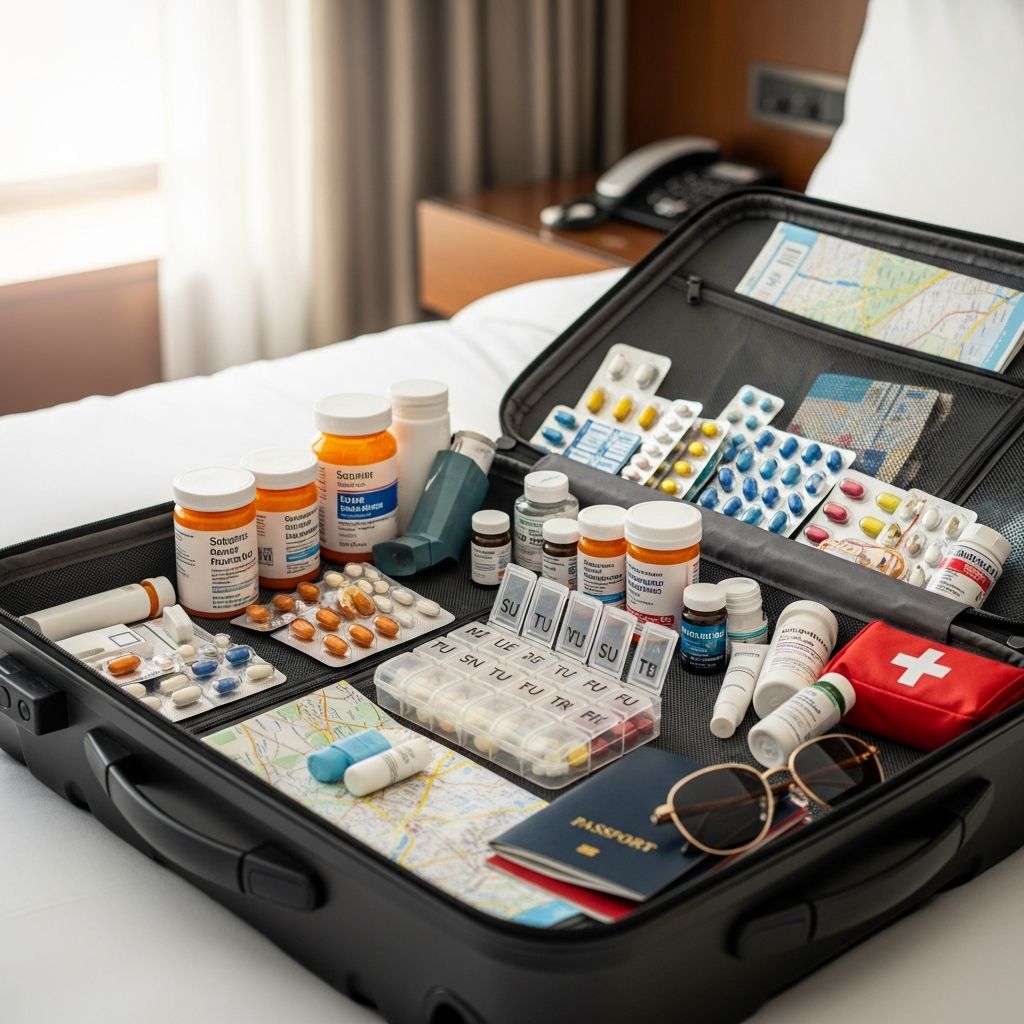
Transporting medications across borders demands meticulous preparation to comply with diverse international laws and safeguard your health needs. Whether managing chronic conditions or carrying routine prescriptions, understanding packing strategies, documentation requirements, and declaration protocols is crucial for uninterrupted access to essential treatments.
Why Preparation Matters for Medicine Transport
Global variations in drug regulations can turn routine travel into potential legal hurdles. Medications permissible in one nation might face bans or require permits elsewhere, particularly controlled substances like opioids or stimulants. Proactive research prevents confiscations, fines, or detentions at borders.
Airlines and security screenings add layers of scrutiny, emphasizing carry-on storage to protect against lost luggage. For temperature-sensitive drugs, planning for refrigeration or insulated packing ensures efficacy throughout the journey.
Core Principles for Packing Medicines
- Opt for carry-on luggage exclusively: Place all medications in hand luggage to avoid loss and facilitate quick access during flights or delays.
- Retain original packaging: Labels with your name, drug details, and dosage aid verification by authorities, reducing misunderstandings.
- Limit quantities to trip needs: Pack sufficient supply plus extras for unforeseen extensions, typically capping at 90 days for U.S. entry, to evade suspicions of trafficking.
- Account for special needs: Include syringes, pumps, or cool packs for injectables, declaring them upfront at security.
Essential Documentation to Carry
A robust paperwork kit forms your primary defense against customs challenges. Key items include:
- Current prescription listing drug name, strength, dosage, and treatment purpose.
- Doctor’s letter on official letterhead detailing your condition, generic/brand names, and personal use confirmation—ideally translated for non-English destinations.
- Embassy or consulate confirmations verifying legality in target countries.
For extended stays or complex regimens, secure import permits in advance from destination health authorities.
| Document Type | Purpose | When Required |
|---|---|---|
| Prescription Copy | Proves legitimacy | All trips with Rx drugs |
| Doctor’s Letter | Explains medical necessity | Controlled substances, injectables |
| Permit/Approval | Authorizes import | Restricted countries (e.g., UAE, Japan) |
| Translation | Facilitates local review | Non-English speaking nations |
Navigating Airline and Airport Security
TSA and equivalent agencies permit unlimited personal medications in carry-ons, but liquids over 100ml—like insulin—must be declared separately. Inform officers early, presenting documentation to expedite screening.
Injectable or infused therapies, including associated devices, are allowed with proof of need. Gel packs for cooling are typically approved; verify with your carrier.
Customs Declaration Protocols
Upon arrival, assess if declaration is mandatory—common in Asia and Middle East. Failure to disclose can trigger penalties. Prepare to present meds, docs, and articulate personal use.
Countries like Singapore demand pre-submission for psychotropics via their Health Sciences Authority, while Australia’s strict steroid controls necessitate prescriptions.
Country-Specific Considerations
Regulations diverge sharply:
- Japan, UAE, Singapore: Zero tolerance for many narcotics, ADHD meds (e.g., Adderall), even with prescriptions—seek exemptions early.
- China, Saudi Arabia: Caps on quantities; special docs for opioids or sedatives.
- Australia: Prohibits unapproved steroids; declare all imports.
- India, Thailand: Routine declarations required; carry Rx proofs.
- European Union: Generally permissive for personal use but check Schengen narcotic rules.
Consult destination embassies or IATA travel centre for latest advisories, as rules evolve.
Handling Over-the-Counter and Supplements
Not all OTC drugs are universal—pseudoephedrine (Sudafed) or diphenhydramine (Benadryl) face ingredient bans in places like Japan. Protein powders or herbal supplements may qualify as controlled.
Related Stories



Pack modestly, retain receipts, and research formulations to sidestep issues.
Tips for Special Medication Types
Controlled Substances
Opioids, benzodiazepines, and stimulants demand extra vigilance. Verify legality; some nations like UAE impose life sentences for undeclared amounts.
Injectables and Infusions
Syringes require medical justification letters. Airlines accommodate pumps; notify in advance for assistance.
Temperature-Controlled Drugs
Insulated bags with gel packs preserve insulin or biologics. Avoid checked holds where extremes damage potency.
Managing Time Zones and Dosages
Jet lag disrupts schedules—discuss adjustments with your physician pre-trip. Carry a dosage calendar accounting for crossings.
Backup Plans and Insurance
Locate pharmacies or clinics at destinations via apps. Travel insurance covering medical evacuations or refill provisions adds security. Never mail meds internationally due to seizure risks.
Frequently Asked Questions
Can I pack medicines in checked luggage?
No—always use carry-on to prevent loss and enable access.
Do I need a prescription for OTC drugs abroad?
Not usually, but check for ingredient restrictions.
What if my medication is refrigerated?
Use approved cool packs; declare at security.
Is a doctor’s note mandatory everywhere?
Recommended universally, required for controlled drugs in many places.
How much extra medication should I bring?
Enough for trip plus 3-7 days; max 90-day supply advised.
Can I transfer pills to a daily organizer?
Yes, but retain original bottles as backup proof.
Final Preparation Checklist
- Research destination rules via embassy sites.
- Obtain doctor’s letter and prescription copies.
- Pack in carry-on, original containers.
- Prepare translations and permits if needed.
- Notify airline of special needs.
- Declare at customs as required.
- Know local medical resources.
Armed with this knowledge, your travels remain healthful and compliant. Prioritize verification close to departure for any updates.
References
- Traveling with Prescription Drugs Internationally: What You Need to Know — Assist Card. 2023. https://www.assistcard.com/us-en/traveling-with-prescription-drugs
- Medicine and Health — U.S. Department of State. 2024-02-01. https://travel.state.gov/en/international-travel/planning/guidance/medicine-health.html
- Tips for Traveling with Medication — Harvard Global Support Services. 2023. https://www.globalsupport.harvard.edu/travel/advice/tips-traveling-medication
- Can You Take Prescription Medication on a Plane? Tips for Traveling with Infused and Injectable Medications — BioMatrix Specialty Infusion Pharmacy. 2024-01-15. https://www.biomatrixsprx.com/news/can-you-take-prescription-medication-on-a-plane-tips-for-traveling-with-infused-and-injectable-medications
- Traveling with Medications — University of Southern Mississippi Office of Study Abroad. 2023. https://studyabroad.usm.edu/index.cfm?FuseAction=Abroad.ViewLink&Link_ID=24228015-9F3B-DA32-C002ED8851C5151F
- Medications When Traveling Internationally — Mobility International USA. 2022-11-10. https://miusa.org/resource/tip-sheets/medications/
- Traveling with Medication to the United States — U.S. Customs and Border Protection. 2024. https://www.help.cbp.gov/s/article/Article-1444?language=en_US
- Traveling with Medication and Medical Equipment — United Airlines. 2024. https://www.united.com/en/us/fly/travel/accessibility-and-assistance/medication.html
Similar Articles








Read full bio of medha deb