7 Ways to Treat Chronic Back Pain Without Surgery
Discover effective non-surgical treatments for chronic back pain relief and management strategies.
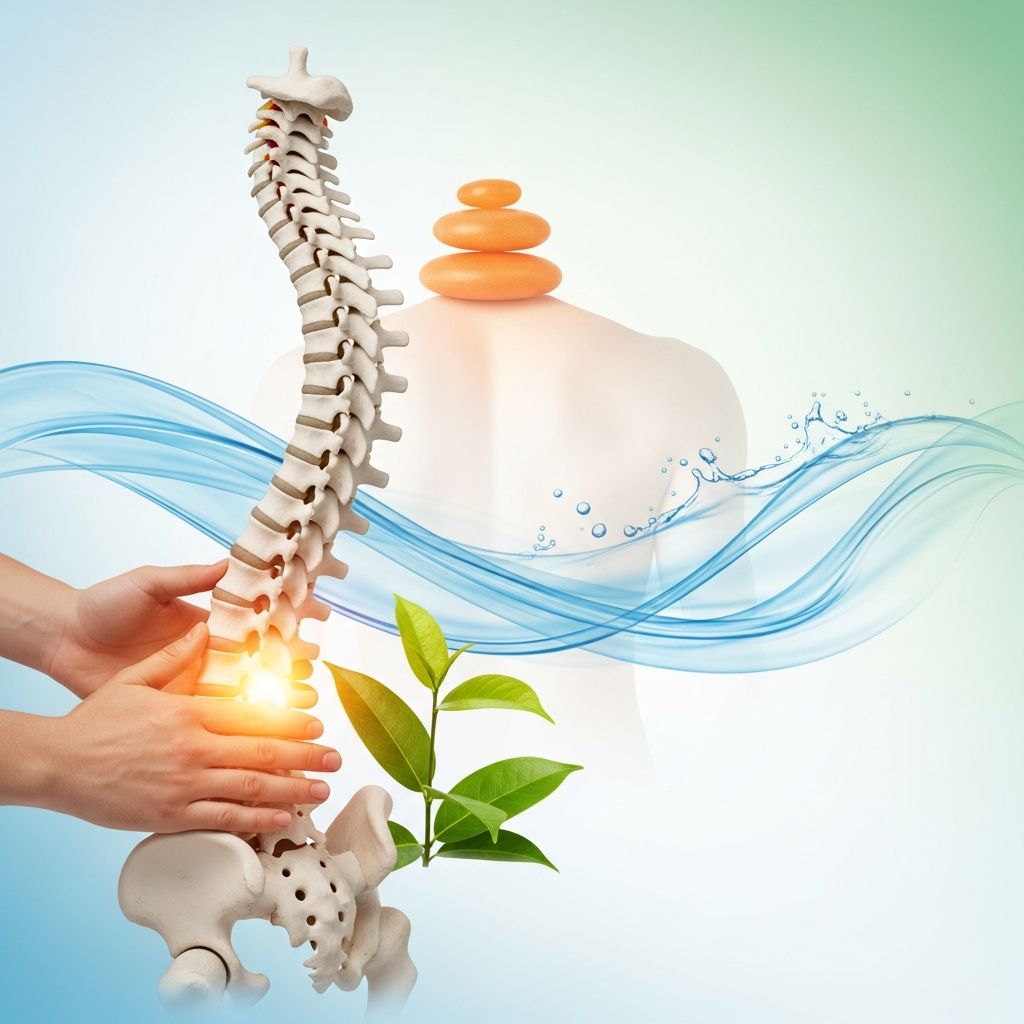
Chronic back pain affects millions of adults worldwide and significantly impacts quality of life, limiting daily activities and productivity. While surgery may seem like a quick solution, most back pain specialists recommend exhausting conservative treatment options first. According to spine specialists at Johns Hopkins Medicine, surgery should be reserved for specific cases and only after non-invasive treatments have been attempted without success. This comprehensive guide explores seven effective ways to manage chronic back pain without surgery, offering evidence-based strategies that can help restore function and reduce discomfort.
1. Physical Therapy and Exercise
Physical therapy stands as the first line of defense against chronic back pain and remains one of the most effective non-surgical treatments available. Movement-based interventions are among the earliest tools prescribed by pain specialists for patients experiencing persistent back discomfort. A trained physical therapist designs customized exercise programs tailored to individual needs, addressing the specific structural and functional issues contributing to pain.
Effective physical therapy programs typically incorporate several key components:
– Core strengthening exercises that stabilize the spine and reduce stress on vertebral joints- Stretching routines that improve flexibility and reduce muscle tension- Posture retraining to correct harmful movement patterns developed during chronic pain- Gradual pain-threshold work that helps recondition the nervous system- Low-impact aerobic conditioning to improve overall cardiovascular health without aggravating the spine
Research consistently validates this approach. A 2021 review of exercise therapy concluded that structured exercise programs lead to clinically meaningful improvements in pain and function for chronic low back pain, with benefits often lasting well beyond the initial therapy period. Physical therapy works by building resilience in the body and retraining the spine to function with minimal irritation, rather than attempting to eliminate all pain sensations. Long-term follow-up studies demonstrate that patients who maintain exercise regimens experience sustained improvements in pain levels and functional capacity.
2. Mind-Body Practices and Psychological Approaches
Chronic back pain rarely exists in isolation—it frequently accompanies depression, anxiety, irritability, and emotional frustration. Recognizing the bidirectional relationship between physical pain and mental health, modern pain management integrates mind-body interventions as essential components of treatment. These practices are far more than supplementary wellness techniques; they produce measurable neurological effects that reduce pain perception.
Effective mind-body approaches include:
– Meditation and mindfulness-based stress reduction programs- Yoga tailored for spinal health and pain management- Tai chi and qigong for balance improvement and pain reduction- Cognitive behavioral therapy to address pain-related thought patterns- Relaxation techniques and guided imagery
A Johns Hopkins-led review published in JAMA Internal Medicine found that mindfulness meditation produced measurable improvements in anxiety and depression, with benefits comparable to standard pharmaceutical interventions. More recent research from 2024 published in the North American Spine Society Journal demonstrated that tai chi and qigong not only reduced back pain intensity but also improved sleep quality, mood regulation, and balance—critical factors in long-term pain management. These practices work by calming the nervous system and reducing the brain’s perception of pain signals, effectively rewiring how the body processes discomfort.
3. Anti-Inflammatory and Pain Management Medications
When other conservative measures prove insufficient, medications can provide meaningful relief and support continued participation in physical therapy and other rehabilitation activities. The key principle in medical management is using the lowest effective dose for the shortest necessary duration, as all medications carry potential risks and side effects.
Related Stories



Common medication options for chronic back pain include:
– Non-steroidal anti-inflammatory drugs (NSAIDs) that reduce inflammation and pain- Muscle relaxants for muscular tension and spasm- Neuropathic pain medications for nerve-related discomfort- Antidepressants at lower doses for pain modulation
However, certain medications require caution. Opioid medications are explicitly not recommended as first-line treatment for chronic back pain. While these powerful drugs may provide short-term relief for acute injuries or post-surgical pain, prolonged opioid use invariably leads to medication tolerance, requiring escalating doses, and carries significant risks of physical dependence and substance use disorder. Physicians emphasize that opioids represent a temporary measure at best and should never become a cornerstone of long-term pain management strategy.
4. Injection-Based Therapies
For patients whose pain stems from identifiable structural sources, injection-based therapies offer temporary but meaningful relief. These interventions can provide symptom reduction lasting from weeks to several months, allowing patients to return to physical therapy with decreased pain levels. It’s crucial to understand that injections typically function as bridges to rehabilitation rather than permanent solutions.
Common injection therapies include:
– Trigger point injections targeting tight, painful muscles- Epidural steroid injections for irritated nerve roots causing radicular pain or sciatica- Facet joint injections and facet blocks for joint-related pain- Nerve blocks for localized pain management- Nerve ablation procedures for longer-lasting nerve pain relief
Research from Johns Hopkins suggests that the therapeutic benefit of injections may derive from multiple factors, with the injection procedure itself contributing as significantly as the medication delivered. These interventions work through anti-inflammatory action, providing temporary nerve pain signal suppression. However, because injections do not address underlying causes of pain, symptoms often return when the medication wears off. Therefore, their greatest value lies in creating a therapeutic window where patients can engage more effectively in physical rehabilitation without pain serving as a limiting factor.
5. Lifestyle Modifications and Ergonomic Adjustments
Chronic back pain development and persistence are intimately connected to modifiable lifestyle factors that create predictable cycles of pain. Addressing these foundational issues proves essential for long-term pain management and prevention of pain chronicity.
Key lifestyle factors affecting back health:
– Posture during daily activities, work, and rest- Smoking status and tobacco use- Body weight and obesity- Physical activity levels and sedentary behavior- Sleep quality and sleep positioning- Stress levels and emotional wellbeing
Making strategic modifications to these factors can substantially reduce pain and prevent recurrence. Proper ergonomic setup at workstations, maintaining healthy body weight, quitting smoking, and increasing daily physical activity all contribute to spinal health. Sleep optimization through proper pillow support, mattress quality, and sleep position adjustments reduces nighttime pain and improves recovery. When lifestyle factors remain unaddressed, they perpetuate the pain cycle, making successful treatment far more difficult regardless of other interventions attempted.
6. Advanced Non-Surgical Interventions
When conservative treatments provide insufficient relief, advanced non-surgical options offer additional possibilities before considering surgery. These technologies represent significant innovations in pain management and can help patients avoid more invasive procedures.
Advanced non-surgical options include:
– Spinal cord stimulation devices that modulate pain signals- Peripheral nerve stimulation targeting specific nerves- Percutaneous medial branch nerve stimulation for facet-related pain- Traction therapy for decompression of compressed nerve roots- Chiropractic manipulation and manual therapy- Acupuncture for pain modulation
Recent research demonstrates promising outcomes with percutaneous peripheral nerve stimulation for patients who haven’t responded to conventional treatments. A Johns Hopkins study found that 73% of patients experienced clinically significant pain reduction (at least 30% improvement) with percutaneous medial branch nerve stimulation, with benefits sustained through 14 months of follow-up. These minimally invasive, nondestructive procedures offer a middle ground between conservative care and surgical intervention, making them particularly valuable for appropriate candidates.
7. Comprehensive Pain Management Programs
Optimal outcomes occur when patients access integrated, multidisciplinary pain management programs combining multiple evidence-based approaches. Rather than relying on single interventions, comprehensive programs address the biological, psychological, and social dimensions of chronic pain.
Effective comprehensive programs typically include:
– Initial diagnostic assessment by spine specialists- Customized physical rehabilitation protocols- Psychological and behavioral health support- Medication management optimized for individual conditions- Occupational therapy for functional restoration- Nutritional counseling and dietary optimization- Regular progress monitoring and treatment adjustment
These multidisciplinary approaches recognize that chronic back pain results from complex interactions between structural problems, nervous system sensitization, psychological factors, and lifestyle influences. No single treatment addresses all these dimensions, but coordinated interventions targeting each area produce superior outcomes compared to isolated treatments.
When Surgery Becomes Necessary
Despite comprehensive non-surgical efforts, some cases genuinely require surgical intervention. Certain alarming red flag symptoms demand urgent evaluation and may necessitate surgery:
– Sudden loss of bladder or bowel control- Groin or genital numbness (indicating cauda equina syndrome)- Progressive or severe limb weakness- Significant balance problems or gait disturbance- Evidence of infection or malignancy
Additionally, imaging studies confirming specific structural abnormalities may justify surgery, but only after documented failure of appropriate conservative therapies. Spine surgeons emphasize that surgery represents the most invasive, highest-risk strategy for chronic back pain. Importantly, surgical correction of structural abnormalities doesn’t guarantee pain relief and may sometimes worsen symptoms. The best spine surgeons reserve surgery for carefully selected cases where conservative treatments have genuinely been exhausted and imaging findings correlate with symptoms.
Frequently Asked Questions
Q: How long does physical therapy typically take to show results?
A: Most patients begin experiencing meaningful improvements within 4-6 weeks of consistent physical therapy, though significant functional gains often take 8-12 weeks or longer. Consistency matters more than speed; regular participation in prescribed exercises produces better outcomes than sporadic intensive sessions.
Q: Are mind-body practices like yoga safe for anyone with back pain?
A: Properly instructed, gentle yoga and tai chi can benefit most people with chronic back pain. However, intensity and specific poses should be tailored to individual conditions. Always inform instructors about your back pain and work with therapists experienced in therapeutic yoga for spine conditions.
Q: Can I take anti-inflammatory medications long-term?
A: Long-term NSAID use carries risks including gastrointestinal bleeding, cardiovascular problems, and kidney damage. Physicians recommend using the lowest effective dose for the shortest necessary period. Discuss duration expectations with your healthcare provider.
Q: How often should I receive injection treatments?
A: Injection frequency depends on individual response and underlying conditions. Most specialists recommend spacing injections at least 2-3 months apart, with annual limits typically around 3-4 injections to prevent potential tissue damage from repeated steroid exposure.
Q: What lifestyle change has the biggest impact on back pain?
A: While individual responses vary, increasing regular physical activity and maintaining healthy body weight consistently show the greatest impact on long-term pain reduction and prevention of pain chronicity.
Q: Is it ever too late to try conservative treatment before surgery?
A: No. Even patients who have lived with chronic pain for years can benefit from structured physical therapy, mind-body practices, and other conservative approaches. Neuroplasticity—the brain’s ability to rewire pain processing—persists throughout life.
Q: What should I do if pain worsens despite treatment?
A: Worsening pain warrants reassessment by your healthcare provider. The underlying cause may have changed, your treatment plan may need adjustment, or red flag symptoms requiring urgent evaluation may have developed. Don’t assume progressive pain is normal; seek professional guidance.
References
- Chronic Back Pain: John Hopkins physician recommends natural ways to ease chronic back pain—and when is a surgery necessary? — Times of India. 2024-10-01. https://timesofindia.indiatimes.com/life-style/health-fitness/health-news/john-hopkins-physician-recommends-natural-ways-to-ease-chronic-back-painand-when-is-a-surgery-necessary/articleshow/123508437.cms
- Treatment of chronic axial back pain with 60-day percutaneous medial branch peripheral nerve stimulation — Johns Hopkins University Research Repository. 2021-11. https://pure.johnshopkins.edu/en/publications/treatment-of-chronic-axial-back-pain-with-60-day-percutaneous-med
- Back Pain Causes and Treatments Webinar — Johns Hopkins Medicine. 2020. https://www.youtube.com/watch?v=QRwCzu0T4Q4
- Treatment Options for Back and Neck Pain — Johns Hopkins Medicine. https://www.youtube.com/watch?v=plEy-IjyenA
- Relieving Back Pain — Johns Hopkins Medicine. https://www.youtube.com/watch?v=TE14fB8ppO8
- The trouble with treating pain — Johns Hopkins University Hub. 2014-10. https://hub.jhu.edu/magazine/2014/fall/treating-pain-problems/
Similar Articles








Read full bio of medha deb