How To Treat Sunburn: Dermatologist-Recommended Steps
Expert tips from dermatologists on soothing sunburn pain, preventing blisters, and protecting healing skin from further damage.
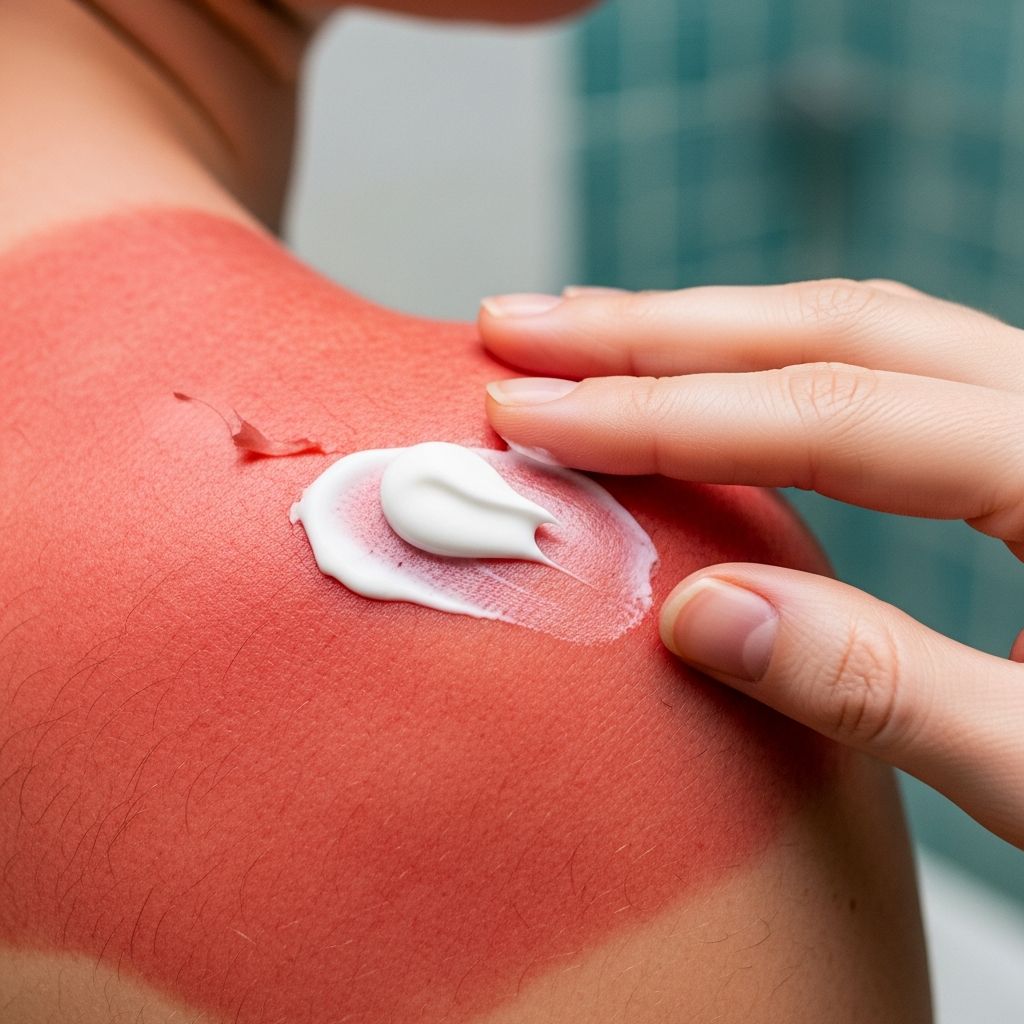
Sunburn occurs when ultraviolet (UV) rays damage skin cells, causing redness, pain, and inflammation. Prompt treatment reduces discomfort, speeds healing, and lowers risks of blistering, infection, or long-term skin damage like skin cancer. This guide outlines dermatologist-recommended steps for safe relief.
Sunburn Symptoms: Know What to Look For
Sunburn symptoms typically appear 4-6 hours after excessive sun exposure and peak at 24-36 hours. Mild sunburn causes redness and warmth; moderate cases add pain and swelling; severe burns bring blisters, fever, chills, nausea, or confusion—signs requiring immediate medical care.
- Mild: Redness, tenderness, slight swelling.
- Moderate: Intense pain, deeper redness, possible peeling.
- Severe: Blisters covering large areas (>20% body), headache, dizziness.
Children and fair-skinned individuals burn faster and face higher skin cancer risks from repeated burns.
Act Fast: Cool the Skin Immediately
The first step in sunburn treatment is cooling overheated skin to stop damage progression. Get out of the sun, into shade or air-conditioned space.
- Apply cool compresses: Soak a clean towel in cool (not ice-cold) water, wring out, and place on affected areas for 10-15 minutes, several times daily.
- Take cool baths or showers: Add 2 ounces (60g) baking soda or colloidal oatmeal to soothe; limit to 10 minutes to avoid drying skin. Pat dry gently—don’t rub.
- Avoid ice directly on skin, as it can cause frostbite-like injury.
For eyes: Use cool compresses only; avoid contacts until healed.
Moisturize While Skin Is Still Damp
After cooling, lock in moisture to prevent peeling and cracking. Apply lotion immediately after patting dry, when skin is damp.
- Best options: Aloe vera gel or lotion (refrigerate for extra cooling), soy-based moisturizers, calamine lotion (plain, no added antihistamines).
- Avoid: Petroleum jelly (traps heat), alcohol-based products (dry skin), ‘-caine’ creams like benzocaine (risk of allergic reaction or methemoglobinemia).
- Reapply several times daily, especially after bathing. For children, use fragrance-free options.
Consistent moisturizing supports skin barrier repair and reduces itching.
Reduce Pain and Inflammation with Medication
Anti-inflammatory drugs taken early lessen severity. Start at first signs if safe for you.
| Medication | Use | Notes |
|---|---|---|
| Ibuprofen (Advil), Naproxen, Aspirin (NSAIDs) | Pain, swelling reduction | Follow label; avoid aspirin in children/teens (Reye’s syndrome risk) |
| Acetaminophen (Tylenol) | Pain relief | No anti-inflammatory effect; safe alternative |
| 1% Hydrocortisone cream | Mild-moderate burns | Apply 3x/day for 3 days; refrigerate for soothing |
| Oral antihistamine (Diphenhydramine) | Itching during peeling | Use cautiously; may cause drowsiness |
Consult a doctor for underlying conditions or pregnancy.
Rehydrate Your Body
Sunburn pulls fluids to the skin surface, risking dehydration. Drink extra water, electrolyte drinks (e.g., sports beverages) immediately and over 2-3 days.
- Watch for dehydration signs: Dry mouth, thirst, dizziness, reduced urine.
- Children need monitored hydration; offer frequent small sips.
Internal hydration complements topical care for faster recovery.
Handle Blisters and Peeling Skin Properly
Blisters indicate second-degree burns; they protect underlying skin.
- Don’t pop blisters: Increases infection risk; let heal naturally.
- If they break: Clean with soap/water, apply petroleum jelly, cover loosely with gauze.
- Peeling phase: Continue moisturizing; it’s normal shedding of damaged skin.
Related Stories



Gently exfoliate only after healing; avoid harsh scrubs.
Sunburn Treatment for Children and Babies
Infants under 6 months should never get sunburned—sun avoidance is key. For older kids:
- Cool showers/compresses as needed.
- Fragrance-free moisturizers with aloe/soy.
- Extra fluids; no aspirin.
- Complete sun avoidance until healed; use protective clothing.
- Seek pediatrician if fever, lethargy, or extensive blisters.
Children’s thinner skin burns faster and increases lifetime skin cancer risk.
When to See a Doctor
Most sunburns heal at home in 3-7 days, but seek care if:
- Blisters cover >20% body or face/genitals.
- Severe symptoms: High fever (>101°F/38.3°C), chills, nausea, confusion, rapid heartbeat.
- Signs of infection: Pus, increased pain/swelling after 3 days.
- No improvement after 48 hours self-care.
IV fluids or prescription meds may be needed for severe cases.
Prevent Future Sunburns and Skin Cancer Risk
Every sunburn raises melanoma risk; prevention is crucial. No post-burn treatment fully reverses DNA damage.
- Seek shade 10am-4pm.
- Use broad-spectrum SPF 30+ sunscreen (reapply every 2 hours).
- Wear UPF clothing, hats, sunglasses.
- Avoid tanning beds.
Regular skin checks detect early skin cancers.
Frequently Asked Questions (FAQs)
What is the fastest way to heal a sunburn?
Cool skin ASAP with compresses/baths, moisturize with aloe, take ibuprofen, and hydrate internally. Healing takes 3-7 days.
Is coconut oil good for sunburn?
No—oils trap heat. Stick to water-based aloe or lotions.
Can sunburn cause skin cancer?
Yes, even one severe blistering burn doubles melanoma risk. Prevention is key.
How long does sunburn pain last?
Pain peaks at 24-36 hours, fades in 3-5 days with proper care.
Is Vaseline safe on sunburn?
Only on broken blisters for protection; avoid on fresh burns as it traps heat.
Follow these steps for safe relief and prioritize sun protection to safeguard skin health long-term.
References
- Sunburn – Diagnosis and treatment — Mayo Clinic. 2023-08-15. https://www.mayoclinic.org/diseases-conditions/sunburn/diagnosis-treatment/drc-20355928
- Treating Sunburn — Skin Health Institute. 2024-01-10. https://skinhealthinstitute.org.au/healthy-skin-guide/treating-sunburn/
- Sunburn — Skin Cancer Foundation. 2025-06-20. https://www.skincancer.org/risk-factors/sunburn/
- How to treat sunburn — American Academy of Dermatology. 2024-05-12. https://www.aad.org/public/everyday-care/injured-skin/burns/treat-sunburn
- Sunburn treatment: What works? — Mayo Clinic Health System. 2024-07-08. https://sncs-prod-external.mayo.edu/hometown-health/speaking-of-health/sunburn-treatment-what-works
- Can you prevent skin cancer after bad sunburn? — Roswell Park Comprehensive Cancer Center. 2025-07-01. https://www.roswellpark.org/cancertalk/202507/can-you-prevent-skin-cancer-after-bad-sunburn
- Sunburn — NCBI Bookshelf / StatPearls. 2023-11-03. https://www.ncbi.nlm.nih.gov/books/NBK534837/
Similar Articles








Read full bio of medha deb